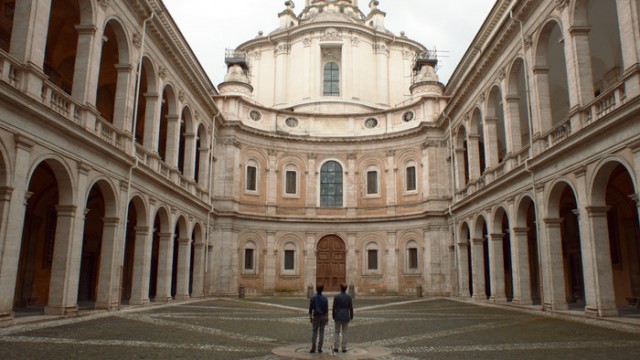
LA SAPIENZA feature glorious sights and sounds as a couple tries to rekindle their spark
LA SAPIENZA (THE SAPIENCE) (Eugène Green, 2014)
Film Society of Lincoln Center
Saturday, September 27, Alice Tully Hall, 3:00, and Sunday, September 28, Francesca Beale Theater, 12:15
Festival runs September 19-25
212-875-5050
www.filmlinc.com
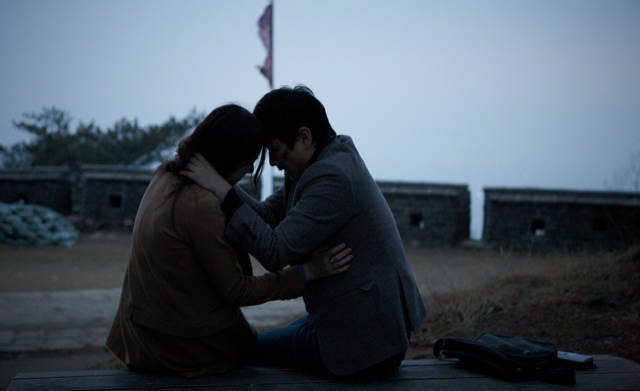
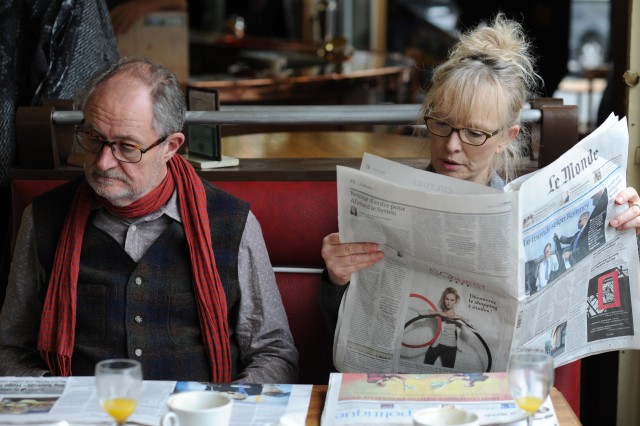
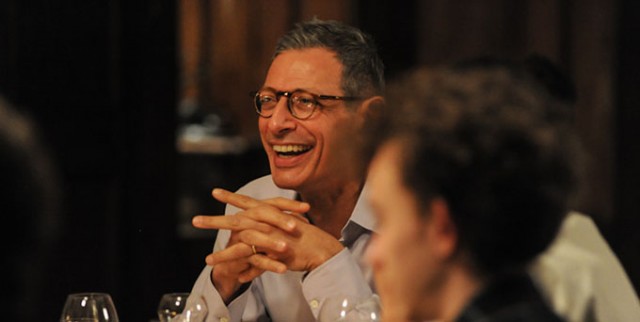
 New York City-born French filmmaker Eugène Green equates humanity and architecture in the lush, rich film La Sapienza. Named for the concept of gaining wisdom as well as Italian architect Francesco Borromini’s seventeenth-century Roman Catholic Baroque church Sant’Ivo alla Sapienza, the film follows an older couple who rediscover their personal and professional passion after meeting a young pair of siblings. Architect Alexandre Schmidt (Fabrizio Rongione) and his wife, sociologist Aliénor (Christelle Prot Landman), are walking through a park in Switzerland when they see a teenage girl (Arianna Nastro) nearly collapse into the arms of a slightly older boy (Ludovico Succio). It turns out that Lavinia is suffering from incapacitating dizzy spells and is cared for by her brother, Goffredo, who is interested in studying architecture. Aliénor becomes involved in Lavinia’s situation while Alexandre, an intense, cynical man, returns to the book he is writing on Borromini (who famously worked in the shadow of Bernini) and travels to Italy with Goffredo as the boy’s reluctant mentor. Green’s (Toutes les nuits, Le monde vivant) first digital feature opens with the glorious sounds of Claudio Monteverdi accompanying cinematographer Raphaël O’Byrne’s magisterial shots of statuary and architecture in Rome. The acting at the start, particularly Rongione’s, is purposefully stiff and mannered, cold and stonelike, but it warms up as the characters learn (or relearn) about the myriad possibilities life offers. Green uses the metaphor of Baroque architecture’s role in the Counter-Reformation as a symbol for Alexandre and Aliénor’s relationship, as they finally face long-held emotions and reconsider their future, all while Green lingers on magnificent structures. La Sapienza will have its U.S. premiere at the New York Film Festival on September 27 at 3:00 and September 28 at 12:15; both screenings will be followed by a Q&A with Green, who also appears in the film as the grizzled Chaldean.
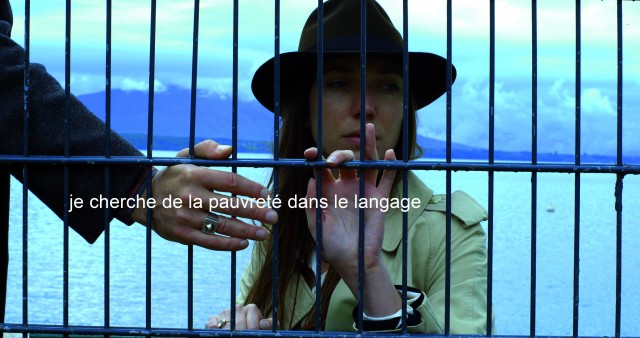
 After the New York Film Festival advance press screening of Jean-Luc Godard’s 3D Goodbye to Language, a colleague turned to me and said, “If this was Godard’s first film, he would never have had a career.” While I don’t know whether that might be true, I do know that Goodbye to Language is the 3D flick Godard was born to make, a 3D movie that couldn’t have come from anyone else. What’s it about? I have no idea. Well, that’s not exactly right. It’s about everything, and it’s about nothing. It’s about the art of filmmaking. It’s about the authority of the state and freedom. It’s about extramarital affairs. It’s about seventy minutes long. It’s about communication in the digital age. (Surprise! Godard does not appear to be a fan of the cell phone and Yahoo!) And it’s about a cute dog (which happens to be his own mutt, Miéville, named after his longtime partner, Anne-Marie Miéville). In the purposefully abstruse press notes, Godard, now eighty-three, describes it thusly: “the idea is simple / a married woman and a single man meet / they love, they argue, fists fly / a dog strays between town and country / the seasons pass / the man and woman meet again / the dog finds itself between them / the other is in one / the one is in the other / and they are three / the former husband shatters everything / a second film begins / the same as the first / and yet not / from the human race we pass to metaphor / this ends in barking / and a baby’s cries.” Yes, it’s all as simple as that. Or maybe not.