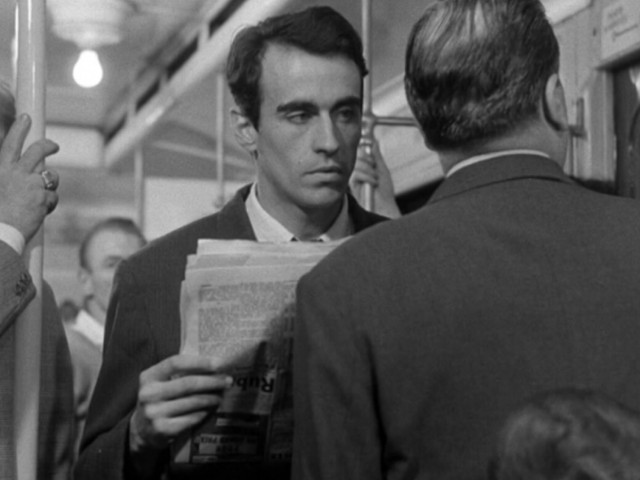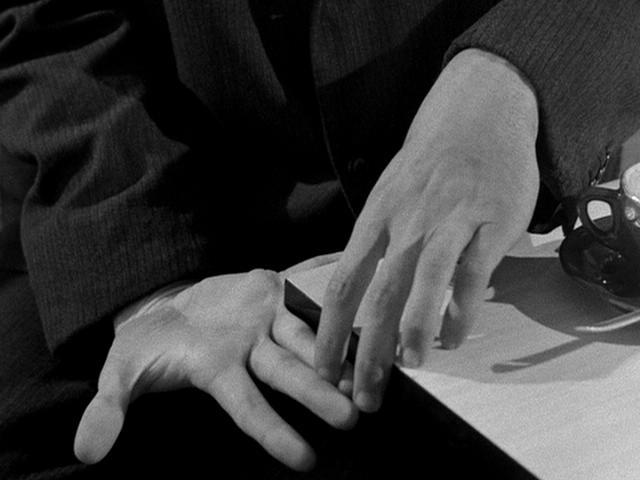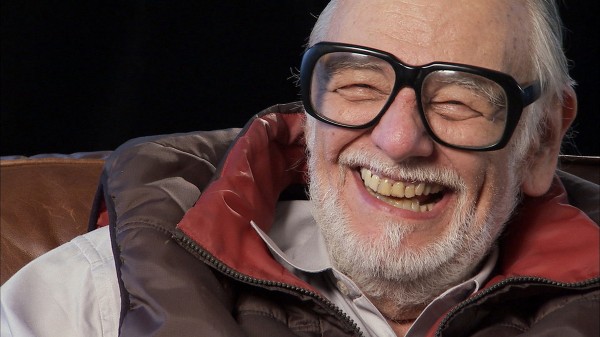
George Romero has a ball discussing NIGHT OF THE LIVING DEAD in new documentary about the making of his masterpiece (courtesy of Predestinate Productions)
BIRTH OF THE LIVING DEAD (Rob Kuhns, 2013)
IFC Center
323 Sixth Ave. at West Third St.
Opens Wednesday, November 6
212-924-7771
www.ifccenter.com
www.firstrunfeatures.com
 “It was this tiny little movie in Pittsburgh that seemed to have no chance and it changed the world,” says Jason Zinoman at the beginning of Rob Kuhns’s extremely entertaining new documentary, Birth of the Living Dead. Zinoman, author of Shock Value: How a Few Eccentric Outsiders Gave Us Nightmares, Conquered Hollywood, and Invented Modern Horror, is one of several experts discussing the making, influence, and legacy of college dropout George A. Romero’s 1968 classic frightfest, Night of the Living Dead, which essentially invented the flesh-eating zombie. Throughout the documentary, the Bronx-born Romero, looking somewhat like a wide-eyed, white-haired Martin Scorsese, shares fascinating behind-the-scenes details about the creation of his masterpiece, describing how he raised what little funds he could, how most of the nonprofessional actors were members of the local community (steel workers, cops, meatpackers, ad executives, television hosts, etc.) who not only played ad-libbing humans or zombies but also supplied props, did the makeup, and donated equipment, and how no one really thought they’d ever actually finish and distribute the film, having previously specialized primarily in beer commercials and such authorized shorts as Mister Rogers Gets a Tonsillectomy — which Romero still considers his scariest work to date. Fans of Night of the Living Dead will glory in learning more about Harry and Helen Cooper (business partners Karl Hindman and Marilyn Eastman), newscaster Charles Craig, cemetery zombie Bill Hinzman, Sheriff McClelland (George Kosana), and others. While Romero says that the casting of Duane Jones as Ben was not based on race — and that not a word of the script was changed because Jones was black — a group of talking heads relates how it was a genius move not to make specific mention of race in the film, which was completed just before the assassination of Dr. Martin Luther King, Jr.
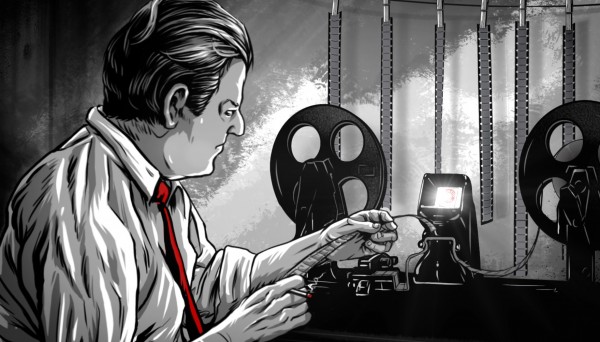
Gary Pullin illustrates George Romero editing NIGHT OF THE LIVING DEAD (courtesy of Predestinate Productions)
Among those excitedly placing NOTLD firmly in film history and sociopolitical context, explaining how it was a counterculture touchstone that symbolized the unrest in late 1960s America brought about by the civil rights movement and the Vietnam War, are critic, curator, and radio host Elvis Mitchell (The Black List, The Treatment), indie filmmaker and Birth executive producer Larry Fessenden (The Last Winter, Habit), Hollywood producer Gale Anne Hurd (Aliens, The Walking Dead), film journalist Mark Harris (Pictures at a Revolution: Five Movies and the Birth of the New Hollywood), documentarian and NYU professor Sam Pollard, producer Chiz Schultz (who tells an amazing story about Harry Belafonte and Petula Clark), and the aforementioned Zinoman. It’s absolutely gripping when Ben’s slap of Barbara (Judith O’Dea) is compared to scenes from In the Heat of the Night and Guess Who’s Coming to Dinner. The Brooklyn-based Kuhns, who wrote, produced, directed, and edited the film, includes archival news footage that he was able to access through his role as editor of the Bill Moyers television program Moyers & Company; meets with Bronx elementary school teacher Christopher Cruz, who is questionably showing fifth- and sixth-grade students NOTLD as part of his film class; and adds ghoulish graphic-novel-style animation by Gary Pullin. However, he curiously never touches on anything Romero did post-NOTLD, a career that has boasted another five Dead movies so far. But he has done a great service for the nonpareil standard-bearer, offering a thrilling examination of the little horror movie that could. Stick around for a post-credits tribute to Hinzman, who passed away last year at the age of seventy-five. Birth of the Living Dead opens November 6 at the IFC Center, with Kuhns on hand for the 8:35 screenings on Wednesday and Thursday, which will be followed by free 10:15 showings of the original Night of the Living Dead.
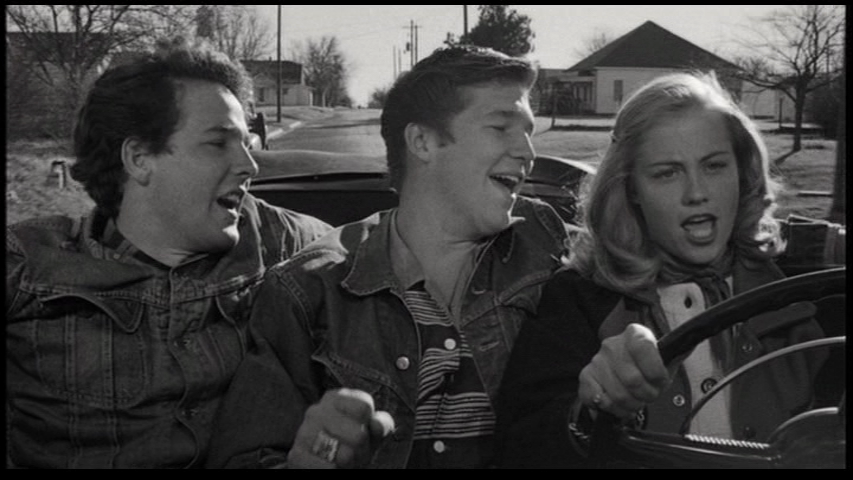
 Peter Bogdanovich’s The Last Picture Show is a tender-hearted, poignant portrait of sexual awakening and coming-of-age in a sleepy Texas town. Adapted from the Larry McMurtry novel by the author and the director, the film is set in the early 1950s, focusing on Sonny Crawford (Timothy Bottoms), a teenager who works at the local pool hall with Billy (Timothy’s brother Sam), a simple-minded boy who needs special caring. Sonny’s best friend, Duane Jackson (Oscar-nominated Jeff Bridges), is dating the prettiest girl in school, Jacy Farrow (Cybill Shepherd, in her film debut), who is getting ready to test out the sexual waters, sneaking away on a date with Lester Marlow (Randy Quaid), who takes her to a naked-swimming party in a wealthier suburb of Wichita Falls. Meanwhile, Sonny breaks up with his girlfriend, Charlene Druggs (Sharon Taggart), and becomes drawn to the sad, unhappy Ruth Popper (an Oscar-winning Cloris Leachman), the wife of his football coach (Bill Thurman). The outstanding all-star cast also features Oscar-nominated Ellen Burstyn as Lois, Jacy’s mother; Eileen Brennan as a waitress in the local diner who makes cheeseburgers for Sonny; Clu Gulager as a working man who has a thing for Lois; Frank Marshall, who went on to become a big-time producer, as high school student Tommy Logan; and Oscar winner Ben Johnson as Sam the Lion, the moral center of the town and owner of the pool hall, diner, and movie theater, which shows such films as Father of the Bride and Red River. Cinematographer Robert Surtees shoots The Last Picture Show in a sentimental black-and-white that gives the film an old-fashioned feel, as if it’s a part of Americana that is fading away. Bogdanovich also chose to have no original score, instead populating the tale with country songs by Hank Williams, Bob Wills and the Texas Playboys, Lefty Frizzell, Tony Bennett, and others singing tales of woe. In many ways the film is the flip side of George Lucas’s 1973 hit American Graffiti, which is set ten years later but looks like it’s from another century; it also has a lot in common with François Truffaut’s 1962 classic Jules and Jim. Nominated for eight Oscars including Best Picture and Best Director, The Last Picture Show is an unforgettable slice-of-life drama that will break your heart over and over again. It is screening in a DCP projection at the IFC Center October 11-14 at 11:00 am as part of the Weekend Classics series “Lone Star Cinema: Texas On Screen,” which continues October 18-20 with Robert Mulligan’s Baby the Rain Must Fall and October 25-27 with S. R. Bindler’s Hands on a Hard Body.
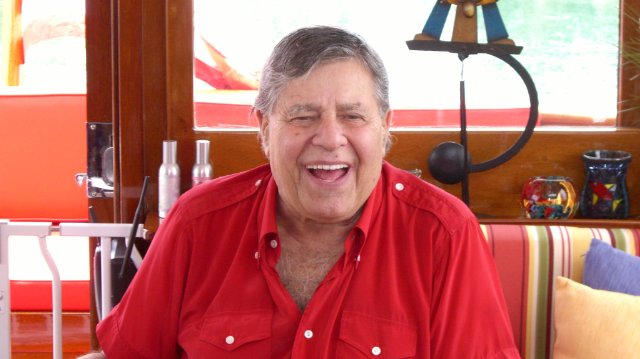
 In the new documentary When Comedy Went to School, Mickey Freeman describes what it’s like to “die” onstage, that terrible feeling of experiencing flop sweat while bombing in front of a live audience. Unfortunately, this film is dead on arrival, dripping wet. Made by Mevlut Akkaya (director and producer), Ron Frank (director, producer, and editor), and Lawrence Richards (writer and producer), the thankfully short film, which clocks in at a mere seventy-seven minutes, purports to tell the history of the Catskill comedians at such resorts as Kutsher’s, Grossinger’s, and the Concord. The filmmakers speak with such comic giants as Jerry Lewis, Sid Caesar, Mort Sahl, Dick Gregory, Jackie Mason, and Jerry Stiller, who describe what it was like in the Borscht Belt’s heyday of the 1950s and 1960s. There are also plenty of archival clips of those men as well as Rodney Dangerfield, Woody Allen, Henny Youngman, Milton Berle, Bob Hope, and Lenny Bruce (however, very few from actual Catskills performances), with additional commentary from Joe Franklin, Larry King, and Hugh Hefner. But timing is everything in comedy, something When Comedy Went to School is sorely lacking; the film drags and sputters as Akkaya, Frank, and Richards — onscreen host and narrator Robert Klein is the poor soul relegated to reading the increasingly dull script — try to delve into the social and historical aspects of the Catskills, from the comedians themselves to the people who owned the resorts and the families that went there year after year, but it’s slow moving, repetitive, and, worst of all, boring. Although some of the comedians have interesting anecdotes — Lewis steals the show with his insights on the relationship between performer and audience — most of it falls flat, reminiscent of the old vaudeville convention of bringing out the weakest act to clear the house after the stars are done. When Comedy Went to School runs July 31 to August 6 at the JCC in Manhattan and the IFC Center, with Akkaya, Frank, and Richards on hand to talk about the film at the 7:05 show on opening night at IFC; the trio will be back at IFC for the 7:05 screening on August 1, joined by Klein and Cory Kahaney.