Michel Gondry details a series of animated conversations with Noam Chomsky in brilliant documentary
CinéSalon: IS THE MAN WHO IS TALL HAPPY? AN ANIMATED CONVERSATION WITH NOAM CHOMSKY (Michel Gondry, 2013)
French Institute Alliance Française, Florence Gould Hall
55 East 59th St. between Madison & Park Aves.
Tuesday, May 17, $14, 4:00 & 7:30
Series continues Tuesdays through May 31
212-355-6100
www.fiaf.org
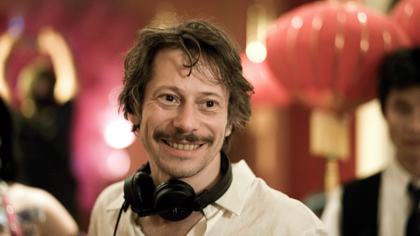
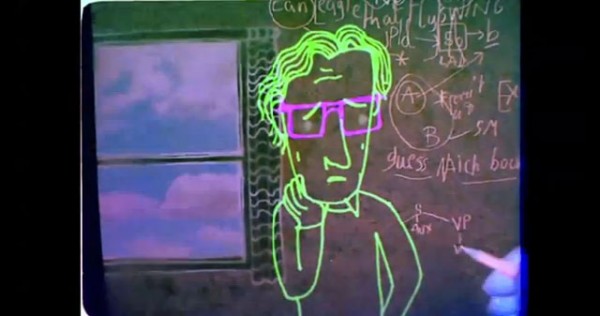
 As it turns out, Michel Gondry’s exciting documentary, Is the Man Who Is Tall Happy? An Animated Conversation with Noam Chomsky, is animated in more ways than one. The fifty-year-old French director initially set out to go toe-to-toe with the controversial octogenarian linguist and philosopher, but he realized early on that the battle was lost. So when editing the series of interviews he had with Chomsky over the course of several months in 2010, he decided to illustrate the film with animated cartoon drawings, only occasionally showing the live-action Chomsky, often in a small box or circle within a colorfully rendered scene. After an attempt to impress Chomsky — the author of such books as Syntactic Structures; Cartesian Linguistics: A Chapter in the History of Rationalist Thought; Studies on Semantics in Generative Grammar; and The Logical Structure of Linguistic Theory — with his own views on image and representation, Gondry becomes embarrassed. “As you can see,” he says while the handwritten words appear on the screen, “I felt a bit stupid here. Let me explain: I think I couldn’t get my point through to Noam. Misuse of words and heavy accent aggravated my attempt.” Chomsky and Gondry go on to explore such concepts as generative grammar, language acquisition, and psychic continuity as Gondry, the director of such offbeat films as Eternal Sunshine of the Spotless Mind, The Science of Sleep, Human Nature, and Be Kind, Rewind, makes his endearing, often childlike drawings, a genius counterpoint to Chomsky’s cool and calm super-intellectualism.
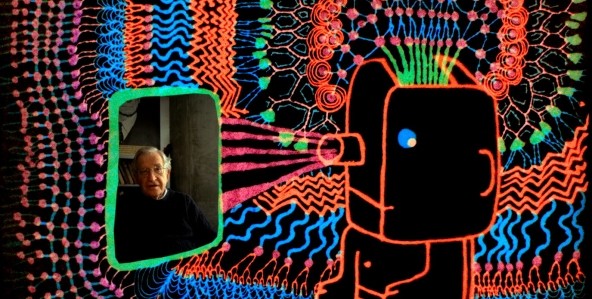
Michel Gondry comes up with a unique way to depict Noam Chomsky in IS THE MAN WHO IS TALL HAPPY?
Gondry does get Chomsky to open up a little about his personal life, especially his relationship with his late wife, and they wisely avoid politics. The film eventually takes a hysterical turn when Gondry realizes that he better finish it soon, since it’s been three years since he conducted the talks with Chomsky and he wants to make sure he finishes it before Chomsky dies. In the end, Gondry manages to level the playing field as the two men diagram the title question. Is the Man Who Is Tall Happy? is an absolute treat, a fun and fascinating examination of human intelligence, the creative process, the manipulative relationship between director and viewer, and the essence of film and storytelling itself. Is the Man Who Is Tall Happy? is screening May 17 at 4:00 and 7:30 in FIAF’s “Creative Encounters” CinéSalon series, with the later show introduced by film journalist and professor Anne-Katrin Titze. The festival continues every Tuesday in May with Claire Denis’s Jacques Rivette, the Night Watchman and Chantal Akerman’s One Day Pina Asked…
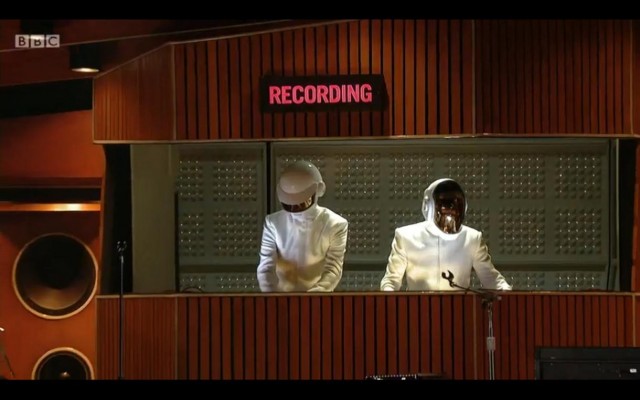
 You might think that the phrase “the French Touch,” which is part of the title of FIAF’s March-April edition of its CinéSalon series, refers to the unique style of such French auteurs as François Truffaut, Jean Renoir, Jean-Luc Godard, Louis Malle, Jean Cocteau, Éric Rohmer, and others whose films are often included in these Tuesday-night festivals. But the term actually describes a group of DJs and bands associated with electronic dance music, or EDM, in France. So it is rather appropriate for the series, “EDM Anthems: French Touch on Film,” to kick off with Daft Punk Unchained, a thumping documentary about the patron saints of that movement, the iconoclastic duo of Thomas Bangalter and Guy-Manuel de Homem-Christo, better known as Daft Punk. Director Hervé Martin Delpierre, who cowrote the film with Marina Rozenman, had his work cut out for him, as he had to make the film without the participation of Daft Punk itself, Bangalter and de Homem-Christo, who have not shown their faces in public this century and rarely give interviews of any kind. But Delpierre gets just about everyone else who has ever worked with them to open up, allowing others to interpret the band’s musical evolution and cultural impact as he traces DP’s career from 1992, when they were in the somewhat more traditional bass-guitar-drum combo Darlin’, to the worldwide sensation of their 2013 album, Random Access Memories, as they melded American disco, German techno, and Manchester industrial into something wholly new. A special focus is placed on their mind-blowing show at Coachella in 2006, which single-handedly changed the future of EDM.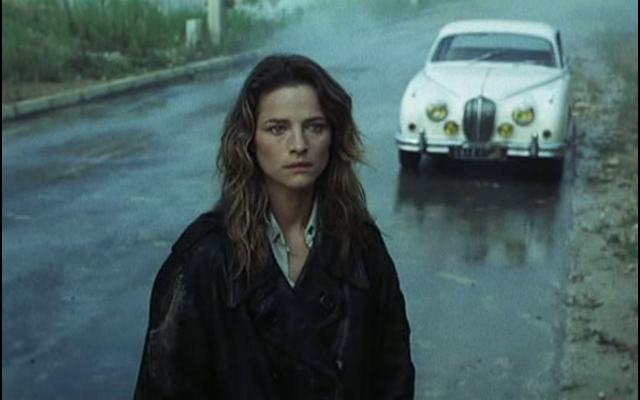
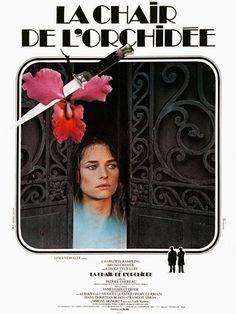
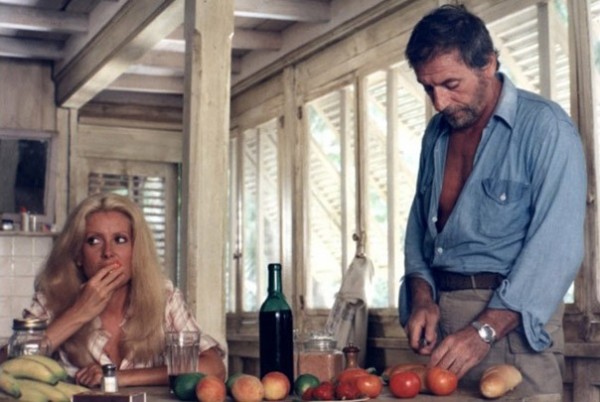
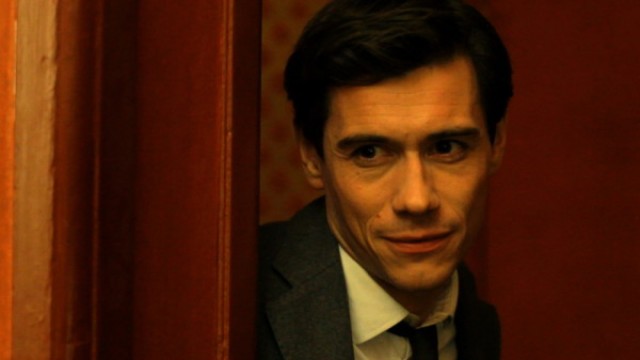
 French stage and opera director Patrice Chéreau made an offbeat choice for his debut film, deciding to adapt British thriller writer James Hadley Chase’s The Flesh of the Orchid, the 1948 sequel to his first novel, 1939’s No Orchids for Miss Blandish, which had been made into a 1948 film by St. John Legh Clowes considered to be one of the worst movies ever. So it’s little surprise that The Flesh of the Orchid is a dark and gloomy, not wholly successful, both tantalizing and frustrating tale of lust and greed. Following up her controversial role in Liliana Cavani’s The Night Porter, the exquisite Charlotte Rampling stars as Claire, a mentally unbalanced heiress who has a penchant for blinding men who attempt to have sex with her. But she takes an odd liking to Louis Delage (Bruno Cremer), a man with financial problems who is on the run after witnessing a murder committed by a pair of cold-blooded killers, brothers Gyula and Joszef Berekian (Hans Christian Blech and François Simon). Meanwhile, Claire’s aunt, the elegant, très chic Madame Wegener (Edwige Feuillère), and her ne’er-do-well son, Arnaud (Rémy Germain), are hot on her trail as well, determined to lock her away again so they can get their hands on the family money.