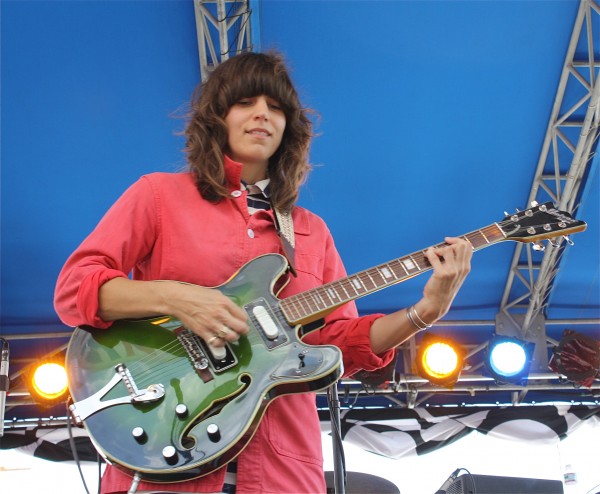
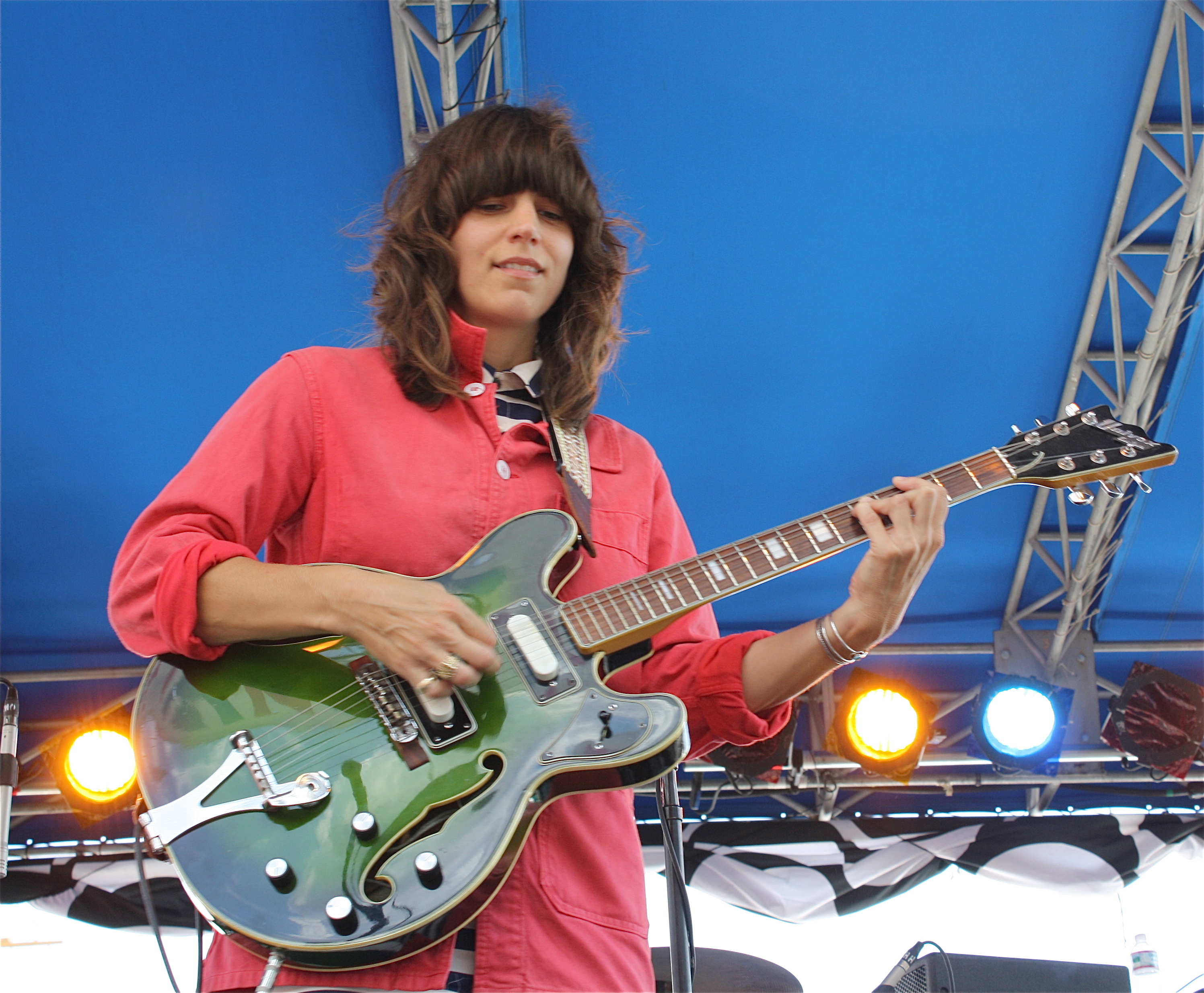
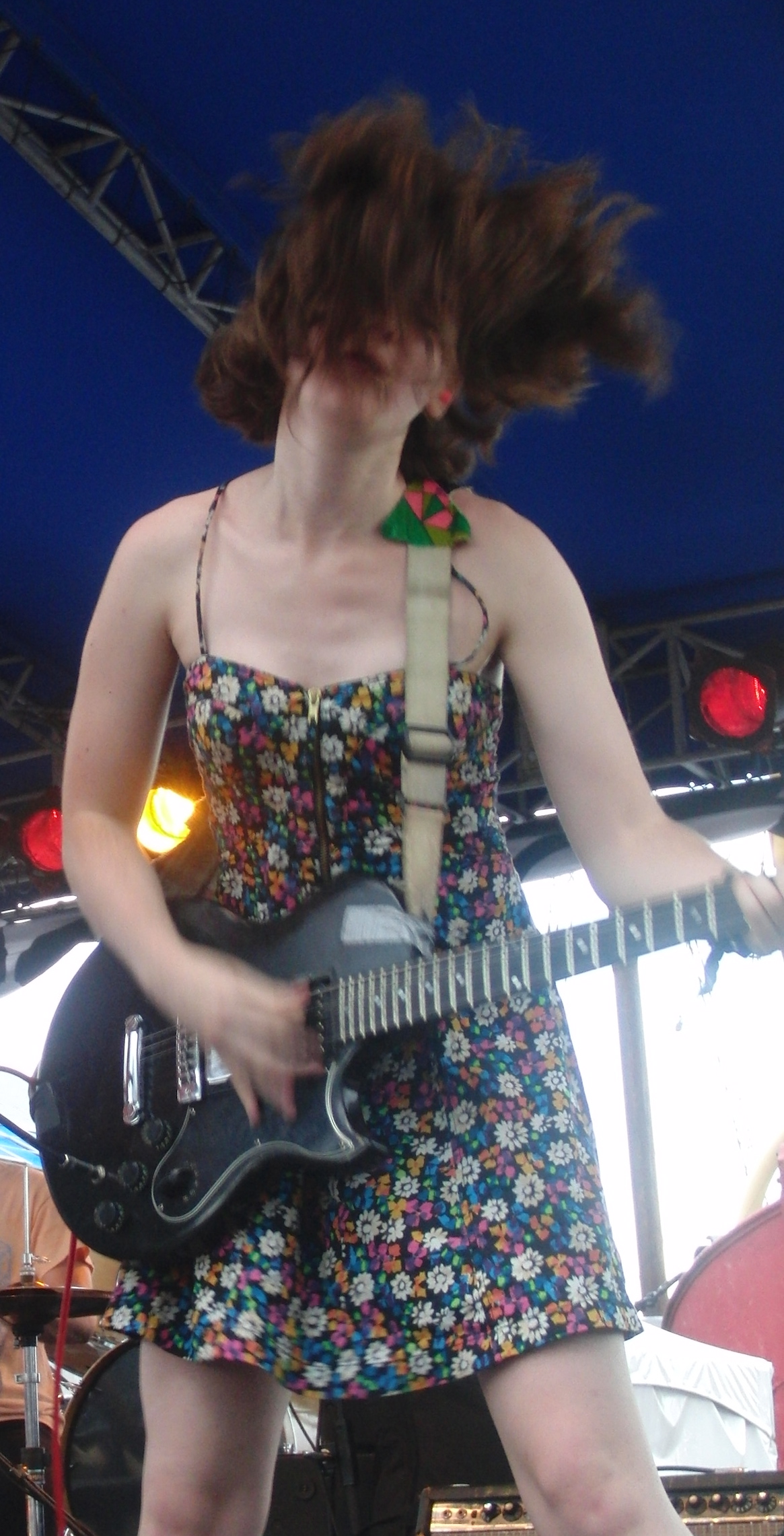
Like many performers, Eleanor Friedberger has several shows scheduled for this year’s CMJ Marathon (photo by twi-ny/mdr)
Multiple venues
October 18-22
www.cmj.com/marathon
Planning how you are going to attack the annual CMJ Music Marathon is like figuring out your vacation itinerary, carefully plotting out when you want to be where to see what you want to see. With thousands of scheduled concerts, DJ sets, and movie premieres, it can be, well, more than a tad overwhelming. So we’ve narrowed down your choices, making our pick for the best bets each day of the festival, which runs October 18-22 primarily in Lower Manhattan and Brooklyn. And yes, we strongly suggest twi-ny’s own CMJ showcase, taking place October 21 at 12 noon at Fontana’s.
Tuesday, October 18
Edelweiss, Studio at Webster Hall, 6:30
Hospitality, Bowery Ballroom, 8:30
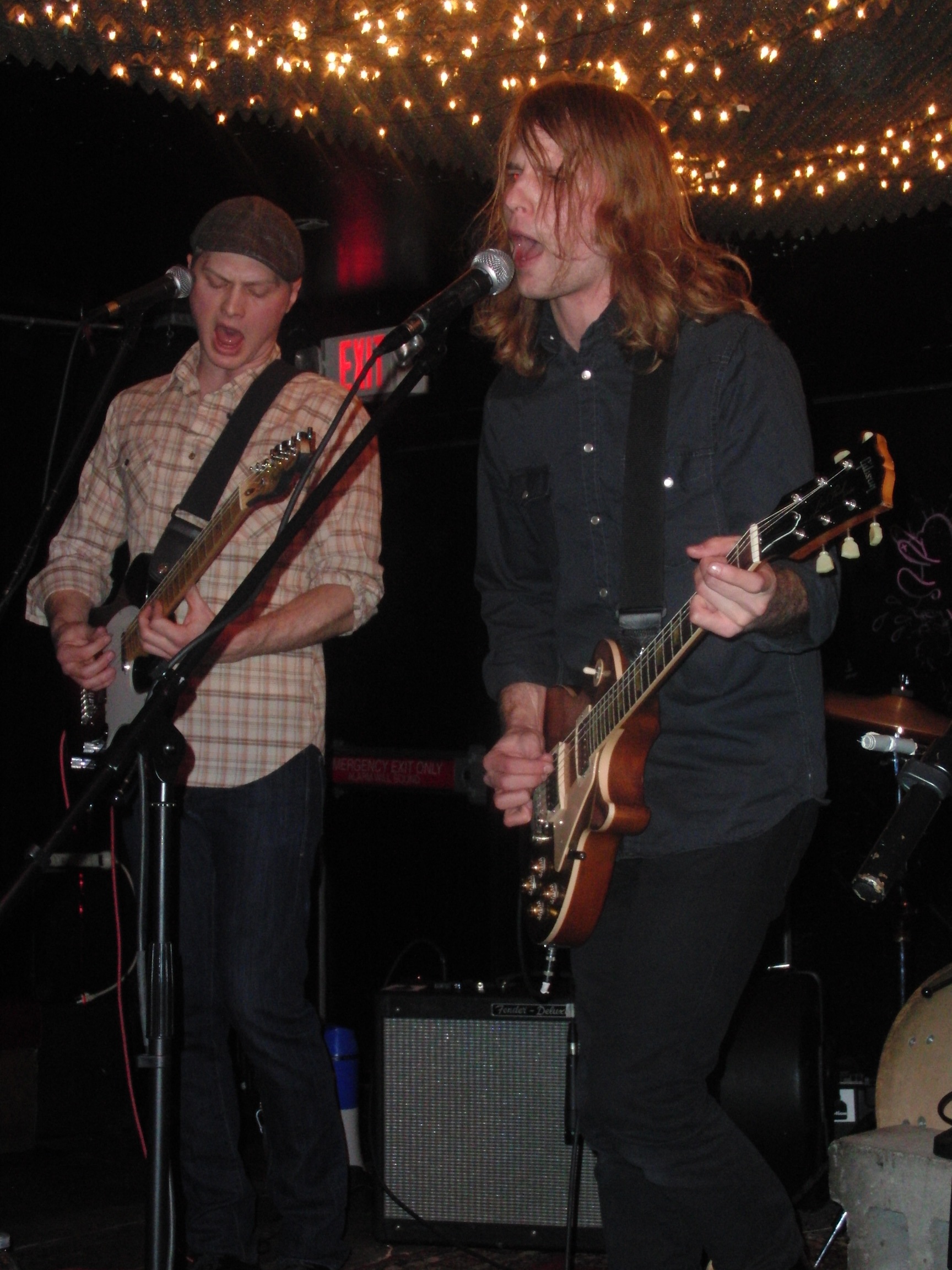
Titus Andronicus, Glasslands, 9:00
Eleanor Friedberger, Bowery Ballroom, 9:30
Country Mice, Kenny’s Castaways, 10:00
The Twees, Studio at Webster Hall, 10:30
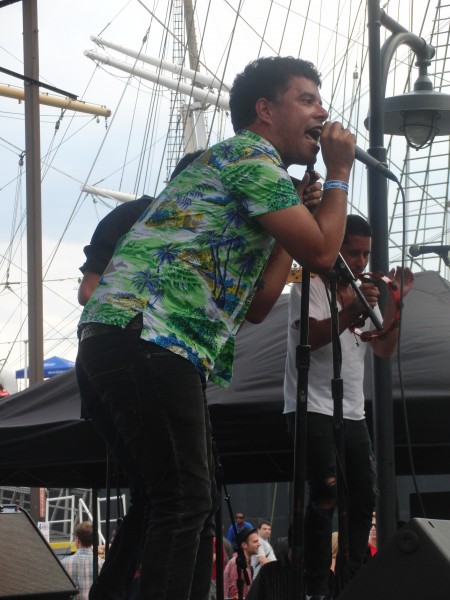
Puerto Rican punks Davila 666 will be at the Knitting Factory on Wednesday night (photo by twi-ny/mdr)
Wednesday, October 19
Duke Spirit, Puma Store, 2:30
Clap Your Hands Say Yeah, Ace Hotel, 4:30
Emmy the Great, Fat Baby, 8:00
Wallpaper, Studio at Webster Hall, 8:30
The Big Sleep, Santos Party House, 9:15
Fix: The Ministry Movie (Douglas Freel, 2011), Clearview Chelsea Cinema, 9:30
Parts & Labor, Union Pool, 10:00
Davila 666, Knitting Factory Brooklyn, 11:20
A Place to Bury Strangers, Union Pool, 12 midnight
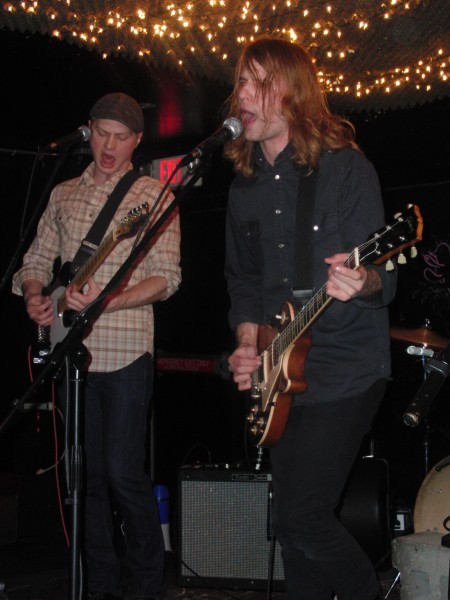
Country Mice will be at Kenny’s Castaways on Tuesday night (photo by twi-ny/mdr)
Thursday, October 20
Class Actress, Puma Store, 2:30
Savoir Adore, Cake Shop, 5:00
Pearl and the Beard, the Woods, 6:15
Beats, Rhymes & Life: The Travels of a Tribe Called Quest (Michael Rapaport, 2011), followed by a Q&A with director Michael Rapaport, Clearview Chelsea Cinema, 7:00
Alberta Cross, Terminal 5, 8:45
Psychic Ills, Cake Shop, 10:00
BNLX, Rebel, 11:30
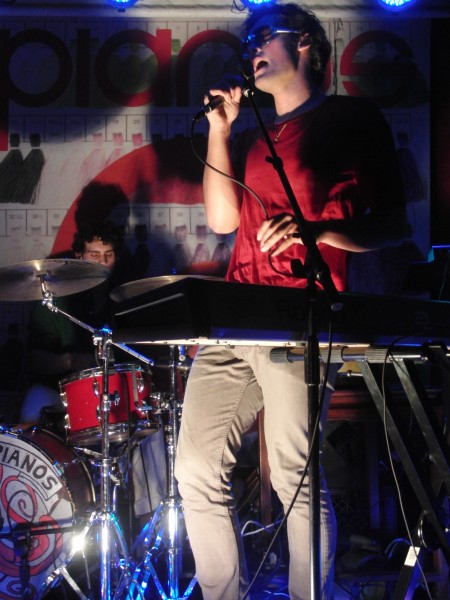
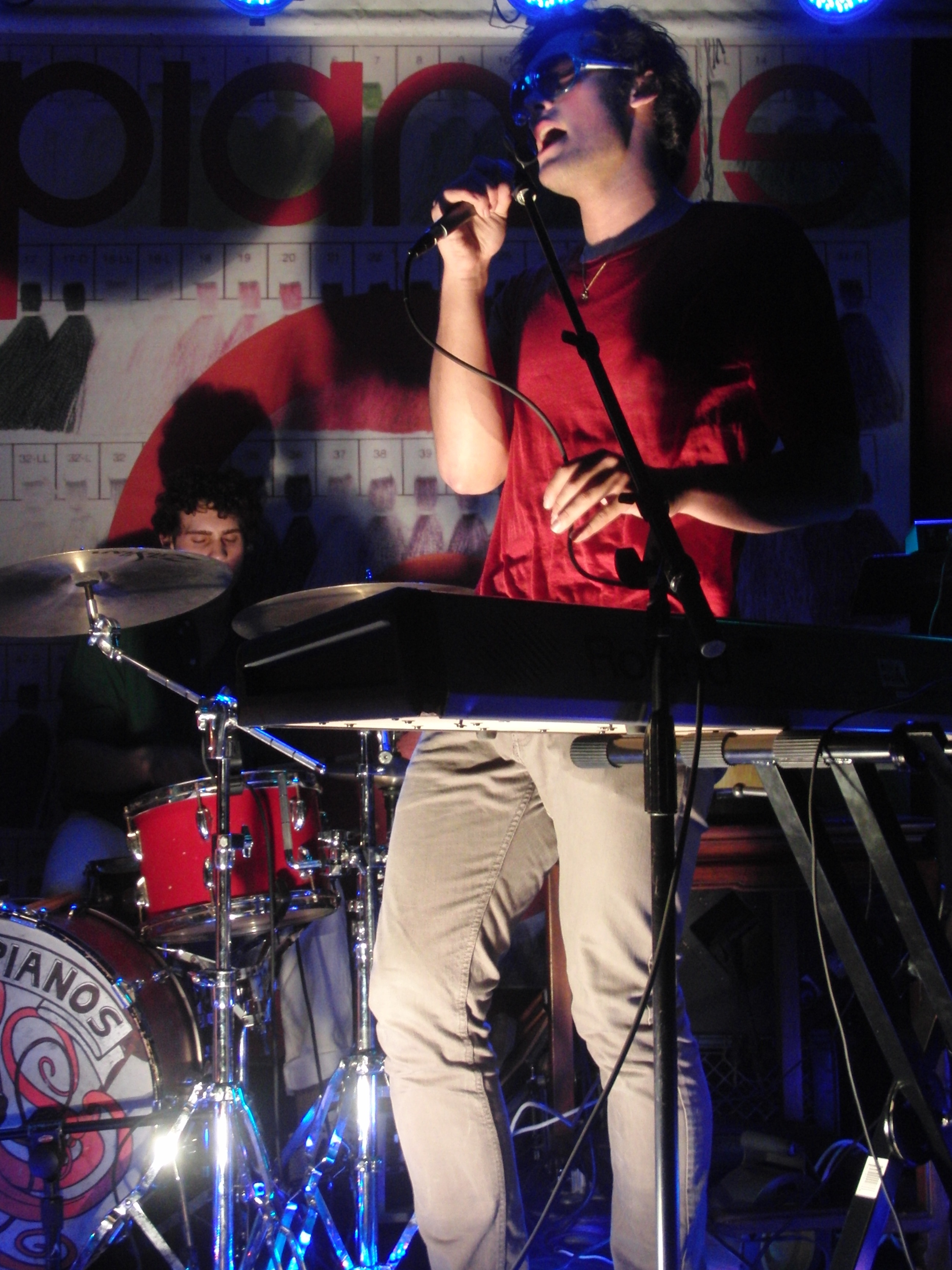
Kid Savant will show their stuff at Studio at Webster Hall on Friday night (photo by twi-ny/mdr)
Friday, October 21
This Week in New York showcase, Fontana’s, 12 noon – 5:00
A Silent Disco at the Big Screen Plaza supporting Invisible Children, with Spirit Family Reunion and Hundred Visions, 6:00
Delicate Steve, DROM, 7:00
Freaks in Love (David Koslowski & Skizz Cyzyk, 2011), followed by a Q&A with directors David Koslowski and Skizz Cyzyk and members of Alice Donut, Soho House, free with RSVP, 7:00
Destry, Sullivan Hall, 8:50
Conversion Party, Union Hall, 9:15
Kid Savant, Studio at Webster Hall, 9:30
Eternal Summers, Cake Shop, 10:30
Lily & the Parlour Tricks, Sullivan Hall, 11:05

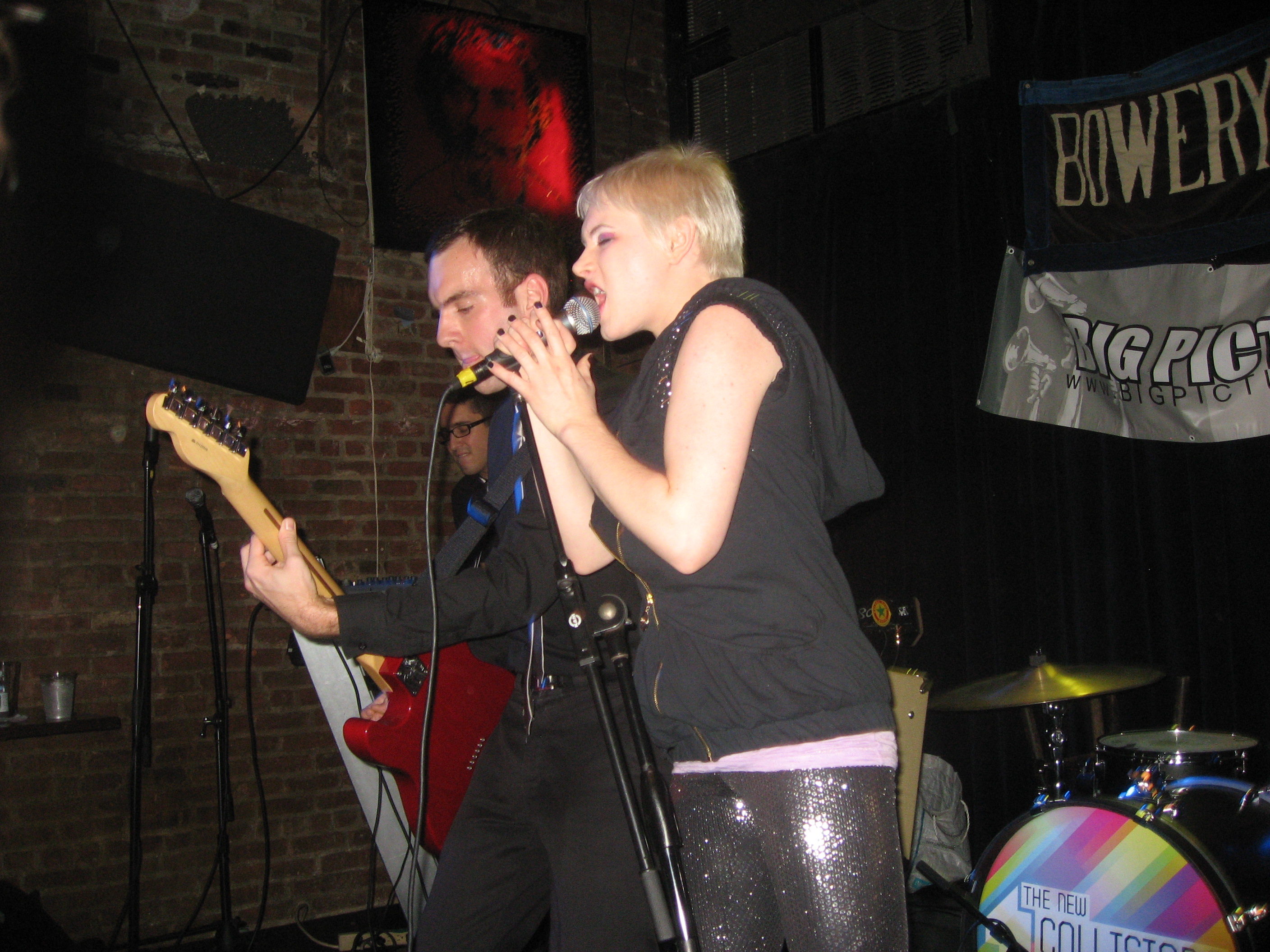
New Collisions should get CMJers parachuting across the dance floor Saturday night at Local 269 (photo by twi-ny/mdr)
Saturday, October 22
Nicole Atkins, Rockwood Music Hall, 3:30
The Front Bottoms, Highline Ballroom, 6:45
Radical Dads, Bruar Falls, 8:00
Gainsbourg: A Heroic Life (Joann Sfar, 2011), Soho House, free with RSVP, 9:15
New Collisions, Local 269, 10:00
Turbo Fruits, Public Assembly, 11:00
Shinobi Ninja, Arlene’s Grocery, 12 midnight
Emil & Friends, the Delancey, 1:40
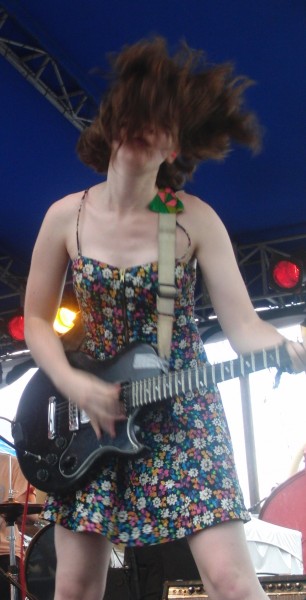
Titus Andronicus should go crazy at Glasslands on Tuesday night (photo by twi-ny/mdr)
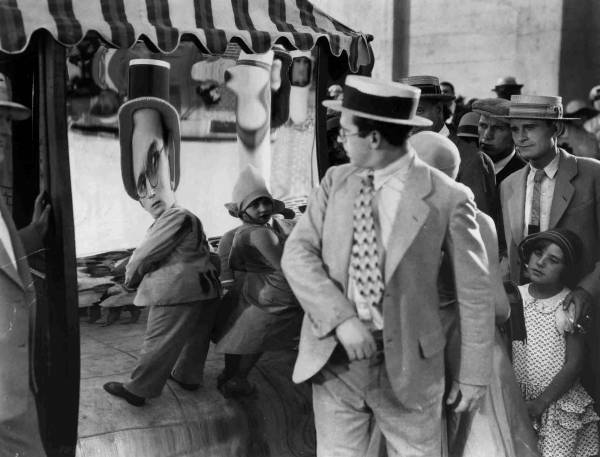
 Much like the end of the silent film era itself, the last horse-drawn trolley is doomed in Harold Lloyd’s final silent film. Big business is playing dirty trying to get rid of the trolley and classic old-timer Pop Dillon. Meanwhile, Harold “Speedy” Swift, a dreamer who wanders from menial job to menial job (he makes a great soda-jerk with a unique way of announcing the Yankees score), cares only about the joy and wonder life brings. But he’s in love with Pop’s granddaughter, Jane, so he vows to save the day. Along the way, he gets to meet Babe Ruth. Ted Wilde was nominated for an Oscar for Best Director, Comedy, for this thrilling nonstop ride through beautiful Coney Island and the pre-depression streets of New York City. A restored 35mm print of Speedy is being shown October 16 at 3:00 at the Museum of the Moving Image with live accompaniment by pianist Donald Sosin, preceded by an illustrated lecture about the making of the movie by film historian John Bengtson, author of Silent Visions: Discovering Early Hollywood and New York Through the Films of Harold Lloyd (Santa Monica Press, May 2011, $27.95), and will be followed by a book signing.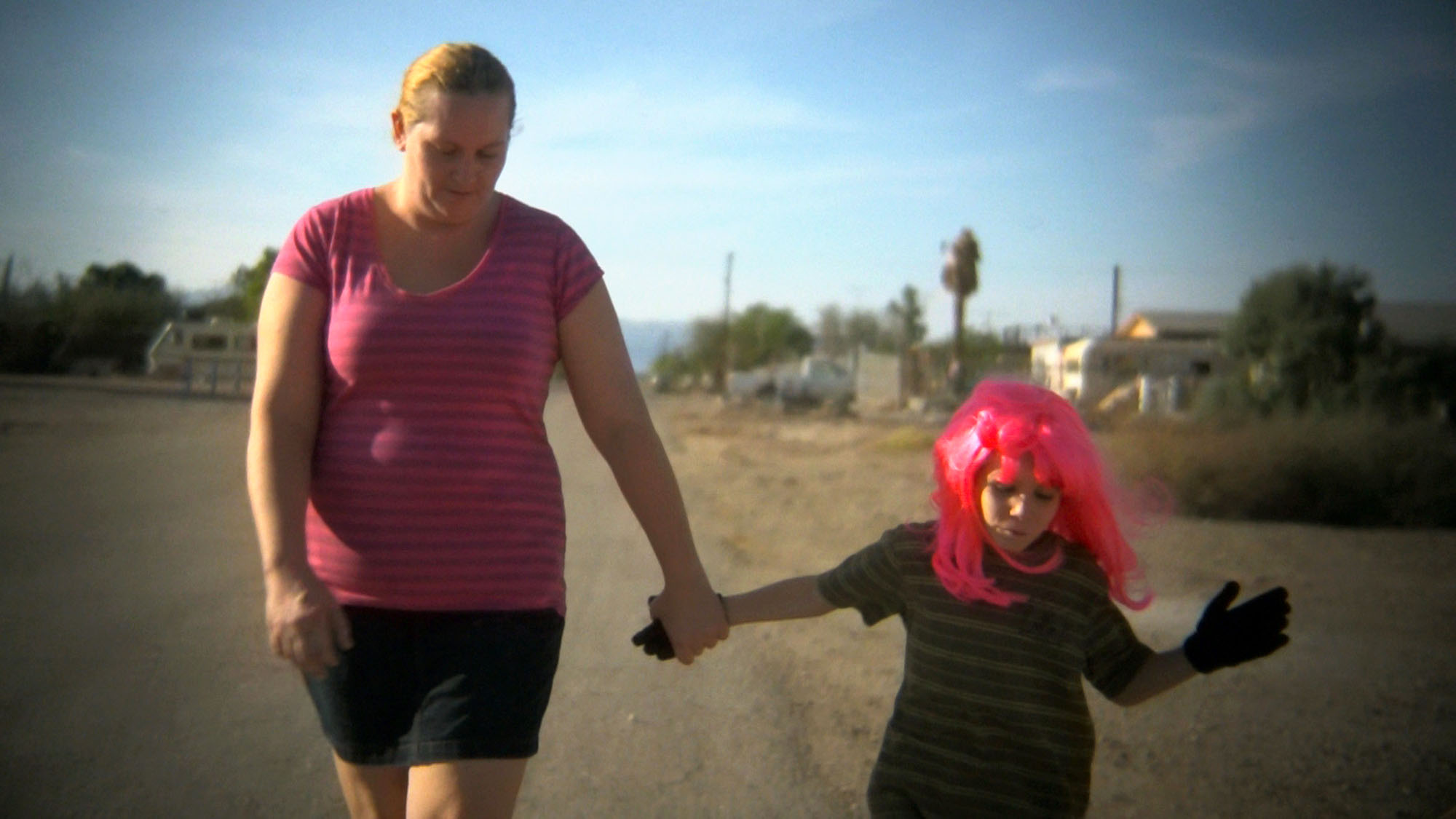
 Created by an overflow of the Colorado River in 1905, the highly salinic Salton Sea became a fashionable vacation destination in the 1950s, “the new recreational capital of the world,” as archival footage announces at the beginning of Alma Har’el’s feature-length documentary, Bombay Beach. “The future is now,” a promotional film proclaims, but over the years the “miracle sea in the desert” has instead come to represent the underside of the American dream. Currently an environmental disaster resembling a postapocalyptic landscape, the area is home to a motley crew of people just trying to get by. Har’el, a video director for such bands as Beirut, focuses her handheld camera on three protagonists: Red, a grizzled old white man who makes money by purchasing cigarettes at a nearby Indian reservation and selling them for a profit to his friends and neighbors and who doesn’t hide his racist upbringing; CeeJay, a black high school student who left the gang-ridden streets of South Central L.A. for Bombay Beach, where he hopes to star on the football team and make it to the NFL; and Benny Parrish, a young white boy who is fed medications to control his mood swings and whose parents recently served time for various weapons charges. Har’el intercuts scenes of the community’s daily life, from heartwarming stories to invasive moments, with choreographed dance vignettes that range from charming to manipulative, set to original music by Beirut’s Zach Condon and two songs by Bob Dylan. Har’el’s cinema verité style sometimes feels like it’s straining its neck out the window, gazing on a car wreck on the highway as it tells the story of these very poor people who have extremely limited resources, education, and access to health care. Winner of the Best Documentary Feature award at the 2011 Tribeca Film Festival, Bombay Beach opens October 14 at the IFC Center, where Har’el will attend the 8:20 shows on Friday, Saturday, and Sunday night.