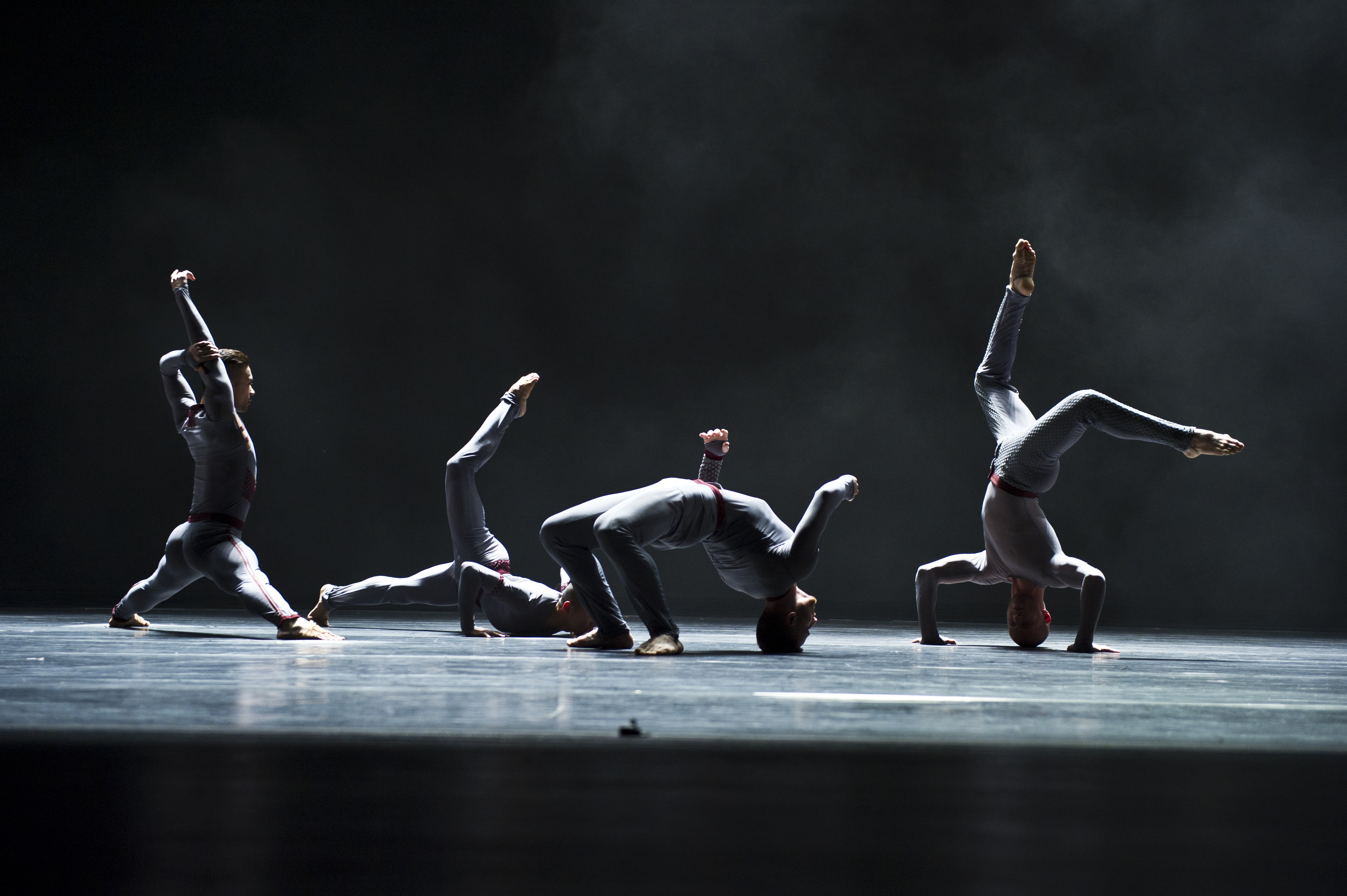
Cedar Lake will present world premiere of Andonis Foniadakis’s HORIZONS as part of Joyce season (photo by Paula Lobo)
Joyce Theater
175 Eighth Ave. at 19th St.
May 7-12, $10-$59
212-645-2904
www.joyce.org
www.cedarlakedance.com
The supremely talented Cedar Lake Contemporary Ballet is celebrating its tenth anniversary with three wide-ranging works at the Joyce from May 7 to 12. The strong, highly physical company, led by artistic director Benoit-Swan Pouffer, ballet master Alexandra Damiani, and spectacular dancer Jason Kittelberger, will present the New York premiere of Jiří Kylián’s Indigo Rose, which the Dutch choreographer originally created for the twentieth anniversary of Nederlands Dans Theater 2 in 1998; the piece includes a long sheet that casts shadows and silhouettes as the dancers move to music by J. S. Bach, John Cage, Robert Ashley, and others. The evening also includes the world premiere of Horizons by Greek dancer and choreographer Andonis Foniadakis, which examines the personal and the public, action and reaction, with a score by composer and visual artist Julien Tarride. And the company looks back at its past with Canadian choreographer Crystal Pite’s Ten Duets on a Theme of Rescue, a 2008 piece in which five dancers rotate into ten duets that examine the theme of rescue through movement, visuals, music, and narrative. There will be a Dance Chat with members of the company after the May 8 show, a Joyce Pre-Show discussion led by Susan Thomasson prior to the May 9 performance, and Joris Jan Bos will lead a DANY Master Class (open level, $15) on May 10 at 10:00 am. Cedar Lake, which is based in a warehouse-like space on Twenty-Sixth St. in Chelsea, rarely fails to thrill, combining inventive staging with amazingly athletic dancers, highlighted by Kittelberger along with Jon Bond, Acacia Schachte, and Nickemil Concepcion.
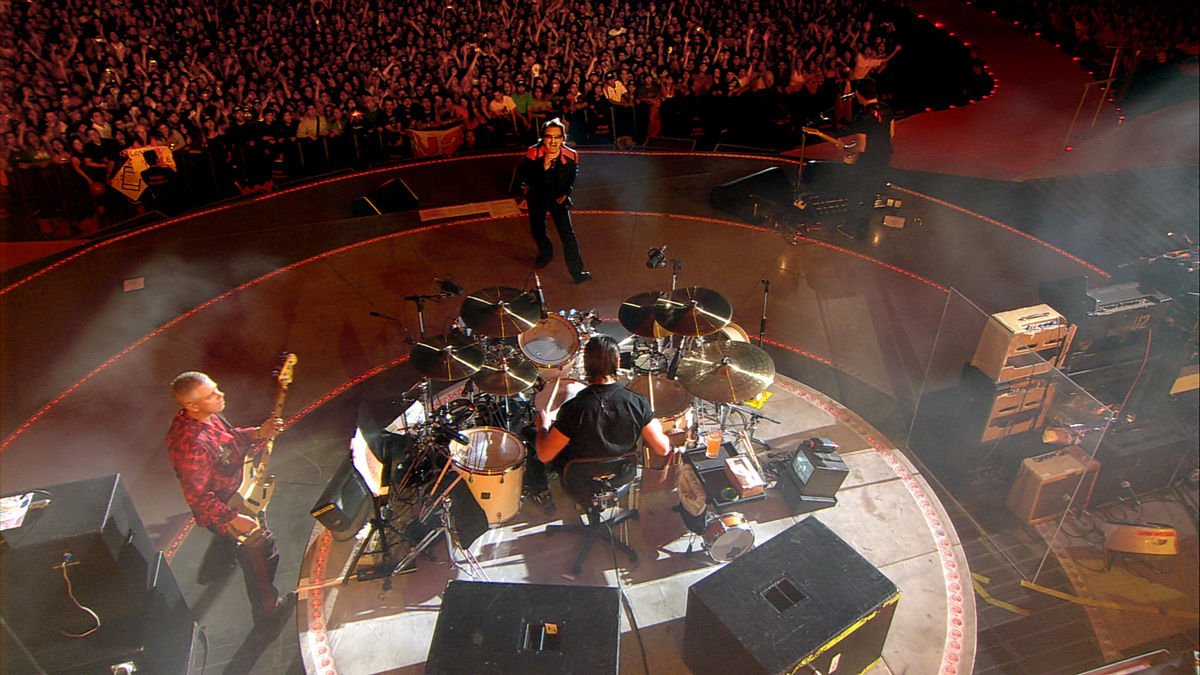
 When we caught U2’s Vertigo Tour at the Garden in June 2006, we were up in the rafters, looking down at tiny dots that just happened to be drummer Larry Mullen Jr., bass player Adam Clayton, guitarist the Edge, and singer Bono. But the World’s Most Important Band is front and center for everyone to see in U2 3D, the first-ever full-length film shot in Digital 3-D, directed by Catherine Owens and Mark Pellington. Using as many as eighteen specially equipped digital cameras and recording decks, Owens, who has been U2’s visual content director since ZooTV, captures the Irish band during stadium shows in South America and Mexico, focusing on the March 1-2 concerts at Estadio la Plata in Buenos Aires. The new technology, previously used for sporting events, has a fascinating layered effect that sucks in viewers — yes, who are wearing special glasses (not unlike the specs Bono used to wear as the Fly) — placing them right in the middle of the action as the band powers through an exultant setlist that, if not quite ideal, includes “Vertigo,” “New Year’s Day,” and “Pride (In the Name of Love).” You can’t help but reach out for Bono as he seemingly jumps out of the screen while singing “Touch me” during “Beautiful Day,” and then you’ll swear he’s reaching out only to you when he stares into the camera during “Sunday Bloody Sunday” and promises to “wipe your tears away.” And when tens of thousands of fans all bop up and down in unison to “Where the Streets Have No Name,” forming a propulsive wave, you’ll feel a rush beneath your seat that moves up into your gut. Owens and Pellington (Arlington Road) incorporate the band’s hypertextual stage show into the new format, as digitized figures, words, symbols, and letters from the large screens behind the band seem to float right in front of your face. The concert footage is supplemented with extreme close-ups shot onstage without an audience, and the energy level severely drops at these times, although Mullen’s drum kit looks amazing in 3-D. As straight-ahead concert movies go, U2 3D is among the best ever made, a unique theatrical experience that will blow you away. U2 3D is screening in Dolby Digital 3-D at the Museum of the Moving Image on May 7 at 7:00 as part of the series “Play This Movie Loud!” and “Sonos and VEVO Present: The Director’s Studio” and will be preceded by a discussion with Pellington and chief curator David Schwartz.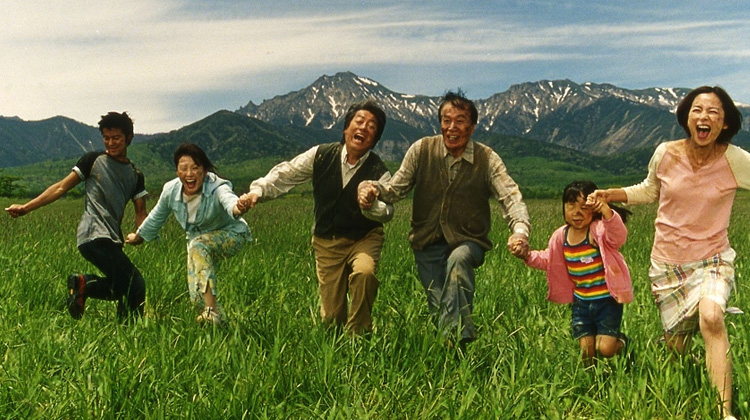
 Japanese genre king Takashi Miike, who has made more than one hundred films in his twenty-two-year career, outdoes himself in The Happiness of the Katakuris, an endlessly inventive tale of the Katakuris, a family that moves to the middle of nowhere to run a country inn. The only problem is that when guests finally arrive, they all end up dead — in bizarre, ridiculous ways — and the father decides to bury them instead of reporting the incidents, in order to protect the inn and the family’s future. Miike (Ichi The Killer, Audition, Thirteen Assassins) masterfully mixes comedy, romance, Claymation, music, murder, and mayhem in this enormously entertaining and highly original movie that is filled with a never-ending bag of surprises. The Happiness of the Katakuris is screening in a 35mm print May 7 at 8:15 as part of the IFC Center series “The Modern School of Film” and will be followed by a discussion with Brooklyn-based choreographer Mark Morris; the series continues May 9 with John M. Stahl’s 1945 melodrama Leave Her to Heaven, with Neil LaBute on hand to talk about it, May 13 with Andrei Tarkovsky’s The Mirror and Bill T. Jones, and May 28 with Vittorio De Sica’s Miracle in Milan and Laurie Anderson.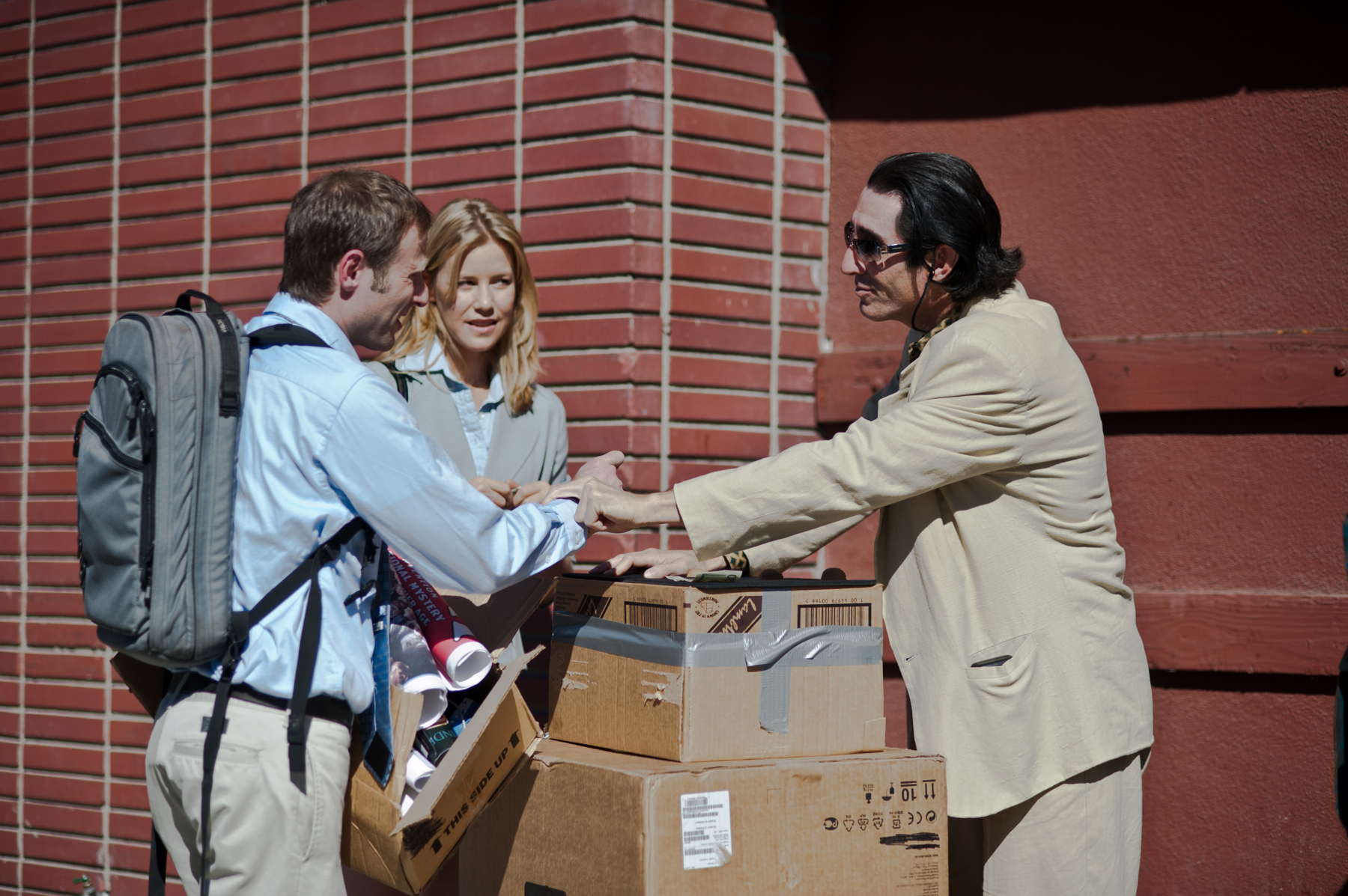
 Tammy Caplan and Joe Tyler Gold’s Desperate Acts of Magic is an amateurish if well-meaning vanity project that is desperately in need of actors who can do magic and magicians who can act. Gold who wrote the film, inspired by his own experiences, and produced and edited it with Caplan, stars as Jason Kant, a magician trying to make it in the business, following in the footsteps of his childhood magic camp friend Steve Kramer (Jonathan Levit), who gets all the good gigs and hot women. After being swindled by the beautiful Stacy Dietz (Valerie Dillman), Jason discovers that she is a magician as well, and the two decide to start working on an act for an important magic contest. But Stacey turns out to be wild and unpredictable, so Jason teams up with groupie Ellen Taylor (Sascha Alexander) instead, which leads to a whole set of different problems as the contest approaches. Unfortunately, none of the magic in Desperate Acts of Magic, all of which was done for real, with no camera tricks, is very interesting. It might be cool to insiders, but it all seems like standard card, coin, and flower tricks to the less initiated; the movie mentions such superstars as David Copperfield, David Blaine, Criss Angel, and Penn & Teller, but all of the magic in the film is of supremely lower scale. Gold and Caplan, who plays Brenda, also have an agenda that gets tiresome, promoting the idea that women should be more than just assistants but equals to men in the business, especially when it comes to being the main magician. (The production notes stress that this is essentially the third movie in history to feature a female magician.) Gold gives his character the last name “Kant,” perhaps a reference to philosopher Immanuel Kant or even Kant Magic Shop, but it probably should have been spelled “Cant.” The lone saving grace is Dillman, who is excellent as the deeply troubled Stacey, but otherwise Desperate Acts of Magic pulls no rabbits out of any hats. The film opens at the Quad on May 3, with Gold, Caplan, and Dillman participating in Q&As following various screenings on Friday, Saturday, and Sunday.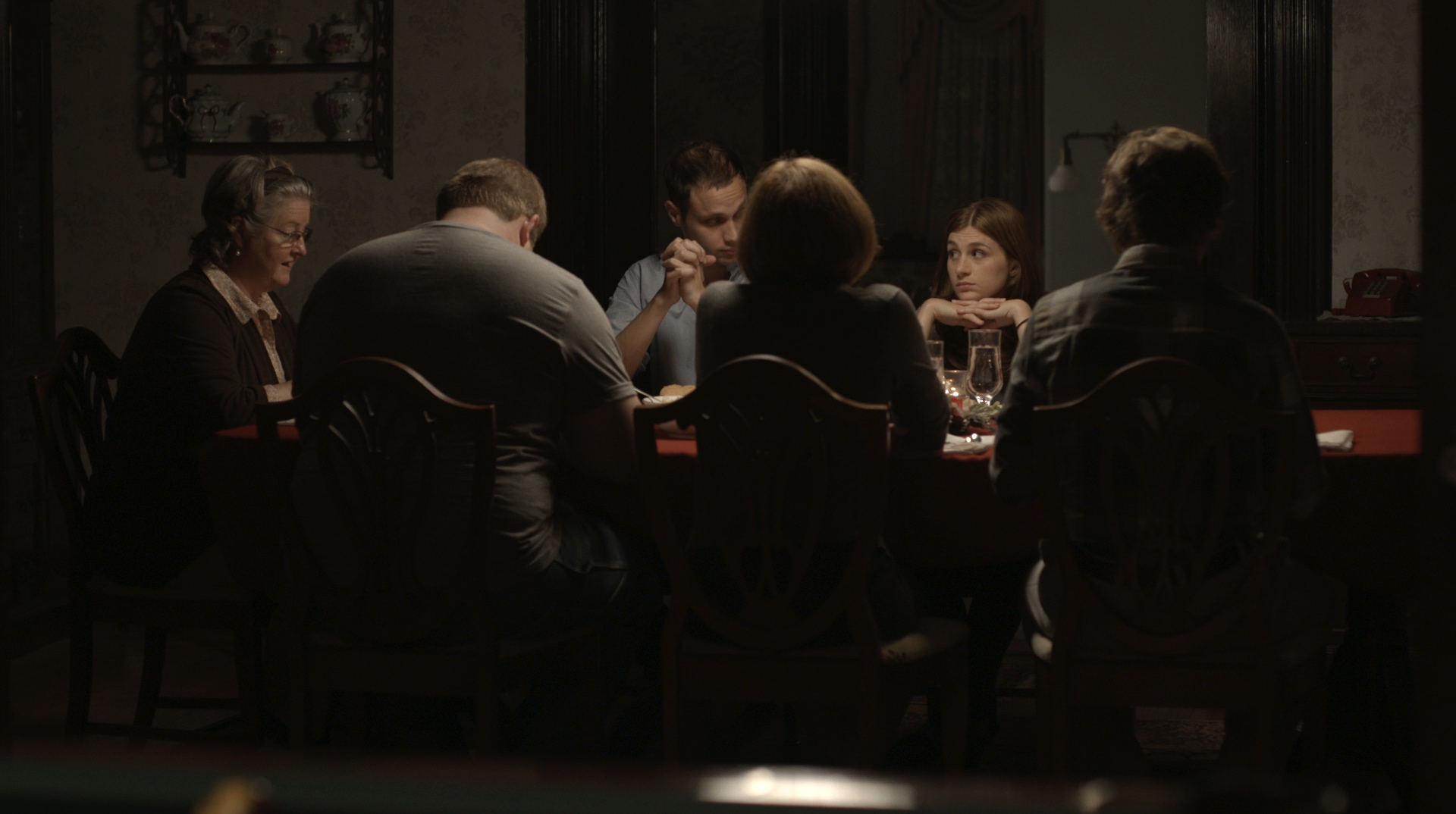

 If director Ryan Gielen’s Turtle Hill, Brooklyn feels real, that’s because it was written and produced by real-life partners Brian W. Seibert and Ricardo Valdez, who star as on-screen couple Will (Seibert) and Mateo (Valdez), and takes place in their Sunset Park apartment, in a neighborhood they have redubbed “Turtle Hill” for this gentle, understated slice-of-life drama. It’s Will’s thirtieth birthday, and Mateo is getting ready to throw a big party in their backyard patio. But when Will’s sister unexpectedly shows up early in the morning and suddenly discovers that her brother is gay — and is clearly not okay with that kind of lifestyle — Will and Mateo start examining themselves and their relationship as friends start arriving for the celebration, where there’s lots of food and drink as well as discussions about politics, same-sex marriage, immigration, drugs, discrimination, and America itself, none of which comes off as pedantic. Things, however, threaten to become volatile when a gym trainer stops by, exciting Will and unnerving Mateo. Shot with a handheld camera by Andrew Tank Rivara, the film invites the audience into the party, as if they are guests as well, surrounded by friends and family. (Indeed, many of the guests are friends of Seibert and Valdez’s.) It’s a welcoming atmosphere filled with believable situations and characters, even though Seibert and Valdez have explained that the plot is not autobiographical. And the film avoids the potential pitfalls of pushing a gay agenda by simply allowing the story to play out organically, resulting in an involving tale about two people in love, facing a pivotal moment in their lives together. A film festival hit across the country, Turtle Hill, Brooklyn, which won the Audience Award for Best Narrative Feature at 2011’s NewFest, opens May 3 at the Quad, with Gielen, Seibert, and Valdez participating in Q&As following the 7:00 and 9:00 screenings on Friday and Saturday.