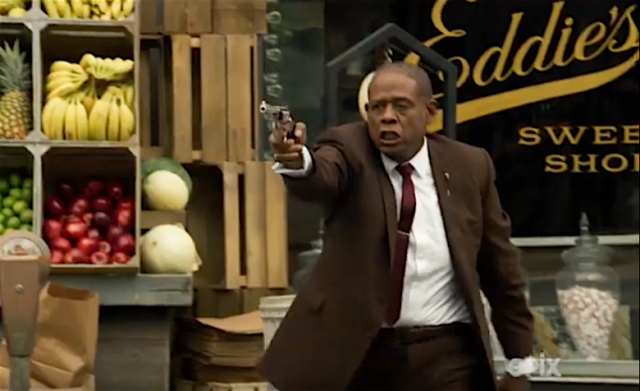
Forest Whitaker will be at the Tribeca TV Festival this week to talk about his new show, Godfather of Harlem
Regal Cinemas Battery Park
260 West 23rd St at Eighth Ave.
September 12-15, $30
tribecafilm.com
The third annual Tribeca TV Festival, brought to you by the folks behind the Tribeca Film Festival, takes place September 12-15 at Regal Cinemas Battery Park, offering four days of new shows, season premieres, a musical finale, and a tribute to a 1990s classic. This year’s offerings come from a wide array of providers — CBS, Apple TV+, BET+, EPIX, Amazon Prime, the CW, STARZ, HULU, Freeform, and HBO — and feature appearances by James Spader, Whoopi Goldberg, Steven Soderbergh, Jill Soloway, Mark and Jay Duplass, Hailee Steinfeld, John Green, Jane Krakowski, Dennis Quaid, Judith Light, Billy Bob Thornton, Pam Grier, Forest Whitaker, Lake Bell, Ahmir “Questlove” Thompson, and Christine Lahti, among others. Tickets to all events are $30; screenings will be followed by discussions moderated by writers from TV Guide, Vulture, the New Yorker, Entertainment Weekly, and other pop-culture purveyors.
Thursday, September 12
Tribeca Talks: James Spader with Whoopi Goldberg, Regal 11, 6:00
Godfather of Harlem: New Series World Premiere, with Chris Brancato, Paul Eckstein, Ilfenesh Hadera, and Forest Whitaker, moderated by Jelani Cobb, Regal 5, 6:30
Room 104: Season 3 World Premiere, with Mark Duplass and Sydney Fleischmann, moderated by Jen Chaney, Regal 11, 8:00
First Wives Club: Special Screening, with Tracy Oliver, Michelle Buteau, Ryan Michelle Bathe, and RonReaco Lee, moderated by Breanne Heldman, Regal 5, 9:00
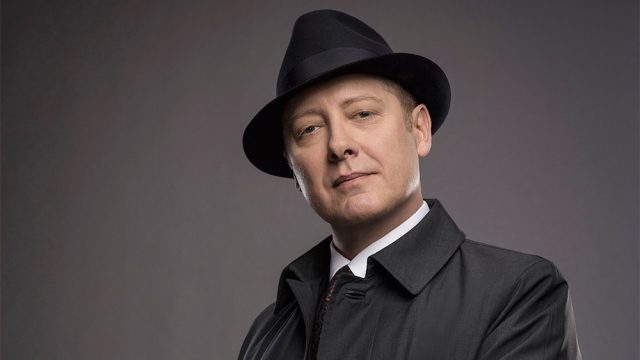
James Spader will sit down with Whoopi Goldberg to talk about The Blacklist and more at Tribeca TV Festival
Friday, September 13
Twenty-Fifth Anniversary Celebration of Friends: A Conversation with the Series’ Executive Producers, with David Crane, Marta Kauffman, and Kevin Bright, Regal 11, 6:00
Goliath: Season 3 World Premiere, with Lawrence Trilling, Billy Bob Thornton, Nina Arianda, Tania Raymonde, Amy Brenneman, Dennis Quaid, and Shamier Anderson, moderated by Damian Holbrook, Regal 5, 7:00
Hip Hop: The Songs that Shook America: New Series Premiere, with One9, Erik Parker, Ahmir “Questlove” Thompson, Tarik “Black Thought” Trotter, and Angie Day, moderated by Lola Ogunnaike, Regal 11, 8:15
Saturday, September 14
Katy Keene: New Series World Premiere, with Michael Grassi, Roberto Aguirre-Sacasa, Lucy Hale, Julia Chan, Jonny Beauchamp, Katherine LaNasa, Zane Holtz, Camille Hyde, Ashleigh Murray, and Lucien Laviscount, moderated by Damian Holbrook, Regal 5, 3:00
Party of Five: New Series Sneak Preview, with Amy Lippman, Chris Keyser, Michal Zebede, Brandon Larracuente, Niko Guardado, Emily Tosta, and Elle Paris Legaspi, moderated by Gio Benitez, Regal 11, 5:30
Evil: New Series Premiere, with Robert King, Michelle King, Katja Herbers, Mike Colter, Aasif Mandvi, Michael Emerson, Christine Lahti, and Kurt Fuller, moderated by Evan Real, Regal 5, 6:00
Bless This Mess: Season 2 World Premiere, with Lake Bell, Dax Shepard, and Pam Grier, Regal 11, 8:00
Dickinson: World Premiere, with Alena Smith, Hailee Steinfeld, and Jane Krakowski, Regal 5, 8:30
Sunday, September 15
Looking for Alaska: New Series World Premiere, with John Green, Josh Schwartz, Stephanie Savage, Charlie Plummer, Kristine Froseth, Denny Love, and Jay Lee, moderated by Kathryn VanArendonk, Regal 11, 2:30
Tribeca Talks: Hasan Minhaj, Regal 5, 4:00
Leavenworth: New Series World Premiere, with Steven Soderbergh, Paul Pawlowski, Mike McGuiness, David Philipps, and John Maher, Regal 11, 5:30
Closing Night: Transparent — Series Musical Finale, with Jill Soloway, Faith Soloway, Judith Light, Jay Duplass, Alexandra Billings, and Shakina Nayfack, Regal 5, 6:00


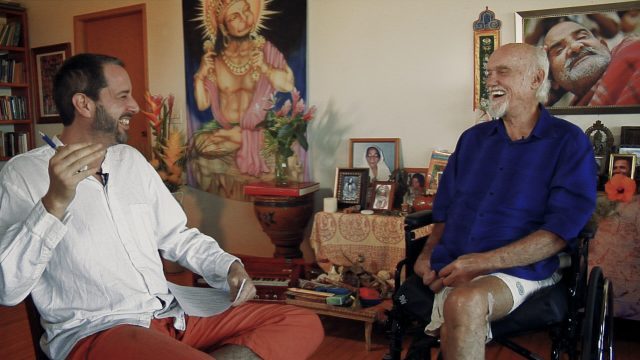
 Jamie Catto’s worshipful documentary Becoming Nobody is more like an infomercial for spiritual teacher Ram Dass than a fully fledged story about the man himself. The eighty-minute film, having its US theatrical release at the Rubin Museum beginning September 6, primarily consists of archival footage of the former Dr. Richard Alpert, who changed his name and the direction of his life after taking psilocybin with Timothy Leary and meeting Neem Karoli Baba, or Maharaj-ji, who would become his guru. Catto, who has studied extensively with Ram Dass for more than twenty years, traveled to Maui to speak with Ram Dass in his home; snippets of their talk are interwoven with long clips of Ram Dass teaching throughout the years, old family photos and home movies, supposedly related cartoons, text such as “Treat everyone you meet like God in drag,” and what appears to be B-roll stock footage of pleasant, entertaining scenes of two dogs playing as a young woman meditates and of an elderly woman feeding birds in London. None of the footage is identified, so you won’t always be able to tell which show Ram Dass and his family and which portray just random people.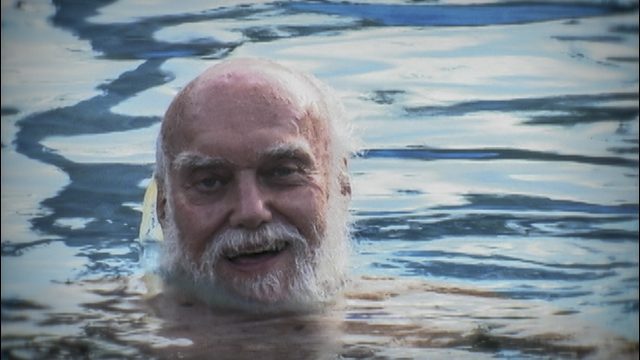
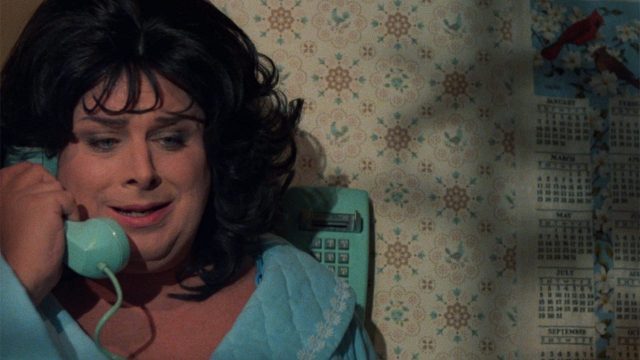
 Camp champ John Waters will be at IFC Center on September 5 for a Q&A and extended introduction at two screenings of a new 4K restoration of his cult classic suburban satire Polyester, joined by costar Ken King, who plays Baltimore Foot Stomper Dexter Fishpaw. The crudely rambunctious film follows the misadventures of the Job-like Francine Fishpaw, ravishingly portrayed by drag queen extraordinaire Divine. Her God-fearing life takes a bitter turn when she catches her nasty, demanding husband, porn purveyor Elmer (David Samson), with his sexpot secretary, Sandra Sullivan (Mink Stole). Her status in the community, so precious to her, is ruined as she becomes an alcoholic, unable to rein in her wildly promiscuous daughter, Lu-Lu (Mary Garlington) — who has the hots for bad boy Bo-Bo Belsinger, played by Dead Boys frontman Stiv Bators!! — or her inhalant-abusing foot-fetishist son. She also receives no emotional or financial support from her skunk of a mother, La Rue (Joni Ruth White). The only one who stands by her is her ultra-strange, simple-minded bestie, the Baby Jane-like although kindhearted Cuddles Kovinsky (Edith Massey), but she finds a glimmer of hope in a handsome hunk of a he-man (Hollywood heartthrob Tab Hunter!!) who tantalizingly keeps showing up on her radar in a flashy white sports car, like Suzanne Somers does to Richard Dreyfuss in American Graffiti.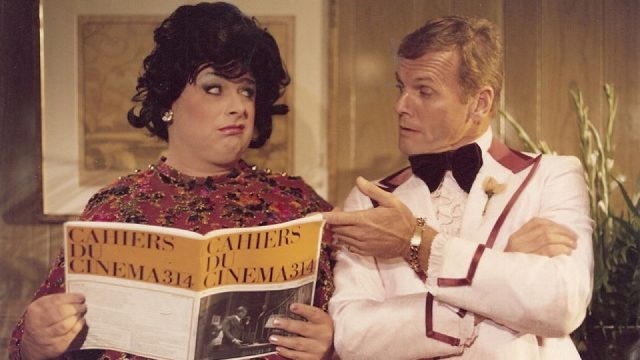

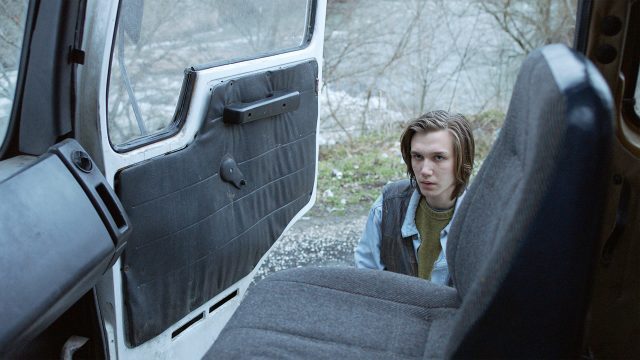
 Eight years in the making, Ognjen Glavonić’s narrative feature debut, The Load, is a tense, gripping drama set amid the NATO bombings during the Kosovo war in Yugoslavia in 1999. After the factory where he worked closes down, Vlada Stefanovic (Leon Lučev) takes a job driving a truck from the countryside to Belgrade. The mission is reminiscent of the ones in Henri-Georges Clouzot’s The Wages of Fear and William Friedkin’s underrated remake,