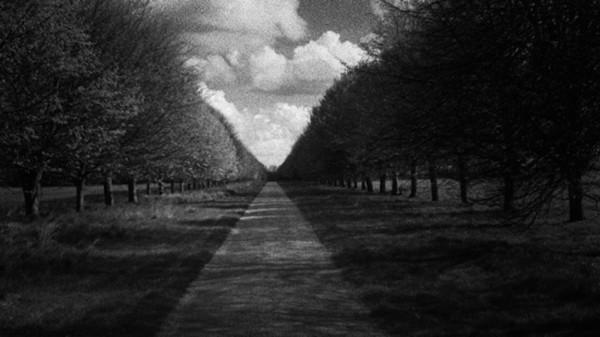
Grant Gee follows in the footsteps of W. G. Sebald in PATIENCE
PATIENCE (AFTER SEBALD) (Grant Gee, 2011)
Film Society of Lincoln Center, Walter Reade Theater
165 West 65th St. at Amsterdam Ave.
Sunday, October 2, $20, 3:30
Festival runs September 30 – October 16
212-875-5601
www.filmlinc.com
 British director Grant Gee, who has previously made such music documentaries as Meeting People Is Easy (about Radiohead), Demon Days: Live at the Manchester Opera House (with Gorillaz), and Joy Division, takes off on a more literary journey with Patience (After Sebald). Commissioned to examine a written work of fiction or nonfiction, Gee chose to delve into W. G. Maximilian Sebald’s highly influential 1995 book, The Rings of Saturn, about a character named W. G. Sebald who goes on a walk through Suffolk in East Anglia, veering off in his mind in all directions, waxing poetic on history, geography, life, death, literature, and other subjects. “In August 1992,” Sebald begins in the existential travelogue, “when the dog days were drawing to an end, I set off to walk the county of Suffolk, in the hope of dispelling the emptiness that takes hold of me whenever I have completed a long stint of work.” In the film, Gee includes shots of his own feet as he follows Sebald’s path, along with archival footage that relates to the book itself as such writers, artists, and cultural critics as Rick Moody, Tacita Dean, Ian Sinclair, Marina Warner, Adam Phillips, Andrew Motion, and Robert McFarlane talk about Sebald, who died in 2001 at the age of fifty-seven, and the importance of the hard-to-define Rings. To match the older footage, Gee shot much of the new material in a hazy, grainy black and white, with the talking heads occasionally appearing on camera almost in the background. The film includes fascinating snippets of a rare radio interview with Sebald in addition to a narrator reading sections from the book, both of which end up being far more interesting than what many of the other contributors have to say. Reminiscent of Patrick Keiller’s Robinson in Ruins, Robinson in Space, and London, Gee’s Patience fetishizes its subject but lacks the visual and aural poetry of those works, with the walk becoming somewhat tiresome until its offbeat surprise ending. As on most trips, there are beautiful moments, engaging digressions, and gorgeous landscapes to linger over, but they grow fewer and farther between as the story unfolds. Although it’s not necessary to have read the book in order to follow Gee’s wanderings, it would probably help.
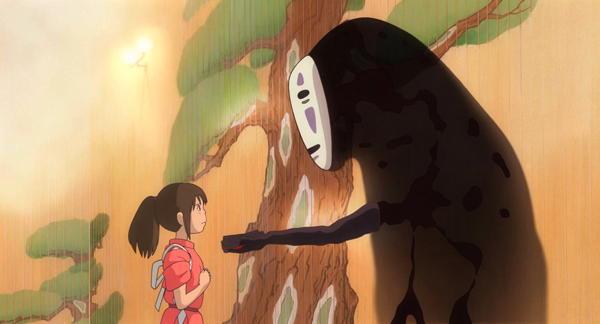
 Prepare to have your spirits lifted up and away in this sensational animated feature from Japanese anime master Hayao Miyazaki. Ten-year-old Chihiro is unhappy about moving to a new home despite her parents’ best efforts to convince her otherwise. When her father takes a wrong turn on the road, the family ends up in an oddly deserted village that ten-year-old Chihiro soon finds out is a lot more than it seems. Chihiro’s adventures through this dreamlike, surreal, magical place filled with bizarre characters and evil beings are unforgettable, with nuances and references from such diverse works as The Wizard Of Oz and The Seventh Seal. The sheer visual beauty of the animation is staggering; many of the backgrounds are reminiscent of Impressionism. The film includes the voice talents of Daveigh Chase (Chihiro), Jason Marsden (Haku), Susan Egan (Lin), Michael Chiklis (Chihiro’s father), Lauren Holly (Chihiro’s mother), Suzanne Pleshette (Yubaba and Zeniba), John Ratzenberger (assistant manager), David Ogden Stiers (Kamaji), and Tara Strong (baby Boh). Joe Hisaishi’s maudlin music is way overpraised, as usual, but this Japanese box-office champ deservedly won the Golden Bear at the Berlin International Film Festival and was named Best Asian Film at the Hong Kong Film Awards. Miyazaki and Studio Ghibli have also made such adult-friendly animated treasures as Nausicaä of the Valley of the Wind (1984), Castle in the Sky (1986), My Neighbor Totoro (1988), Kiki’s Dleivery Service (1989), and Porco Rosso (1992). Spirited Away is having two special screenings at the New York Film Festival this year in honor of the marvelous fairy tale’s tenth anniversary; if you’ve never seen it, the big screen is definitely the way to go.