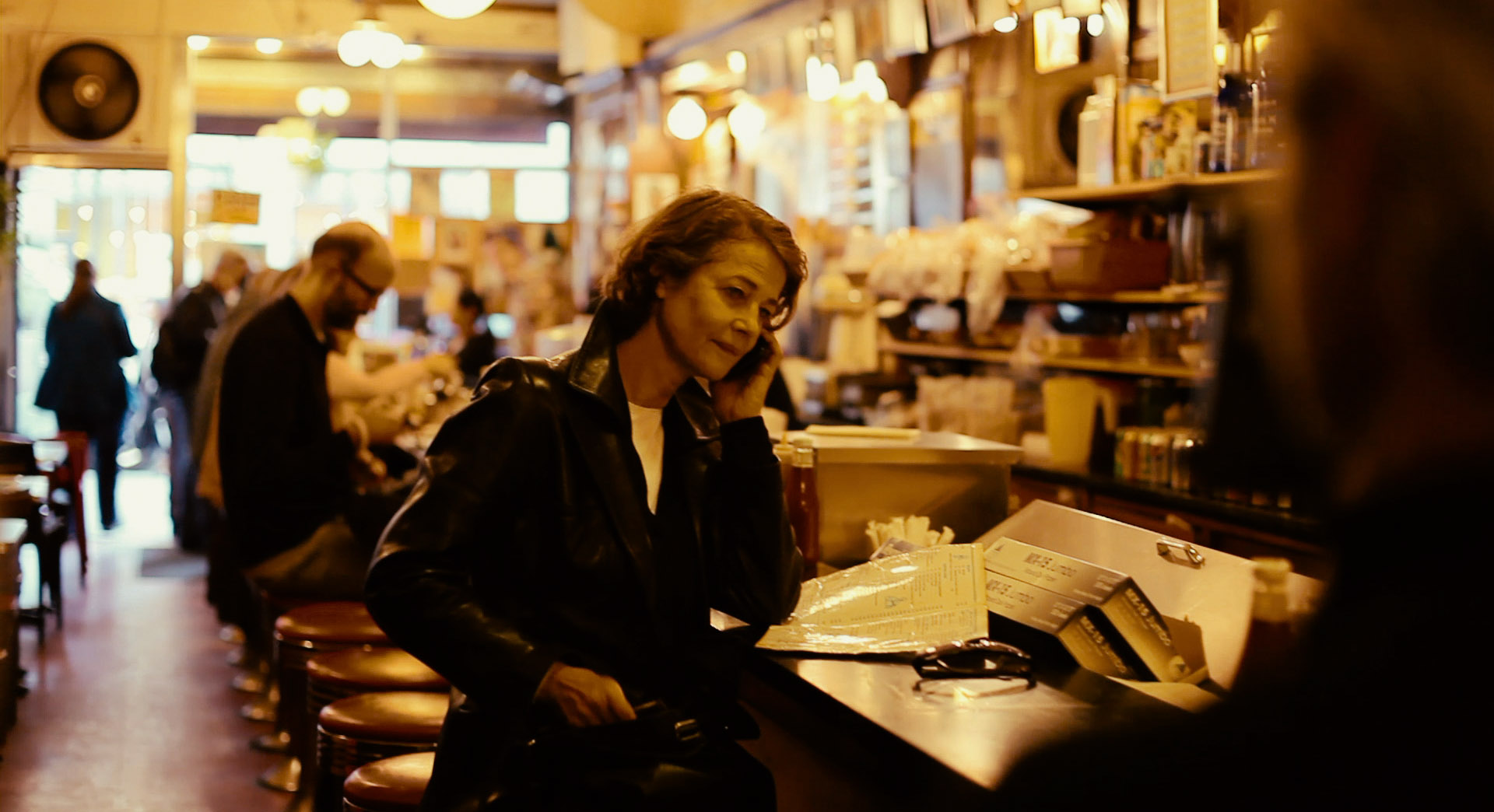
Charlotte Rampling makes a stop at Eisenberg’s in charming documentary (photo © Angela Maccarone)
CHARLOTTE RAMPLING: THE LOOK (Angelina Maccarone, 2011)
IFC Center
323 Sixth Ave. at West Third St.
Thursday, November 3, $20, 7:00
212-924-7771
www.ifccenter.com
www.kinolorber.com
www.docnyc.net
 Born in Sussex in 1946, model and actress Charlotte Rampling has made more than eighty films in her highly distinguished five-decade career, carefully choosing intelligent, challenging projects, never resting on her many laurels. As gorgeous as ever in her mid-sixties and well known for appearing nude in numerous films, some as recent as just a few years ago, Rampling’s most striking feature is not necessarily her body, her high cheekbones, her bare feet, or her dark hair. Instead it is the Look, the strong, powerfully emotional gaze that can hit you from all sides — it can terrify you as well as melt you, making you fall in love with her over and over again. Angelina Maccarone’s unusual but fascinating documentary Charlotte Rampling: The Look begins by focusing on that look, as seen in Woody Allen’s Stardust Memories and portraits taken by Peter Lindbergh. In a section titled “Exposure,” Lindbergh and Rampling talk about the photo sessions they had together, two old friends informally reminiscing about the good old days, never hesitating to make sly cracks about their current age. It’s a wonderfully intimate way to start this unique biography of Rampling, subtitled “a self portrait through others,” one that never delves into her personal life, her two marriages, her children, her ups and downs, her parents — instead, Maccarone divides the film into nine parts, each one concentrating on a specific film and most of them pairing Rampling with a friend, a member of her family, or someone she has worked with. For “Age,” Rampling goes for a ride on a tugboat with author Paul Auster, with clips from Luchino Visconti’s The Damned. In “Resonance,” Rampling sits in a boxing ring with her son, director Barnaby Southcombe, supplemented by scenes from Silvio Narizzano’s Georgy Girl. Things get rather risqué as Rampling is joined by photographer Juergen Teller to discuss “Taboo” and Liliana Cavani’s The Night Porter. The topic turns to “Death” as Rampling visits painter Anthony Palliser, along with clips from François Ozon’s moving Under the Sand. Maccarone slyly adds one last section, ending not with “Death” but with “Love,” and even then she avoids the obvious, teaming Rampling with Cynthia and Joy Fleury and showing scenes from Nagisa Oshima’s Max, My Love, in which Rampling falls for a chimpanzee. Through it all, Rampling is neither egotistical nor self-effacing, as she travels from London and Paris to Times Square and Coney Island, speaking poignantly and intelligently — and with a wry sense of humor — about her philosophy of life and the meaning of her career, never becoming didactic, pedantic, or vain. Charlotte Rampling: The Look is a lovely portrait of a beautiful, successful woman who isn’t afraid to look back at where she’s been — and look ahead to where she’s going. Charlotte Rampling: The Look is screening November 3 at 7:00 as part of the Special Events section of the Doc NYC festival, which continues at the IFC Center through November 10; director Maccarone and star/subject Rampling are expected to attend. The film opens theatrically on Friday at Cinema Village and Lincoln Plaza Cinema.
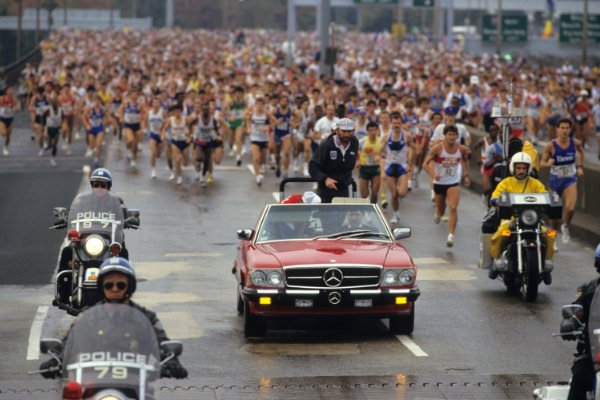
 Run for Your Life tells the remarkable story of Fischl Leibowitz, better known to the world as Fred Lebow. At the age of fourteen, Lebow left his home in Romania and eventually immigrated to the United States. In the late 1960s, he became obsessed with running, at the time a strange form of exercise practiced by very few New Yorkers. But soon Lebow was organizing events such as the Cherry Tree Marathon through the Bronx in 1969 and the Central Park Marathon, leading to the first-ever five-borough New York City Marathon in 1976, a race that many believe helped lead the city through its financial, crime-filled crisis. Through archival footage, news reports, photos, and new interviews with Lebow’s friends, family, and colleagues, a fascinating picture emerges of a driven visionary who was a masterful manipulator and negotiator, a man ahead of his time with regard to marketing and sponsorship. Among the people who share their memories of Lebow are marathoners Bill Rodgers, Frank Shorter, and Greta Waitz, former mayor Ed Koch, parks commissioners Henry Stern and Gordon Davis, past presidents and board members of the New York Road Runners Club, and his sister, who makes latkes for filmmaker Judd Ehrlich. Lebow was one of the all-time great New York characters, forever wearing a painter’s cap and sweatsuit, doing whatever was necessary to get himself and his sport to the next level. The ending is both exhilarating and heartbreaking. With the New York City Marathon scheduled for November 6, Run for Your Life, which was a highlight of the 2008 Tribeca Film Festival, will have a special screening at the Brooklyn Museum on November 3, followed by a Q&A with Ehrlich and other special guests.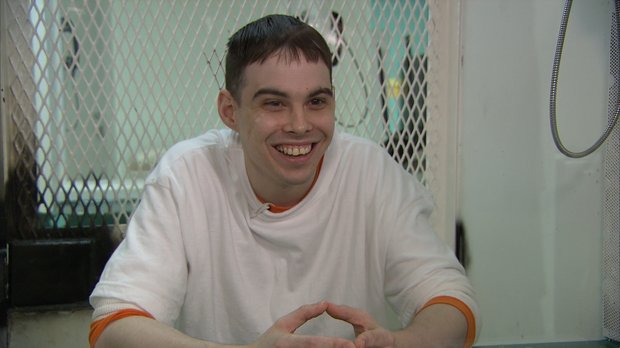
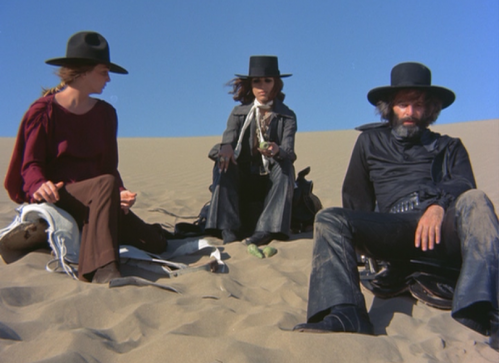
 Chilean-born Mexican filmmaker Alejandro Jodorowsky’s El Topo is a psychedelic head trip, an acid Western that will blow your mind. Jodorowsky stars as the title character, a gunslinger traveling through a deserted landscape accompanied by his naked young son, who already knows his way around a firearm. After coming upon a town that has been decimated by a nasty group of marauders working for the Colonel, El Topo seeks violent revenge, eventually taking off with a woman and leaving his boy behind as he meets four masters on his path to proving he is the best there is. But soon El Topo is praying for redemption with a community of inbred cripples trapped in a cave. El Topo is a wild and bizarre journey through religious imagery, romance, and vengeance, a surreal spaghetti Western strained through the mad mind of Jodorowsky, widely hailed as the creator of the midnight movie. The film melds Bergman with Leone, Tod Browning’s Freaks with Hiroshi Inagaki’s Samurai Trilogy, filtered through Kazuo Koike and Goseki Kojima’s Lone Wolf and Cub. It’s like nothing you’ve ever seen before and, despite your better instincts, will lure you into the cult of Jodorowsky. El Topo is screening on All Saints’ Day at Lincoln Center, introduced by Jodorowsky and followed by a conversation with outgoing Film Society program director Richard Peña; the night before, Jodorowsky will be at MoMA to introduce a screening of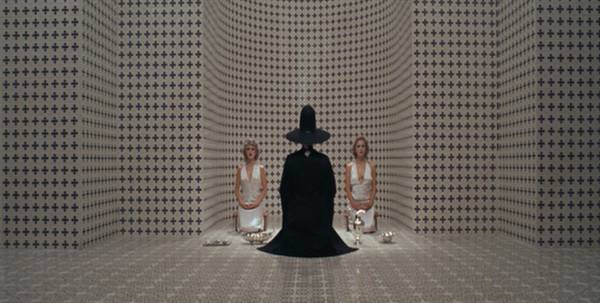
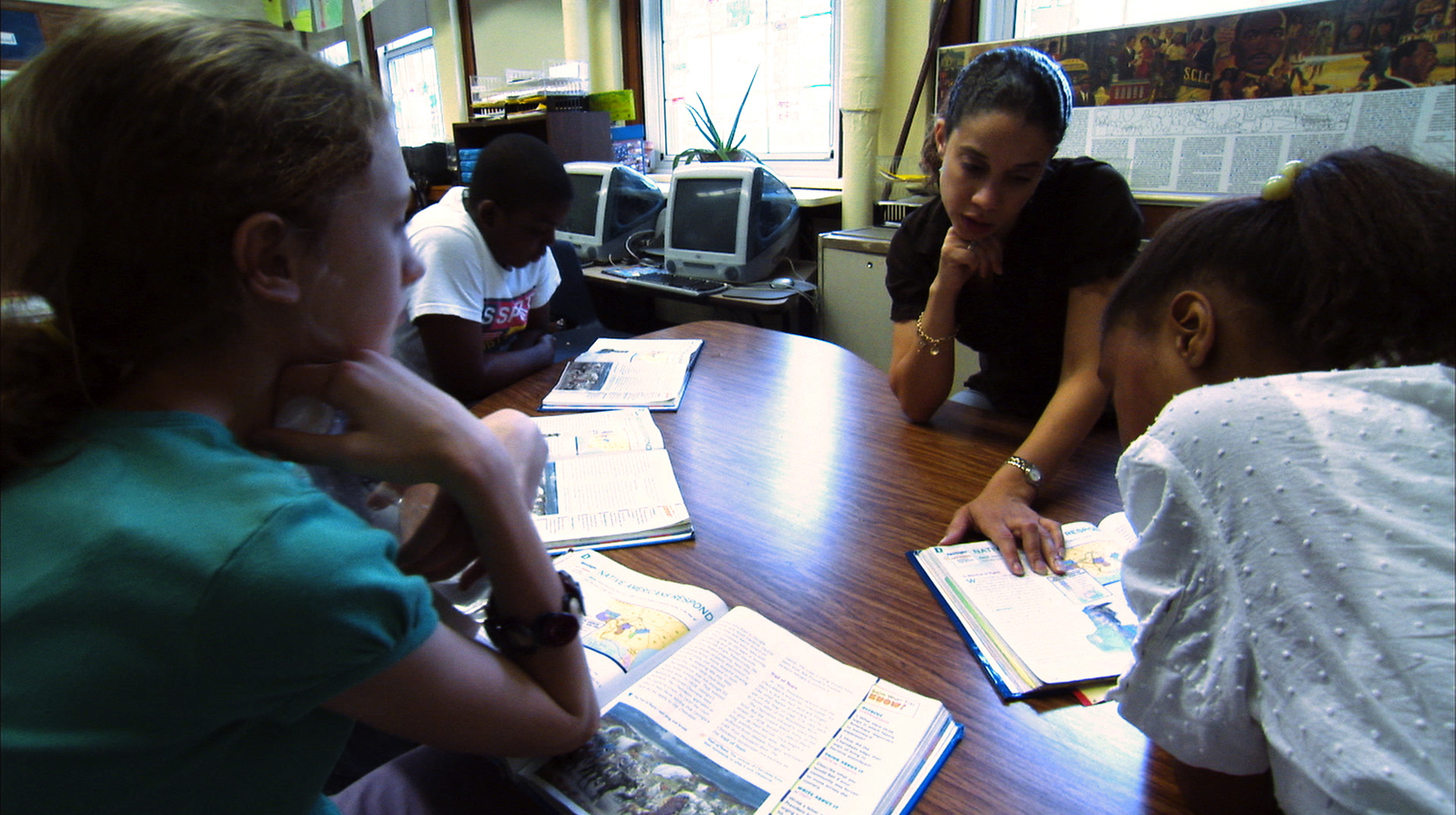
 “It’s the best job in the world, no comparison,” Jonathan Dearman says in American Teacher, Vanessa Roth’s eye-opening documentary about the sorry treatment of teachers in the United States today. Based on the book Teachers Have It Easy: The Big Sacrifices and Small Salaries of America’s Teachers (New Press, 2005) by Dave Eggers, Daniel Moulthrop, and Nínive Clements Calegari, the eighty-one-minute film looks at the surprising lack of status, salary, respect, and training afforded what is considered in other countries the most important profession by examining the cases of four current or former American teachers, dedicated men and women who are born educators but who have been deeply affected by a seriously flawed system. Texas history professor and sports coach Erik Benner sees his marriage fall apart as he works two jobs to help support his wife and two daughters. Brooklynite Jamie Fidler is following in her father’s footsteps as a teacher, but her pregnancy complicates her future in part by revealing the relatively poor health benefits. Maplewood’s Rhena Jasey is a Harvard grad with two masters degrees from Columbia who is considering leaving the kids she loves so much for a Washington Heights charter school that pays a far more substantial salary. And Dearman, a beloved San Francisco educator, turns to the family real estate business when teaching just can’t pay the bills. Part of the nonprofit Teacher Salary Project, American Teacher is at its best when it shows the teachers in the classroom and talking about what they love about their job, but when it focuses on the many negatives, it feels too much like a telethon, as if a crawl should be running across the bottom of the screen soliciting donations. The film includes numerous statistics involving turnover rates, the declining number of men in the industry, and, of course, various financial figures, dryly narrated by Matt Damon. In addition to following around the four protagonists, Roth speaks with students and their parents, superintendents, principals, professors, and other industry professionals who want to see the system changed. Interestingly, one word that never comes up is “union,” which is often at the center of any discussion about the state of education in America. Although it can pull too much at the heartstrings while stating the obvious, American Teacher is an important documentary that makes a strong case for the United States to fix this growing problem, and fast. The film is screening twice on October 30 as part of the Thalia Film Sundays series at Symphony Space, with Roth participating in a Q&A following the 6:15 show.