Documentary looks at the complex relationship between a father and son
MY REINCARNATION (Jennifer Fox, 2010)
Cinema Village
22 East 12th St. between University Pl. & Fifth Ave.
Opens Friday, October 28
212-924-3363
www.myreincarnationfilm.com
www.cinemavillage.com
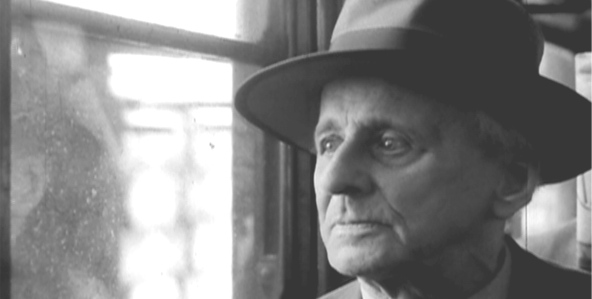
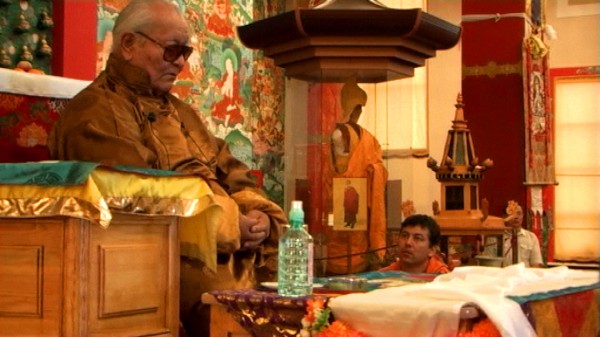
 More than twenty years in the making, Jennifer Fox’s My Reincarnation tells the fascinating story of a very unusual father-son relationship amid the modern world of tulkus, or reincarnated Tibetan lamas. World-renowned high Tibetan Buddhist Master Chögyal Namkhai Norbu travels around the world teaching meditation and Dzogchen practice. He meets with the Dalai Lama, advises students and fans, signs copies of his many books, and builds support for his beleaguered native land, Tibet. But his son, Yeshi Silvano Namkhai, who was born in 1970 in Italy (where Rinpoche Namkhai Norbu taught at university from 1964 to 1992), had no desire to follow in his father’s footsteps and instead went into the computer business, starting a family and rejecting nearly everything his father believes in — including that Yeshi might just be the reincarnation of his great-uncle, Khyentse Rinpoche Chökyi Wangchug, and so is destined for a life of service and tradition. “Everybody knows about me and nobody knows me at all,” Yeshi says about trying to establish his own identity. Father and son and the rest of the family allowed Fox remarkable access, holding nothing back as they talk about their lives and each other; Yeshi is particularly vocal about his father’s treatment of him over the years. But soon Yeshi has a change of heart, and the documentary takes an unexpected turn. Fox, who has previously made such films as Beirut: The Last Home Movie, Flying: Confessions of a Free Woman, and An American Love Story, shot more than one thousand hours of footage, which she edited down to a tight seventy-five-minutes, including archival and newsreel footage as well. As much as it is about a father and a son, My Reincarnation is also about the old vs. the new, tradition vs. modernization, private love vs. public responsibility, the spiritual vs. the technological, and, above all, familial legacy. My Reincarnation opens at Cinema Village on October 28; Fox and Yeshi will participate in several Q&As and/or introductions on October 28 and 29, with Fox also taking part in Q&As following the 7:00 screenings on November 2 and 3.
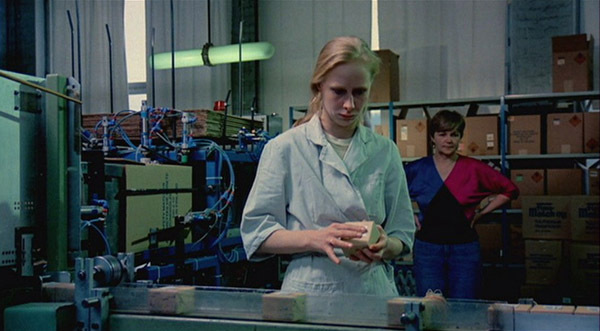
 Finnish director Aki Kaurismäki completes his conceptual Proletariat Trilogy with the bleakest, most deadpan of the three examinations of working-class life with the wickedly funny, blacker-than-black comedy The Match Factory Girl. The follow-up to 1986’s