AMERICAN HARDCORE is screening as part of the inaugural CBGB Festival
AMERICAN HARDCORE (Paul Rachman, 2006)
Landmark Sunshine Cinema
143 East Houston St. between First & Second Aves.
Thursday, July 5, $10, 4:00
212-260-7289
www.cbgb.com
www.landmarktheatres.com
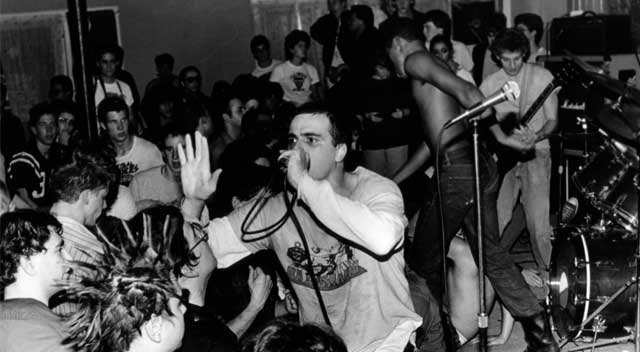
 A must-see for fans of loud, fast, angry music circa 1980-86, American Hardcore looks at one of the smaller but nonetheless influential movements in American music. A basic doc in the classic do-it-yourself sensibility that informed so much of the music scene it chronicles, American Hardcore features interviews with Henry Rollins, lead singer of Black Flag; H.R., the mercurial, difficult, but brilliant lead singer for the Bad Brains; Mike Watt of the Minutemen; and various personnel from the Circle Jerks, Minor Threat, and 7 Seconds. Tommy Stinson of the Replacements and Flea of the Red Hot Chili Peppers weigh in as well. The abundance of old concert footage is fabulous, but director Paul Rachman and writer Steve Blush discovered much of it in shoeboxes in basements during their low-budget cross-country trip while making the movie, so the overall production quality is not high ― which in some ways works better overall. The film does a good job of lovingly showing just how home-grown and amateurish the scene was and debating the importance of the scenes in Houston, Minneapolis, DC, Boston, and Southern California. The finale with a graphic artist and cover designer calling for the next generation of hardcore is a riot. American Hardcore is screening July 5 at 4:00 at Landmark Sunshine Cinema as part of the inaugural CBGB Festival and will be followed by a Q&A with Rachman and Blush. The festival runs July 5-8 at venues in Manhattan and Brooklyn and includes a bevy of concerts, film screenings, panel discussions, and other special events being held in honor of the classic Bowery club that hosted cutting-edge, alternative, punk, and indie bands from 1973 to 2006. Among the groups participating in the festival are the Dirty Pearls, Agnostic Front, Richard Llloyd, Tuff Darts, David Johansen, Glen Matlock, Tommy Ramone, Sic F*cks, Eric Ambel, Xylos, Popa Chubby, Dayna Kurtz, and Mike Peters of the Alarm, and that’s just on Thursday.

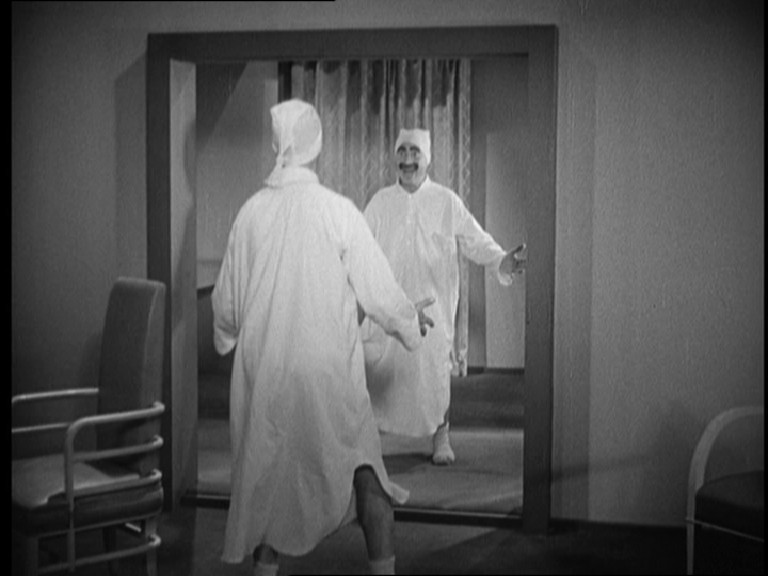
 One of the wackiest films ever made, Duck Soup stars the Marx Brothers at their absolute best. Groucho is a riot as Rufus T. Firefly, the leader of the strange little country of Freedonia, which is prepared to go to war if necessary with its neighbor Sylvania, represented by blowhard ambassador Trentino (Louis Calhern), who has designs on wealthy Freedonian philanthropist Gloria Teasdale (Margaret Dumont). Meanwhile, spies Chicolini (Chico) and Pinky (Harpo) harass a street vendor (poor Edgar Kennedy), mock Firefly in front of a pseudo-mirror, and just have a jolly old time everywhere they go. But there’s more to the film than outrageous slapstick and wild and woolly quotes; there’s some very deft criticism of politics, government, and, most of all, war. Hail, hail, Freedonia!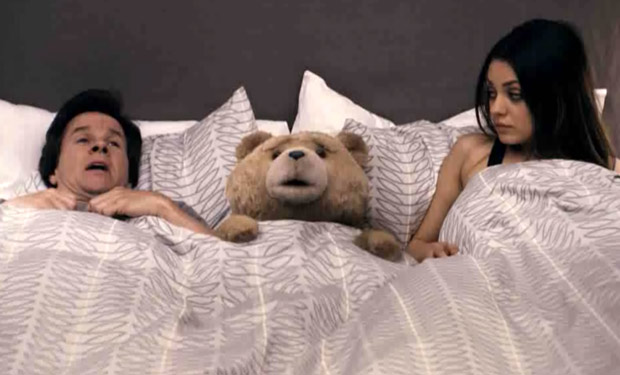
 Family Guy creator Seth MacFarlane’s first feature film, Ted, is a cuddly, foul-mouthed, raunchy delight. Mark Wahlberg stars as John Bennett, a man-child whose best friend is his teddy bear, brought to life by a Christmas wish twenty-seven years ago when John was eight. But Ted (a motion-captured MacFarlane in Peter Griffin voice) is no sugar-sweet bear; instead, the rotoscoped stuffed pervert spends his days and nights doing bong hits, inviting hookers over, and convincing John to hang out rather than pursue any kind of real career. None of this sits well with John’s longtime girlfriend, Lori (a wonderful Mila Kunis, her large, emotional eyes dominating the screen), who is growing tired of being the third wheel and is seriously considering delivering an ultimatum to John to choose between her and Ted. Meanwhile, Ted is being stalked by a creepy guy named Donny (Giovanni Ribisi) whose creepy son (Aedin Mincks) wants Ted for himself. Ted has no right to be as good as it is, and don’t be fooled by trailers that make it look like a silly one-joke comedy sketch. It turns out to be a warm, endearing story filled with heart, centered around two strong relationships that are handled with grace and charm by MacFarlane, who cowrote the surprisingly strong script with Family Guy cohorts Alec Sulkin and Wellesely Wild. Even when the film goes awry — which it does several times, particularly in a throwaway scene with Norah Jones and a tired subplot involving Lori’s boss’s (Joel McHale) annoying pursuit of her — it always rights itself, balancing comedy, romance, and tragedy with laughs and tears. The film also features American Dad Patrick Warburton as John’s macho coworker, Jessica Barth as Ted’s sexy coworker, and Patrick Stewart as the humble narrator who bookends the heartwarming tale with yet more four-letter words. And there’s a special treat for fans of Sam Jones and the 1980 cult classic Flash Gordon.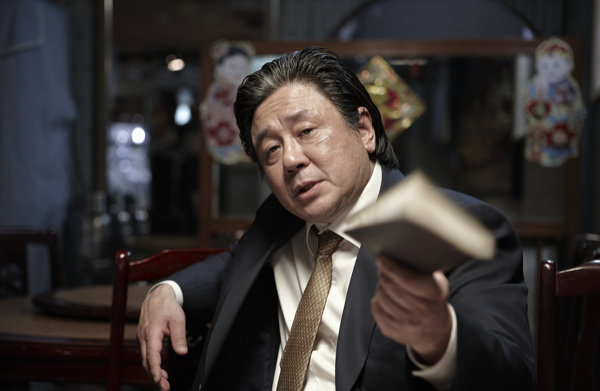
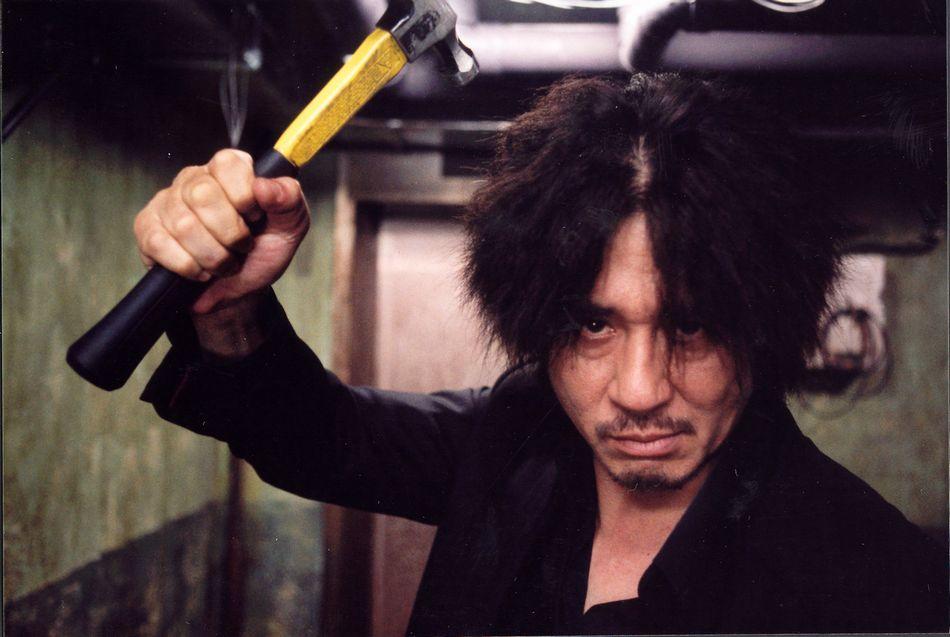
 In 1990, Roh Tae-woo, the thirteenth president of South Korea, officially declared war on organized crime. Writer-director Yun Jong-bin goes back to that dramatic period in the 2012 epic mob thriller Nameless Gangster: Rules of the Time. Korean star Choi Min-sik (Oldboy) put on a few pounds to play the roly-poly Choi Ik-hyun, a corrupt Customs inspector who soon immerses himself in Busan’s underworld culture. A goofy, pathetic figure who drinks too much and has no loyalty to anyone but himself, Choi seems to always find a way to survive despite his infuriatingly stupid decisions. He uses his family connections to team up with his godson, Choi Hyung-bae (Ha Jung-woo), a smooth, ultracool gangster who is continually suspicious of his godfather, and to convince determined prosecutor Choi Joo-dong (Kim Eung-soo) not to lock him up and throw away the key. Things come to a head when he gets involved with Kim Pan-ho (Jo Jin-woong) and a casino hotel, leading to violence, betrayal, and whimpering. Told primarily in flashback set in the 1980s, Nameless Gangster is a potent blend of mob drama and comedy, as Yun (The Moonlight of Seoul, The Unforgiven) mixes in elements of such genre classics as Goodfellas and The Godfather while also telling the story of a changing Korea. Choi Min-sik is a hoot as Choi Ik-hyun, a putz who just keeps on keepin’ on, his round face and puppy-dog eyes somehow helping to keep him alive even as he essentially demands to get whacked. Nameless Gangster is screening June 30 at 9:00 and July 3 at 1:00 at the New York Asian Film Festival at the Film Society of Lincoln Center, where it is part of the sidebar event “Choi Min-sik: Mr. Vengeance,” which also includes 2001’s Failan, 2003’s