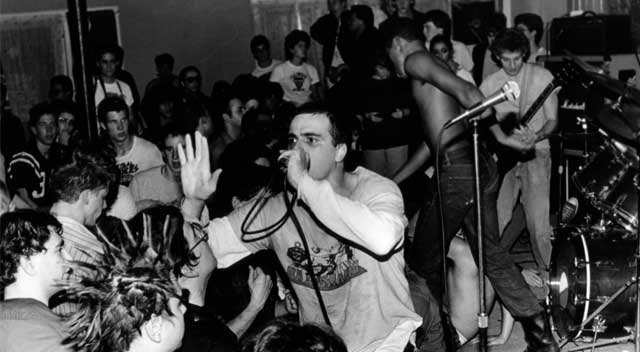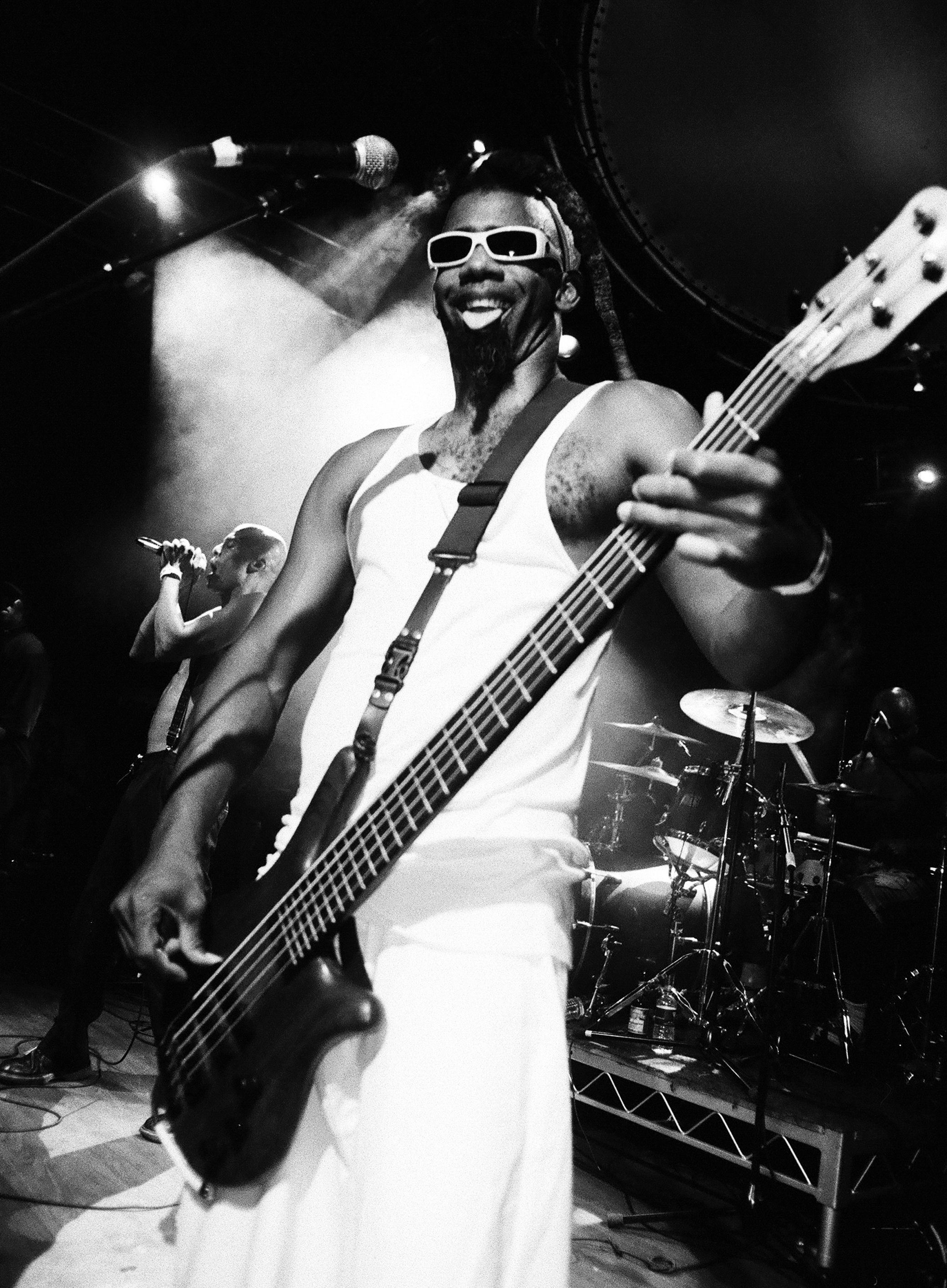
Angelo Moore and Norwood Fisher are the heart and soul of Fishbone (photo by Erin Flynn)
EVERYDAY SUNSHINE: THE STORY OF FISHBONE (Lev Anderson & Chris Metzler, 2010)
Anthology Film Archives
32 Second Ave. at Second St.
Friday, July 6, $10, 5:45
212-260-7289
www.cbgb.com
www.fishbonedocumentary.com
 When they were junior high school students in South Central Los Angeles in 1979, Angelo Moore and Norwood Fisher formed the core of Fishbone, what would soon become one of the most exciting live bands on the planet. Chris Metzler and Lev Anderson document the band’s rise and fall — and rise and fall, and rise and fall, etc. — in the stirring Everyday Sunshine: The Story of Fishbone. Using archival footage, old and new interviews, and playful animation, Metzler and Anderson follow the group — Moore and Fisher along with fellow founding members Chris Dowd, Walter “Dirty Walt” Kibby II, and Kendall Jones — through its many personal and financial struggles as it tries to deal with such socioeconomic issues as racism, violence, and the anti-liberal bias taking hold of the nation in Ronald Reagan’s 1980s. Fishbone held nothing back on such albums as In Your Face (1986), Truth and Soul (1988), The Reality of My Surroundings (1991), Give a Monkey a Brain and He’ll Swear He’s the Center of the Universe (1993), and Chim Chim’s Badass Revenge (1996), mixing in pop, punk, funk, ska, reggae, R&B, soul, jazz, and hardcore, prancing about the stage without shirts, diving into the crowd, and always speaking their mind, and they hold nothing back in Everyday Sunshine as well. Narrated by Laurence Fishburne, the film really picks up speed when it delves into the Rodney King beating and the mysterious circumstances involving Jones’s religious transformation and the band’s attempt at an intervention. The decidedly unusual tale also features an impressive lineup of talking heads offering their views on the history of Fishbone, including Flea from the Red Hot Chili Peppers, Perry Farrell from Jane’s Addiction, fIREHOSE’s Mike Watt, No Doubt’s Gwen Stefani and Tony Kanal, the Roots’ ?uestlove, Gogol Bordello’s Eugene Hutz, Parliament-Funkadelic’s George Clinton, Primus’s Les Clayool, Living Colour’s Vernon Reid, Circle Jerk Keith Morris, Ice-T, and, perhaps most informatively, Columbia Records executive David Kahne, who lends fascinating insight into what made Fishbone great — and what kept them from greater success. While you definitely don’t have to know a thing about Fishbone to enjoy this very intimate documentary, longtime fans should eat it up. Everyday Sunshine is screening July 6 at 5:45 at Anthology Film Archives as part of the inaugural CBGB Festival and will be followed by a Q&A with Metzler. The festival runs July 5-8 at venues in Manhattan and Brooklyn and includes a bevy of concerts, film screenings, panel discussions, and other special events being held in honor of the classic Bowery club that hosted cutting-edge, alternative, punk, and indie bands from 1973 to 2006. Among the other films being shown are Michael Winterbottom’s 24 Hour Party People, Keirda Bahruth’s Bob and the Monster, Sara Sugarman’s Vinyl, and Gorman Bechard’s Color Me Obsessed.
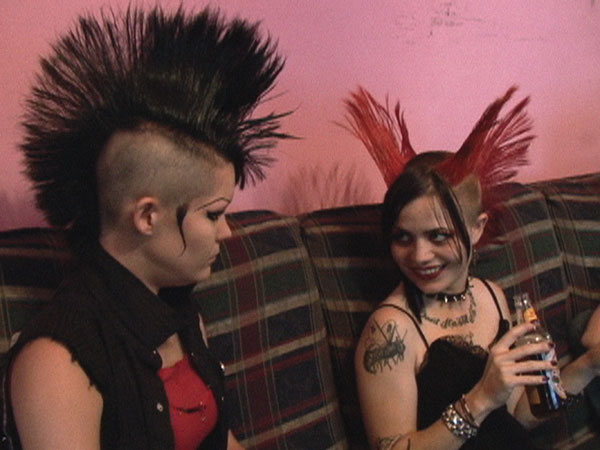
 Director Susan Dynner examines the past, present, and future of punk rock in the fast-paced documentary Punk’s Not Dead. Punk rock broke wide open in the mid-to-late 1970s, as pierced and tattooed fans packed small, sweaty clubs to have the Sex Pistols spit on them and other bands scream about anarchy and chaos, railing against the establishment that had brought them Vietnam, suburban sprawl, bloated arena rock, and an uninspired mainstream society. Bands such as Bad Religion, the Damned, Social Distortion, Minor Threat, and UK Subs used shrieking guitars, killer drums, and a nonstop verbal barrage that, as Dynner points out, never went away; thirty years down the road, many of these bands are still together or have re-formed, appearing in underground clubs and on indie records. Punk influence saw a revival in the 1990s, with Nirvana, Green Day, and Rancid all hitting the charts, but the film argues that the current wave, which includes such groups as Good Charlotte, My Chemical Romance, and Sum 41 and stores such as Hot Topic, is more market-friendly pop punk than the real deal. Among those sharing their opinions on what qualifies as punk are Black Flag’s Henry Rollins and Greg Ginn, X’s John Doe, Circle Jerks’ Keith Morris, Rancid’s Tim Armstrong (who also coproduced the film), Green Day’s Billie Joe Armstrong, the Dead Kennedys’ Jello Biafra, the Subhumans’ Dick Lucas, Social D’s Mike Ness, and members of dozens of bands both old and new. The biggest revelation is the Adicts, a British band that has been doing it their own way, with the original lineup, for more than thirty years now, still bucking the system and attracting a whole new generation of fans. Punk’s Not Dead also includes snippets of hundreds of songs that will send you poring through your record collection to find those old gems you haven’t listened to since you were in college. Sham 69’s “If the Kids Are United” fabulously sums things up over the closing credits. Punk’s Not Dead is screening July 6 at 10:45 at Anthology Film Archives as part of the inaugural CBGB Festival. The festival runs July 5-8 at venues in Manhattan and Brooklyn and includes a bevy of concerts, film screenings, panel discussions, and other special events being held in honor of the classic Bowery club that hosted cutting-edge, alternative, punk, and indie bands from 1973 to 2006. Among the groups participating in the festival are Sick of It All, Redd Kross, Reggie Watts, Quincy Mumford & the Reason Why, JD Samson & Men, PS I Love You, DJ Jonathan Toubin, Lissy Trullie, the Van Allen Belt, LA Guns, Sic F*cks, the Virgins, and Michael Cerveris & Loose Cattle, and that’s just on Friday.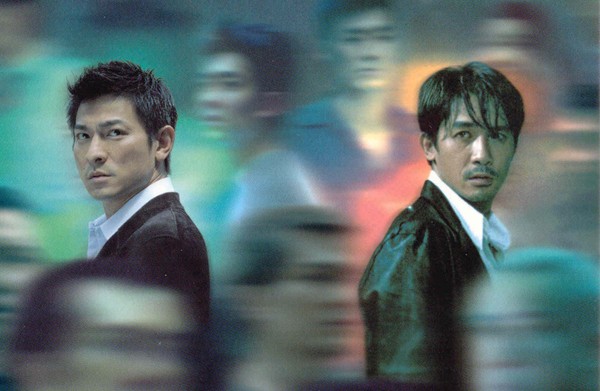
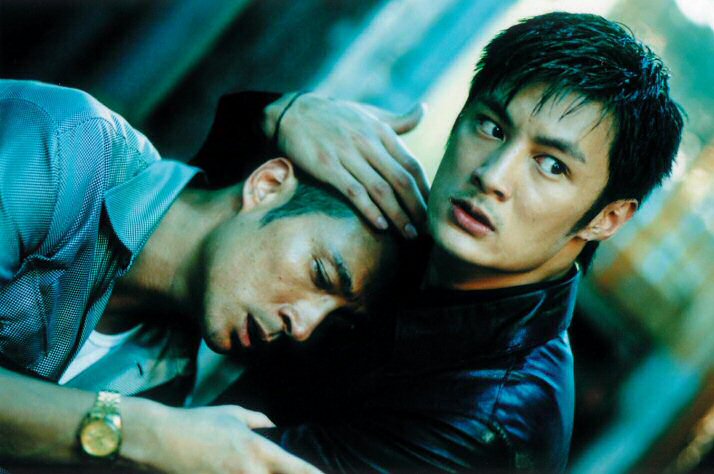
 Andrew Lau and Alan Mak’s second Infernal Affairs film is reminiscent of The Godfather Part II, as the story moves back and forth through several pasts as we learn more about Ming (Edison Chen), Yan (Shawn Yue), Wong (Anthony Wong), and Sam (Eric Tsang). Some roles are played by the same actors as in the first film, and some are not, so pay close attention. As Hong Kong approaches the hand-over to Chinese rule, the Triad war is threatening to explode, with Ming and Yan caught in the middle. Infernal Affairs 2 is an unforgettable film, gorgeously shot by Lau (who cut his teeth as cinematographer on such films as Wong Kar-wai’s Chungking Express and Ringo Lam’s City on Fire) and Ng Man Ching (Once Upon a Time in China). Much like the second Godfather film, even though you know what becomes of many of these characters, finding out about what got them there is absolutely thrilling. We love every glorious second of this movie. Don’t miss it.
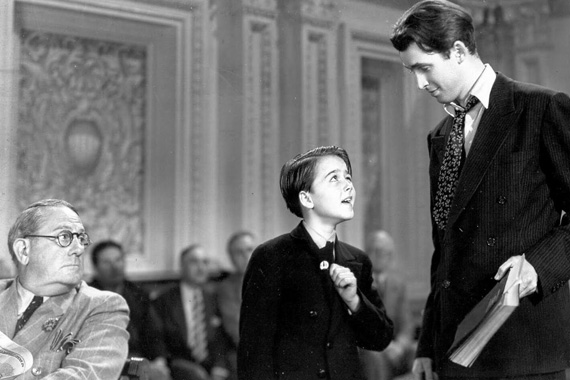
 We love Jimmy Stewart; we really do. Who doesn’t? But last week we had the audacity to claim that Jim Parsons’s performance as Elwood P. Dowd in the current Broadway revival of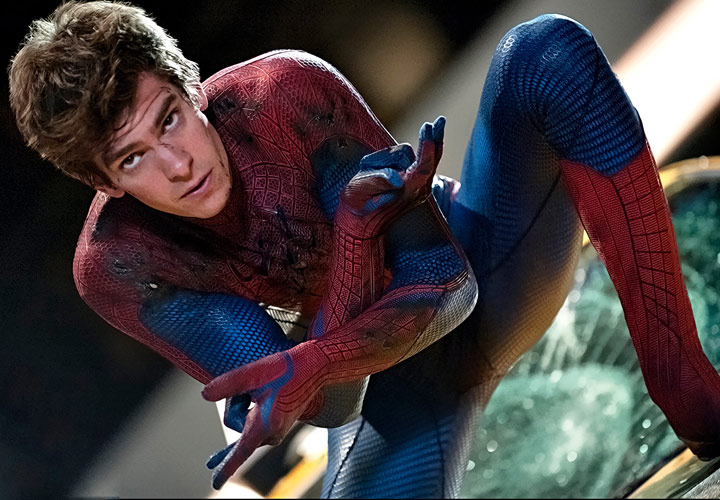
 Originally announced to be the fourth Spider-Man movie in the franchise restarted in 2002 by Sam Raimi that featured Tobey Maguire as Peter Parker and Kirsten Dunst as Mary Jane Watson, The Amazing Spider-Man instead goes back to the beginning, telling a different origin story that mixes elements of various issues of the immensely popular comic book hero. The first third of the new film works extremely well, as Peter (Tony-nominated British actor Andrew Garfield) falls for beautiful blonde Gwen Stacy (Emma Stone), is bitten by a radioactive spider developed by the one-armed Dr. Curt Connors (Rhys Ifans), and learns how to use his new strength to battle high school bully Flash Thompson (Chris Zylka) while having difficulty explaining himself to Uncle Ben (Martin Sheen) and Aunt May (Sally Field), who raised him after his parents’ disappearance. It’s even directed by a man named Webb, as if it was all meant to be. But soon Marc Webb, a longtime video director whose breakthrough was 2009’s (500) Days of Summer, lets things get way out of hand as the film devolves faster than you can say “With great power comes great responsibility” (which nobody actually says in this film), with gaping plot holes so big you can drive a New York City crane through them — and when the cranes do in fact show up, they elicit well-deserved groans from the audience. The Amazing Spider-Man works best when Garfield and Stone are on-screen together, their blossoming romance building slowly but elegantly, perhaps representative of real life, as they became one of Hollywood’s hottest couples while making the film. But as Connors transforms into the Lizard, The Amazing Spider-Man loses its focus, turning into yet another CGI-crazed monster movie with silly plot twists, annoying red herrings, and ridiculous segments. (Just what’s up with that antidote, and why do villains always build self-destruct machines that have to count down really loudly?) Even the 3D that worked so well in the beginning seems to have been forgotten in the second half. This reboot deserves a swift boot in the you-know-what, especially given the promise of its opening scenes.