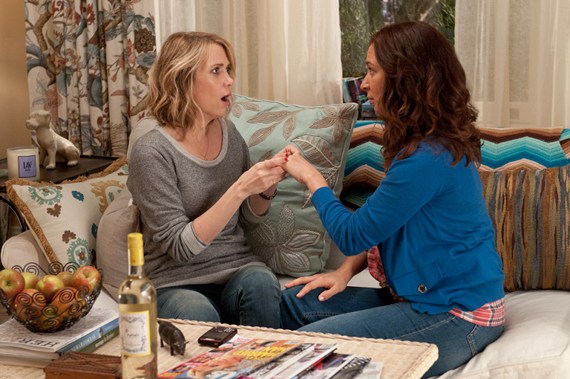
Kristen Wiig and Maya Rudolph star as best friends facing a crisis in BRIDESMAIDS
BRIDESMAIDS (Paul Feig, 2011)
Hudson River Park, Pier 63 at 23rd St.
Wednesday, July 25, free, dusk
www.bridesmaidsmovie.com
www.riverflicks.com
 First and foremost, don’t link Bridesmaids in with all those lousy Saturday Night Live one-note movies and the string of overrated and overhyped lowbrow trash streaming out of the Judd Apatow factory. And don’t assume it’s a silly chick flick either. As it turns out, Bridesmaids is one of the most consistently funny laugh-out-loud romps of this young century. Directed by Freaks and Geeks creator Paul Feig, Bridesmaids is an endlessly clever and insightful examination of love, loneliness, and friendship starring SNL’s Kristen Wiig, who cowrote the smart script with Groundlings member Annie Mumolo (who makes a cameo as a nervous flyer). Wiig shows surprising depth and range as Annie, a perennial screw-up whose closest childhood friend, Lillian (Maya Rudolph), is marrying into a very snooty upper-crust family. After agreeing to be Lillian’s maid of honor, Annie gets involved in a battle of wits with Lillian’s future sister-in-law, the elegant Helen (a radiant Rose Byrne), who is determined to outshine Annie in every way possible and steal Lillian away from her. Already a mess — she had to close her bakery, she shares an apartment with a bizarre pair of British siblings, she works in a jewelry store where she drives away potential customers with her sorry tales of woe, and she allows herself to be treated miserably as a late-night booty call for a self-centered businessman (Jon Hamm) — Annie experiences a series of hysterical, pathetic setbacks as she attempts to organize the bridal shower and bachelorette party, including a riotous potty-humor scene in a high-end boutique that is likely to go down in comedy history for its sheer relentlessness. The rest of the bridesmaids are quite a hoot — Becca (Ellie Kemper), the Disney-loving kewpie doll; Rita (Wendi McLendon-Covey), a foul-mouthed married mother who can’t wait to go crazy away from her family; and the groom’s burly sister, Megan (the hugely entertaining Melissa McCarthy), who lives life without a filter. Annie is so caught up in her own failures that she doesn’t recognize when something potentially good enters her life, in the form of state trooper Nathan Rhodes (Chris O’Dowd). Wiig gives the finest performance of her career as Annie, clearly a role that is very close to her heart. Despite the slapstick nature of many of the jokes, Bridesmaids is filled with heart and soul, making it one of the best comedies in years. Bridesmaids is screening July 25 at Hudson River Park’s Pier 63 as part of the free River Flicks for Grown-Ups series, which continues through August 22 with such films as Limitless, Cowboys & Aliens, Crazy, Stupid Love, and Horrible Bosses. For a day-by-day listing of free summer movie screenings in New York City, go here.
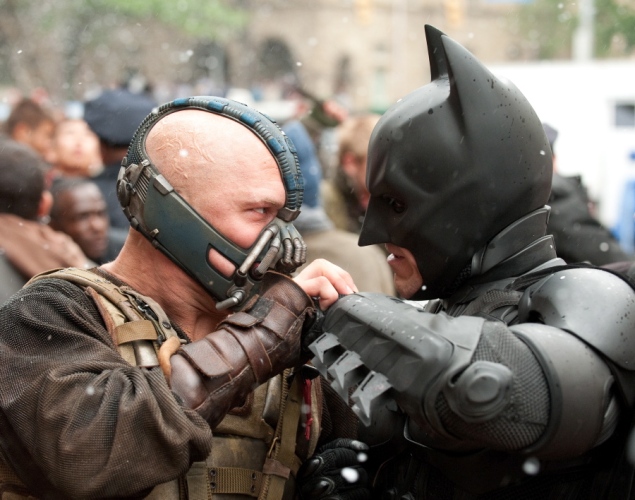
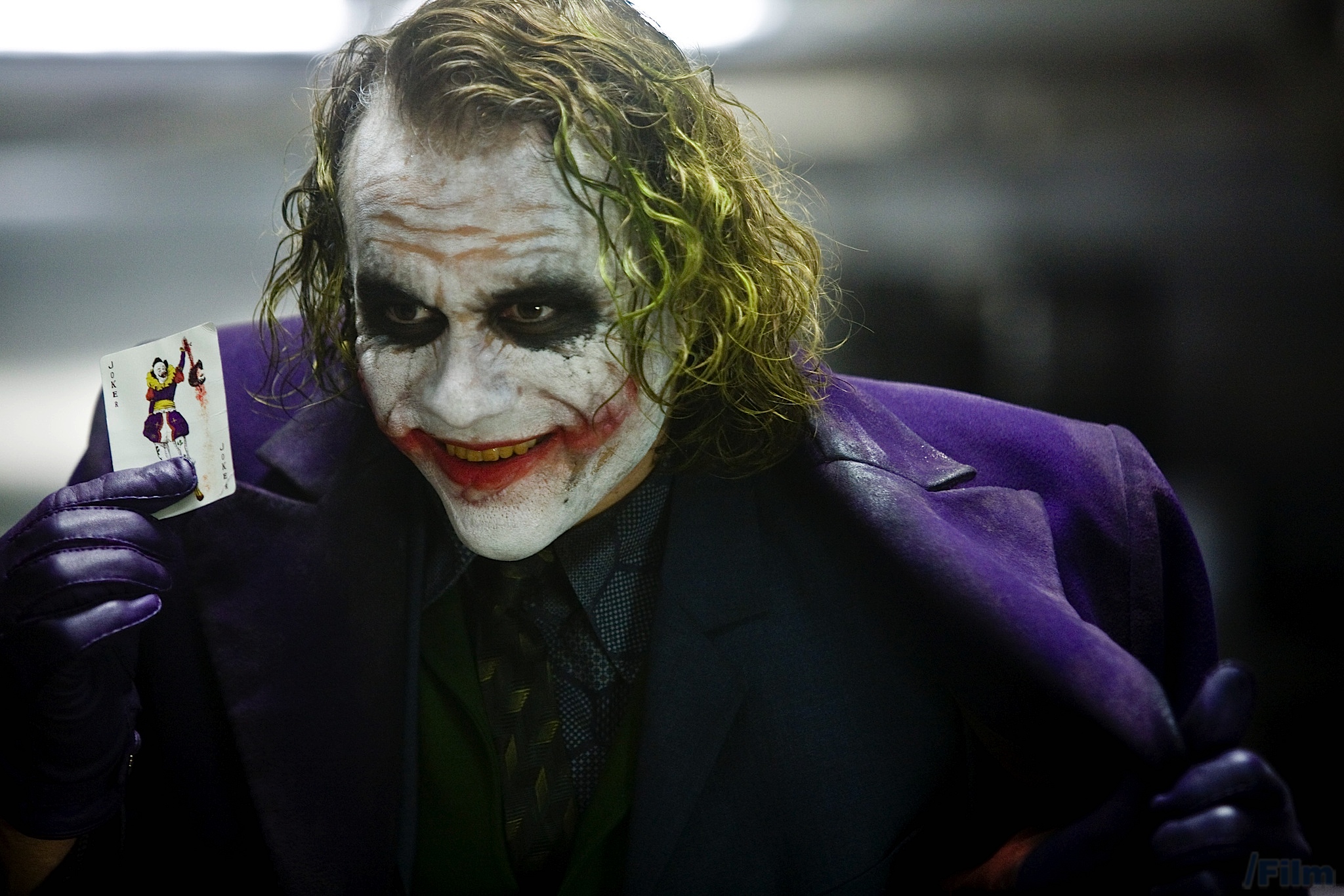
 Christopher Nolan’s follow-up to his 2005 hit Batman Begins is one of the most brilliant superhero films ever made. Christian Bale is back as billionaire bachelor Bruce Wayne, who spends his evenings fighting crime in Gotham City, which is under siege, victim to a brutal crime spree led by the vicious Joker (Heath Ledger in a massive, Oscar-winning performance). As the madman with the wild hair and evil clown face starts knocking off public officials, mob bosses, ordinary citizens, and even his own minions, Wayne is also beset by the blossoming relationship between Rachel Dawes (Maggie Gyllenhall), the woman he loves and who knows his secret, and the new DA, Harvey Dent (Aaron Eckhart), who has come into his high-profile job with both arms swinging, determined to make Gotham City safe. The Bat Man is joined once again by his faithful butler, Alfred (Michael Caine), Wayne Industries exec Lucius Fox (Morgan Freeman), and police lieutenant Jim Gordon (Gary Oldman); the film also features Anthony Michael Hall as a television talk-show host who finds himself in danger, Eric Roberts as a smooth-talking gangster, and Cillian Murphy as Scarecrow in a brief cameo. The Dark Knight is a carefully constructed tale of good and evil, love and death, and everything in between, working as both a thrilling action movie as well as a psychoanalytic examination of what lurks deep in the soul. Although there are special effects aplenty, it is primarily a very intimate, personal film about one man’s tortured existence. In a summer of the high-octane superhero flick (Iron Man, The Incredible Hulk, Hellboy II, Hancock), The Dark Knight towers above them all.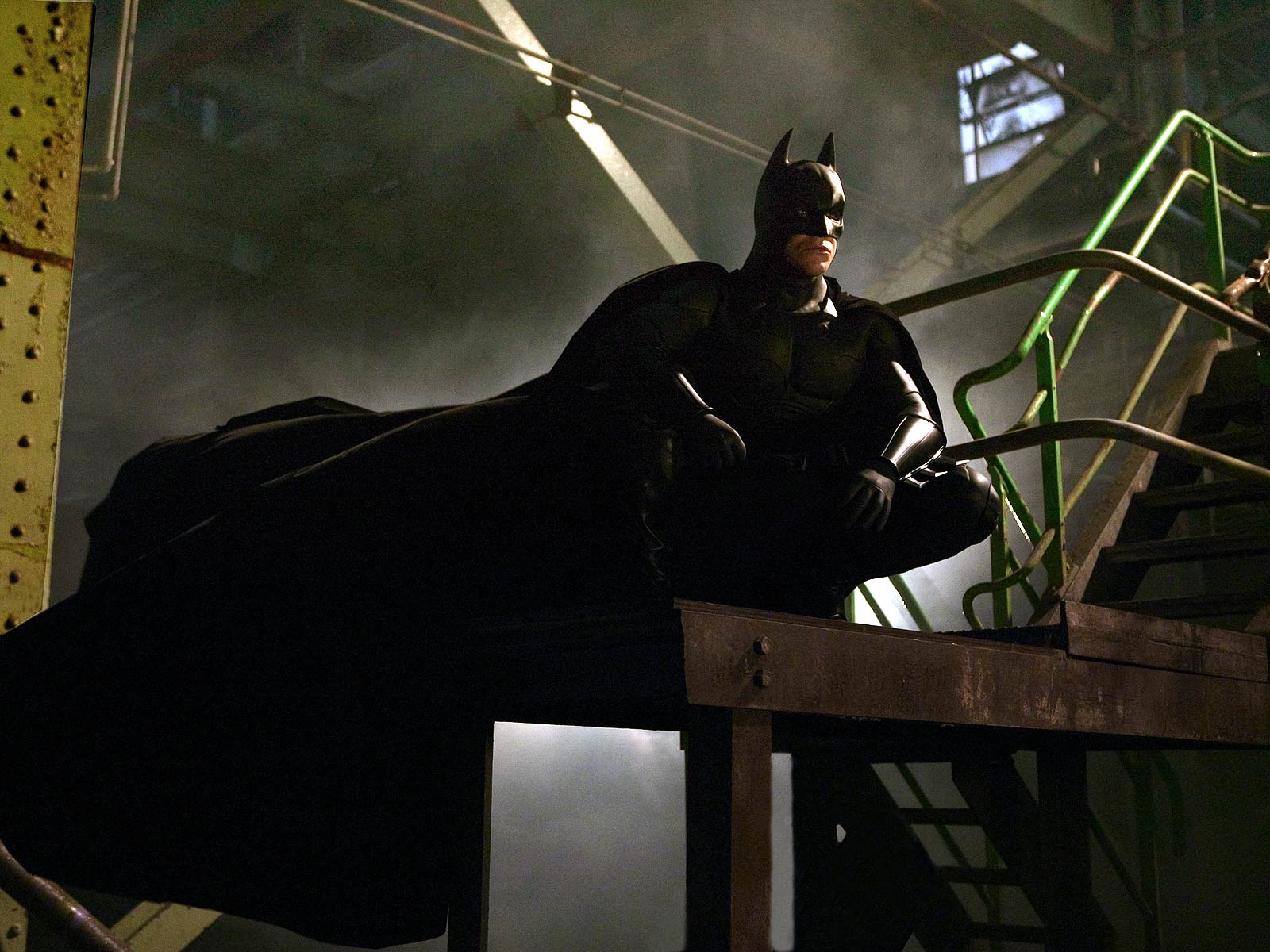
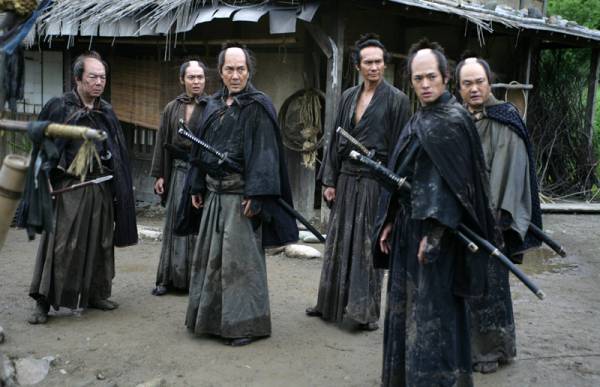
 Japanese director Takashi Miike’s first foray into the samurai epic is a nearly flawless film, perhaps his most accomplished work. Evoking such classics as Kurosawa’s Seven Samurai, Mizoguchi’s 47 Ronin, Aldrich’s The Dirty Dozen, and Eastwood’s High Plains Drifter, 13 Assassins is a thrilling tale of honor and revenge, inspired by a true story. In mid-nineteenth-century feudal Japan, during a time of peace just prior to the Meiji Restoration, Lord Naritsugu (Gorô Inagaki), the son of the former shogun and half-brother to the current one, is abusing his power, raping and killing at will, even using his servants and their families as target practice with a bow and arrow. Because of his connections, he is officially untouchable, but Sir Doi (Mikijiro Hira) secretly hires Shinzaemon Shimada (Kôji Yakusho) to gather a small team and put an end to Naritsugu’s brutal tyranny. But the lord’s protector, Hanbei (Masachika Ichimura), a former nemesis of Shinzaemon’s, has vowed to defend his master to the death, even though he despises Naritsugu’s actions. As the thirteen samurai make a plan to get to Naritsugu, they are eager to finally break out their long-unused swords and do what they were born to do. “He who values his life dies a dog’s death,” Shinzaemon proclaims, knowing that the task is virtually impossible but willing to die for a just cause. Although there are occasional flashes of extreme gore in the first part of the film, Miike keeps the audience waiting until he unleashes the gripping battle, an extended scene of blood and violence that highlights death before dishonor. Selected for the 2009 Cannes Film Festival and nominated for the Silver Lion at the 2010 Venice Film Festival, 13 Assassins is one of Miike’s best-crafted tales; nominated for ten Japanese Academy Prizes, including Best Picture, Best Director, Best Screenplay (Daisuke Tengan), Best Editing (Kenji Yamashita), Best Original Score (Koji Endo), and Best Actor (Yakusho), it won awards for cinematography (Nobuyasu Kita), lighting direction (Yoshiya Watanabe), art direction (Yuji Hayashida), and sound recording (Jun Nakamura). 13 Assassins is screening at Japan Society on July 21 at 8:20 as part of the Japan Cuts sidebar “Focus on Kôji Yakusho” and will be introduced by the actor; the July 20-21 mini-festival also includes such other Yakusho vehicles as his directorial debut, Toad’s Oil, as well as Shuichi Okita’s The Woodsman and the Rain, the New York premiere of Masato Harada’s Chronicle of My Mother, Kiyoshi Kurosawa’s Cure, and Masayuki Suo’s original Shall We Dance?