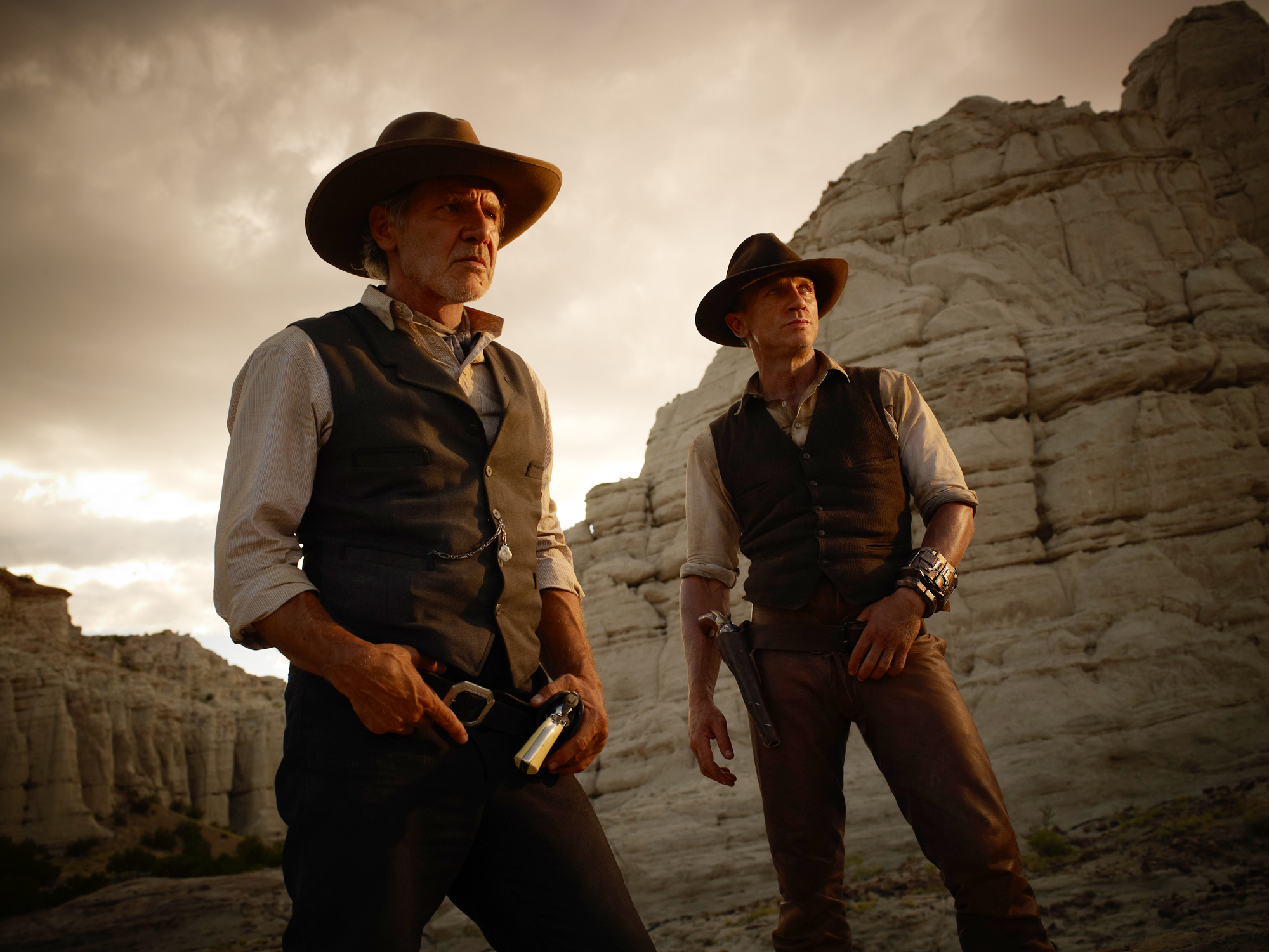
Indiana Jones / Han Solo goes toe-to-toe with James Bond in COWBOYS & ALIENS
COWBOYS & ALIENS (Jon Favreau, 2011)
Hudson River Park, Pier 63 at 23rd St.
Thursday, August 8, dusk
www.cowboysandaliensmovie.com
www.riverflicks.com
 Liberally adapted from Scott Mitchell Rosenberg’s 2006 graphic novel, Cowboys & Aliens is a summer popcorn slice-and-dice mash-up of just about every Western and sci-fi flick you’ve ever seen. Boasting the producing talents of Ron Howard, Brian Grazer, Steven Spielberg, Jon Favreau (who also directed), and others, the film pays tribute to its match-made-in-heaven dueling genres with references to such classic tales as The Searchers, Close Encounters of the Third Kind, Unforgiven, Aliens, Blazing Saddles, War of the Worlds, Raiders of the Lost Ark, Star Wars, Stagecoach, Star Trek, The Magnificent Seven, Avatar, High Plains Drifter, Blade Runner, Butch Cassidy and the Sundance Kid, Predator, True Grit, The Poseidon Adventure, and many more. Heck, they even throw in some zombies for good measure. In the dry, hot desert shortly after the Civil War, a stranger (Daniel Craig) with amnesia arrives in the small town of Absolution, sporting a six-shooter and a weird bracelet manacled to his left arm. Soon identified as wanted outlaw Jake Lonergan, he gets himself into trouble with Percy (Paul Dano), the bully son of wealthy cattle baron Woodrow Dolarhyde (Harrison Ford). But before Sheriff Taggart (Keith Carradine) can turn over Jake and Percy to the federal marshals, a massive attack comes down from the sky as flying machines start blowing everything up and stealing many of the town’s residents, including María (Ana de la Reguera), wife of the weak-willed Doc (Sam Rockwell), and Percy. So sworn enemies are forced to band together, along with the mysterious Ella Swenson (Olivia Wilde), to figure out just how they can get their loved ones back. Sure, the meandering plot gets unhinged time and time again — it’s never a good sign when half a dozen writers are attached to the story and screenplay — and the film lacks any James Bond–like, Han Solo/Indiana Jones–esque catchphrases, but Favreau (Elf, Iron Man) manages to hold it all together just enough to make Cowboys & Aliens a fun, out-of-this-world oater, even if it should have been better. Cowboys & Aliens is screening August 8 at Hudson River Park’s Pier 63 as part of the free River Flicks for Grown-Ups series, which continues with Crazy, Stupid Love on August 15 before concluding with Horrible Bosses on August 22. For a day-by-day listing of free summer movie screenings in New York City, go here.
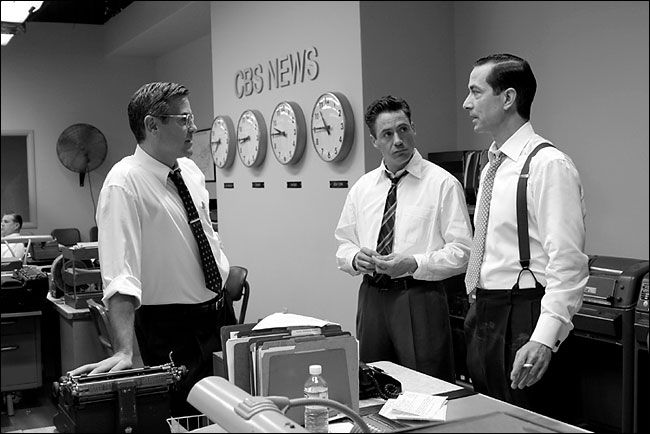
 Shot in sharp black-and-white that makes the characters virtually jump off the screen, George Clooney’s Good Night, and Good Luck., which opened the 2005 New York Film Festival, is a thrilling behind-the-scenes look at the early days of television journalism at CBS News. David Strathairn is outstanding as Edward R. Murrow, a dedicated reporter who took on Joseph McCarthy’s communist witch hunt in the mid-1950s. As the junior senator continued bringing innocent people down, Murrow challenged him on live TV, walking a fine line between fact and opinion, between staying neutral and injecting personal beliefs into the story. Mixing in plenty of original footage, Clooney captures the mood of the era which was primarily fear while also questioning the importance of television as a form of serious journalism, both things that are extremely relevant in today’s mass-media-driven political culture. Clooney, who cowrote and directed the film, plays legendary CBS producer Fred Friendly in a cast that also features Robert Downey Jr. (Joe Wershba), Patricia Clarkson (Shirley Wershba), Ray Wise (Don Hollenbeck), Frank Langella (William Paley), Jeff Daniels (Sig Mickelson), cowriter Grant Heslov (Don Hewitt), and Dianne Reeves as a jazz singer who often links scenes. Sports fans, take note: Among the executive producers of this low-budget triumph is Dallas Mavericks owner Mark Cuban. Nominated for six Oscars and winner of none, Good Night, and Good Luck. is screening August 9 and 16 at MoMA as part of the series “A View from the Vaults, 2012: Recent Acquisitions,” which continues through August 19 with such new films in MoMA’s collection as George Archainbaud’s Thirteen Women, Gregg Araki’s Mysterious Skin, and the Coen brothers’ True Grit.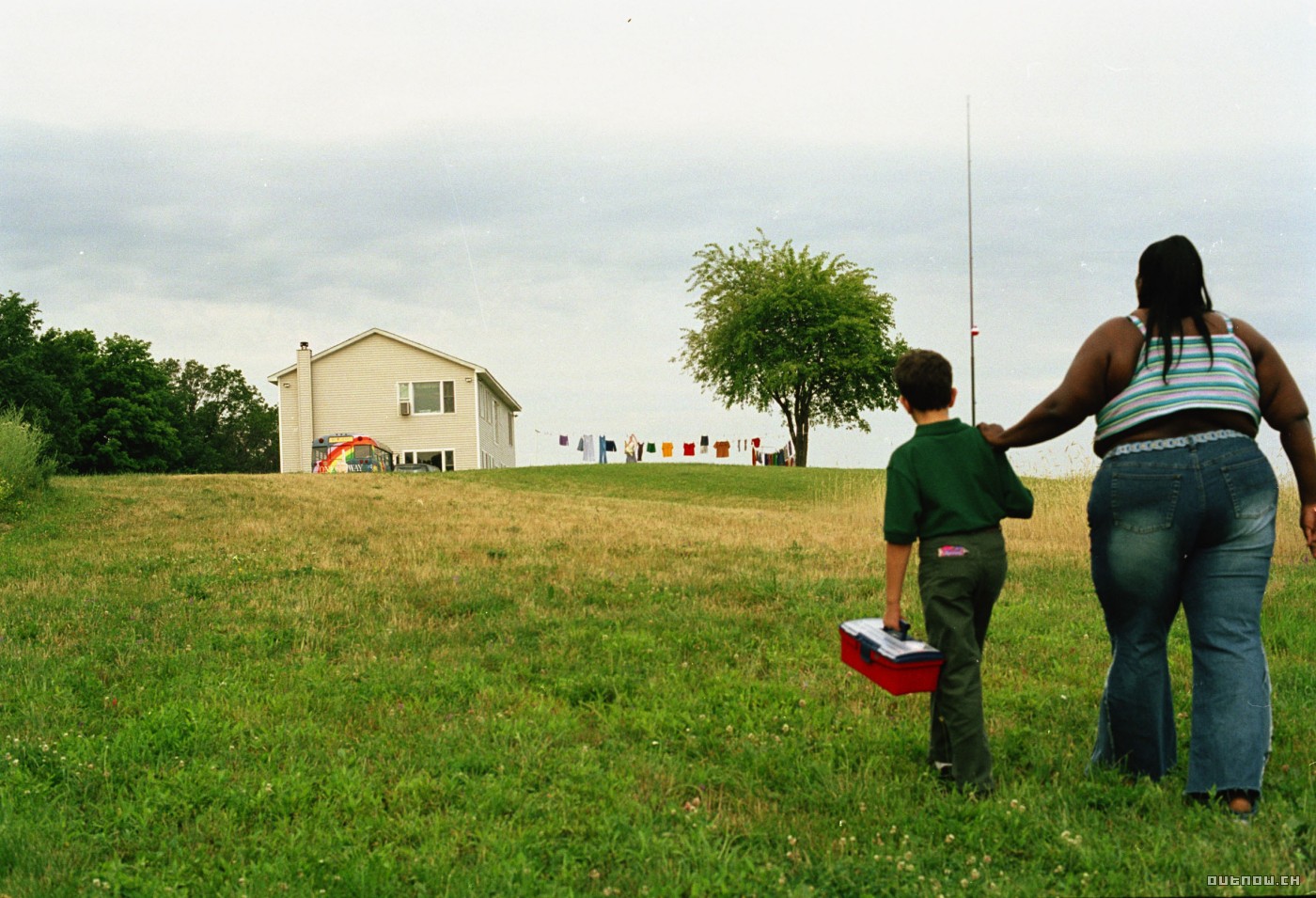
 New Jersey native Todd Solondz busted out of the gate with a trio of fascinating, dark films — Welcome to the Dollhouse (1995), Happiness (1998), and Storytelling (2001) — that explored childhood and adolescence in controversial yet captivating ways, examining such subjects as bullying, child abuse, and burgeoning sexuality. But the eclectic writer-director goes way too far with Palindromes, a complex tale that makes for an extremely painful cinematic experience. Opening with the funeral of Dawn Wiener (the lead character in Dollhouse), the film tells the tale of a thirteen-year-old girl who is desperate to have a baby so she can share the love she feels inside her. Her parents (Ellen Barkin, who could use some hand cream, and Richard Masur, from One Day at a Time) adore her, but they can’t prevent her from pursuing her needs. As young Aviva ventures out into the world, she is played by very different actors in every scene (including Emani Sledge, Valerie Shusterov, Hannah Freiman, Rachel Corr, Will Denton, Sharon Wilkins, Shayna Levine, and Jennifer Jason Leigh), a tactic that ranges from being cute and clever to manipulative and annoying. Aviva is so dispassionate about everything in her life except wanting a baby, you’ll want to shake her out of her malaise and yell at her to speak faster. Stephen Adly Guirgis costars as a truck driver with a thing for young girls, and Debra Monk plays a Bible-lovin’ woman who runs a halfway house for children with physical and mental disabilities that is disturbing to watch — and not in a good way. We’d love to think of a palindrome (words or sentences that are the same backward and forward) to further knock this film, but it’s not worth our time, or yours. Palindromes is screening August 9 as part of the MoMA film series “Unaccompanied Minors: Views of Youth in Films from the Collection,” being held in conjunction with the new exhibit “Century of the Child: Growing by Design, 1900-2000.” Running through August 14, the festival includes such other films about childhood as Irving Cummings’s Curly Top, Charles Laughton’s The Night of the Hunter, Maria João Ganga’s Hollow City, Laslo Benedek’s Sons, Mothers, and a General, and Peter Brook’s Lord of the Flies.
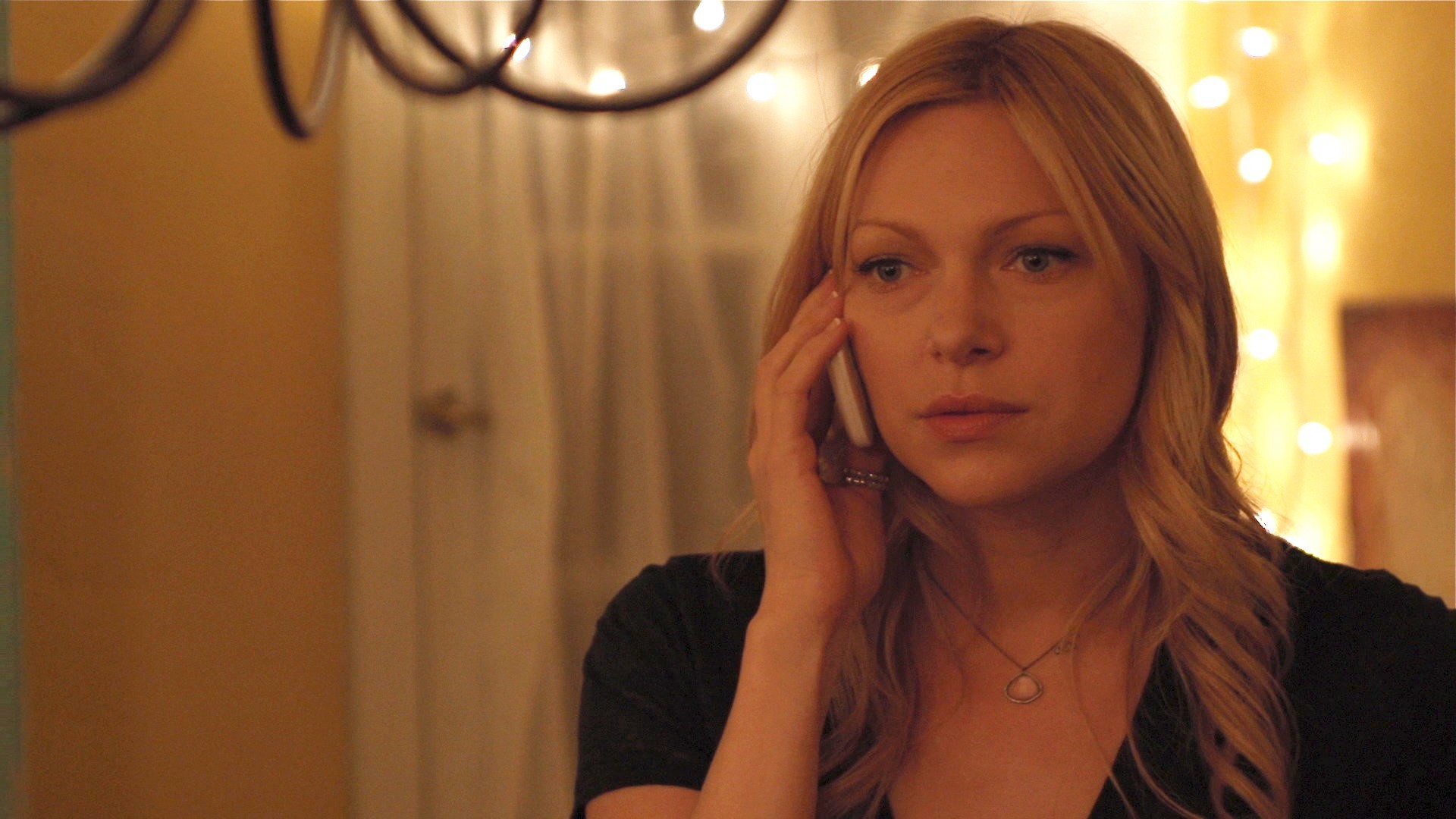

 A companion piece to 2008’s multilayered The Wrestler, in which a rejuvenated Mickey Rourke plays an aging athlete trying to regain control of his body and his life while attempting to reestablish a connection with his daughter, Darren Aronofsky’s Black Swan is an even more complex psychological study of just how far the mind and body can go to get what it wants and needs. Natalie Portman stars as Nina Sayers, a member of a Manhattan-based ballet company who is vying for the lead role in a new production of Tchaikovsky’s classic 1877 ballet, Swan Lake, the tragic tale of a princess transformed into a white swan who must find true human love to be released, complicated by an evil magician, a black swan rival, and a handsome prince. Nina lives a sheltered existence dominated by her failed-ballerina mother, Erica (Barbara Hershey), squeezed into a cramped New York City apartment and not allowed to have a social life. Womanizing choreographer Thomas Leroy (Vincent Cassel) is convinced that Nina can dance the white swan but has severe doubts that she has it within her to dance the black swan, even after selecting her to replace former prima ballerina Beth MacIntyre (Winona Ryder). Desperate to bring out Nina’s dark side, Leroy creates a competition between her and free-spirited dancer Lily (Mila Kunis), a sexy, tattooed young dancer who lives life on the edge. As opening night approaches, Nina must reach deep inside herself if she is to attain her dream, leaving all her fears and insecurities behind.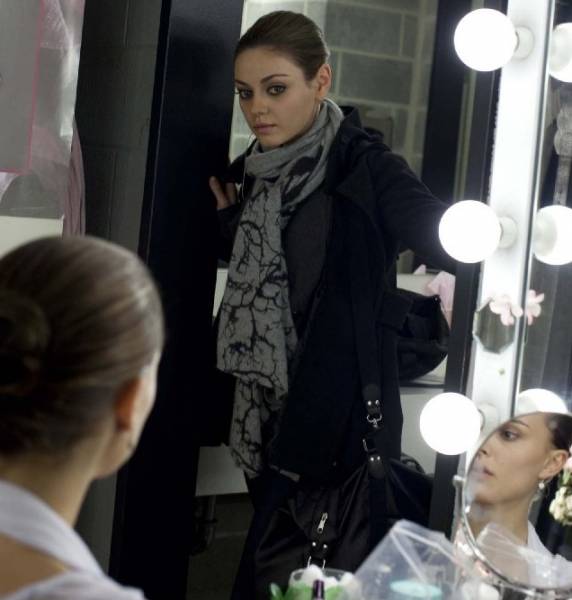
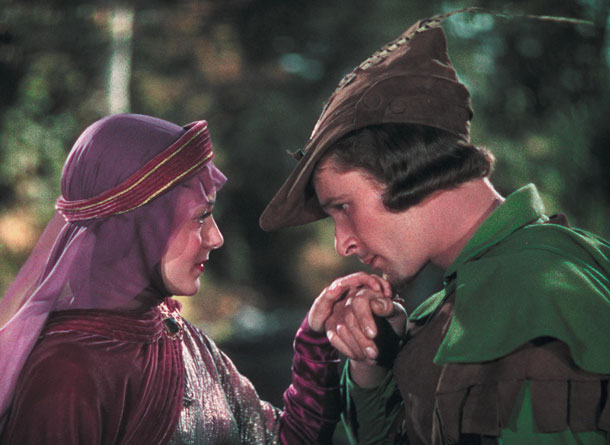
 With King Richard the Lionheart (Ian Hunter) off fighting the Crusades, his scheming brother, Prince John (Claude Rains), has taken over England, planning to become king with the help of the conniving Sir Guy of Gisbourne (Basil Rathbone) and the cowardly Sheriff of Nottingham (Melville Cooper). But one brave man stands in his way, “an impudent, reckless rogue who goes around the shire stirring up the Saxons against authority,” according to the Bishop of the Black Canons (Montagu Love). “And he has the insolence to set himself up as a protector of the people.” Sir Robin of Locksley (Errol Flynn), better known as Robin Hood, is fiercely loyal to King Richard and will do anything to preserve the sanctity of the throne and fight for the rights of the common people as he occupies Sherwood Forest with his band of merry men in tights, including Will Scarlet (Patric Knowles), Little John (Alan Hale Sr.), Friar Tuck (Eugene Pallette), and Much (Herbert Mundin). He also falls for the lovely Maid Marian (Olivia de Havilland), King Richard’s ward whom John promises to Gisbourne. Directed with appropriate flair and fanfare by Michael Curtiz (Casablanca, Mildred Pierce) and William Keighley (Each Dawn I Die, The Man Who Came to Dinner) The Adventures of Robin Hood is a rollicking romp through the famous legend, complete with exciting fight scenes, lots of male camaraderie, and just the right touch of romance. Flynn and de Havilland, who ended up making eight films together, are magnetic as Robin Hood and Maid Marian, a classic love story mired in life-threatening danger. There have been numerous versions of Robin Hood, starring such actors as Douglas Fairbanks, Russell Crowe, Kevin Costner, Patrick Bergin, Cary Elwes, and the voice of Brian Bedford, but there’s no Sir Robin quite like Flynn, who flits about with an endless supply of charm, humor, grace, and bravery. By the way, Marian’s horse, then known as Golden Cloud, was sold after the movie to Roy Rogers and was renamed Trigger, going on to have quite a career himself. Winner of Three Oscars (for art direction, editing, and original score — it lost Best Picture to Frank Capra’s You Can’t Take It with You) — The Adventures of Robin Hood is screening on August 6 as part of the Bryant Park Summer Film Festival, which continues August 13 with All About Eve before concluding August 20 with Raiders of the Lost Ark.