A team of gangsters plans a major haul in classic Jules Dassin heist film
FROM FANTÔMAS TO A GANG STORY: RIFIFI (DU RIFIFI CHEZ LES HOMMES) (Jules Dassin, 1955)
MoMA Film, Museum of Modern Art
11 West 53rd St. between Fifth & Sixth Aves.
Sunday, August 26, 2:30
Series runs through September 4
Tickets: $12, in person only, may be applied to museum admission within thirty days, same-day screenings free with museum admission, available at Film and Media Desk
212-708-9400
www.moma.org
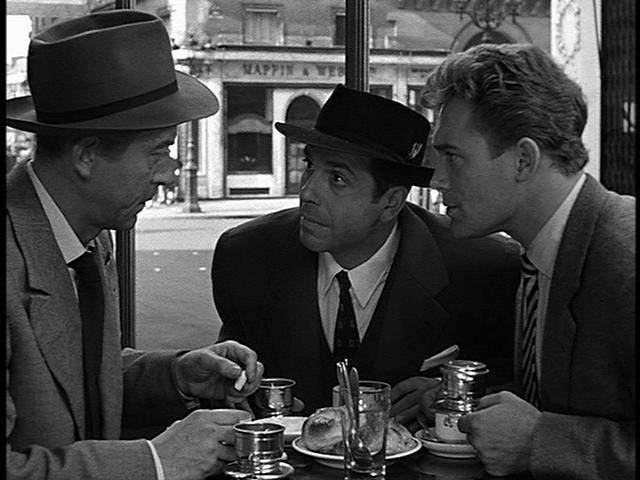
 After being blacklisted in Hollywood, American auteur Jules Dassin (The Naked City, Brute Force) headed to France, where he was hired to adapt Du Rififi Chez Les Hommes, a crime novel by Auguste le Breton that he made significant changes to, resulting in one of the all-time-great heist films. After spending five years in prison, Tony le Stephanois (Jean Servais) gets out and hooks up again with his old protégé, Jo le Suédois (Carl Möhner), who has settled down with his wife (Janine Darcy) and child (Dominique Maurin) for what was supposed to be a life of domestic tranquility. Joined by Mario Farrati (Robert Manuel), a fun-loving bon vivant with a very sexy girlfriend (Claude Sylvain), and cool and calm safecracker César le Milanais (Dassin, using the pseudonym Perlo Vita), the crew plans a heist of a small Mappin & Webb jewelry store on the Rue de Rivoli. Not content with a quick score, Tony lays the groundwork for a major take, but greed, lust, jealousy, and revenge get in the way in Dassin’s masterful film noir. The complex plan gets even more complicated as César falls for Viviane (Magali Noël), a singer who works at the L’Âge d’Or nightclub, which is owned by Pierre Grutter (Marcel Lupovici), who has taken up with Tony’s former squeeze, Mado (Marie Sabouret), and is trying to save his brother, Louis Grutter (Pierre Grasset), from a serious drug habit. (The club is named for Luis Buñuel’s 1930 film, which featured the same production designer as Rififi, Alexandre Trauner.) As the plot heats up, things threaten to explode in Dassin’s thrilling black-and-white film, which takes a series of unexpected twists and turns as it goes from its remarkably tense and highly influential heist scene to a wild climax. Dassin, who went on to make another of the great caper movies, 1964’s Topkapi, was named Best Director at Cannes for Rififi, which is screening August 26 as part of the MoMA series “Gaumont Thrillers: From Fantômas to A Gang Story,” which continues with such Gaumont-produced films as Georges Franju’s Eyes Without a Face, Maurice Pialat’s Police, Claude Chabrol’s Les Cousins, and Alain Corneau’s Serie noire.
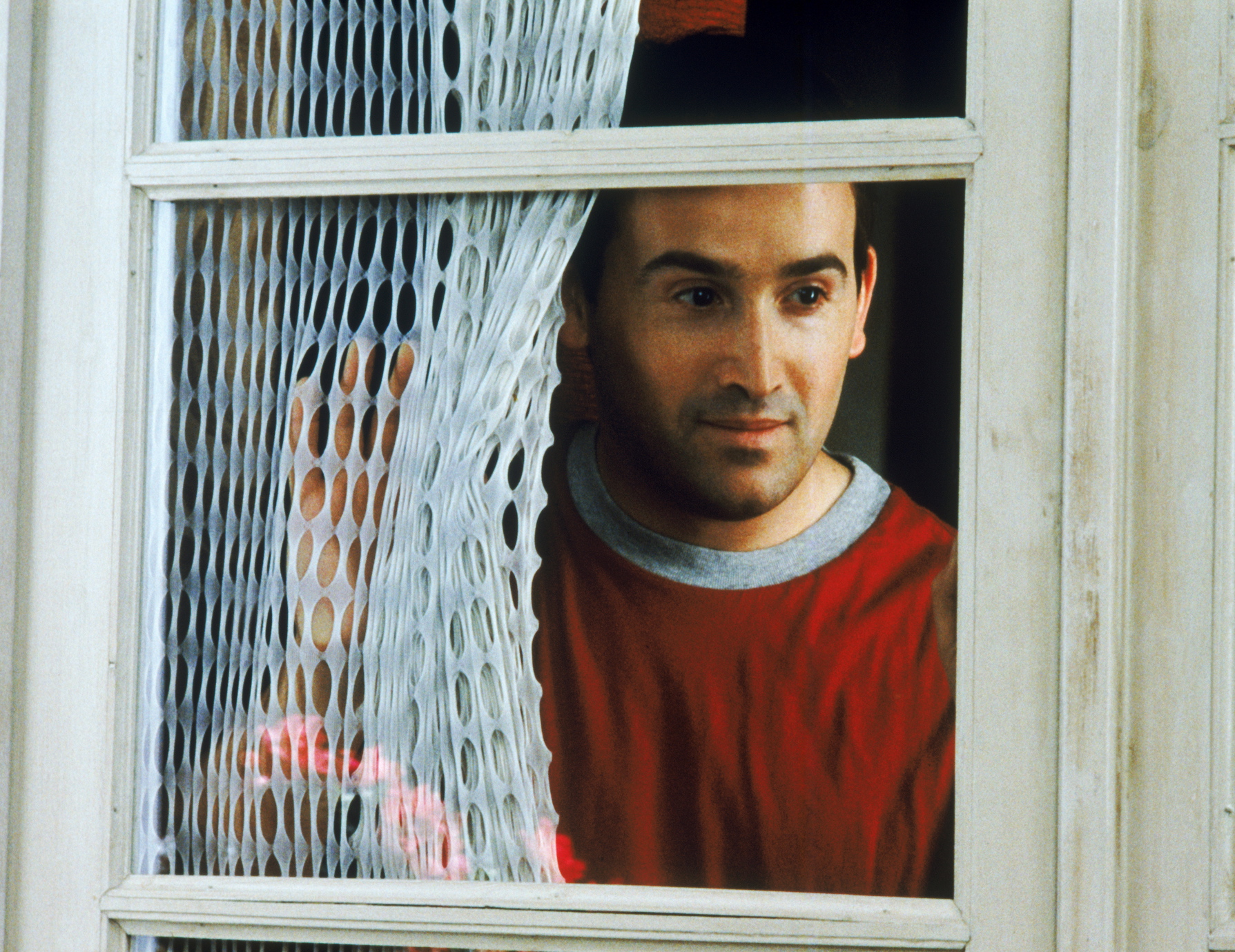

 Inspired by actual events that took place in his hometown of Recife, Brazil, Kleber Mendonça Filho’s Neighboring Sounds is an engaging slice-of-life examination of class differences and a community in the midst of social and economic change. When Clodoaldo (Irandhir Santos) and Fernando (Nivaldo Nascimento) go door-to-door offering their services as overnight security guards protecting the street, only Francisco (W. J. Solha), an aging, wealthy sugar baron who owns much of the surrounding property, and his grandson João (Gustavo Jahn) refuse to participate in the shady proposal, but Francisco insists that they keep their hands off another of his grandsons, Dinho (Yuri Holanda), who is responsible for a spate of car-stereo robberies. This suburban neighborhood, ever more in the architectural shadow of bigger high rises going up all around them, is filled with little secrets and minor resentments. A mechanic keys an expensive car when the owner is rude to him. Clodoaldo and a maid (Clébia Souza) make use of a fancy gated house he is taking care of while the owners are away. Sisters fight over the size of a flat-screen television. And a co-op board wants to fire their longtime night watchman without a severance package because he has taken to napping on the job. Meanwhile, João, who has two children by the daughter of the family’s maid, has started a relationship with the more acceptable Sofia (Irma Brown), but the privileged João still lives in the past; when he shows an apartment in one of Francisco’s condos, he points out what would be the maid’s room, assuming everyone can afford domestic help. And Bia (Meve Jinkings) finds a different kind of domestic help, buying large quantities of pot from the water guy, finding unique ways to deal with her neighbor’s howling dog, and using household appliances to pleasure herself. A film critic who has previously made documentaries, Filho, who wrote, directed, and coedited (with João Maria) Neighboring Sounds, has populated his debut full-length feature with believable characters caught up in realistic situations, along with just the right dose of black comedy. The film was shot with natural sound at a relaxed pace, inviting viewers into this intriguing fictional tale filled with real-world implications, involving a decaying past and modern issues of safety and surveillance. While João might be the moral conscious of the story, it is Jinkings’s Bia who steals this small gem of a film, her unique methods of daily survival a joy to behold.