SAMSARA takes viewers on a fascinating journey around the world in 70mm
SAMSARA (Ron Fricke, 2011)
Landmark Sunshine Cinema
143 East Houston St. between First & Second Aves.
212-330-8182
www.landmarktheatres.com
www.barakasamsara.com
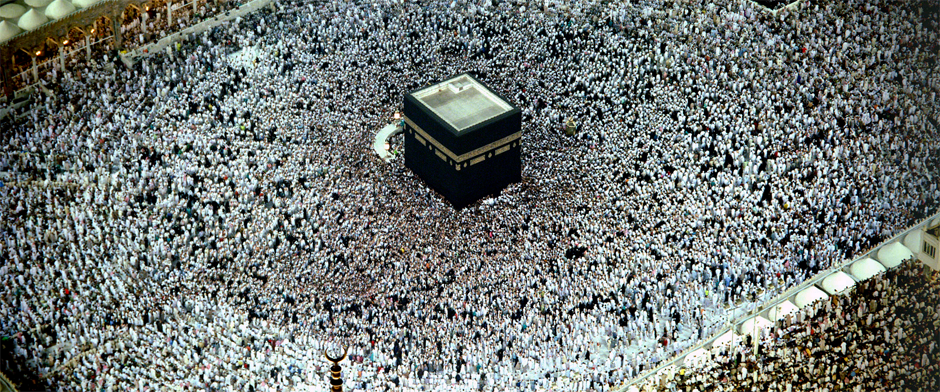
 Referring to the endless cycle of birth, death, and rebirth, Samsara is a visually stunning journey around the world, but one that will leave viewers wanting more. Director Ron Fricke and producer Mark Magidson, who previously teamed up on 1985’s Chronos and 1992’s Baraka, traveled to twenty-five countries on five continents over the course of four years, photographing famous landmarks, ancient and modern landscapes, old and new architecture, mountains, parks, oceans, cities, and many of the myriad peoples who populate the planet. Featuring an at-times overbearing score by Michael Stearns, Lisa Gerrard, and Marcello de Francisci and no narration or titles whatsoever to show what’s on the screen, Samsara can be breathtaking as well as confusing as the images roll by, shot in 70mm and projected digitally at 4K. Threads of narrative weave their way into the film, including sections on religion, war, poverty, and food production, exploring the Buddhist ideas of interconnection and impermanence, although the unfolding “story” appears most often to be somewhat random. And oddly, individuals regularly stare directly into the camera for uncomfortable periods of time, as if accusing the viewer of something that is not necessarily clear. Fricke and Magidson, who both edited the film, take the audience to such locations as Epupa Falls in Angola, Paraisopolis Favela in São Paulo, Mariesminde Poultry Farm in Denmark, Château de Versailles in France, Kanikwei Coffin Shop in Ghana, Thiksey Monastery in India, Kawah Ijen Sulfur Mine in Indonesia, Teatro Alla Scala in Italy, the Tsuchiya Shokai Doll Factory in Japan, Petra in Jordan, cliff dwellings in Mali, Mingun Temple in Myanmar, Mecca in Saudi Arabia, Cebu Provincial Detention Center in the Philippines, the demilitarized zone in South Korea, Cascade Go-Go Bar in Thailand, Cappadocia in Turkey, Burj Khalifa Tower in Dubai, the Kilauea volcano in Hawaii, the Ninth Ward in New Orleans, and Aadlen Bros. Auto Wrecking in Sun Valley, among so many other fascinating sites that reveal a wide expanse of what is going on in the world. Prisoners dance, cars whirr down elevated highways, chickens get slaughtered, tribes from Ethiopia and Namibia live off the land, poor children pick through garbage, a man stands next to his robot double, and a group of Buddhist monks make an exquisite sand painting. Yet as fascinating as Samsara can be, it still feels somewhat lacking, as if it could have been better in IMAX 3D (even if that wasn’t a logistical possibility), and the scarcity of detail supplied about the places visited is frustrating in today’s info-rich society.
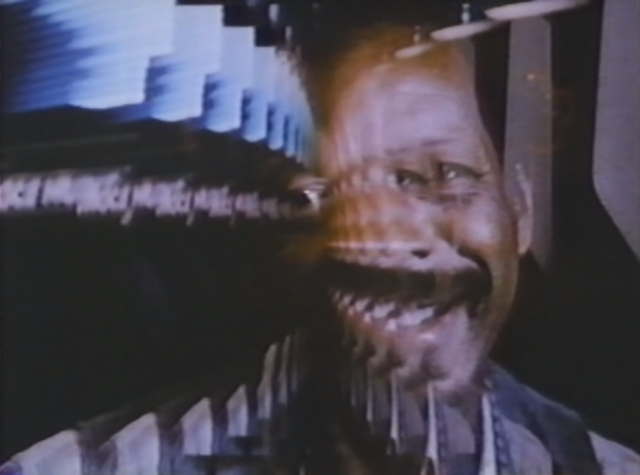
 In September 1983, innovative saxophonist and Fort Worth, Texas, native Ornette Coleman received a key to the city of his hometown and then helped open the new Caravan of Dreams arts center by performing the world premiere of “Skies of America,” a specially commissioned work that teamed Coleman and his band, Prime Time, with the Forth Worth Symphony. Director Shirley Clarke uses this celebratory event as the central focus of her 1985 documentary, Ornette: Made in America, which is being rereleased in a beautiful new 35mm restoration overseen by Milestone Films as part of its continuing Project Shirley, which began earlier this year with a dazzling new print of Clarke’s 1962 film about jazz and drugs,
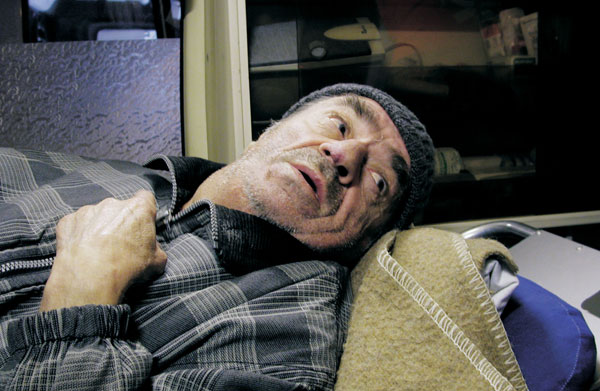
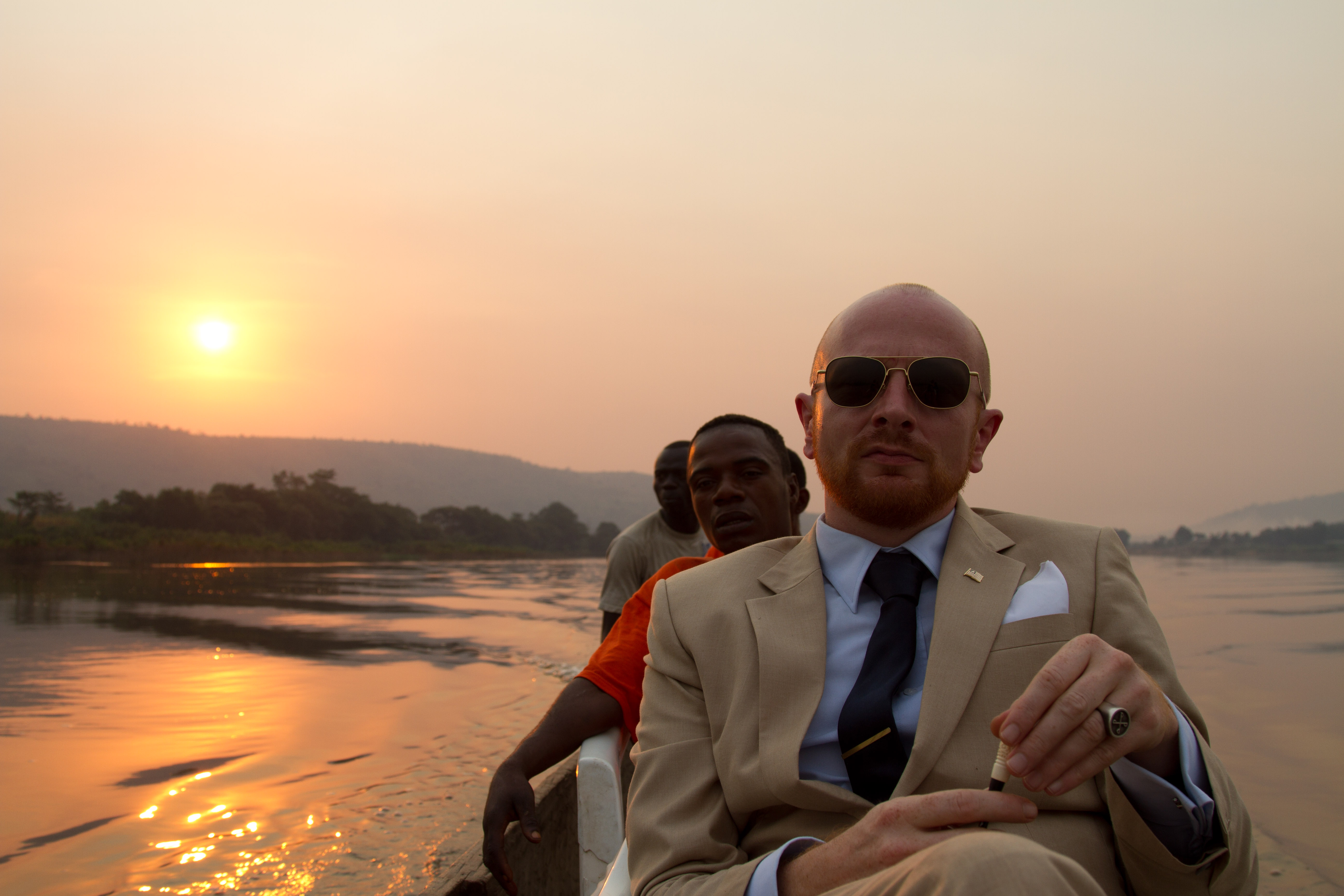
 Danish journalist Mads Brügger risked a lot more than just his career in making The Ambassador; he put his life on the line as well. “If you do it the way we will set you up to do it, you have a very high probability of success,” he is told by Colin Evans, who works for a company that can allegedly make anyone a diplomat of a diamond-rich African nation for the right price. “If you do it any other way, the best that you can hope for is to be arrested and go to jail and lose everything you’ve got. That’s the best you can hope for. The worst you can hope for is that you end up dead in a ditch in Africa.” Using his full name, Mads Johan Brügger Cortzen seeks to become a Liberian diplomat to the Central African Republic, meeting with powerful, important, and dangerous people on his fascinating journey, handing out “envelopes of happiness” filled with cash while claiming to want to build a match factory with the help of native pygmies. As Brügger’s story gets more and more ridiculous, he gains greater access, with soon only President Ellen Johnson Sirleaf’s signature necessary to achieve his absurd goal. An intriguing mix of Sacha Baron Cohen’s Borat and Ali G characters and controversial filmmaker and activist Michael Moore, Brügger, whose previous film, The Red Chapel, found him leading a bizarre experimental theater troupe into North Korea, goes about his business with a sly confidence, balancing the serious nature of the proceedings with humorous moments that threaten to reveal his ruse, but nobody seems to catch on as the money keeps flowing. (The film was financed by Lars Von Trier’s Zentropa studio.) Primarily using hidden cameras that he keeps rolling even after being told that filming is not allowed, Brügger employs his unique brand of what he calls “performative journalism,” a blend of performance art and investigative journalism that results in an outrageously entertaining film that exposes surprisingly blatant international corruption and has led to a firestorm of debate. The film opens August 29 at the IFC Center, with Brügger on hand for a Q&A following the 8:20 screenings on August 29 and 30.