HITCHCOCK, PART II: BLACKMAIL (Alfred Hitchcock, 1929)
IFC Center
323 Sixth Ave. at West Third St.
September 14-16, 11:00 am
212-924-7771
www.ifccenter.com
 Based on the play by Charles Bennett, Alfred Hitchcock’s 1929 thriller, Blackmail, is both his last silent picture as well as his first sound film. The transition is evident from the very beginning, eight glorious minutes of a police arrest with incidental music only, highlighted by an unforgettable mirror shot (courtesy of cinematographer Jack E. Cox) as the cops close in on their suspect. After those opening moments, the film switches to a talkie, as New Scotland Yard detective Frank Webber (John Longden) gets into a fight with his girlfriend, Alice White (Anny Ondra, later to become the longtime Mrs. Max Schmeling), who goes off on a secret rendezvous with a slick artist named Crewe (Cyril Ritchard). When things go horribly wrong at Crewe’s studio, Frank assures Alice that he will help her, but slimy ex-con Tracy (Donald Calthrop) has other ideas, thinking he can use some inside information to make a small killing. After shooting the picture with sound — including having Ondra’s dialogue spoken off-screen by Joan Barry because Ondra’s Eastern European accent was too thick — Sir Alfred filmed some scenes over again in silence, resulting in two versions of this splendid psychological thriller, both laced with elements of German Expressionism and early film noir as well as flashes of Edgar Allan Poe’s “The Tell-Tale Heart” and Fyodor Dostoyevsky’s Crime and Punishment. Look for Alfred as the man on the subway being menaced by a young boy. The sound version of Blackmail is being screened September 14-16 at the IFC Center as part of the “Weekend Classics: Hitchcock, Part II” series, which continues in September with such other early Hitchcock films as Secret Agent and Number 17.
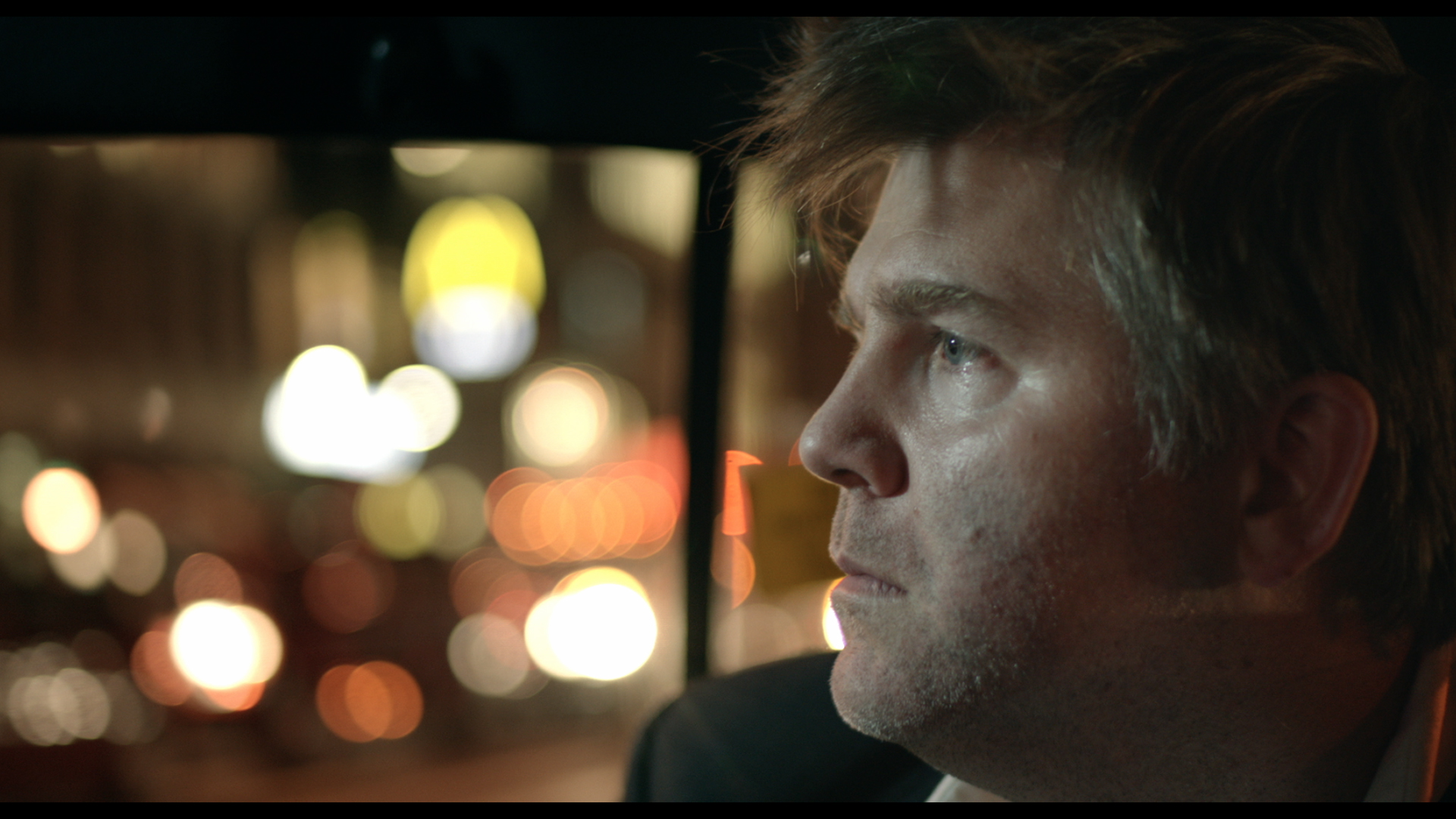
 On April 2, 2011, after ten years of building a devoted following that was still growing, electronic dance-punk faves LCD Soundsystem played its
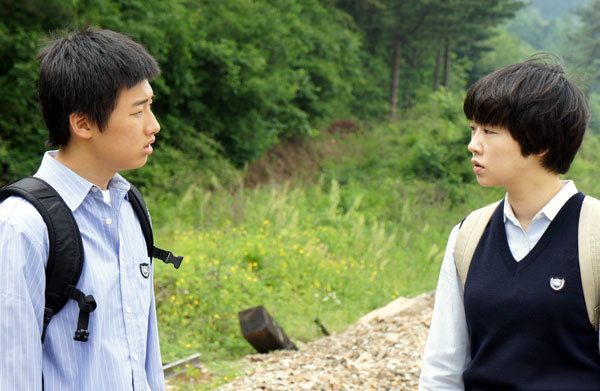
 Following in the footsteps of his mentor, Hong sang-soo, for whom he served as assistant director for five years, Lee Kwang-kuk’s debut film, Romance Joe, is a complex, engaging narrative about the art of storytelling. Made up of interweaving tales that eventually come together in surreal ways, mixing fantasy and reality, Romance Joe begins as an elderly mother and father (Kim Su-ung and Park Hye-jin) arrive in Seoul to surprise their son, a film director, but they are informed by his friend, Seo Dam (Kim Dong-hyeon), that he has disappeared after the suicide of a popular actress and has given up the film business. Soon Dam is telling his friend’s parents his own idea for a screenplay, about a determined young boy (Ryu Ui-hyeon) who runs away from home to find his mother at the only address he has for her, a teahouse brothel, where the owner, Re-ji (Shin Dong-mi), isn’t sure what to do with him. Meanwhile, Lee (Jo Han-cheol), a director with one hit under his belt and now facing writer’s block, has been left at a country inn without his cell phone, forced to finish his next screenplay. He orders coffee that is delivered by the movie-obsessed Re-ji, who tells him the story of Romance Joe (Kim Yeong-pil), a suicidal film director who relates a story of his own from his youth, when he (Lee David) saved a girl he loved, Cho-hee (Lee Chae-eun), after she slit her wrist in a forest. The various narratives — flashbacks, stories within stories, the modern-day framing, and script ideas — slowly merge in fascinating and confusing ways, reminiscent of such Hong films as