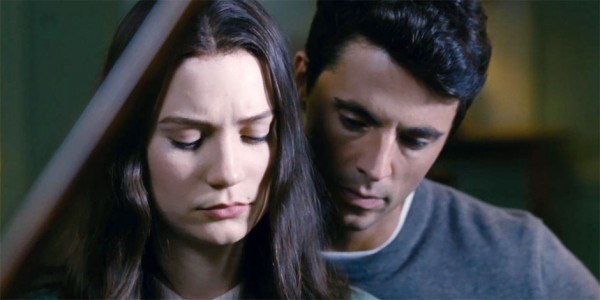
India (Mia Wasikowska) and Uncle Charlie (Matthew Goode) develop a rather unusual relationship in STOKER
STOKER (Park Chan-wook, 2013)
Museum of the Moving Image
35th Ave. at 36th St., Astoria
Thursday, February 28, $20, 7:00
Series runs through March 3
718-777-6800
www.movingimage.us
www.foxsearchlight.com/stoker
 Korean auteur Park Chan-wook has made some of the most suspenseful and violent films of the young century, beginning with the military thriller Joint Security Area and continuing with the Vengeance trilogy, consisting of Sympathy for Mr. Vengeance, Oldboy, and Lady Vengeance, as well as Thirst and the romantic comedy I’m a Cyborg But That’s OK. A master of mood, Park finally makes his long-awaited English-language debut with Stoker, a creepy, atmospheric work that evokes Alfred Hitchcock’s Shadow of a Doubt, Roman Polanski’s Rosemary’s Baby, Michael Haneke’s Funny Games, Paul Wendikos’s The Mephisto Waltz, the television show Dark Shadows, and Richard Donner’s The Omen while also managing to be wholly original. Rising Australian actress Mia Wasikowska (In Treatment, The Kids Are All Right) stars as India Stoker, a shy, introverted high school student whose father, Richard (Dermot Mulroney), has just died in a terrible accident and whose mother, Evelyn (Nicole Kidman), is too quick to grow close with Richard’s brother, Charlie (Matthew Goode) — whom India and her mom didn’t even know existed until he just showed up at the funeral. Uncle Charlie seems to have a mysterious power over people and a chilling need to control situations, especially when it comes to those who know about his secret past, including the old housekeeper, Mrs. McGarrick (Phyllis Somerville), and Charlie’s aunt, Gin (Jacki Weaver). He also takes great pleasure in placing himself firmly in the middle of a potential incestuous love triangle with Evelyn and India. But once India learns more than she ever wanted to know about her uncle, she is both repulsed by and attracted to what he is capable of. Written and coproduced by actor Wentworth Miller (The Human Stain, Prison Break), Stoker is another compelling mood piece from Park, who creates a gripping, fearful, claustrophobic world inside the Stoker’s large Nashville mansion. He releases information ever-so-slowly over the course of the film’s ninety-nine minutes, resulting in plenty of frustration as well as suspense. The look of the film, courtesy of production designer Thérèse DePrez and cinematographer Chung Chung-hoon, often has a dated, 1950s feel to it, even though it is set in the present day, with flat colors that offset India’s black-and-white shoes. The film suffers from several leaps of faith Park requires the audience to make, asking them to forgive some relatively unforgivable plot holes, and Goode is not quite convincing enough as Charlie, but Wasikowska’s portrayal of the troubled young woman is riveting, and everything comes around full circle in the shattering conclusion. Stoker, which opens theatrically on March 1, is having a special advance screening on February 28 as part of the Museum of the Moving Image tribute to Park and will be followed by a discussion with the director; the series continues through March 3 with Park’s Oldboy, Joint Security Area, Sympathy for Mr. Vengeance, Lady Vengeance, and a trio of shorts (Night Fishing, N.E.P.A.L. Never Ending Peace and Love, and Cut).
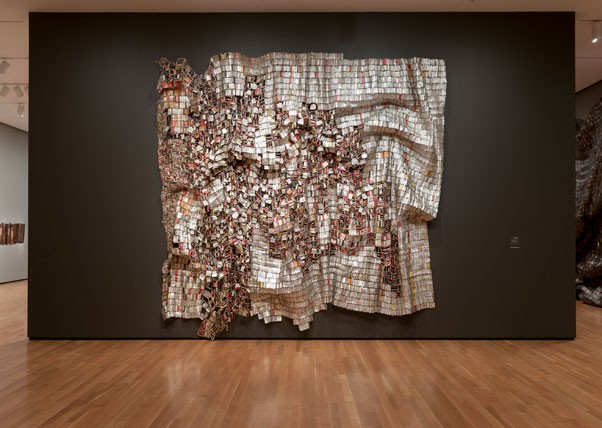

 One of the most influential and important — and vastly entertaining — works to ever come out of New York City,
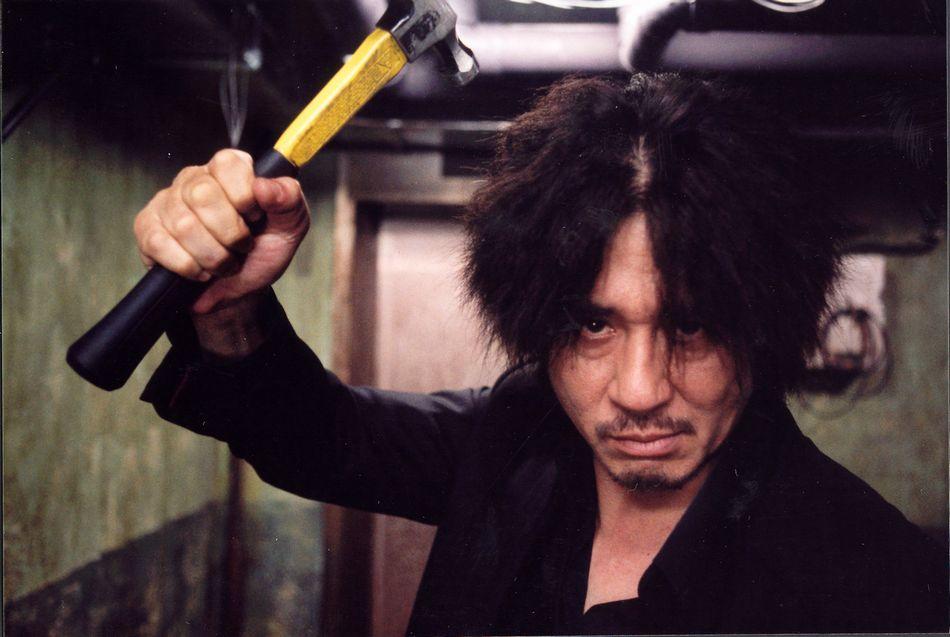
 The second in director Park Chan-wook’s revenge trilogy (in between Sympathy for Mr. Vengeance and the 2005 New York Film Festival selection Sympathy for Lady Vengeance), Oldboy is a twisted, perverse psychological thriller that won the Grand Prix de Jury at Cannes, among many other international awards. Choi Min-sik (Chihwaseon) stars as Oh Dae-su, a man who has been imprisoned for fifteen years — but he doesn’t know why, or by whom. When he is finally released, his search for the truth becomes part of a conspiracy game, as he can seemingly trust no one. As he gets closer to finding everything out, the gore and terror continues to increase. Choi is outstanding as the wild-haired Dae-su in Park’s awesome rampage of a film, which is not for the faint of heart. Oldboy is screening on March 1 as part of a Museum of the Moving Image/Korea Society tribute to Park in conjunction with the release of his first English-language film, Stoker, which opens March 1 but will get a sneak preview at the museum on February 28, with Park on hand to participate in a postscreening discussion; the series continues through March 3 with Joint Security Area, Sympathy for Mr. Vengeance, Lady Vengeance, and a trio of shorts (Night Fishing, N.E.P.A.L. Never Ending Peace and Love, and Cut).

 Returning to her small hometown of Hancock in Northern Michigan, documentarian Heather Courtney (Letters from the Other Side) wanted to make a film about the Upper Peninsula area and its residents, and she came up with quite a story. For several years, Courtney followed a group of young men who had enlisted in the National Guard because they either didn’t have enough money for college or didn’t know what else to do with their lives; she then traveled with them as they got called up and sent to fight the war in Afghanistan. Dominic Fredianelli, Cole Smith, and Matt “Bodi” Beaudoin never fully considered what they were getting into when they signed up; they clearly did not join up merely for patriotic reasons, so it doesn’t take long before they start questioning what America is doing over there. The three men, along with their families back home, allowed Courtney remarkable access, holding nothing back as they share their bittersweet emotions, their politics, their fears, and their overwhelming confusion. The men’s National Guard unit is assigned to an IED sweeper team that goes out in heavily protected vehicles, searching for and detonating hidden improvised explosive devices, but even carefully monitored explosions take their toll on the soldiers, not to mention the surprise bombs that nearly blow them to pieces. Courtney, who served as producer, director, cinematographer, and coeditor, does not add any voice-over narration or accumulate facts and statistics; instead, she lets the story tell itself, avoiding propaganda and grand statements. At first it is hard to have much sympathy for Dom, Cole, and Bodi, who should have thought a lot more about their decision to join the National Guard, but as they and their families get more deeply involved in the war, Where Soldiers Come From grows ever-more poignant and frightening. Where Soldiers Come From is screening at MoMA on March 2 at 2:00 as part of the “MoMA Selects: POV” section of “Documentary Fortnight 2013: MoMA’s International Festival of Nonfiction Film and Media”; the POV portion, which runs February 27 to March 4, celebrates a quarter-century of the award-winning PBS program POV and also includes such films as Marco Williams and Whitney Dow’s Two Towns of Jasper, Kelly Duane de la Vega and Katie Galloway’s Better This World, Marshall Curry’s If a Tree Falls: A Story of the Earth Liberation Front, and Laurel Chiten’s Twitch and Shout. “POV films and filmmakers have been at the center of a golden age of documentary filmmaking,” POV executive producer Simon Kilmurry explained in a statement. “The films in MoMA’s special program not only look back at the first twenty-five years of POV but also look forward. Collectively, they illustrate how vibrant and essential documentaries have become in exploring the human experience.”