Julie Delpy and Ethan Hawke will be at Tribeca Film Festival with Richard Linklater to screen and discuss their third collaboration, BEFORE MIDNIGHT
Multiple locations
April 17-28, free – $25
646-502-5296
www.tribecafilm.com
Tickets go on sale to the general public for the 2013 Tribeca Film Festival on Monday morning, April 15, at 11:00, following presales to American Express cardholders and downtown residents. The twelfth annual festival consists of more than two hundred shorts, documentaries, animated films, and narrative features as well as a host of talks, panel discussions, Q&As, and other special events, taking place at Tribeca Cinemas, Clearview Cinemas Chelsea, AMC Loews Village VII, BMCC Tribeca PAC, the SVA Theater, the Apple Store SoHo, World Financial Center Plaza, 92YTribeca, and Barnes & Noble Union Square. Below are only some of the highlights of this year’s wide-ranging festival; keep watching this space for further details and updates.
Thursday, April 18
Tribeca Drive-In: The Birds (Alfred Hitchcock, 1963), fiftieth anniversary screening, Brookfield Place, World Financial Center Plaza, free, 8:15
Thursday, April 18
through
Sunday, April 21 Storyscapes, Bombay Sapphire House of Imagination, Dune Studios, 121 Varick St., seventh floor, free with advance RSVP, 7:30 – 10:00 pm
Friday, April 19
Meet the Filmmakers: Tom Berninger, Matt Berninger, and Marshall Curry discussing Mistaken for Strangers (Tom Berninger, 2013), Apple Store SoHo, free, 6:00
Tribeca Drive-In: Beetlejuice (Tim Burton, 1988), twenty-fifth anniversary screening, Brookfield Place, World Financial Center Plaza, free, 8:15
Saturday, April 20
Tribeca Talks Pen to Paper: Putting the “I” in Film, with Banker White, Tom Berninger, Amy Grantham, and Josh Fox, moderated by Mark Adams, B&N Union Square, free, 1:00
Tribeca Talks: Directors Series: Mira Nair with Bryce Dallas Howard, discussing The Reluctant Fundamentalist (Mira Nair, 2012), SVA Theater 1, $25, 3:30
Sunday, April 21
Tribeca Talks: Directors Series: Jay Roach with Ben Stiller, BMCC, $25, 3:00
Monday, April 22
Tribeca Talks: Directors Series: Richard Linklater with Ethan Hawke and Julie Delpy, discussing Before Midnight (Richard Linklater, 2013), SVA Theater 1, $25, 3:30
Tribeca Talks After the Movie: Elaine Stritch: Shoot Me (Chiemi Karasawa, 2013), followed by a talk with Stritch and Karasawa, moderated by Charles Isherwood, SVA Theater 2, $25, 5:30
Tuesday, April 23
Future of Film: A Conversation with Nerdist, featuring Chris Hardwick interviewing the Safdie brothers, Lisa Donovan, Andy Goldberg, Morgan Spurlock, and David Gordon Green, 92YTribeca, free, 12 noon – 2:00
Tribeca Talks Industry: Music + Film, with Matt Berninger, Q-Tip, and Todd Haynes, moderated by Joe Levy, SVA Theater 1, free with advance RSVP, 3:30
Tribeca Talks After the Movie: Tricked (Paul Verhoeven, 2013), followed by a conversation with Verhoeven moderated by Scott Foundas, SVA Theater 1, $25, 6:30
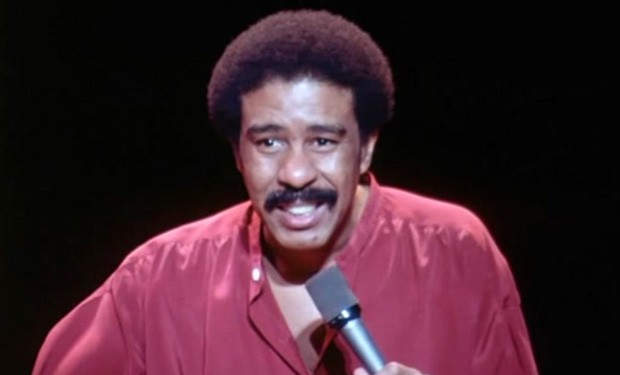
All-star panel will discuss Marina Zenovich’s RICHARD PRYOR: OMIT THE LEGACY at Tribeca Film Festival
Wednesday, April 24
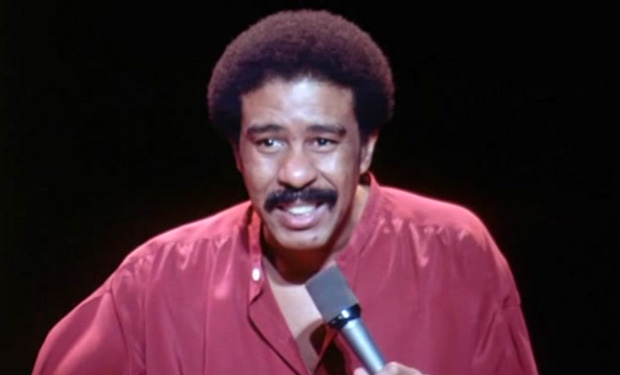
Tribeca Talks After the Movie: Richard Pryor: Omit the Logic (Marina Zenovich, 2013), followed by a discussion with Zenovich, Tracy Morgan, Walter Mosley, and Wyatt Cenac, moderated by Jacob Bernstein, SVA Theater 1, $25, 6:00
Thursday, April 25
Tribeca Talks Industry: New Filmmakers in the Digital Age, with Lance Edmunds, Alex Karpovsky, Jenée LaMarque, Rob Meyer, and Tamara Anghie, moderated by Peter Brogna, SVA Theater 2, free with advance RSVP, 2:30
Friday, April 26
Meet the Filmmakers: Adrian Grenier and Matthew Cooke discussing How to Make Money Selling Drugs (Matthew Cooke, 2012), Apple Store SoHo, free, 6:00
Saturday, April 27
Tribeca/ESPN Sports Day, North Moore St. between Greenwich & West Sts., free, 10:00 am – 6:00 pm
Tribeca Family Festival Street Fair, Greenwich St. between Chambers & Hubert Sts., including 11:00 BMCC screening of The Smurfs (Raja Gosnell, 2011) with sneak peek at The Smurfs 2 (Raja Gosnell, 2013) and guest appearance by Christina Ricci, free, 10:00 am – 6:00 pm
Tribeca Talks: Directors Series: Clint Eastwood with Darren Aronofsky, discussing Eastwood Directs: The Untold Story (Richard Schickel, 2013), BMCC, $25, 2:30
Tribeca Talks After the Movie: twentieth anniversary screening of And the Band Played On (Roger Spottiswoode, 1993), followed by discussion with Matthew Modine, Ron Nyswaner, and David France, moderated by Tom Kalin, SVA Theater 1, free with advance RSVP, 3:30
Sunday, April 28
Tribeca Talks After the Movie: Out of Print (Vivienne Roumani, 2013), followed by a discussion with Roumani, Tony Marx, Jane Friedman, and Annie Murphy Paul, moderated by Ken Auletta, SVA Theater 2, $25, 1:30

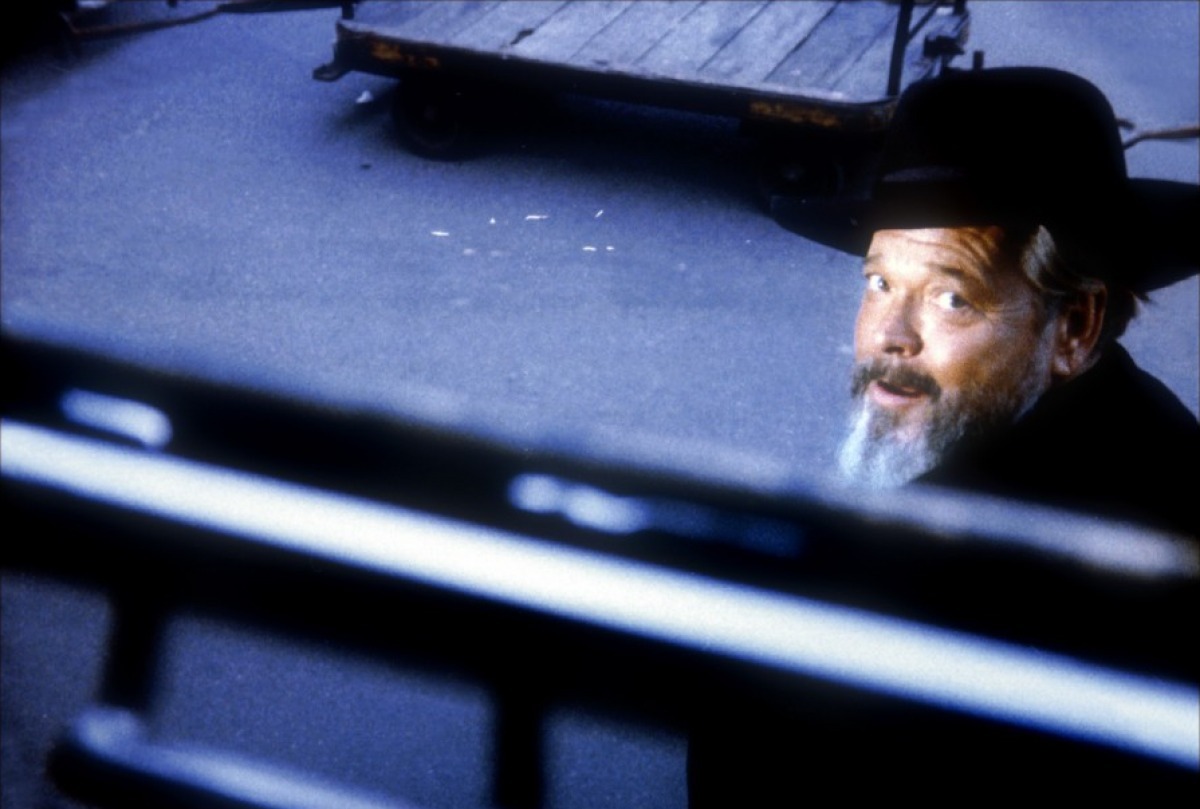
 Orson Welles plays a masterful cinematic magician in the riotous F for Fake, a pseudo-documentary (or is it all true?) about art fakes and reality. Exploring slyly edited narratives involving art forger Elmyr de Hory, writer Clifford Irving, Spanish painter and sculptor Pablo Picasso, and reclusive billionaire Howard Hughes, the iconoclastic auteur is joined by longtime companion Oja Kodar and a cast of familiar faces in a fun ride that will leave viewers baffled — and thoroughly entertained. Welles manipulates the audience — and the process of filmmaking — with tongue firmly planted in cheek as he also references his own controversial legacy with nods to such classics as Citizen Kane and The Third Man. It’s both a love letter to the art of filmmaking as well as a warning to not always believe what you see, whether in books, on canvas, or, of course, at the movies. F for Fake is screening April 20 & 21 at noon as part of the new Nitehawk Cinema monthly series “Art Seen,” which continues May 18-19 with Ben Shapiro’s Gregory Crewdson: Brief Encounters and June 22-23 with The Cool School and Paul McCarthy’s The Black and White Tapes. Each program will begin with an “Artist Film Club” presentation that includes one video from the 2013 Moving Image Art Fair.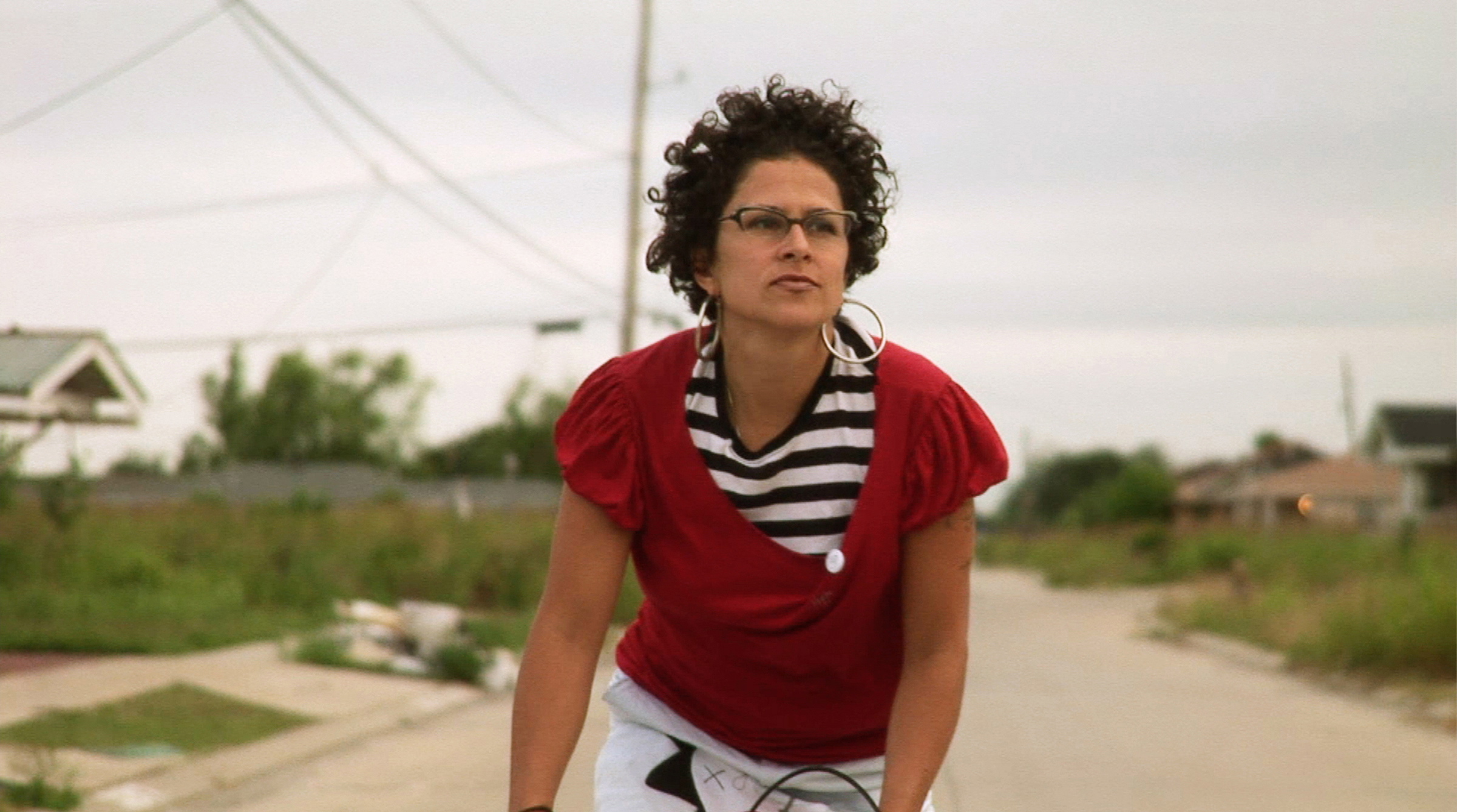
 After attending a presentation in 2001 by Robert King, the former Angola 3 inmate, about the controversial conditions in the Louisiana State Penitentiary and the continued incarceration — in solitary confinement — of Albert Woodfox and Herman Wallace, Brooklyn-born multidisciplinary artist Jackie Sumell began a correspondence with Wallace that developed into a fascinating friendship that is explored in Angad Singh Bhalla’s debut documentary, Herman’s House. “I’m not a lawyer and I’m not rich and I’m not powerful, but I’m an artist,” Jackie says in the film. “And I knew the only way I could get him out of prison was to get him to dream.” She gets him to dream by having him describe, in exacting detail, the house he’d like to live in if he were to ever be released, and she goes ahead and designs it, working with architects on the blueprints. She also builds a scale model that becomes part of a traveling art exhibit, “The House That Herman Built,” which includes a precise re-creation in wood of Wallace’s six-by-nine-foot cell, his home for thirty-six years. Bhalla, who wrote, directed, and produced the film, while also serving as director of photography with Iris Ng, never shows Wallace on camera; instead, he paints a portrait of the New Orleans native —who was first convicted of bank robbery in 1967, then of killing a prison guard in 1972, eventually sentenced to life without parole for a crime he claims he didn’t commit — through a series of recorded phone conversations he has with Sumell over the years. Bhalla also visits with ex-convict Michael Musser, who got his life back on track because of Wallace; Wallace’s sister Vickie, who is not afraid to speak her mind; and King, who helped form the Angola chapter of the Black Panther Party with Wallace, Woodfox, and others. “You look at this house, you’re looking at me,” Wallace says. Indeed, viewers might never get to see Wallace, but by the end of the film, they will feel like they know him — and will hope for his release. But Bhalla never steers the narrative into a clarion call condemning the prison system and demanding Wallace’s freedom, instead allowing those elements to be subtle parts of this intriguing tale of a very unusual relationship.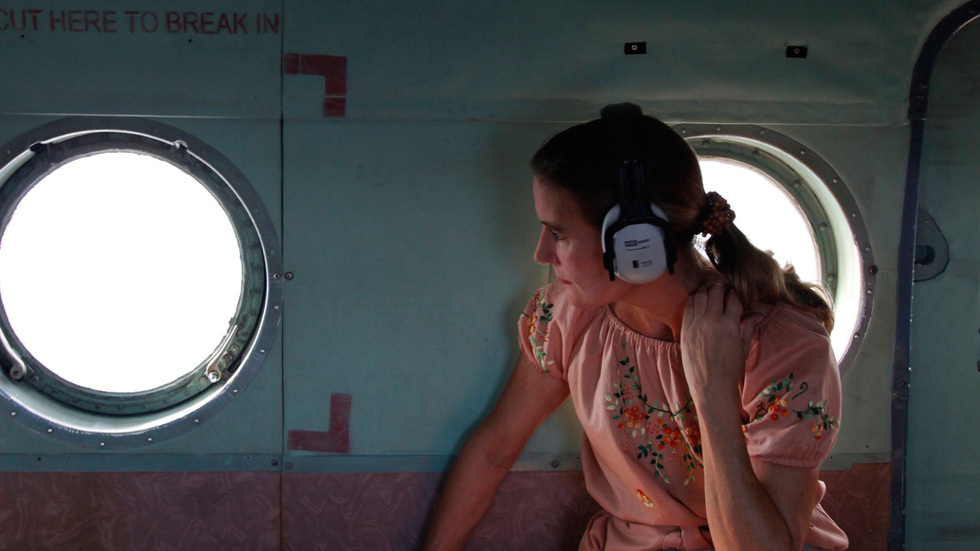
 Alias Ruby Blade: A Story of Love and Revolution is an intimate, involving documentary that goes behind the scenes of East Timor’s battle for independence, structured like a gripping thriller with a decidedly personal edge. In 1991, Australian Kirsty Sword went to East Timor as part of a team posing as tourists while actually making a secret film about the embattled Indonesian island. Almost immediately, the Australian teacher and activist found herself right in the middle of the violent struggle as bullets flew all around her and her team, but they kept the cameras rolling, compiling amazing footage that helped alert the world as to what was happening there. Sword soon became a courier for the revolution, adopting the spy name Ruby Blade and smuggling in notes and, eventually, electronic equipment to jailed resistance leader Kay Rala “Xanana” Gusmão, who was serving a life sentence in Jakarta’s Cipinang Prison. Armed with a camera, Sword took remarkable footage during those years, most of which has never before been shown to the public; she opened up her archives for husband-and-wife documentarians Tanya Ager Meillier and Alex Meillier and speaks extensively with them in the film, relating her involvement with the independence movement — which included falling in love with the charismatic Xanana. The Meilliers also talk with such key resistance fighters as Nobel Peace Prize winner José Ramos-Horta and diplomat Constancio Pinto as well as historian and human rights activist Geoffrey Robinson and Inside Indonesia editor Pat Walsh, who share their stories about the Indonesian occupation that lasted from 1975 to 1999, followed by a UN-sponsored referendum for independence that led to yet more horrors. But Sword, who narrates much of the film, and Xanana, who appears primarily in archival footage and photographs, never gave up their dream of a free, democratic East Timor while also considering a life together. As much as Alias Ruby Blade delves into the political situation in East Timor, it’s really about how a young, strong woman followed her heart and made a difference in a faraway part of the globe. Alias Ruby Blade will have its North American premiere at the Tribeca Film Festival, where it’s part of the Documentary Competition. (By the way, the less you know about how things turned out in East Timor, the more exciting the film is, so don’t read up on it before going to one of the four screenings.)