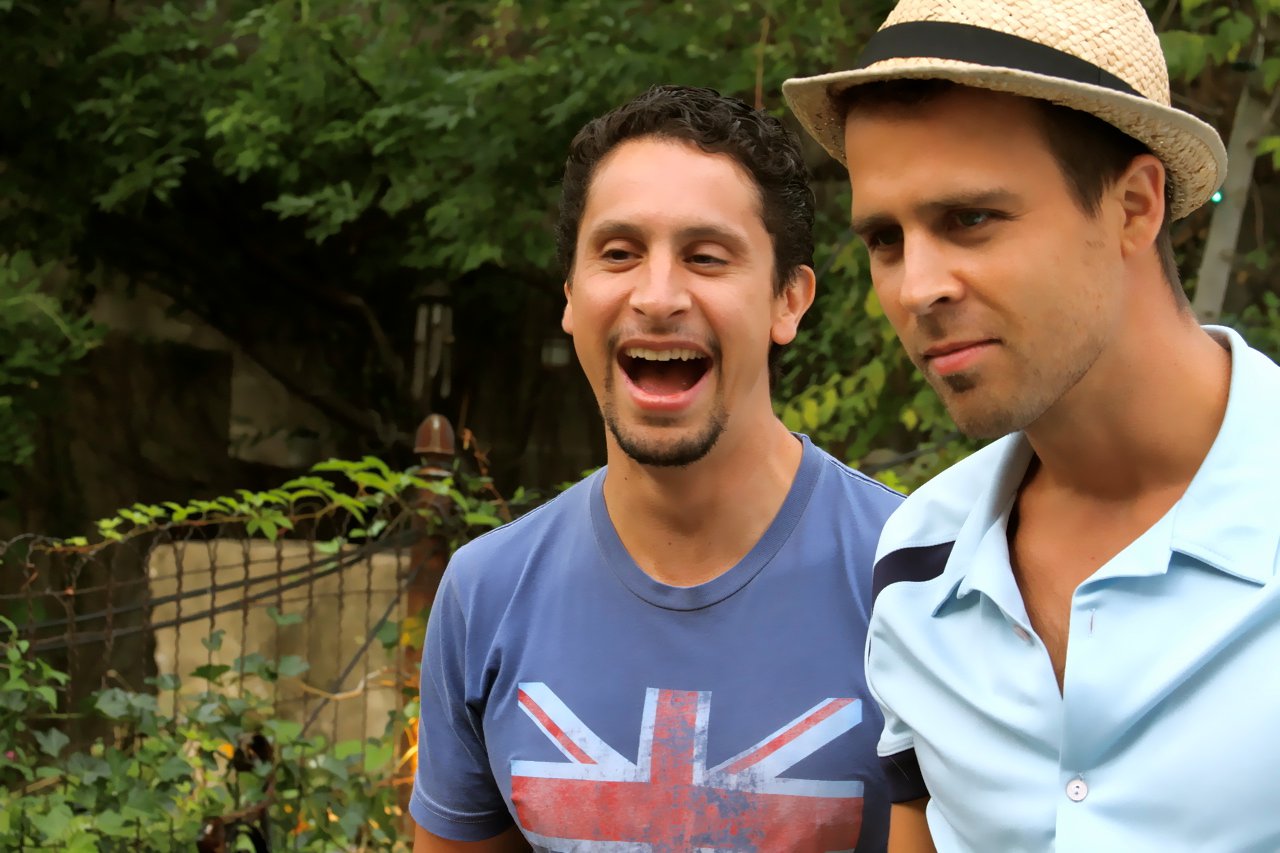
Real-life partners Ricardo Valdez and Brian W. Seibert wrote, produced, and star in film set in their Brooklyn apartment
TURTLE HILL, BROOKLYN (Ryan Gielen, 2011)
Quad Cinema
34 West 13th St.
Opens Friday, May 3
212-255-2243
www.quadcinema.com
www.turtlehillbrooklyn.com
 If director Ryan Gielen’s Turtle Hill, Brooklyn feels real, that’s because it was written and produced by real-life partners Brian W. Seibert and Ricardo Valdez, who star as on-screen couple Will (Seibert) and Mateo (Valdez), and takes place in their Sunset Park apartment, in a neighborhood they have redubbed “Turtle Hill” for this gentle, understated slice-of-life drama. It’s Will’s thirtieth birthday, and Mateo is getting ready to throw a big party in their backyard patio. But when Will’s sister unexpectedly shows up early in the morning and suddenly discovers that her brother is gay — and is clearly not okay with that kind of lifestyle — Will and Mateo start examining themselves and their relationship as friends start arriving for the celebration, where there’s lots of food and drink as well as discussions about politics, same-sex marriage, immigration, drugs, discrimination, and America itself, none of which comes off as pedantic. Things, however, threaten to become volatile when a gym trainer stops by, exciting Will and unnerving Mateo. Shot with a handheld camera by Andrew Tank Rivara, the film invites the audience into the party, as if they are guests as well, surrounded by friends and family. (Indeed, many of the guests are friends of Seibert and Valdez’s.) It’s a welcoming atmosphere filled with believable situations and characters, even though Seibert and Valdez have explained that the plot is not autobiographical. And the film avoids the potential pitfalls of pushing a gay agenda by simply allowing the story to play out organically, resulting in an involving tale about two people in love, facing a pivotal moment in their lives together. A film festival hit across the country, Turtle Hill, Brooklyn, which won the Audience Award for Best Narrative Feature at 2011’s NewFest, opens May 3 at the Quad, with Gielen, Seibert, and Valdez participating in Q&As following the 7:00 and 9:00 screenings on Friday and Saturday.
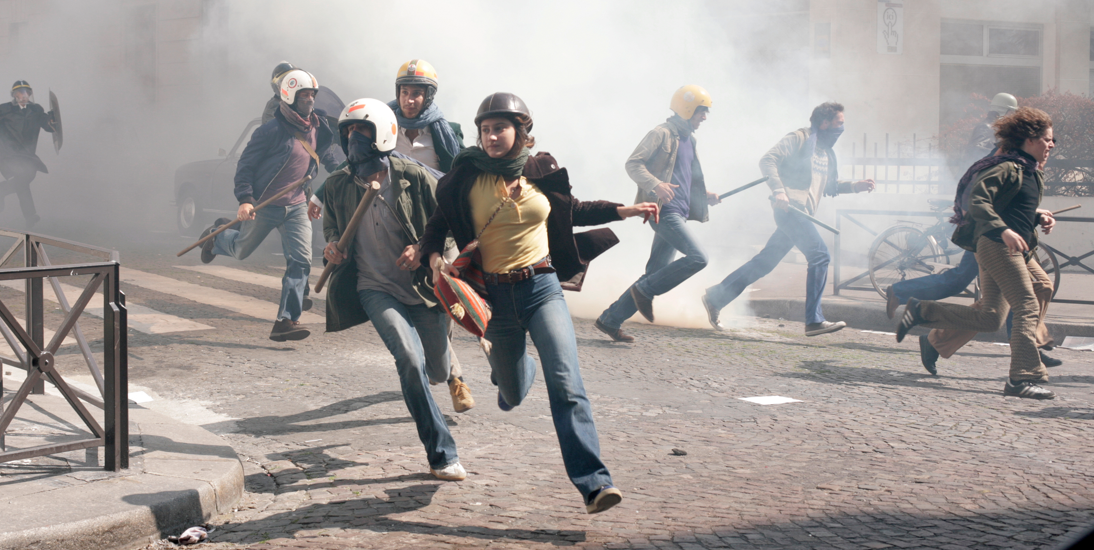
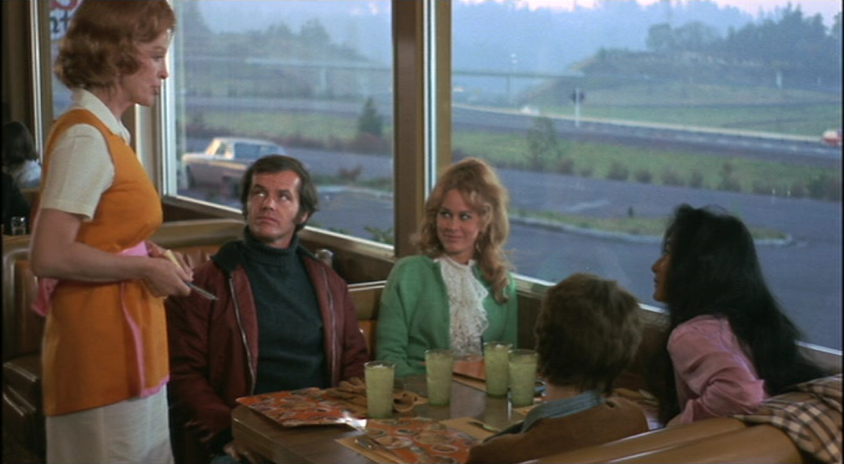
 Olivier Assayas’s autobiographical coming-of-age tale Something in the Air is a fresh, exhilarating look back at a critical period in twentieth-century French history. In this sort-of follow-up to his 1994 film about 1970s teenagers, Cold Water, which starred Virginie Ledoyen as Christine and Cyprien Fouquet as Gilles, Something in the Air features newcomer Clément Métayer as a boy named Gilles and Lola Créton (
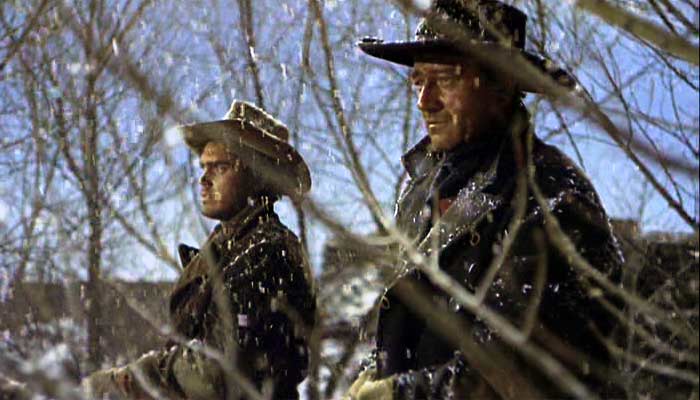
 That’ll be the day when someone tries to claim there’s a better Western than John Ford’s ethnocentric look at the dying of the Old West and the birth of the modern era. Essentially about a gunfighter’s attempt to find and kill his young niece, who has been kidnapped and, ostensibly, ruined by Indians, The Searchers is laden with iconic imagery, inside messages, and not-so-subtle metaphors. Hence, it is no accident that John Wayne’s son, Patrick, plays an ambitious yet inept officer named Greenhill. The elder Wayne stars as Ethan Edwards, a tough-as-nails Confederate veteran seeking revenge for the murder of his brother’s family; he’s also out to save Debbie (Natalie Wood) from the Comanches, led by a chief known as Scar (Henry Brandon), by ending her life, because in his world view, it’s better to be dead than red. Joining him on his trek is Debbie’s adopted brother, Martin Pawley (Jeffrey Hunter), who wants to save her from Edwards. The magnificent film balances its serious center with a large dose of humor, particularly in the relationships between Ethan and Martin and Ethan with his Indian companion, Look (Beulah Archuletta). And keep your eye on that blanket in front of the house. The Searchers is screening as part of Nitehawk Cinema’s “Country Brunchin’” series and will be preceded by a live set by New York City postpunk folkers Tatters and Rags.