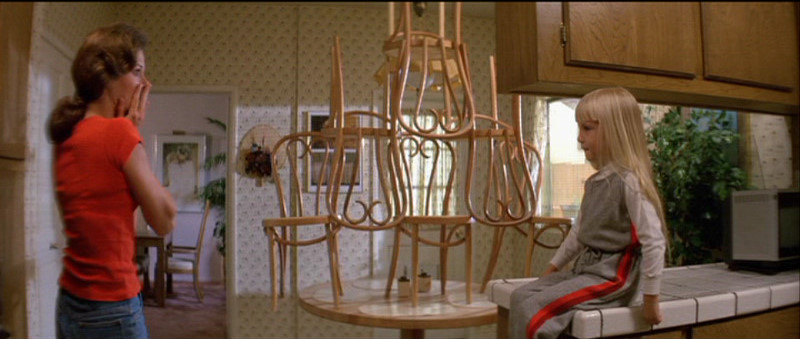
Life is about to get a whole lot creepier for the Freeling family in POLTERGEIST
POLTERGEIST (Tobe Hooper, 1982)
Landmark Sunshine Cinema
143 East Houston St. between First & Second Aves.
Friday, October 18, and Saturday, October 19, $10, 12 midnight
212-330-8182
www.landmarktheatres.com
 When psychic Tangina Barrons (Zelda Rubinstein) says “Don’t go into the light,” she means it in more ways than one, so be sure to take heed when Tobe Hooper’s classic modern ghost story screens at Landmark Sunshine Cinema this Friday and Saturday at midnight. Inspired by the 1962 Twilight Zone episode “Little Girl Lost,” Poltergeist, which also features the significant involvement of cowriter and producer Steven Spielberg, has all the elements in all the right places to just plain scare the hell out of you. Shortly after Steven (Craig T. Nelson) and Diane (JoBeth Williams) Freeling move into their new home in the planned California community of Cuesta Verde, things start getting very creepy, especially when youngest daughter Carol Anne (Heather O’Rourke) announces, “They’re here,” then disappears into the television. Meanwhile, older sister Dana (Dominique Dunne) freaks out, and brother Robbie (Oliver Robins) has a bit of a problem with a clown doll and a tree branch. Hooper (The Texas Chain Saw Massacre, Lifeforce) lets the tension build slowly until it eventually explodes in a no-holds-barred ending that will have you digging into the cuticles of whoever is sitting next to you. And yes, those skeletons are real human bones, not replicas. The success of Poltergeist led to two sequels, a television series, and, unfortunately, a possible remake, but there’s nothing quite like the original, a deviously delicious frightfest that continues to send shivers down the spine no matter how often one sees it. And yes, Steven’s boss is indeed played by the Pathmark man (James Karen). Sadly — some say the result of a curse — O’Rourke died in 1988 at the age of twelve, and Dunne, the daughter of writer Dominick Dunne, was murdered by a former boyfriend in 1982 when she was just twenty-two. Consider yourself warned.
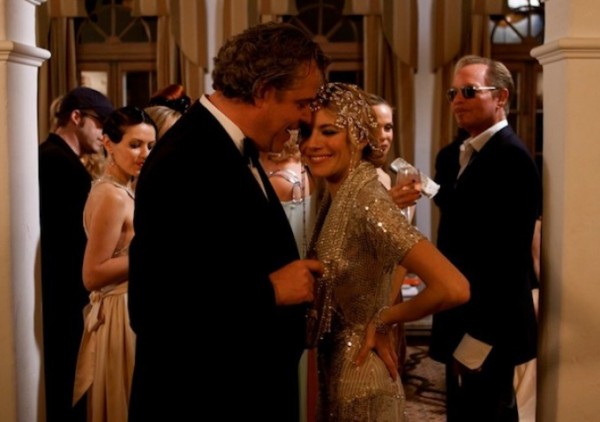
 Danny Huston and Bernard Rose continue their adaptations of the work of Leo Tolstoy in the inside-joke-laden, fair-to-middling Two Jacks. Following 1997’s Anna Karenina, 2000’s Ivansxtc, and 2008’s The Kreutzer Sonata, writer, director, editor, and cinematographer Rose and executive producer and star Huston explore Hollywood legend in the film, which is based on the Tolstoy short story “Two Hussars.” The first half, shot in black-and-white, features Huston as Jack Hussar, a cigar-chomping old-time Hollywood auteur seeking financing for a picture he wants to make in Africa; any resemblance to Danny’s father, director John Huston, is purely on purpose. Shuttled around by huge fan and wannabe filmmaker Brad Perry (Dave Pressler), Hussar goes to a party where he meets the glittering Diana (Siennna Miller) and eventually gets into more than a bit of trouble. The second half of the film, shot in color, takes place several decades later, as Jack’s son, Jack Hussar Jr., played by Boardwalk Empire’s Jack Huston, Danny’s nephew and John’s grandson, arrives in Hollywood to make his first movie, getting involved with an older Diana (Jacqueline Bisset), her daughter, Lily (Rosie Fellner), his father’s card-playing producer, Lorenzo (narrator Richard Portnow), and Lorenzo’s young girlfriend, Laura (Scarlett Kapella). Like father, like son; much of the action in the second half mimics what happened in the first half. Two Jacks never quite achieves its goals, caught between its main narrative and creating a meta surrounding the Huston family. It ends up being overly predictable and disjointed, although it does have its moments, particularly the scenes involving Jack Sr. and Diana. Two Jacks, which premiered at the 2012 Montreal World Film Festival, opens October 18 at Cinema Village; meanwhile, Rose and Danny Huston have already made their next Tolstoy adaptation, Boxing Day.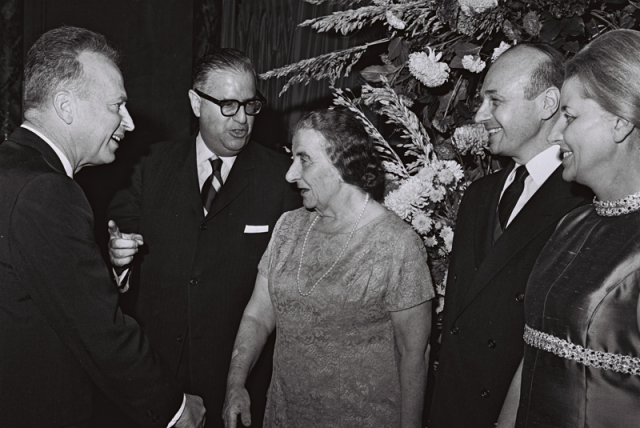
 The Simon Wiesenthal Center’s Oscar-winning team of writer-director-producer Richard Trank and writer-producer Rabbi Marvin Hier (The Long Way Home, Genocide) has followed up the staid, plodding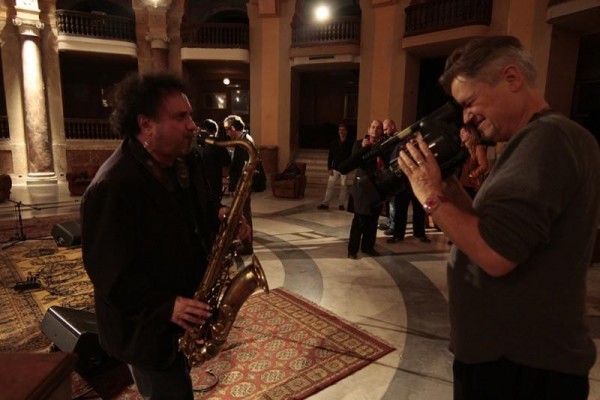
 About six years ago, Jonathan Demme was driving in his car toward the George Washington Bridge when he heard a song on the radio that changed his life. It was by a Neapolitan musician he had never heard of before, Enzo Avitable. A few years later, producer Davide Azzolini invited Demme to be a special guest at the Naples Film Festival, and Demme agreed to attend, as long as he got to meet Avitable. Not only did Azzolini arrange the meeting, but they all decided to work together as well. The result is the charming documentary Enzo Avitable Music Life, in which Demme captures the always smiling and positive Avitable playing in a beautiful Baroque church with a stellar group of musicians from around the world, showing off his cluttered apartment (along with photos of him with James Brown, Tina Turner, and other superstars he has performed with), and visiting his childhood town of Marianella. As with such previous Demme documentaries as Stop Making Sense, Storefront Hitchcock, and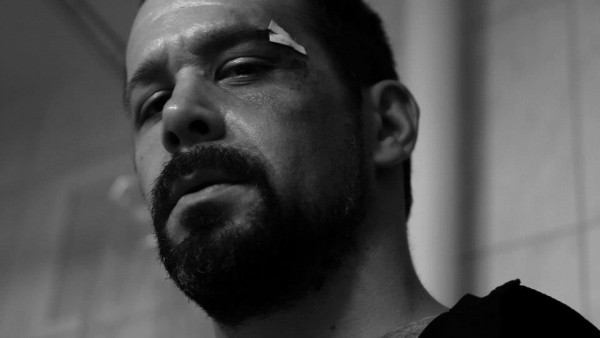
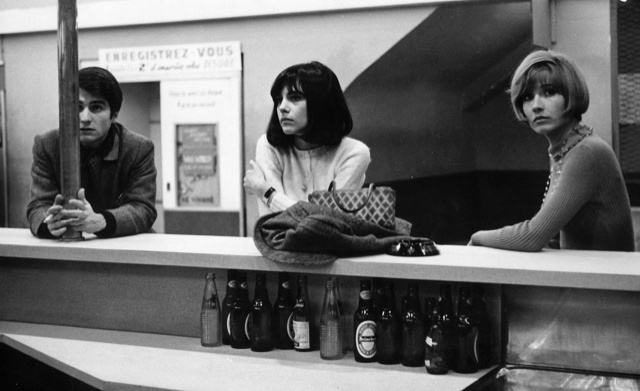
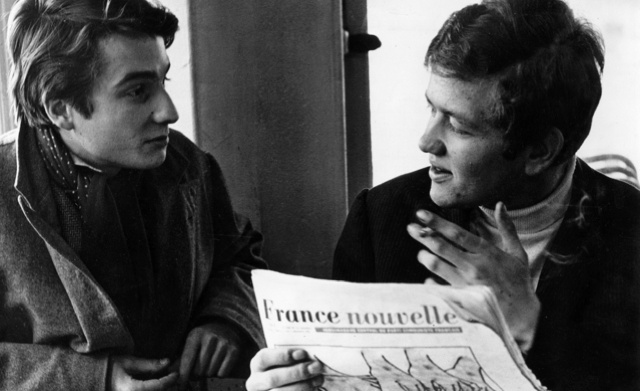
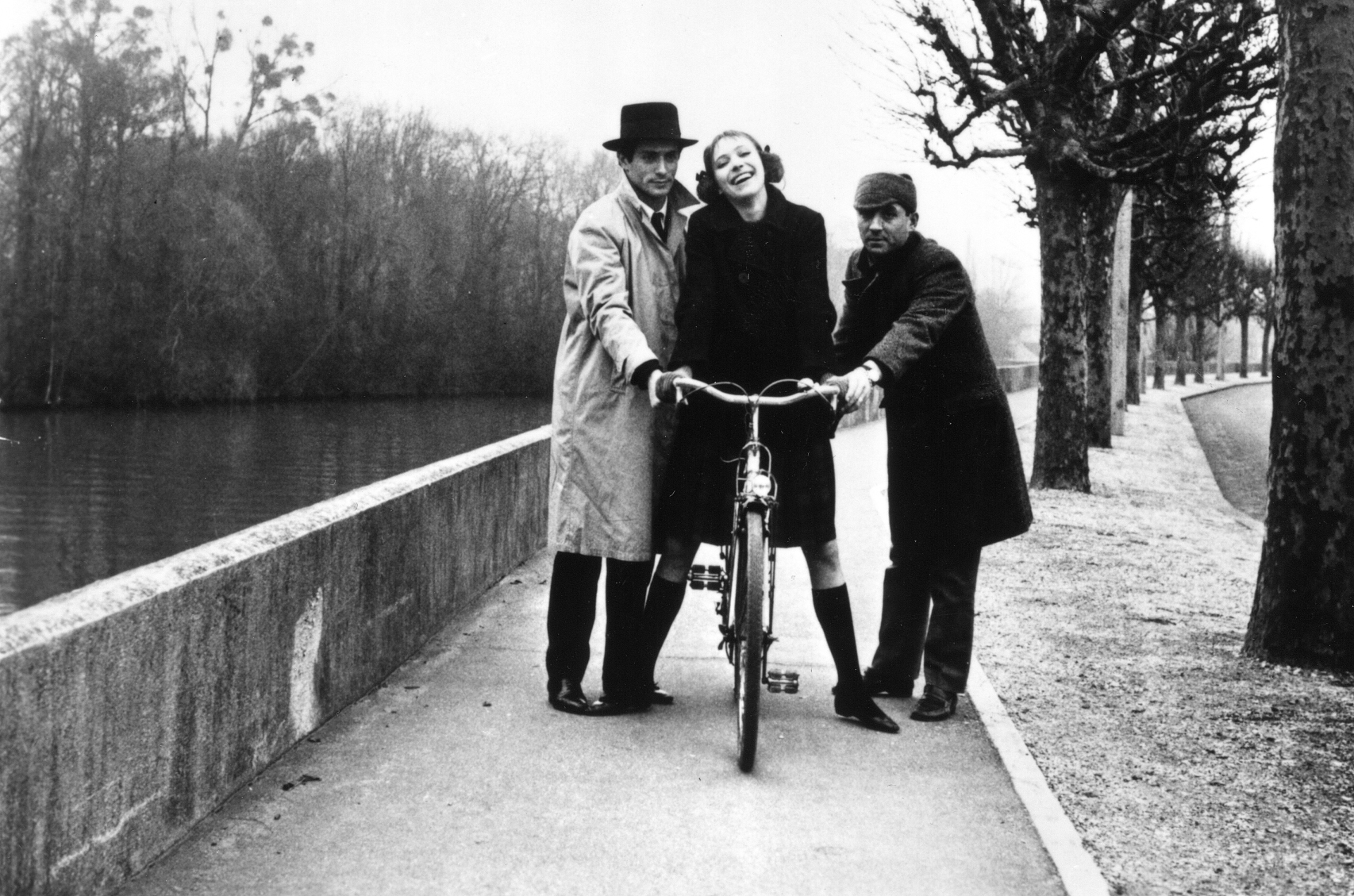
 When a pair of disaffected Parisians, Arthur (Claude Brasseur) and Franz (Sami Frey), meet an adorable young woman, Odile (Anna Karina), in English class, they decide to team up and steal a ton of money from a man living in Odile’s aunt’s house. As they meander through the streets of cinematographer Raoul Coutard’s black-and-white Paris, they talk about English and wealth, dance in a cafe while director Jean-Luc Godard breaks in with voice-over narration about their character, run through the Louvre in record time, and pause for a near-moment of pure silence. Godard throws in plenty of commentary on politics, the cinema, and the bourgeoisie in the midst of some genuinely funny scenes. Band of Outsiders is no ordinary heist movie; based on Dolores Hitchens’s novel Fool’s Gold, it is the story of three offbeat individuals who just happen to decide to attempt a robbery while living their strange existence, as if they were outside from the rest of the world. The trio of ne’er-do-wells might remind Jim Jarmusch fans of the main threesome from Stranger Than Paradise (1984), except Godard’s characters are more aggressively persistent. One of Godard’s most accessible films, Band of Outsiders is screening October 18 at the Francesca Beale Theater as part of the expansive Film Society of Lincoln Center series “Jean-Luc Godard — The Spirit of the Forms,” which continues through October 31 with such other Godard works as Les Carabiniers, La Chinoise, Contempt, Film Socialisme, King Lear, Nôtre musique, and many more.