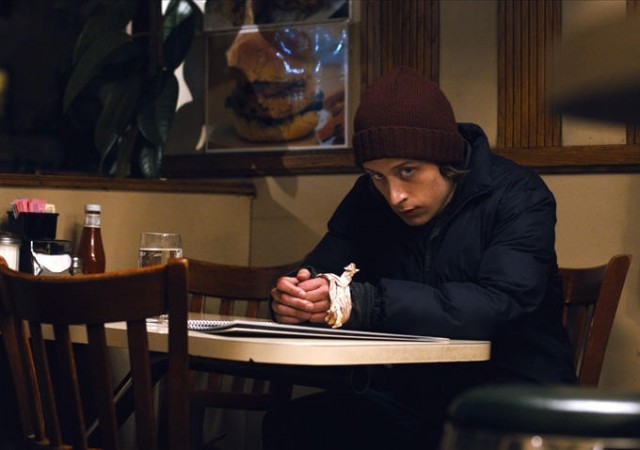
Rory Culkin will be among the special guests at the ReelAbilities film festival, discussing his starring role in GABRIEL
Multiple venues
March 12-18, free – $50 (most film screenings $12-$13)
newyork.reelabilities.org
The seventh annual ReelAbilities film festival will feature more than two dozen programs, focusing on “promoting awareness and appreciation of the lives, stories, and artistic expressions of people with different disabilities.” This year’s festival, running March 12-18, will take place at more than three dozen locations in all five boroughs in addition to Westchester and Long Island. The Finishers, Nils Tavernier’s drama about a teenager with cerebral palsy who is convinced by his father that the two should compete together in an Ironman triathlon in France, is the opening-night selection, with a gala screening at the Intrepid Sea, Air & Space Museum, while the closing-night film is Carlo Zoratti’s The Special Need, about a twenty-nine-year-old autistic man who is determined to lose his virginity, being shown March 18 at the JCC in Manhattan and followed by a reception. Among the other films are Adam Kahan’s The Case of the Three Sided Dream, a documentary about blind and paralyzed jazzman Rahsaan Roland Kirk; Troy Kotsur’s mockumentary No Ordinary Hero: The SuperDeafy Movie; Richard Kane’s Jon Imber’s Left Hand, which tells the story of the artist who had to switch the hand he paints with because of ALS; and Lou Howe’s Gabriel, which stars Rory Culkin as a teenager dealing with mental illness. (Many of the screenings will be followed by discussions and Q&As with the filmmakers, actors, protagonists, and health professionals.) There will also be such special events as “(In)Visible,” a conversation between blind Michigan Supreme Court justice Richard Bernstein and Jason’s Connections cofounder Jason Harris; a multimedia exhibit at the JCC in Manhattan by the Jack and Shirley Silver Center for Special Needs; the ReelAbilities Comedy Night at the JCC with Anita Hollander, Mary Archbold, Pat Shay, Shannon DeVido, and David Harrell; and a Shabbat Dinner celebrating the twenty-fifth anniversary of the Americans with Disabilities Act, with film screenings and a panel discussion with historian Warren Shaw, Justice Bernstein, photographer Rick Guidotti, and others, moderated by Lawrence Carter-Long.
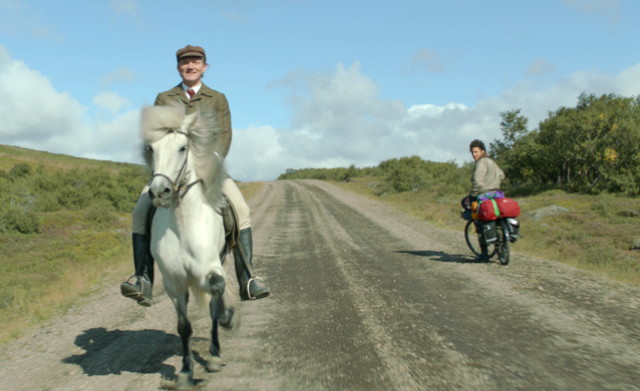
 Iceland’s entry for the 2013 Academy Awards and winner of the 2014 Nordic Council Film Prize, Benedikt Erlingsson’s black comedy, Of Horses and Men, takes an absurdist look at the relationship between humans and horses, incorporating love, sex, pain, responsibility, friendship, religion, and death in darkly comic and heart-rending ways. In a tight-knit community spread across a sweeping rural landscape in Iceland, horses are far more plentiful than people. One morning, Kolbeinn (Ingvar E. Sigurdsson) goes for a ride aboard his gorgeous white mare as men, women, and children come outside to watch him pass by like it’s a parade. But a shocking, unexpected encounter with Solveig’s (Charlotte Bøving) black stallion sets into motion a series of interconnected vignettes, each successive one featuring a minor character from a previous scene. Lust, land disputes, gender distinction, and other agreements and disagreements lead to either tragedy or joy, but, of course, this being Iceland, the former is far more prevalent, especially as more and more Brennivin (Black Death) and other drink is consumed. Writer-director Erlingsson’s debut feature is gorgeously photographed by Bergsteinn Björgúlfsson, whose camera moves lovingly over the green fields and mountainous valleys, treating the horses like Hollywood sirens, zooming in on their eyes to show the reflection of the people who seek to control them, equating the basic animal instincts of both species. The horses in the film are no mere props; Erlingsson, who grew up in a theatrical family and has directed numerous stage productions (in addition to owning a horse, whom he called his “life companion,” for thirty years until recently having to put her down), treats the animals like characters in their own right, revealing their, dare we say, humanity. Produced by Icelandic cinema legend Friðrik Þór Friðriksson (Children of Nature, Mamma Gógó), Of Horses and Men is a dark, wildly entertaining treatise on human nature among a rather quirky and unusual equestrian set. The film is being shown March 11-17 at the Museum of Modern Art as part of the ongoing MoMA Presents series.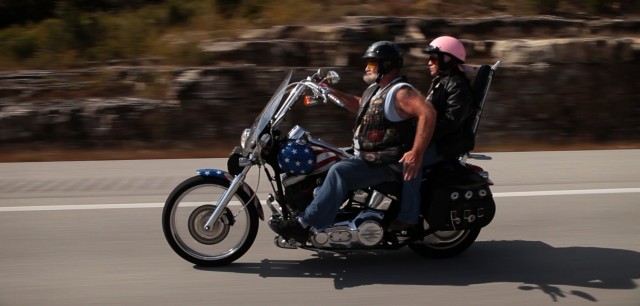
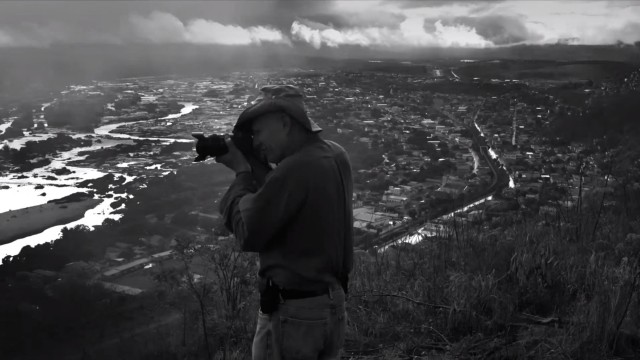
 Over the course of his storied five-decade career, German-born auteur and photographer Wim Wenders has alternated between making documentaries, primarily about other artists (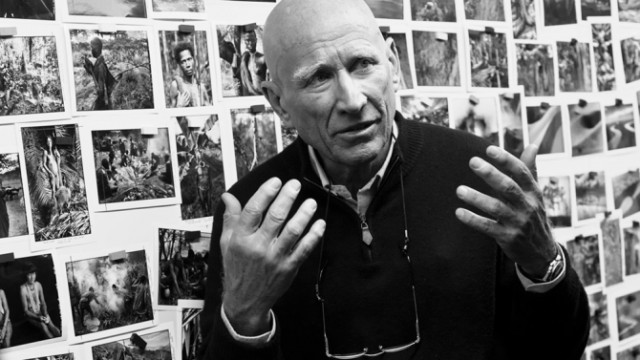
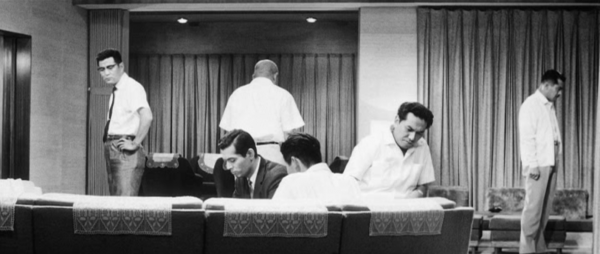
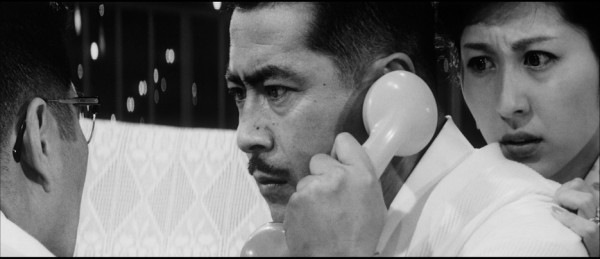
 On the verge of being forced out of the company he has dedicated his life to, National Shoes executive Kingo Gondo’s (Toshirō Mifune) life is thrown into further disarray when kidnappers claim to have taken his son, Jun (Toshio Egi), and are demanding a huge ransom for his safe return. But when Gondo discovers that they have mistakenly grabbed Shinichi (Masahiko Shimazu), the son of his chauffeur, Aoki (Yutaka Sada), he at first refuses to pay. But at the insistence of his wife (Kyogo Kagawa), the begging of Aoki, and the advice of police inspector Taguchi (Kenjiro Ishiyama), he reconsiders his decision, setting in motion a riveting police procedural that is filled with tense emotion. Loosely based on Ed McBain’s 87th Precinct novel King’s Ransom, Akira Kurosawa’s High and Low, photographed by longtime Kurosawa cinematographer Asakazu Nakai, is divided into two primary sections: The first half takes place in Gondo’s luxury home, orchestrated like a stage play as the characters are developed and the plan takes hold. The second part of the film follows the police, under the leadership of Chief Detective Tokura (Tatsuya Nakadai), as they hit the streets of the seedier side of Yokohama in search of the kidnappers. Known in Japan as Tengoku to Jigoku, which translates as Heaven and Hell, High and Low is an expert noir, a subtle masterpiece that tackles numerous socioeconomic and cultural issues as Gondo weighs the fate of his business against the fate of a small child; it all manages to feel as fresh and relevant today as it probably did back in the ’60s.