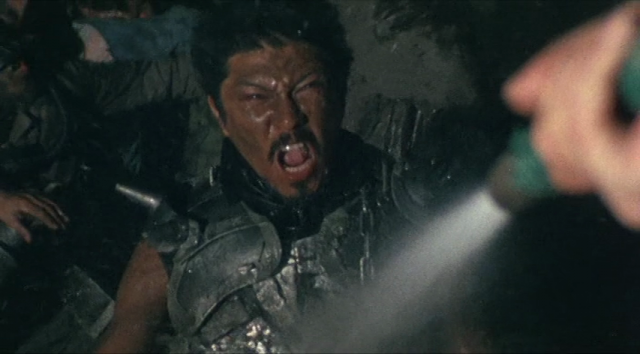
Japanese punk culture explodes in Sogo Ishii’s mind-blowing BURST CITY
FESTIVAL OF NEW JAPANESE FILM: BURST CITY (BAKURETSU TOSHI) (爆裂都市) (Sogo Ishii, aka Gakuryū Ishii, 1982)
Japan Society
333 East 47th St. at First Ave.
Saturday, July 23, 10:00
Series runs July 14-24
212-715-1258
www.japansociety.org
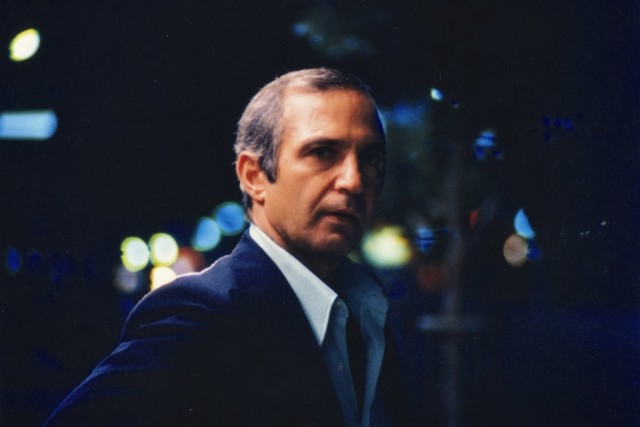
 “These streets have calmed down quite a bit, sir,” a man tells his yakuza boss at the beginning of Sogo Ishii’s crazy, nonstop thrill ride, Burst City, which is screening July 23 at 10:00 in Japan Society’s tenth annual Japan Cuts Festival. Conceived as a platform to showcase several early 1980s Japanese punk bands, including the Battle Rockers, the Roosters, the Stalin, and Inu, the film is a fast-paced, psychotic journey through a postapocalyptic nightmare world where disenchanted youth gather for hard-driving music and car races while they protest the construction of a nuclear facility on the outskirts of what’s left of Tokyo. It’s a crazy conflagration of Mad Max, The Warriors, A Clockwork Orange, Quadrophenia, Koyaanisqatsi, Streets of Fire, Rebel without a Cause, Star Wars, and Rude Boy, with lots of screaming, violence, and singing and very little dialogue or plot. It’s essentially a two-hour free-for-all, an explosive release of urban angst where there are no rules, no winners, and no losers (save for one unfortunate couple). And the music, produced by Roosters leader Shozo Kashiwagi, kicks some serious ass.
The large, spectacularly costumed cast features such longtime character actors as Takanori Jinnai and Shigeru Muroi, but aside from a minor subplot about an unwilling prostitute, the film is not driven by narrative or Method acting. Art director Shigeru Izumiya, who also appears in the film, creates sinister sets that promise the coming destruction, photographed by Norimichi Kasamatsu (Face, Villain) in an ever-changing cycle of lurid color and grainy black-and-white and lunatic editing that makes MTV videos of the time look like home movies of boring families. The art/decoration is credited to Katsuro Ogami and Junji Sakamoto; Sakamoto went on to become a successful director in his own right, making such films as My House, Someday, Face, and Danchi; the latter two are being shown at the 2016 Japan Cuts festival as well. Sogo Ishii, who recently changed his name to Gakuryū Ishii, has also directed such works as Panic in High School, Electric Dragon 80.000V, and Isn’t Anyone Alive? Bursting with a high-powered energy that never lets up, Burst City is screening in the “Flash-Back / Flash-Forward” section of Japan Cuts, along with Ishii’s latest film, Bitter Honey, in which a young woman (Fumi Nikaido) embodies a human-size goldfish.
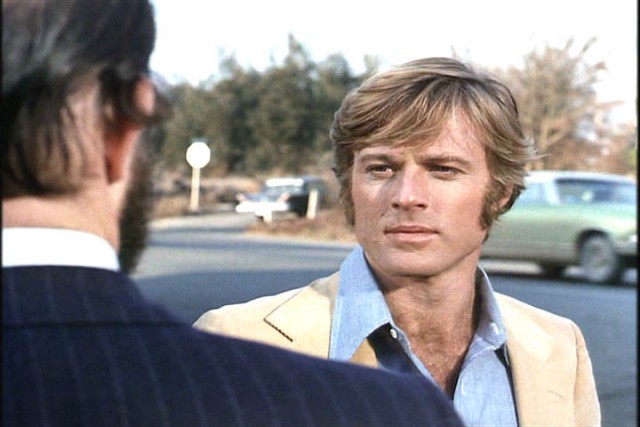
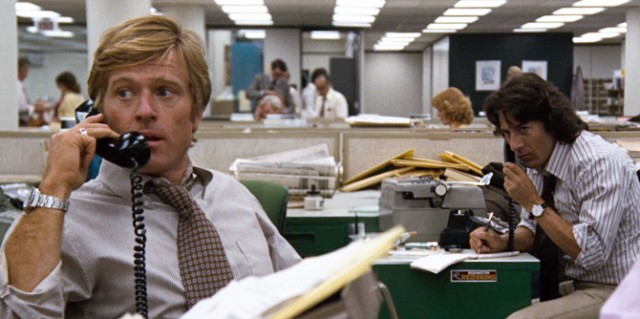
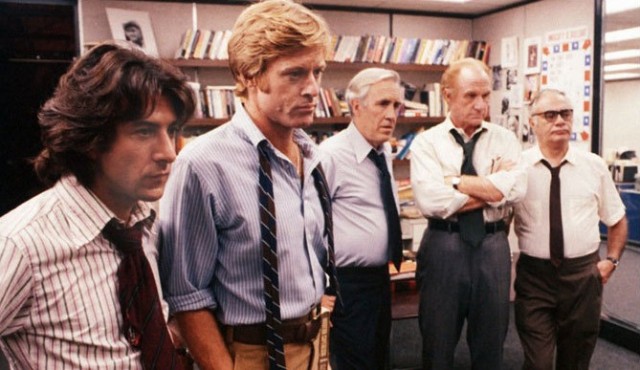
 Four years before playing real-life Washington Post investigative reporter Bob Woodward, who along with Carl Bernstein (Dustin Hoffman) blew the lid off the Watergate cover-up, in the Oscar-nominated All the President’s Men, Robert Redford found himself portraying the other side of the political spectrum, starring as a progressive legal aid lawyer who is chosen to run for the Senate in Michael Ritchie’s savvy, documentary-style film The Candidate. The Democratic Party needs someone to run against incumbent Republican Senator Crocker Jarmon (Gidget’s Don Porter), so political operative Marvin Lucas (Peter Boyle) approaches McKay, an attractive, well-respected, and popular community activist whose father, John J. McKay (Melvyn Douglas), was California governor. At first the younger McKay has no interest in running for office, but when Lucas tells him he can say whatever he wants to get his message out — because he’ll have no chance to win — McKay signs on. He hits the streets shaking hands and spreading his philosophy, closely followed by media man Howard Klein (Allen Garfield), who is amassing footage for television advertisements promoting “the better way” with Bill McKay. (McKay’s ads are narrated by Barry Sullivan, who appeared with Redford in Tell Them Willie Boy Is Here, Jarmon’s commercials by Broderick Crawford, who won an Oscar for playing the Huey Long–like Louisiana governor Willie Stark in All the King’s Men in 1949.) It’s clear from the start that McKay is a political newbie while Jarmon is a seasoned pro who knows all the right things to say and do, but McKay’s grass-roots approach soon begins taking hold, and as the race heats up, the challenger is suddenly faced with tough decisions about taking power, compromising his principles, and falling in line with the party machine instead of fighting the good fight as he has done all his life.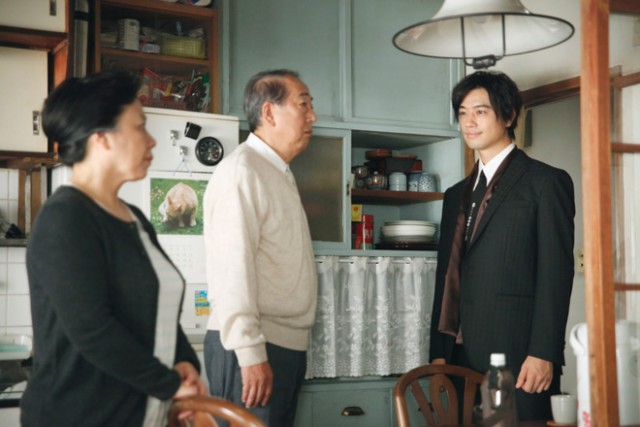
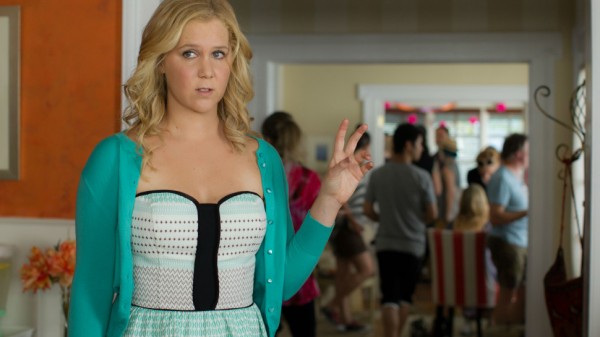
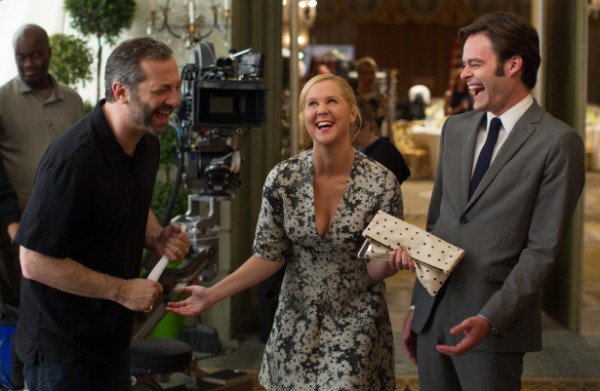
 Amy Schumer’s meteoric rise continued last summer with Trainwreck, and this semiautobiographical, raunchy romantic comedy did nothing to derail this New York native’s ascent. Schumer, who first broke through to national attention on Comedy Central’s roast of Charlie Sheen, then won a prestigious Peabody Award for her extremely clever and insightful cable series, Inside Amy Schumer, wrote and stars in Trainwreck, playing Amy, a magazine writer who prefers drinking and quick sex to cuddling and sleepovers. Once the deed is done, either she or the dude is gone, and she continues on with her supposedly happy life, which includes her sister, Kim (Brie Larson), who has had the gall to go all suburban mom and housewife on her; her philandering father, Gordon (Colin Quinn), a Mets fanatic who is suffering from MS; and her boss at S’Nuff, Dianna (an unrecognizable Tilda Swinton), a sassy Brit with no time for melodrama. Fortunately, through most of the film, director Judd Apatow eschews the melodrama as well, until he lets it all cave in with closing scenes that undo nearly everything that has been built up before. Thankfully, however, most of what happens before is as smart and funny as it is outrageous and perceptive. Amy is assigned a story on Dr. Aaron Conners (Bill Hader), a sports specialist whose best friend is LeBron James, who is a blast playing himself as a deeply sensitive, extremely cost-conscious man. Amy has to reevaluate her world view when she starts falling for Aaron, going against everything she believes in by dating a nice guy who just might really care about her.