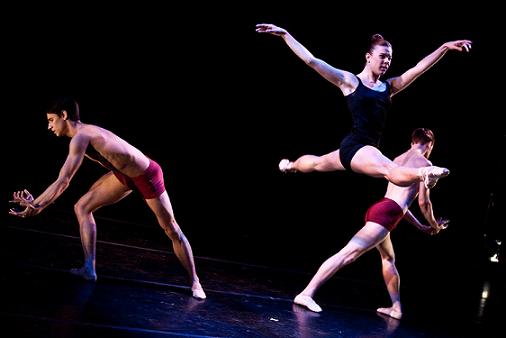
The annual two-day Sakura Matsuri will beautify Brooklyn this weekend (photo by twi-ny/mdr)
Brooklyn Botanic Garden
900 Washington Ave. at Eastern Parkway
Saturday, April 30, and Sunday, May 1, $10-$15
718-623-7200
www.bbg.org
For many New Yorkers, it isn’t really spring until the cherry blossoms are in bloom at the Brooklyn Botanic Garden. The spectacular trees should be gushing this weekend for the annual Sakura Matsuri, two days of Japanese art, food, and culture that usually is jam-packed with families, photographers, and other celebrants. The weather is currently forecast as partly cloudy with a high of sixty-seven, perhaps not ideal but a whole lot better than rain. There will be special events held throughout the beautiful botanic garden, including a children’s Suzuki recital, anime stand-up comedy, Butoh dance, cosplay cabaret, origami workshops, an ikebana flower exhibit, an interactive tea installation, a vintage kimono display, fish-printing demos, enka poetry, manga and anime artist and book signings, logic puzzles and other games, numerous bonsai events, garden tours, Japanese karate demonstrations, and much more, with such special guests as April Vollmer, Godfather of Sudoku Maki Kaji, Jack Schwartz, Fumiko Allinder, Michele Brody, Grandmaster Kaicho T. Nakamura, and Pokémon voice artist Veronica Taylor; below are some of the recommended highlights.
Saturday
Hanagasa Odori: Flower Hat Dance Procession, Japanese Folk Dance Institute of NY, Osborne Garden North, 1:00
Nihon Buyo Classical & Ryukyu Buyo Okinawan Dance, Dancejapan with Sachiyo Ito, Cherry Esplanade Stage, 1:15
BBG Parasol Society Promenade, with live music by happyfunsmile, registration 11 a.m.–1 p.m. behind Cherry Esplanade Stage, parade from Cherry Esplanade Stage to Osborne Garden, 3:00
Traditional Tea Ceremony, Urasenke Chanoyu Center, A.T. White Amphitheater, 3:30
Split Spirits/Spirit Splits: A Samurai Drama, Samurai Sword Soul, Cherry Esplanade Stage, 4:15
Sunday
Taiko Drumming, Soh Daiko, Cherry Esplanade Stage, 12 noon
Origami Paper Folding with Jeremy Aaron Horland, Lily Pool Terrace, 1:00
Butoh Dance, Dean Street FOO Dance, Osborne Garden North, 2:00
Cooking Demonstration: Authentic Dashi Making, with Momo Sushi Shack’s Chef Makoto Suzuki and Phillip Gilmour, A.T. White Amphitheater, 3:00
Cosplay Fashion Show, hosted by Uncle Yo, with live music by Morning Musuko, Cherry Esplanade Stage, 6:15

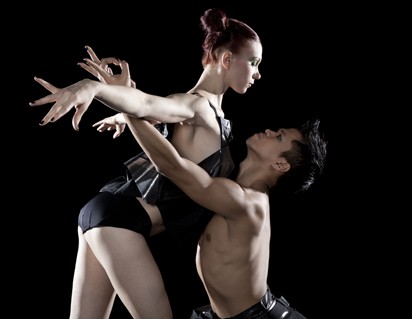
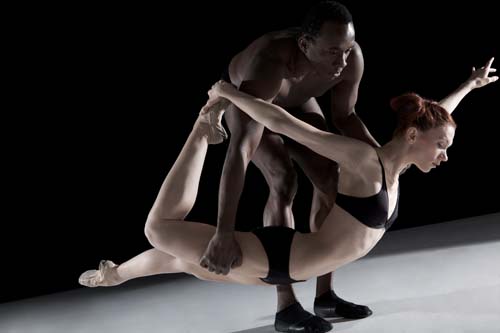
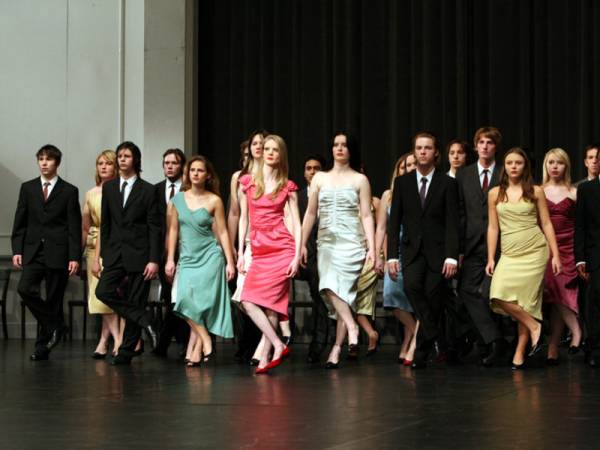
 From 1973 until her death in 2009, legendary dancer and choreographer Pina Bausch ran Tanztheater Wuppertal, the German company that changed the face of dance theater forever with such seminal productions as Rite of Spring, Café Müller, Danzón, Masurca Fogo, and so many more. In 1978 she staged Kontakthof, collaborating with Rolf Borzik, Marion Cito, and Hans Pop, set to music by Juan Llossas, Charlie Chaplin, Anton Karas, Sibelius, and other composers. In 2000, she revisited the piece with a cast of senior citizens, and eight years later she turned the roles over to a group of Wuppertal high schoolers, most of whom had never heard of her and had never danced before. Director Anne Linsel and cinematographer Rainer Hoffmann follow the development of this very different production in Dancing Dreams, speaking with the eager, nervous participants, who talk openly and honestly about their hopes and desires, as well as with rehearsal directors Jo-Ann Endicott and Benedicte Billet, who do not treat the teens with kid gloves but instead are trying to get them to reach deep inside of themselves and hold nothing back. When Bausch shows up to choose the final cast, telling the teenagers that she doesn’t bite, the tension mounts. Dancing Dreams is an intimate look at the creative process, about dedication and determination and what it takes to be an artist. It suffers at times from feeling too much like a reality television show, mixing American Idol and So You Think You Can Dance with the fictional Glee, but it also offers a last glimpse at Bausch, whose final interview is captured in the film. “You might think I’ve had enough of Kontakhtof,” she says at one point. “But every time it’s a new thing.” Dancing Dreams is screening May 1 & 2 as part of MoMA’s KINO 2011: New Cinema from Germany series, which runs April 27 – May 2 and also includes Gereon Wetzel and Jorg Adolph’s How to Make a Book with Steidl, Tom Tykwer’s Drei (Three), Friedmann Fromm’s Weissensee (The Weissensee Saga: A Berlin Love Story), Florian Cossen’s Das Lied in mir (The Day I Was Not Born), Philip Koch’s Picco, and a Next Generation presentation of short works.