
Oscar nominees Brad Pitt and Jonah Hill take a different approach with the Oakland A’s in MONEYBALL
MONEYBALL (Bennett Miller, 2011)
www.moneyball-movie.com
 After winning 102 games during the 2001 season but then falling to the New York Yankees in the American League Division Series in five tough games, the cash-poor Oakland A’s also lost three of their most prominent players, Jason Giambi, Johnny Damon, and Jason Isringhausen, to free agency. To rebuild the team with limited funds, general manager Billy Beane (Brad Pitt) turns to an unexpected source: Peter Brand (Jonah Hill), a young stat geek who believes that on-base percentage is the key to the game. The A’s scouts find it hard to believe that Beane is looking at has-been catcher Scott Hatteberg (Chris Pratt), aging outfielder David Justice (Stephen Bishop), and underperforming submariner Chad Bradford (Casey Bond) to get the A’s to the World Series, as does manager Art Howe (Philip Seymour Hoffman), who refuses to use the new players the way Beane insists. But when the A’s indeed start winning after a few more questionable deals pulled off by Beane and Brand, the entire sport world starts taking a much closer look at what is soon known as “moneyball.” Based on the 2003 bestseller Moneyball: The Art of Winning an Unfair Game by Michael Lewis, Moneyball is an exciting film even though the vast majority of it occurs off the field. Pitt is wonderfully understated as Beane, a former five-tool prospect for the Mets and divorced father of a twelve-year-old girl (Kerris Dorsey). Pitt earned an Oscar nod for Best Actor for his portrayal of the real-life Beane, a confident but nervous man who may or may not have a big chip on his shoulder. Hill was nominated for Best Supporting Actor for his role as wiz-kid Brand, a fictional character inspired by Paul DePodesta, who refused to let his name and likeness be used in the film; Brand instead is an amalgamation of several of the people who work for Beane. Director Bennett Miller (The Cruise, Capote) takes the viewer into a number of fascinating back-room dealings, including a revealing scene in which Beane tries to acquire Ricardo Rincon from the Cleveland Indians, furiously working the phones to pull off the deal. Also nominated for Best Picture, Best Editing, Best Sound Mixing, and Best Adapted Screenplay, Moneyball firmly belongs in the playoff pantheon of great baseball movies, with the added bonus that you don’t have to be a fan or know a lot about the game to get sucked into its intoxicating tale.

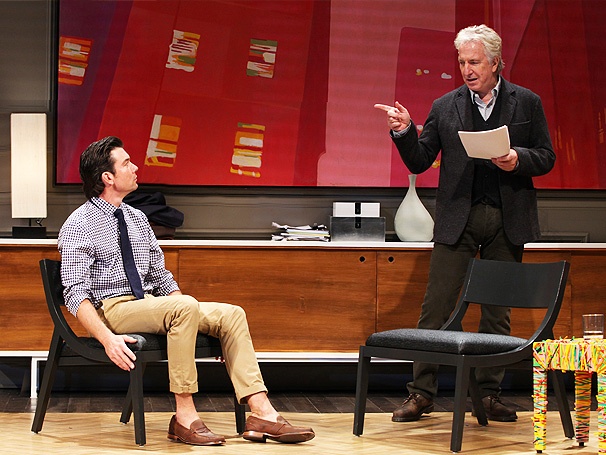
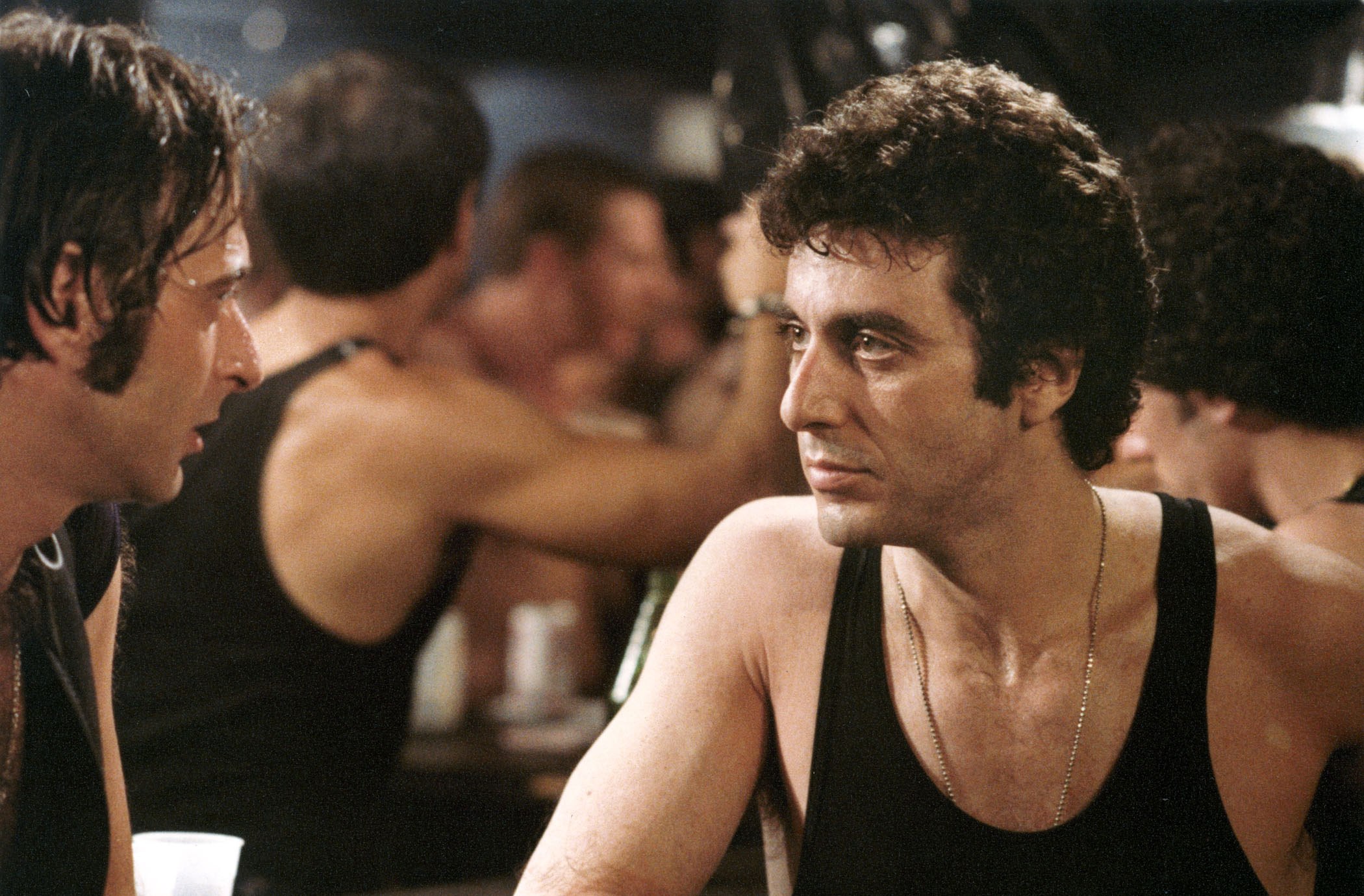

 In 2004, American writer-director Joshua Marston dramatized the plight of an impoverished young Colombian woman who becomes a drug mule in the gripping Maria Full of Grace. He has now turned his attention on another amazing international story, family blood feuds in northern Albania, in the riveting The Forgiveness of Blood. Tristan Halilaj stars as Nik, a teenager with dreams of opening his own internet café. But when a land dispute results in the death of a villager, Nik’s father (Refet Abazi) goes into hiding to avoid facing the Kanun, a fifteenth-century code of law that would give the family of the dead man the right to take the life of a male member of Nik’s clan. While his father is on the lam, Nik must stay inside his house in a forced isolation that could continue for years; if he steps outside, he is likely to be shot and killed. Meanwhile, Nik’s younger sister, Rudina (Sindi Laçej), a dedicated student who hopes to go to university, must take over her father’s business, leaving school to sell bread from a small, ramshackle cart pulled by their faithful old horse, Klinsmann. As the family crisis deepens, Nik considers taking matters into his own hands, with potentially devastating consequences. Marston thoroughly researched the remarkable story, spending time in Albania meeting with families in the midst of real blood feuds, attending a national conference of blood-feud mediators, and teaming up with Albanian native Andamion Murataj to write the script, which won the Silver Bear for Best Screenplay at the Berlin Film Festival. Marston does an excellent job balancing the centuries-old code of law with the rise of modern technology in Albania, not overstating the fascinating contradiction or making any ethnocentric judgments; Nik and his friends post things on Facebook from their handheld devices, and Nik and Rudina’s mother (Ilire Vinca Çelaj) receives occasional text messages from her husband while he is away. Marston imbues the film with a further believability by hiring many untrained actors, including Halilaj and Laçej, who handle their roles admirably. Featuring a beautiful score by Leonardo Heiblum and Jacobo Lieberman, The Forgiveness of Blood is a tense, unforgettable film bristling with powerful emotion, with well-drawn characters and a tense, unpredictable narrative. Don’t miss it.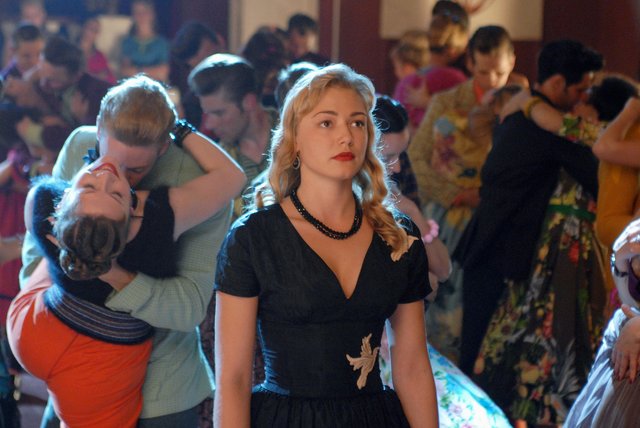
 Shortly after the death of Stalin in 1953, groups of Soviet youth decided to rebel against the boring gray conformity of Russian existence and instead celebrate American hipster culture, dressing in colorful clothing, wearing slick pompadours, and meeting in secret locations along “Broadway” where they would dance wildly to jazz and swing. A sort of Eastern European version of Footloose, Valery Todorovsky’s Hipsters follows the story of Mels (Anton Shagin), a member of the Kmsomol, a uniformed youth organization whose main goal is to destroy the hipsters, known as stilyagi in Russian. But when Mels — whose name is an acronym for Marx/Engels/Lenin/Stalin — confronts the beautiful hipster Polly (Oksana Akinshina), he instantly falls madly in love with her. Shortening his name to the more American Mel, he joins up with the hipsters, even learning to play the saxophone as he woos Polly and battles with Katya (Evgenia Brik), the Kmsomol leader who now considers him to be a traitor. Winner of the Best Picture Nika, the Russian equivalent of the Oscars, Hipsters suffers from a standard, predictable story line, but despite frustrating cliché after frustrating cliché, it starts to grow on you, particularly the musical numbers that take place in regular society, not at the underground parties, which are obvious and overdone. And Akinshina is mesmerizing to watch as Polly, a strong young woman not afraid to spit in the face of life-draining communism. In making the first Russian musical in several generations, Todorovsky (The Lover, Vice) combined 1950s American jazz with 1980s Russian Perestroika rock, giving the film a fresh yet retro feel. Despite a whole lot of silliness and a desperate need to be hip itself, Hipsters is a cold war musical not without a little warmth.