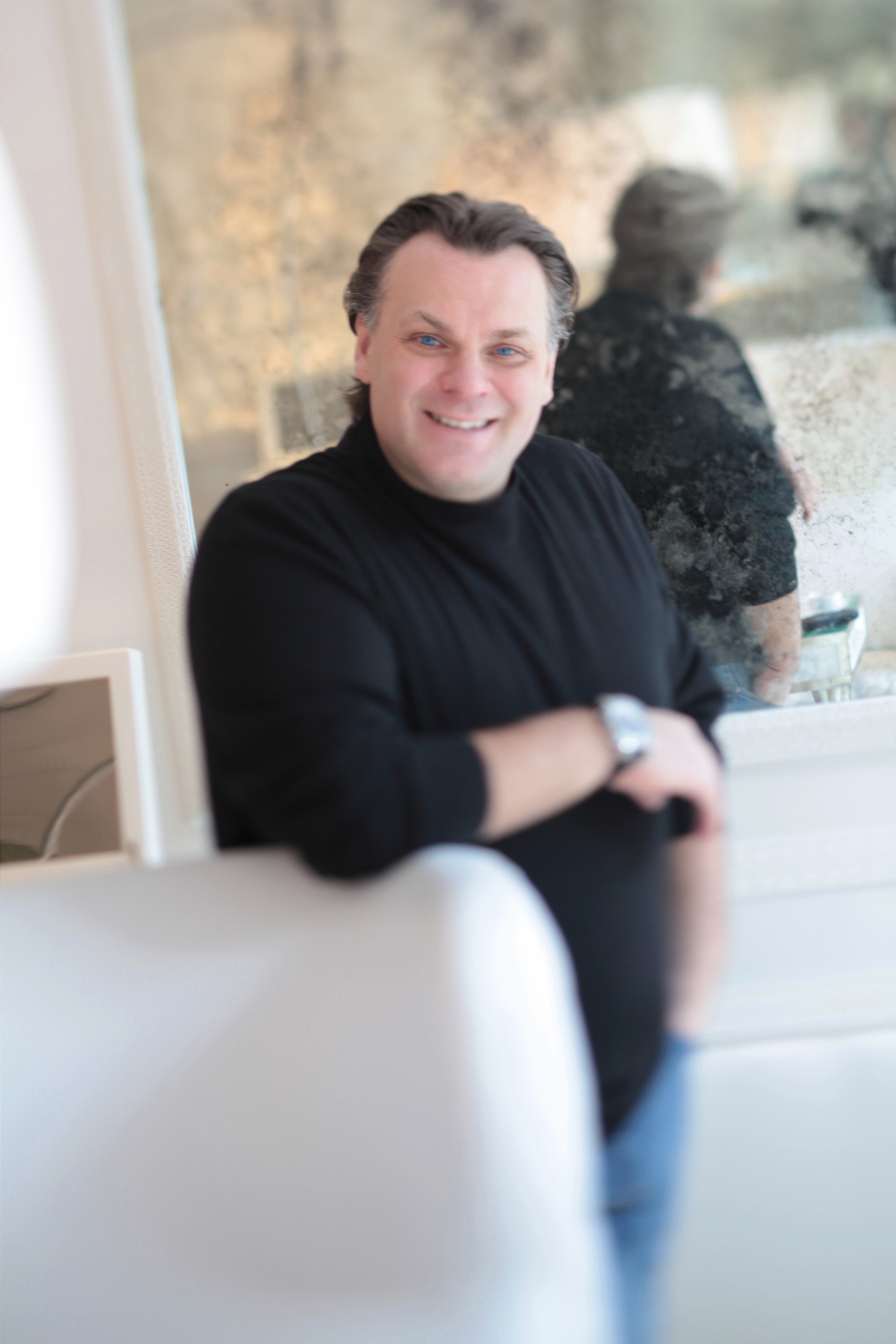
Master chef François Payard is once again spearheading Macaron Day in New York City
MACARON DAY 2012
Multiple locations
Tuesday, March 20, one free macaron per person at each location
www.macarondaynyc.com
Held in conjunction with Jour du Macaron in Paris, which is now in its seventh year, the third annual Macaron Day in New York City celebrates all things macaron, the meringue-based delicacy that dates back to Catherine de’Medici’s wedding in 1533. Not to be confused with the glutinous mass of stickiness known as macaroons that come out every Passover, macarons are small, round, delicate, and colorful dessert cookies that feature crisp, airy almond flour, egg, and sugar shells surrounding such ganache flavors as chocolate, vanilla, pistachio, lemon, almond, salted caramel, coconut, and coffee as well as red velvet, Nutella, yuzu, s’more, tahini sesame, pumpkin spice latte, dark chocolate with cocoa nibs, dulce de leche, candied bacon with maple cream cheese, smoked salmon with dill and fruit coulis, prune Armagnac orange, cinnamon pistachio with Morello cherries, foie gras with fig and speck, and other concoctions. High-quality macarons generally run between $2.25 and $2.75 apiece, although you can find good ones for $1.50 as well as extraordinary larger and denser ones for as much as $6 (at La Maison du Chocolat).
New York’s Macaron Day is the brainchild of award-winning Nice-born third-generation pastry chef François Payard, who operated his own highly acclaimed restaurant on Lexington Ave. for twelve years and now has a pair of more casual FPB (François Payard Bakery) spots, one on West Houston St., the other on Murray St. Fifteen patisseries, including FPB, are participating in Macaron Day this year. Start by visiting any one of them, tell them you are there for Macaron Day, and receive one free macaron, a punch card, and a sticker (no punch card or sticker at Macaron Café). Visit the others to sample more free macarons and collect stickers for the card (one macaron and sticker per location). Once filled with twelve different stickers, the card is good for a free six-piece gift box of Payard macarons at FPB. Chef Payard recently shared with us what makes macarons so special.
twi-ny: What is the single most important element in creating the perfect macaron?
François Payard:The perfect macaron should be crunchy yet be soft in the center. The ganache filling should be the dominant flavor. The almond flavor in the shell also needs to come out. It is very important to use a high-quality almond flour so the almond flavor comes through in the macaron shell.
twi-ny: What’s the easiest way to make a lousy one?
François Payard:The easiest way to make a bad macaron is to have a chewy shell or an overcooked shell that dries out the macaron.
twi-ny: Over the last few years, New York City has gone cupcake crazy, there’s a building donut fanaticism, and now macarons have entered the dessert frenzy. Where do you see macarons fitting in this triumvirate? Do you think the growing love affair with macarons will be a long-lasting one or a fad?
François Payard: I think macarons will be long lasting. When people are tired of the sweet macarons, they can discover how versatile they really are. You can have sweet or savory macarons. Many pastry chefs are now making savory ones. Macarons will be long lasting because they are bite size and people don’t feel as guilty eating one compared to a large cupcake or donut. You can eat a few and not feel as guilty.
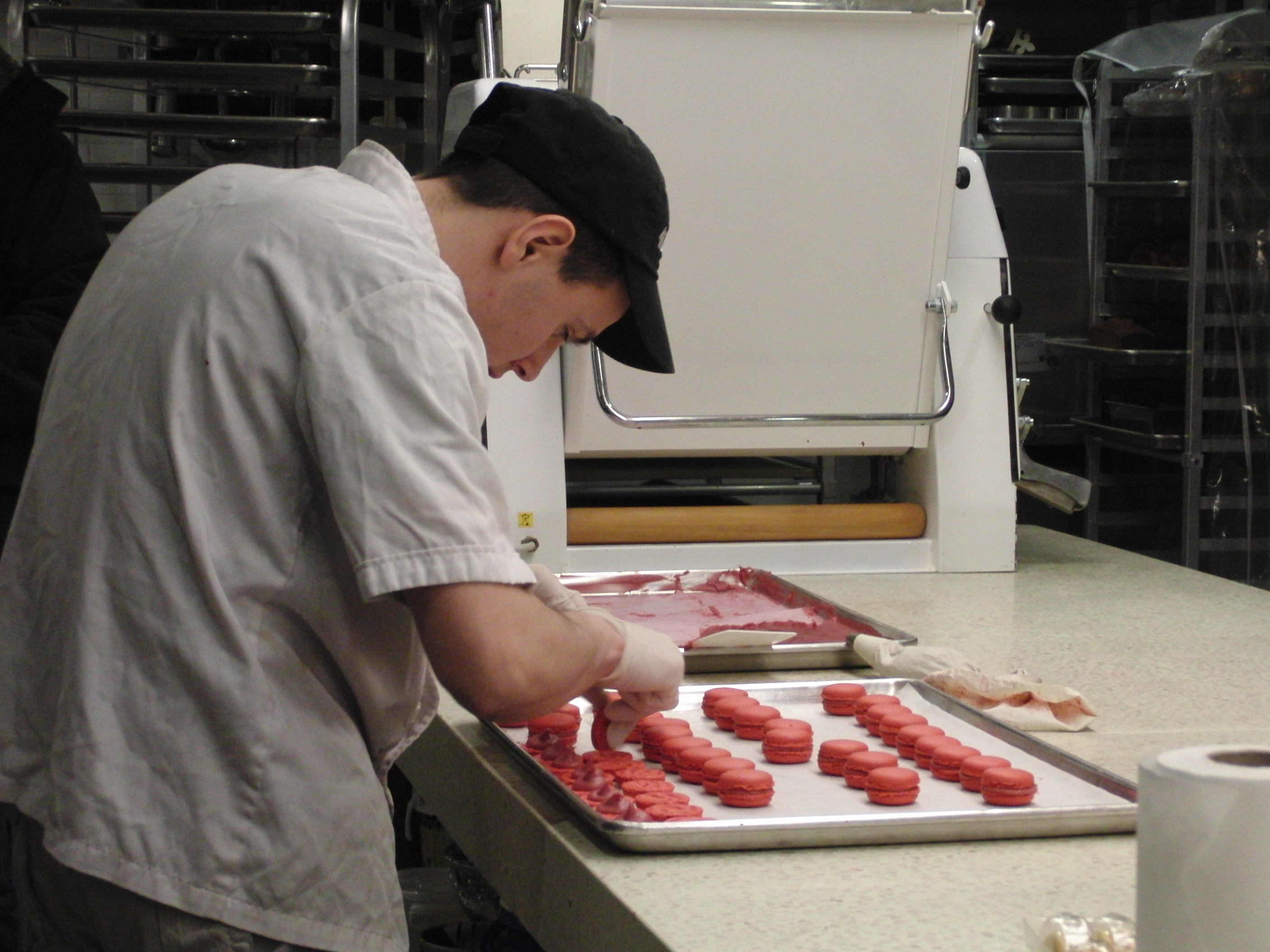
Macarons are made fresh daily at such bakeries as Mille-feuille in the Village (photo by twi-ny/mdr)
twi-ny: What is the correct serving size for macarons? While it would be possible to sit down and eat five or six (or more) at a time, that could get rather expensive.
François Payard: I think for everyone two or three is enough. Only if you want to taste and compare should you try more, but only eat half of each. Two macarons are perfect along with a cup of coffee or afternoon tea instead of a pastry.
twi-ny: Is there a competition between patisseries such as FPB and the many dessert trucks that are now hitting the streets of the city?
François Payard: I think New York is big enough for everyone. People need to be open-minded. Food trucks cannot be in the same place every day, so it is not as steady a business.
twi-ny: Do you think the food trucks are good or bad for business in general?
François Payard: The trucks encourage creativity among pastry chefs. They allow people who are starting out to test the market.
More than a dozen New York City bakeries are participating in Macaron Day, including both locations of François Payard Bakery, one on West Houston and the other on Murray, as well as at Bisousciao on Stanton, Bosie Tea Parlor on Morton, Bouchon Bakery in Rockefeller Plaza and the Time Warner Center, Butterfield Market on Lexington, Cannelle Patisserie in Queens, Chantilly Patisserie in Bronxville, Desserts by Michael Allen at the Fresh Fanatic Organic Market on Park, Dominique Ansel Bakery on Spring, Épicerie Boulud on Broadway, FC Chocolate Bar at the Plaza, La Maison du Chocolat at Rock Center and on Madison Ave. and Wall St., Macaron Café on West 36th St. and on Madison Ave., Macaron Parlour on St. Marks, Mad-Mac at Bernardaud on Park, and Mille-Feuille Bakery and Café on La Guardia Pl., with ten to fifteen percent of macaron sales going to City Harvest.


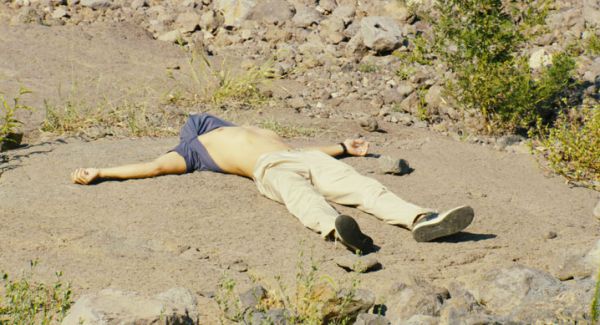
 South Korean auteur Hong Sang-soo’s most recent film about a South Korean auteur, Like You Know It All, is another intriguing examination of art and sex in contemporary society, following Night and Day (2008), Woman on the Beach (2006), Tale of Cinema (2005), and Woman Is the Future of Man (2004). Hong, who has served as a juror at several film festivals and whose work has screened at fests all over the world, sets his latest self-reflexive story at the real Jecheon International Music and Film Festival, where director Ku will be part of the jury. But it turns out that Ku is a self-absorbed, insensitive, and subtly obnoxious filmmaker who cares only about himself, walking away from fans and colleagues in the middle of a conversation or in the midst of signing an autograph, interested only in listening to people praise his own talent, which has been relegated to art-house films that few people see and even fewer understand. After leaving the festival to teach a class at a school on Jeju Island, he visits with a famous painter and former mentor who has unknowingly married Ku’s first love, setting the stage for the creepy Ku to perform yet more selfish acts. Kim Tae-woo is outstanding in the lead role, playing the self-obsessed director with an unerring casualness that makes him more absurdly ridiculous than conniving and mean-spirited. With a little bit of Federico Fellini’s 8 1/2 here and a touch of Woody Allen’s Stardust Memories there, Hong once again reveals the soft underbelly of ego within the film industry, but he also needs to edit himself more, as the bittersweet, slyly ironic Like You Know It All, made for a mere $100,000, is yet another of his films to clock in at more than two hours (though it feels longer). Like You Know It All is screening as Woman on the Beach is screening March 18 as part of the Museum of the Moving Image’s retrospective of Hong’s work, which also includes Night and Day, Woman on the Beach, Oki’s Movie, and The Day a Pig Fell into the Well.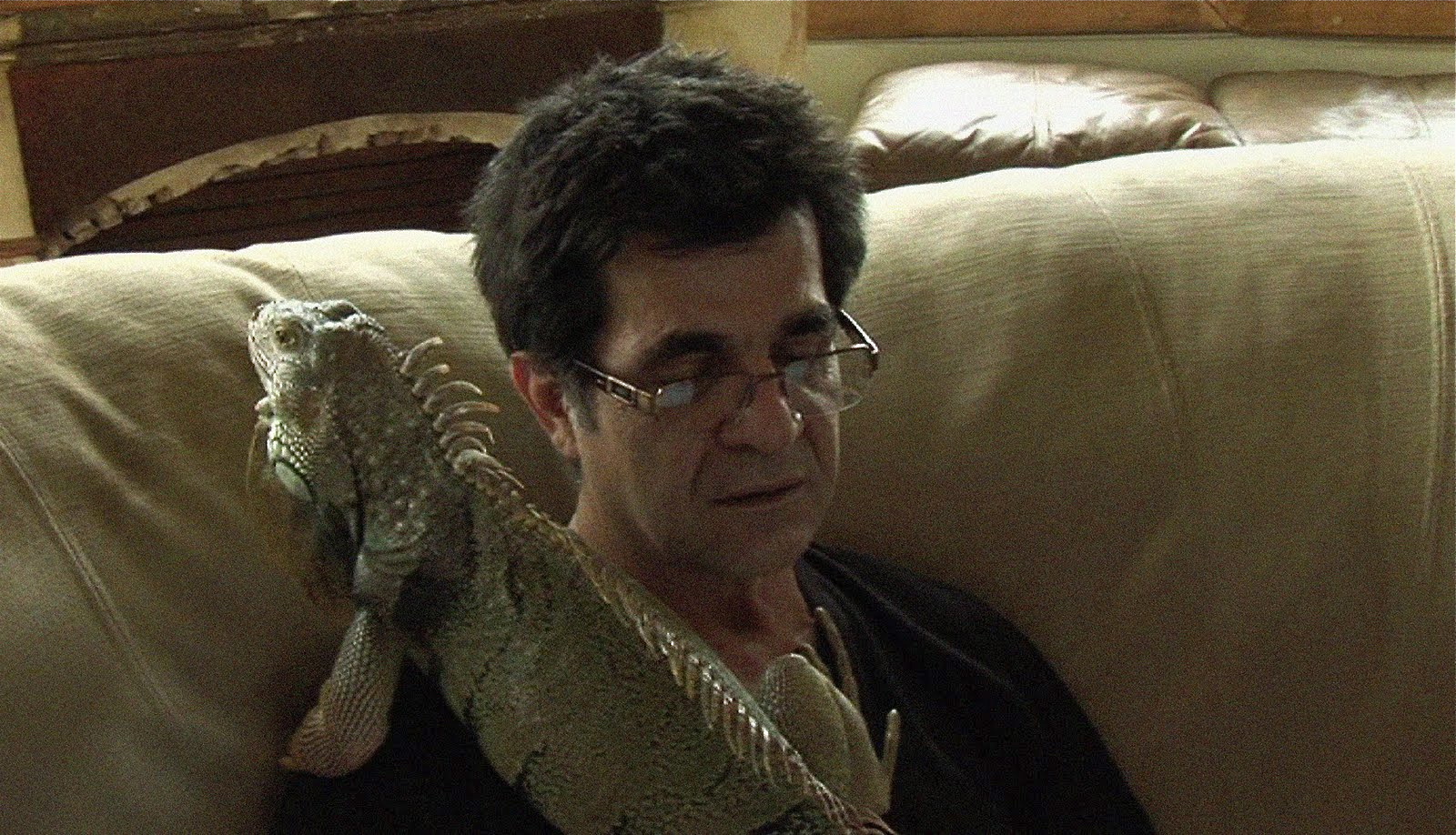
 “You call this a film?” Jafar Panahi asks rhetorically about halfway through the revealing documentary This Is Not a Film. After several arrests beginning in July 2009 for supporting the opposition party, the highly influential and respected Iranian filmmaker (Crimson Gold, Offside) was convicted in December 2010 for “assembly and colluding with the intention to commit crimes against the country’s national security and propaganda against the Islamic Republic.” Although facing a six-year prison sentence and twenty-year ban on making or writing any kind of movie, Panahi is a born storyteller, so he can’t stop himself, no matter the risks. Under house arrest, Panahi has his friend, fellow director Mojtaba Mirtahmasb (Lady of the Roses), film him with a handheld DV camera over ten days as Panahi plans out his next movie, speaks with his lawyer, lets his pet iguana climb over him, and is asked to watch a neighbor’s dog, taking viewers “behind the scenes of Iranian filmmakers not making films.” Panahi even pulls out his iPhone to take additional video, photographing New Year’s fireworks that sound suspiciously like a military attack. Panahi is calm throughout, never panicking (although he clearly does not want to take care of the barking dog) and not complaining about his situation, which becomes especially poignant as he watches news reports on the earthquake and tsunami disaster in Japan. “But you can’t make a film now anyhow, can you?” Mirtahmasb — who will later be arrested and imprisoned as well — asks at one point. “So what I can’t make a film?” Panahi responds. “That means I ask you to take a film of me? Do you think it will turn into some major work of art?” This Is Not a Film, which was smuggled out of Iran in a USB drive hidden in a birthday cake so it could be shown at Cannes, is indeed a major work of art, an important document of government repression of free speech as well as a fascinating examination of one man’s intense dedication to his art and the creative process. (After playing for two weeks at Film Forum, This Is Not a Film has moved to Cinema Village, where it opens March 16.)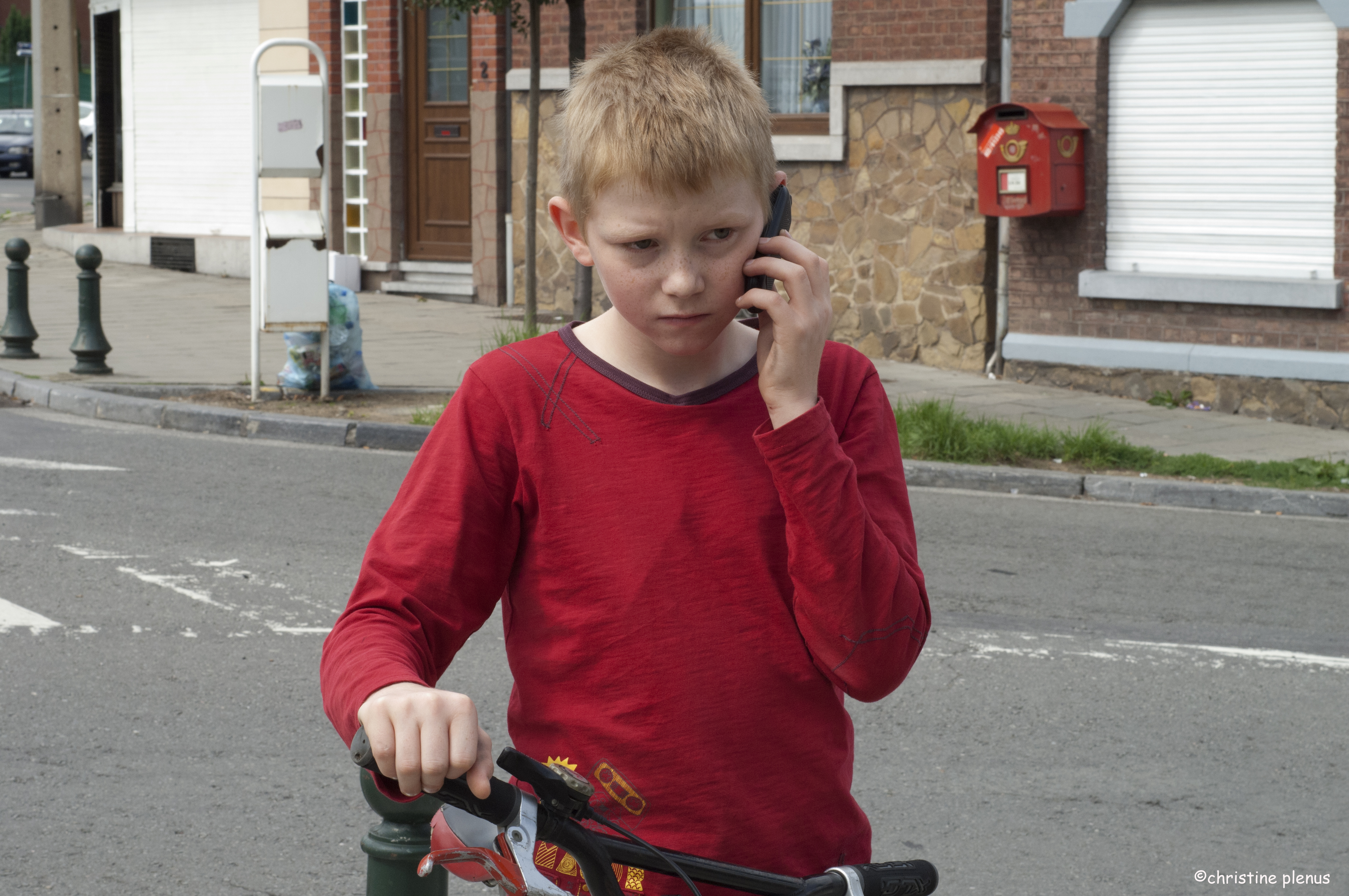
 Cannes favorites Jean-Pierre and Luc Dardenne have been making critically hailed naturalistic films for more than thirty years, including such Palme d’Or winners as Rosetta (1999) and L’Enfant (2005). The Belgian brothers’ latest, the exquisitely told The Kid with a Bike, shared the 2011 Grand Prix with Nuri Bilge Ceylan’s Once Upon a Time in Anatolia. In The Kid with a Bike, thirteen-year-old newcomer Thomas Doret makes a mesmerizing acting debut as Cyril, a young boy who refuses to accept that the father (Jérémie Renier) he worships has abandoned him. While running away from the children’s home he has been sent to, he winds up in the arms of hairdresser Samantha (Cécile de France), who feels an instant connection with Cyril and agrees to take him in on weekends. But Cyril only wants his father and is soon rebelling by hanging out with an older boy known as Dealer (Egon Di Mateo), the leader of a gang of local toughs who recruits Cyril to do a little job for him. Desperate for a father figure, Cyril agrees, with severe consequences. The Dardennes (La promesse, Lorna’s Silence) had the cast rehearse on-set and in costume for a month, which gives the film a deeply realistic feel. Shooting in the summer for the first time, the Dardennes concentrate on three primary locations: the city, where Cyril keeps searching for his father and gets his bike stolen; a forest that threatens physical danger; and a gas station where the plot subtly shifts. Evoking Vittorio De Sica’s 1948 Italian neo-Realist masterpiece The Bicycle Thief and Shane Meadows’s gritty 2006 British drama This Is England, both of which feature extraordinary performances by first-time child actors, The Kid with a Bike is a bittersweet, involving tale of family and belonging in which children and adults are seemingly always at cross-purposes, with Samantha serving as a kind of bridge to heal the fracture. De France is wonderful as Samantha, her muscular, bare arms enveloping Cyril, trying to protect him from a world that has already crushed his hopes and dreams. And Doret is captivating as the troubled Cyril, his eyes filled with heart-wrenching passion and yearning, trying to find a place to fit in and be wanted. The Kid with a Bike is another special film from two brothers who once again share their unique, thoughtful, intelligent view of family.