Tag Archives: weekend classics

WEEKEND CLASSICS — AKI KAURISMÄKI: THE MAN WITHOUT A PAST

THE MAN WITHOUT A PAST is part of Kaurismäki series at IFC Center

THE MAN WITHOUT A PAST (Aki Kaurismäki, 2002)
IFC Center
323 Sixth Ave. at West Third St.
Sunday, November 27, $13, 11:00 am
Series continues through December 18
212-924-7771
www.ifccenter.com
www.sonyclassics.com

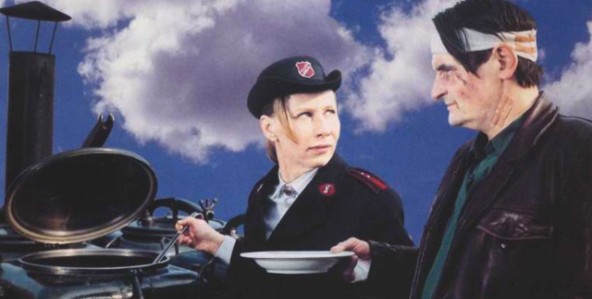
Finnish director Aki Kaurismäki’s touching, funny, dark, satiric The Man Without a Past deservedly won the 2002 Grand Jury Prize at Cannes. In the brutal opening, an unidentified character gets severely beaten and dies, then wakes up with amnesia. M (Markku Peltola) is soon taken in by a desperately poor family who lives in a shack they call a container. He meets Irma (Kati Outinen, in a small role that won her Best Actress at Cannes), and their potential romance is both sweet and absurd. Kaurismäki wrote, produced, and directed this splendid example of the offbeat nature of his work, which is always intelligent, challenging, and rewarding. It is screening at the IFC Center in conjunction with the recent theatrical release of Le Havre as part of the ongoing Weekend Classics series, which will keep showing Kaurismäki gems through December 18.

WEEKEND CLASSICS — AKI KAURISMÄKI: THE MATCH FACTORY GIRL

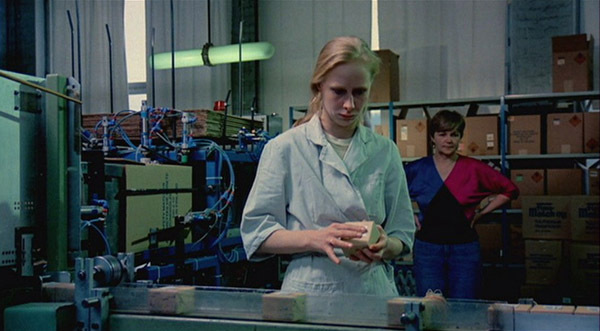
Aki Kaurismäki concludes the Proletariat Trilogy with THE MATCH FACTORY GIRL

THE MATCH FACTORY GIRL (TULITIKKUTEHTAAN TYTTÖ) (Aki Kaurismäki, 1990)
IFC Center
323 Sixth Ave. at West Third St.
October 28-30, $13, 11:00 am
Series continues through December 18
212-924-7771
www.ifccenter.com

Finnish director Aki Kaurismäki completes his conceptual Proletariat Trilogy with the bleakest, most deadpan of the three examinations of working-class life with the wickedly funny, blacker-than-black comedy The Match Factory Girl. The follow-up to 1986’s Shadows in Paradise and 1988’s Ariel, the finale tells the sad story of a poor young woman who just can’t seem to catch a break. Kaurismäki regular Kati Outinen stars as Iris, an assembly-line drone who makes way too much out of a rare one-night stand with the devastatingly disinterested Aarne (Vesa Vierikko), leading to all kinds of problems for her, both professionally and personally. Continuing the subtly dramatic color scheme of the previous two films, cinematographer Timo Salminen, set designer Risto Karhula, and Kaurismäki add sly bursts of blue and orange as things keep getting worse and worse for Iris, who, despite her name, doesn’t really see the world for what it is, instead living in a bizarre kind of fantasy until she decides to do something about it. The Match Factory Girl cemented Kaurismäki’s reputation as one of the most fascinating young international filmmakers, which he’s lived up to with such later favorites as Juha, Cannes Grand Prix winner The Man Without a Past, and his latest, Le Havre, which is currently playing at Lincoln Plaza and the IFC Center. The Match Factory Girl is screening October 28-30 as part of the IFC Center’s Weekend Classics series, which will keep showing Kaurismäki films through December 18.
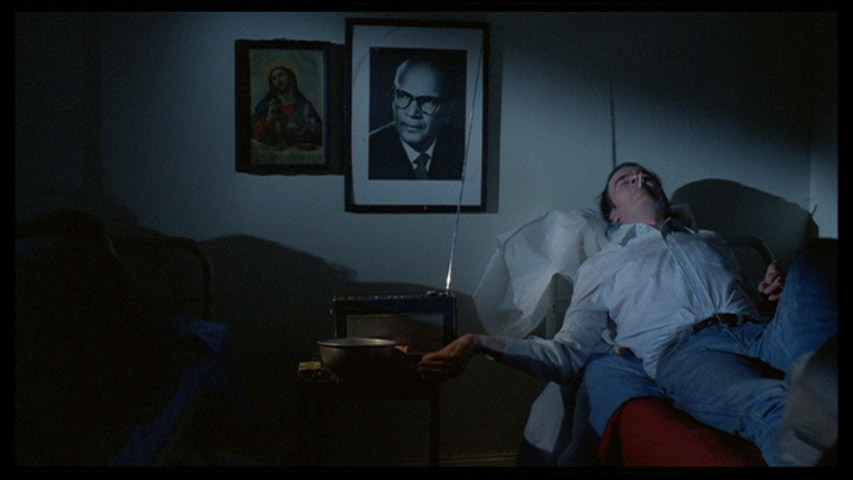
WEEKEND CLASSICS — AKI KAURISMÄKI: ARIEL

Aki Kaurismäki’s ARIEL is part of Weekend Classics series at the IFC Center

ARIEL (Aki Kaurismäki, 1988)
IFC Center
323 Sixth Ave. at West Third St.
October 14-16, $13, 11:00 am
212-924-7771
www.ifccenter.com

Following last weekend’s screenings of the first part of Aki Kaurismäki’s Proletariat Trilogy, 1986’s Shadows in Paradise, the IFC Center will be showing the second part, 1988’s Ariel, Friday through Sunday at 11:00 am. More of a conceptual sequel than a continuing narrative, Ariel stars Turo Pajala as Taisto Kasurinen, a Finnish miner who has just lost his job because the mine has closed. Sitting at a diner with his father/coworker, Taisto barely flinches as the elder Kasurinen tells him that there is nothing for him here, gives him the keys to his white Cadillac convertible, and goes into the bathroom and shoots himself. Taisto, with ever-changing facial hair in the beginning, quickly gets mugged, his meager life savings stolen from him. He seeks day work on the docks and sort of starts dating single mother Irmeli Pihlaja (Susanna Haavisto), who has never met a job she couldn’t quit that day. Taisto soon finds himself in prison for a ridiculous reason — and one he doesn’t really fight, as he generally just sits back and lets things happen to him — and meets fellow inmate Mikkonen (Shadows in Paradise’s Matti Pellonpää), and the two decide it’s time to take action and break out. A very dark, very black comedy that mixes in elements of romance and noir, Ariel is an absurdist existential feast, following Taisto and his compatriots as they make their very strange way through a very bizarre world. The third part of the trilogy, The Match Factory Girl (1990), will screen October 28-30, taking a week off as Kaurismäki’s latest, the wonderful Le Havre, opens at the IFC on October 21.

WEEKEND CLASSICS — AKI KAURISMÄKI: SHADOWS IN PARADISE

Matti Pellonpää and Kati Outinen star as two lonely souls in Aki Kaurismäki’s SHADOWS IN PARADISE

SHADOWS IN PARADISE (VARJOJA PARATIISISSA) (Aki Kaurismäki, 1986)
IFC Center
323 Sixth Ave. at West Third St.
October 7-10, $13, 11:00 am
212-924-7771
www.ifccenter.com

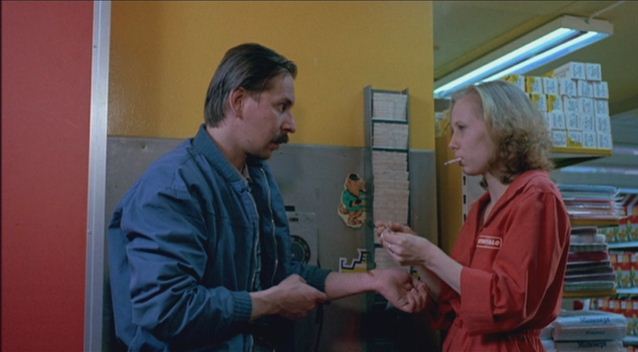
In celebration of writer-director Aki Kaurismäki’s first feature film in five years, Le Havre, which just played the New York Film Festival and opens at the IFC Center on October 21, IFC is screening several of the Finnish auteur’s earlier works as part of its Weekend Classics series. On October 7-10 at 11:00 am, the first film in Kaurismäki’s Proletariat Trilogy, Shadows in Paradise, will be shown, a marvelous example of Kaurismäki’s trademark deadpan humor set amid a bleak world filled with lonely characters. Matti Pellonpää, a regular in the films of both Aki and his brother, Mika Kaurismäki, stars as Nikander, a garbage man who is offered a job as a foreman in a new company being started by a coworker (Esko Nikkari). But when the coworker suddenly drops dead of a heart attack, Nikander drinks himself into the drunk tank, where he meets Melartin (Sakari Kuosmanen), an unemployed married man with a child. Melartin takes the dead man’s place in Nikander’s original garbage truck. Meanwhile, Nikander is interested in going out with Ilona (Kati Outinen, in her first of many Kaurismäki films), a shy supermarket cashier who has just been fired and evicted and so has decided to steal her boss’s cash box. Nikander and Ilona are a terrible couple; he is far more interested in her than she is in him, and he lets her use and abuse him, all taking place in short, slow scenes with little dialogue and movement. Every time she leaves, she comes back, much to his chagrin, or delight — it’s often hard to tell, as neither character displays much emotion or reveals anything of their inner selves. It’s all wildly funny, the dark humor offset by the bright blues and oranges of Tuula Hilkamo’s costumes and Pertti Hilkamo and Heikki Ukkonen’s art direction. In many ways it’s reminiscent of Jim Jarmusch’s Stranger Than Paradise (1984), just in color; interestingly, Pellonpää went on to play a major role in the Helsinki section of Jarmusch’s Night on Earth (1991). Bleak but beautiful, Shadows in Paradise is a charming romantic black comedy about two lonely souls who are neither charming nor romantic. The Weekend Classics series continues at the IFC Center with the last two parts of the Proletariat Trilogy, Ariel (1988) on October 14-16 and The Match Factory Girl (1990) on October 28-30

WEEKEND CLASSICS — KUROSAWA: YOJIMBO/SANJURO

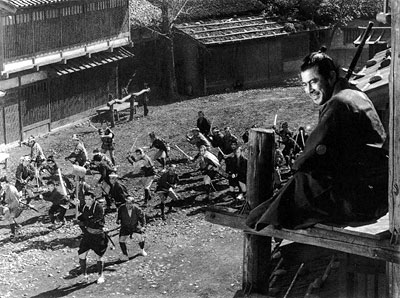
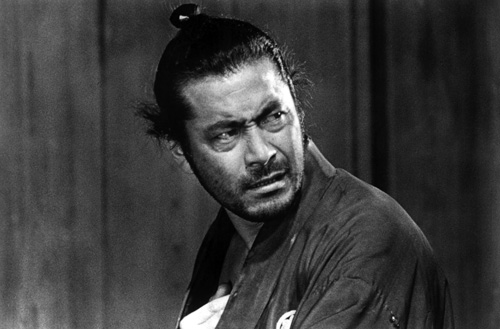
Toshiro Mifune can’t believe what he sees in YOJIMBO

Toshirō Mifune can’t believe what he sees in YOJIMBO

YOJIMBO (Akira Kurosawa, 1961)
IFC Center
323 Sixth Ave. at West Third St.
September 2-5, $13, 11:00 am
212-924-7771
www.ifccenter.com

Toshirō Mifune is a lone samurai on the road following the end of the Tokugawa dynasty in Akira Kurosawa’s unforgettable masterpiece. Mifune comes to a town with two warring factions and plays each one off the other as a hired hand. Neo’s battles with myriad Agent Smiths are nothing compared to Yojimbo’s magnificent swordfights against growing bands of warriors that include one man with a gun. Try watching this film and not think of several Clint Eastwood Westerns (particularly Sergio Leone’s A Fistful of Dollars, since this is a direct remake of that 1964 Italian flick) as well as High Noon. Yojimbo will be screening at 11:00 am on September 2-5 as part of the IFC Center’s Weekend Classics — Kurosawa series, which continues next week with the Kurosawa-Mifune follow-up Sanjuro.
Toshiro Mifune can’t believe what he sees in SANJURO

Toshirō Mifune can’t believe what he sees in SANJURO

SANJURO (Akira Kurosawa, 1962)
IFC Center
323 Sixth Ave. at West Third St.
September 9-11, $13, 11:00 am
212-924-7771
www.ifccenter.com

In this Yojimbo-like tale, Toshirō Mifune shows up in a small town looking for food and fast money and takes up with a rag-tag group of wimps who don’t trust him when he says he will help them against the powerful ruling gang. Funnier than most Kurosawa samurai epics, the film is unfortunately brought down a notch by a bizarre soundtrack that ranges from melodramatic claptrap to a jazzy big-city score. Sanjuro will be screening at 11:00 am September 9-11 as part of the IFC Center’s Weekend Classics — Kurosawa series, with half of the proceeds from all festival screenings benefiting Japan Society’s Earthquake Relief Fund.

WEEKEND CLASSICS — KUROSAWA: THRONE OF BLOOD

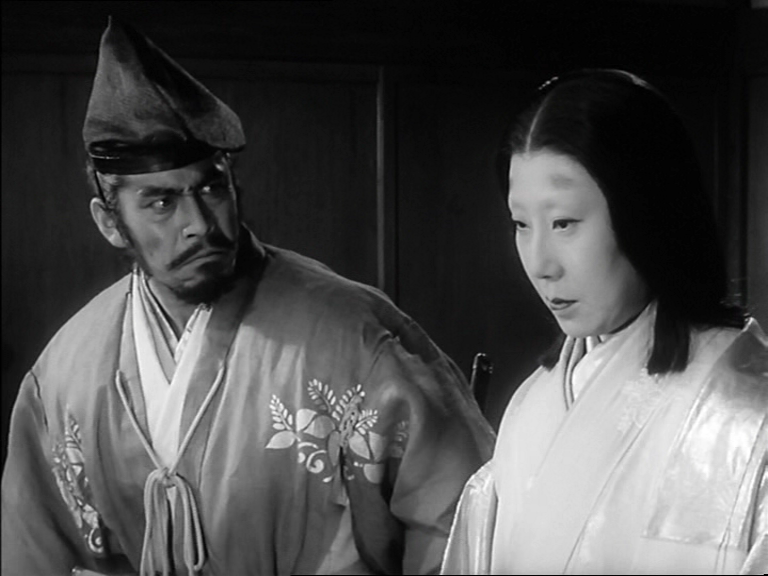
Washizu (Toshirô Mifune) and his wife, Asaji (Isuzu Yamada), reimagine Shakespeare’s MACBETH in Kursosawa classic THRONE OF BLOOD

THRONE OF BLOOD, AKA MACBETH (KUMONOSU JÔ) (Akira Kurosawa, 1957)
IFC Center
323 Sixth Ave. at West Third St.
August 26-28, $13, 11:00 am
Series continues through September 11
212-924-7771
www.ifccenter.com

Akira Kurosawa’s marvelous reimagining of Macbeth is an intense psychological thriller that follows one man’s descent into madness. Following a stunning military victory led by Washizu (Toshirô Mifune) and Miki (Minoru Chiaki), the two men are rewarded with lofty new positions. As Washizu’s wife, Asaji (Isuzu Yamada, with spectacular eyebrows), fills her husband’s head with crazy paranoia, Washizu is haunted by predictions made by a ghostly evil spirit in the Cobweb Forest, leading to one of the all-time classic finales. Featuring exterior scenes bathed in mysterious fog, interior long shots of Washizu and Asaji in a large, sparse room carefully considering their next bold move, and composer Masaru Sato’s shrieking Japanese flutes, Throne of Blood is a chilling drama of corruptive power and blind ambition, one of the greatest adaptations of Shakespeare ever put on film Throne of Blood is screening August 26-28 at 11:00 am as part of the IFC Center’s “Weekend Classics — Kurosawa” series, which continues through September 11.

WEEKEND CLASSICS — KUROSAWA: RAN

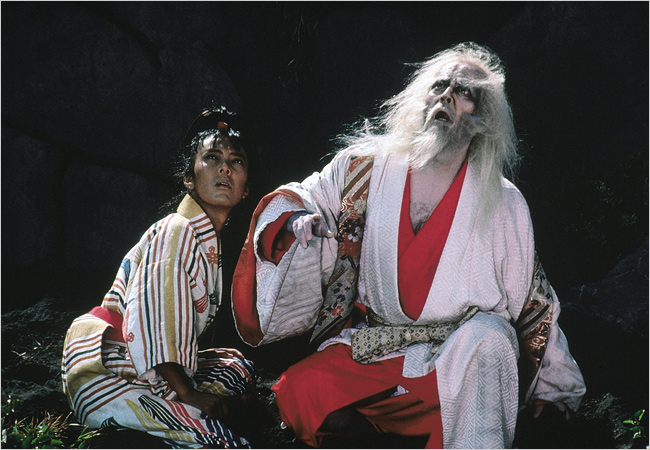
The Fool (Peter) sticks by Hidetaro (Tatsuya Nakadai) as the aging lord descends into madness in Kurosawa masterpiece

The Fool (Peter) sticks by Hidetaro (Tatsuya Nakadai) as the aging lord descends into madness in Kurosawa masterpiece RAN

RAN (Akira Kurosawa, 1985)
IFC Center
323 Sixth Ave. at West Third St.
July 22-24, $13, 11:00 am
Series continues through September 11
212-924-7771
www.ifccenter.com

Inspired by the story of feudal lord Mori Motonari and Shakespeare’s King Lear, Akira Kurosawa’s Ran is an epic masterpiece about the decline and fall of the Ichimonji clan. Aging Lord Hidetora (Tatsuya Nakadai) is ready to hand over his land and leadership to his three sons, Taro (Akira Terao), Jiro (Jinpachi Nezu), and Saburo (Daisuke Ryû). But jealousy, misunderstandings, and outright deceit and treachery result in Saburo’s banishment and a violent power struggle between the weak eldest, Taro, and the warrior Jiro. Hidetaro soon finds himself rejected by his children and wandering the vast, empty landscape with his wise, sarcastic fool, Kyoami (Peter), as the once-proud king descends into madness. Dressed in white robes and with wild white hair, Nakadai (The Human Condition), in his early fifties at the time, portrays Hidetaro, one of the great characters of cinema history, with an unforgettable, Noh-like precision. Kurosawa, cinematographers Asakazu Nakai, Takao Saitô, and Masaharu Ueda, and Oscar-winning costume designer Emi Wada bathe the film in lush greens, brash blues, and bold reds and yellows that marvelously offset the white Hidetaro. Kurosawa shoots the first dazzling battle scene in an elongated period of near silence, with only Tôru Takemitsu’s classically based score playing on the soundtrack, turning the film into a thrilling, blood-drenched opera. Ran is a spectacular achievement, the last great major work by one of the twentieth century’s most important and influential filmmakers. Ran will be screening at 11:00 am on July 22, 23, and 24 as part of the IFC Center’s Weekend Classics — Kurosawa series, which continues with Dreams (July 29-31) and Rhapsody in August (August 5-7); ticket sales benefit Japan Society’s Earthquake Relief Fund.