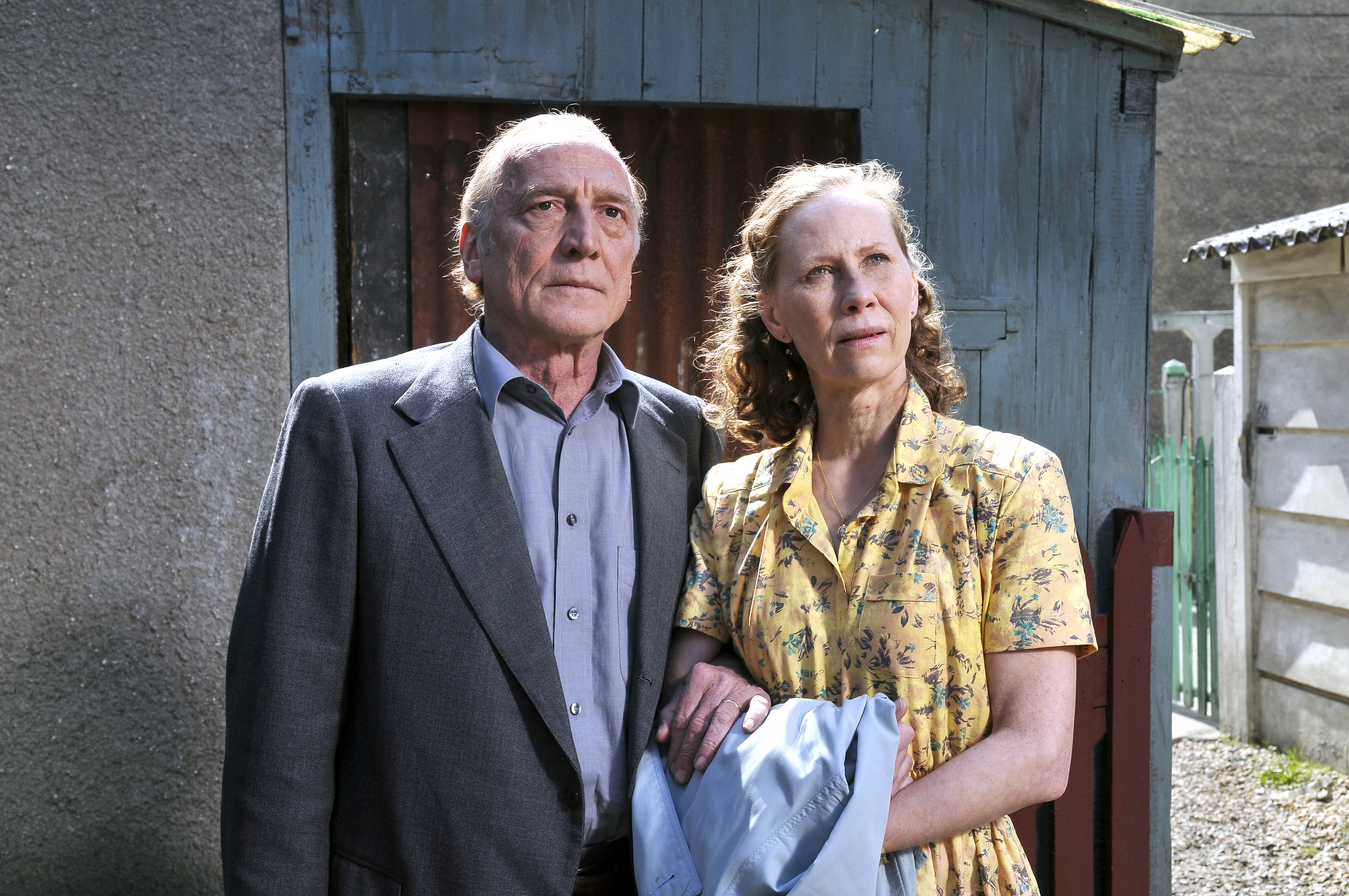
Marcel (André Wilms) and Arletty Marx (Kati Outinen) face life with a deadpan sense of humor in Aki Kaurismäki’s LE HAVRE
LE HAVRE (Aki Kaurismäki, 2011)
Sunday, October 2, Alice Tully Hall, 1941 Broadway at 65th St., $24, 7:00
Monday, October 3, and Wednesday, October 5, Walter Reade Theater, 165 West 65th St. at Amsterdam Ave., $20, 9:00
Festival runs September 30 – October 16
212-875-5601
www.filmlinc.com
 For nearly thirty years, Finnish auteur Aki Kaurismäki (Leningrad Cowboys Go America, The Man Without a Past) has been making existential deadpan black comedies that are often as funny as they are dark and depressing. Has there ever been a film as bleak as 1990’s The Match Factory Girl, in which a young woman (Kati Outinen) suffers malady after malady, tragedy after tragedy, embarrassment after embarrassment, her expression never changing? In his latest film, the thoroughly engaging Le Havre, Kaurismäki moves the setting to a small port town in France, where shoeshine man Marcel Marx (André Wilms), a self-described former Bohemian, worries about his seriously ill wife (Outinen) while trying to help a young African boy (Blondin Miguel), who was smuggled into the country illegally on board a container ship, steer clear of the police, especially intrepid detective Monet (Jean-Pierre Darroussin), who never says no to a snifter of Calvados. Adding elements of French gangster and WWII Resistance films with Godardian undercurrents — he even casts Jean-Pierre Léaud in a small but pivotal role — Kaurismäki wryly examines how individuals as well as governments deal with illegal immigrants, something that has taken on more importance than ever amid the growing international economic crisis and fears of terrorism. Through it all, Marcel remains steadfast and stalwart, quietly and humbly going about his business, deadpan every step of the way. Wouter Zoon’s set design runs the gamut from stark grays to bursts of color, while longtime Kaurismäki cinematographer Timo Salminen shoots scene after scene with a beautiful simplicity. Winner of a Fipresci critics award at Cannes this year and Finland’s official entry for the Best Foreign Language Film Oscar, Le Havre is another marvelously unusual, charmingly offbeat tale from a master of the form. After screening at the New York Film Festival on October 2, 3, and 5, Le Havre will open theatrically October 21 at the IFC Center, which will also be hosting a Kaurismäki festival on weekends from October 7 through December 18, showing nine of the director’s works, beginning with the Proletariat Trilogy of Shadows in Paradise (October 7-10), Ariel (October 14-16), and The Match Factory Girl (October 28-30). Keep watching twi-ny for more information and select reviews in the coming weeks.

 As soon as Stefano Savano heard about the people’s rebellion going on in Egypt’s Tahrir Square in January, the Italian filmmaker grabbed his camera and headed over to Cairo, where he had been many times before over the previous twenty years, and just started filming what he saw. As hundreds of thousands of Egyptians flooded the area, singing, protesting, and demanding that President Hosni Mubarak step down, Savano followed around various individuals and groups, including Elsayed, Noha, and Ahmed, getting them to share their thoughts on revolution and change, capturing intimate moments of their fight for freedom. When violence erupts, Savano fearlessly heads to the source, rocks flying through the air, bleeding men being carried past him. The film has no narration and no textual information; instead, Savano places the viewer right in the middle of the action, as if we’re there with him in Tahrir Square. “I’m not a journalist, and I don’t pretend to be one,” Savano pointed out in a Skype press conference following a preview screening of the film at the Walter Reade Theater. Over the course of two weeks this summer, Savano and Penelope Botroluzzi edited down thirty-five hours of visuals and twenty-five hours of sound into this ninety-minute inside look at democracy in action, although it does get repetitive in the second half. Once again Savona, whose previous films include 2002’s A Border of Mirrors, 2006’s Notes from a Kurdish Rebel, and last year’s Spezzacatene, focuses more on the human element than the political, adding a coda during the credits that places much of what went on before into intriguing perspective.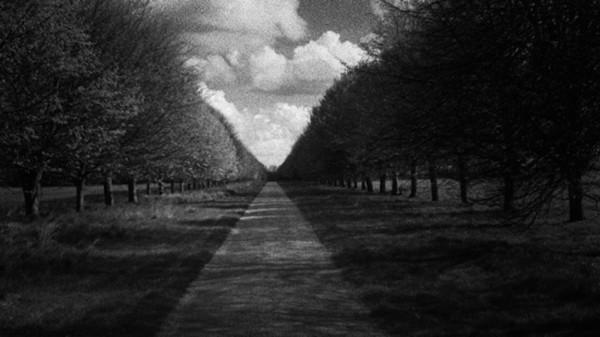
 British director Grant Gee, who has previously made such music documentaries as Meeting People Is Easy (about Radiohead), Demon Days: Live at the Manchester Opera House (with Gorillaz), and Joy Division, takes off on a more literary journey with Patience (After Sebald). Commissioned to examine a written work of fiction or nonfiction, Gee chose to delve into W. G. Maximilian Sebald’s highly influential 1995 book, The Rings of Saturn, about a character named W. G. Sebald who goes on a walk through Suffolk in East Anglia, veering off in his mind in all directions, waxing poetic on history, geography, life, death, literature, and other subjects. “In August 1992,” Sebald begins in the existential travelogue, “when the dog days were drawing to an end, I set off to walk the county of Suffolk, in the hope of dispelling the emptiness that takes hold of me whenever I have completed a long stint of work.” In the film, Gee includes shots of his own feet as he follows Sebald’s path, along with archival footage that relates to the book itself as such writers, artists, and cultural critics as Rick Moody, Tacita Dean, Ian Sinclair, Marina Warner, Adam Phillips, Andrew Motion, and Robert McFarlane talk about Sebald, who died in 2001 at the age of fifty-seven, and the importance of the hard-to-define Rings. To match the older footage, Gee shot much of the new material in a hazy, grainy black and white, with the talking heads occasionally appearing on camera almost in the background. The film includes fascinating snippets of a rare radio interview with Sebald in addition to a narrator reading sections from the book, both of which end up being far more interesting than what many of the other contributors have to say. Reminiscent of Patrick Keiller’s Robinson in Ruins, Robinson in Space, and London, Gee’s Patience fetishizes its subject but lacks the visual and aural poetry of those works, with the walk becoming somewhat tiresome until its offbeat surprise ending. As on most trips, there are beautiful moments, engaging digressions, and gorgeous landscapes to linger over, but they grow fewer and farther between as the story unfolds. Although it’s not necessary to have read the book in order to follow Gee’s wanderings, it would probably help.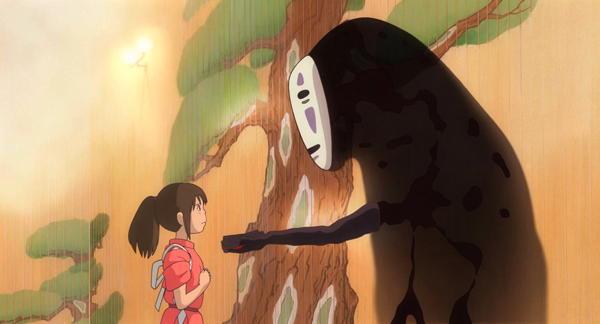
 Prepare to have your spirits lifted up and away in this sensational animated feature from Japanese anime master Hayao Miyazaki. Ten-year-old Chihiro is unhappy about moving to a new home despite her parents’ best efforts to convince her otherwise. When her father takes a wrong turn on the road, the family ends up in an oddly deserted village that ten-year-old Chihiro soon finds out is a lot more than it seems. Chihiro’s adventures through this dreamlike, surreal, magical place filled with bizarre characters and evil beings are unforgettable, with nuances and references from such diverse works as The Wizard Of Oz and The Seventh Seal. The sheer visual beauty of the animation is staggering; many of the backgrounds are reminiscent of Impressionism. The film includes the voice talents of Daveigh Chase (Chihiro), Jason Marsden (Haku), Susan Egan (Lin), Michael Chiklis (Chihiro’s father), Lauren Holly (Chihiro’s mother), Suzanne Pleshette (Yubaba and Zeniba), John Ratzenberger (assistant manager), David Ogden Stiers (Kamaji), and Tara Strong (baby Boh). Joe Hisaishi’s maudlin music is way overpraised, as usual, but this Japanese box-office champ deservedly won the Golden Bear at the Berlin International Film Festival and was named Best Asian Film at the Hong Kong Film Awards. Miyazaki and Studio Ghibli have also made such adult-friendly animated treasures as Nausicaä of the Valley of the Wind (1984), Castle in the Sky (1986), My Neighbor Totoro (1988), Kiki’s Dleivery Service (1989), and Porco Rosso (1992). Spirited Away is having two special screenings at the New York Film Festival this year in honor of the marvelous fairy tale’s tenth anniversary; if you’ve never seen it, the big screen is definitely the way to go.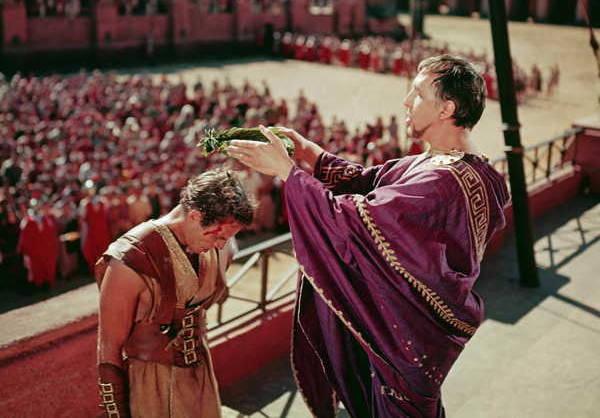
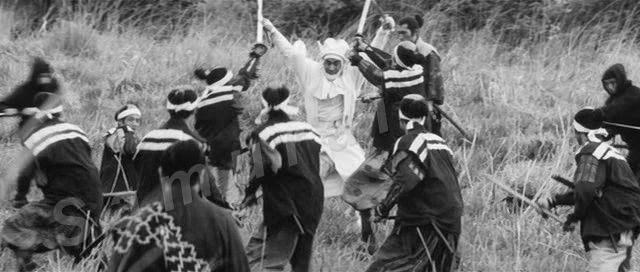
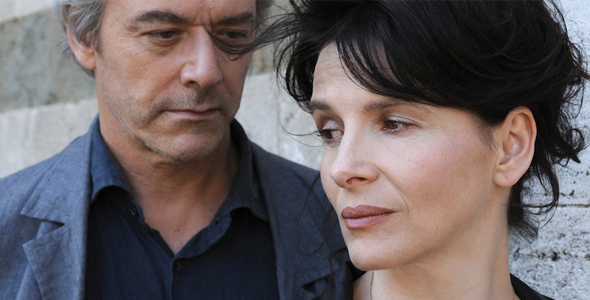
 Writer, director, poet, photographer, editor, graphic designer, and painter Abbas Kiarostami has been one of Iran’s leading filmmakers for nearly forty years, compiling a resume that includes such important international films as UNDER THE OLIVE TREES (1994), TASTE OF CHERRY (1997), and THE WIND WILL CARRY US (1999). His latest film, CERTIFIED COPY, is his first feature made outside of his home country, a dreadfully boring and annoying art-infused romantic comedy set in Italy. Juliette Binoche was named Best Actress at Cannes this year for her starring role as an unnamed single mother and antiques dealer who is obsessed with English author James Miller’s (British opera star William Shimell) book on the history and meaning of art replicas, CERTIFIED COPY. Inexplicably, the two strangers are soon on a bizarre sort-of date, driving through Tuscany and becoming involved in a series of vignettes about love and marriage, literature and art, and other topics. Both characters are seriously flawed and emotionally unstable in ways that make them unattractive to watch, especially in obvious set-ups that either go nowhere or exactly where you think they’re going. While Julie Delpy and Ethan Hawke made the somewhat similar BEFORE SUNRISE (1995) and BEFORE SUNSET (2004), in which two strangers from different countries spend a day together (but mostly by themselves), the sexual tension and excitement always building, CERTIFIED COPY is more reminiscent of Hans Canova’s ridiculous CONVERSATIONS WITH OTHER WOMEN (2005), in which Aaron Eckhart and Helena Bonham Carter star as wedding guests with a past whom viewers can’t wait to just shut up and get off the screen. Don’t let the supposed adult dialogue of CERTIFIED COPY fool you into thinking it’s an intelligent, mature look at believable relationships; instead, it feels like a staid copy of other, better films you think you’ve seen but can’t remember — and won’t care.