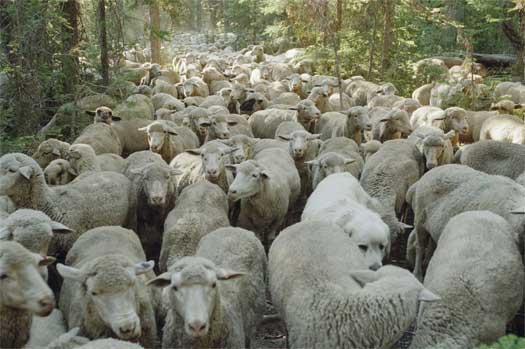
Sheep are on one of their last trips through the mountains in SWEETGRASS (Photo courtesy Cinema Guild)
SWEETGRASS (Lucien Castaing-Taylor, 2009)
Film Forum
209 West Houston St.
January 6-19
212-727-8110
www.filmforum.org
www.sweetgrassthemovie.com
 Husband-and-wife filmmakers Lucien Castaing-Taylor and Ilisa Barbash follow a flock of sheep herded by a family of Norwegian-American cowboys on their last sojourns through the public lands of Montana’s Absaroka-Beartooth Wilderness in the gorgeously photographed, surprisingly intimate, and sometimes very funny documentary SWEETGRASS. In 2001, Castaing-Taylor, director of the Sensory Ethnography Lab at Harvard, and Barbash, a curator of Visual Anthropology at Harvard’s Peabody Museum, found out about the Allestad ranch, an old-fashioned, Old West group of sheepherders who still did everything by hand, including leading hundreds of sheep on a 150-mile journey into the mountains for summer pasture with only a few dogs and horses. Director Castaing-Taylor uses no voice-over narration or intertitles, instead inviting the viewer to join in the story as if in the middle of the action, offering no judgments or additional information. The film begins with shearing and feeding, then birthing and mothering, before heading out on the long, sometimes treacherous trail, especially at night, when bears and wolves sneak around, looking for food. Slowly the focus switches to the men themselves, primarily an old-time singing grizzled ranch hand and a cursing, complaining cowboy. Castaing-Taylor and Barbash spent three years with the sheepherders and in the surrounding areas, amassing more than two hundred hours of footage and making to date nine films out of their experiences, mostly shorter work to be displayed in gallery installations or for anthropological reasons; SWEETGRASS is the only one that is scheduled to be released theatrically, beginning a two-week limited run at Film Forum on January 6. It’s a fascinating look at a something that is destined to soon be gone forever.
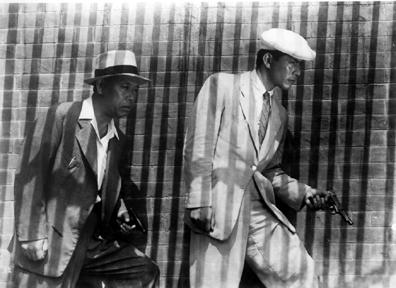

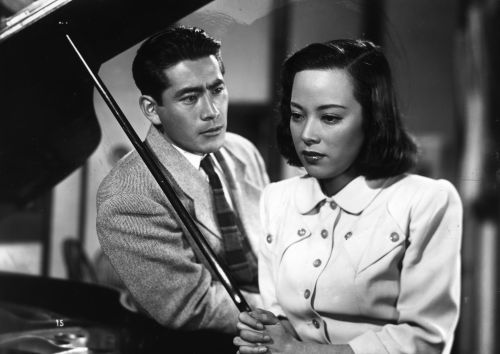
 When two famous people are caught together at a hotel in the mountains, a scandal breaks out as a lurid gossip magazine prints their picture and makes up a sordid romance that is not true. With their reputations tainted, they consider suing the publication, but they run into problems with their ragtag lawyer, who has a bit of a gambling problem. Akira Kurosawa regular Toshirô Mifune stars as Ichiro Aoye, a well-known painter who likes smoking pipes and riding his flashy motorcycle. Yoshiko Yamaguchi is Miyaka Saijo, a timid pop singer who is terrified of the unwanted publicity. And Takashi Shimura is Hiruta, the struggling lawyer devoted to his young daughter, who is dying of TB. The first half of the movie is involving right from the roaring opening-titles sequence, with good characterization and an alluring story line. Unfortunately, the film bogs down in the second half, especially during the hard-to-believe courtroom scenes, the only ones of Kurosawa’s career. And the Christmas bit is tired and cliché-ridden, even if might have been unique at the time for a film made in postwar Japan. But Kurosawa’s attack on the media is still valid today, even if he did fill it with sappy melodrama.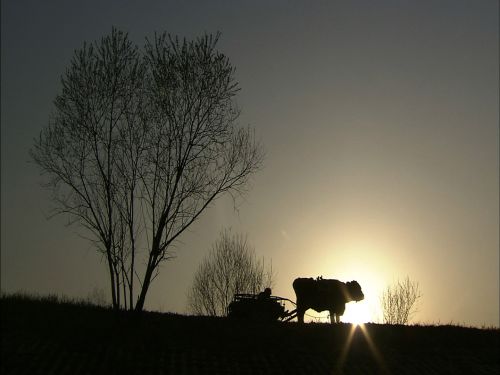
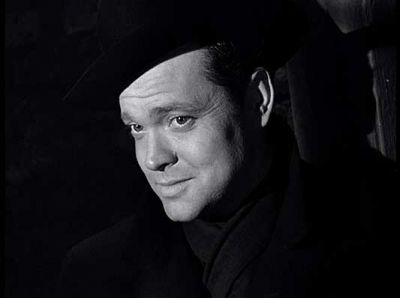
 Carol Reed’s thriller is quite simply the most entertaining film we have ever seen, twi-ny’s absolute all-time fave. Set in divided post-WWII Vienna amid a thriving black market, THE THIRD MAN is heavy in atmosphere, untrustworthy characters, and sly humor, with a marvelous zither score by Anton Karas. Joseph Cotten stars as Holly Martins, an American writer of Western paperbacks who has come to Vienna to see his old friend Harry Lime (Orson Welles), but he seems to have shown up a little late. While trying to find out what happened to Harry, Martins falls for Harry’s lover, Anna (Alida Valli); is told to get out of town by Major Calloway (Trevor Howard); meets a stream of Harry’s more interesting, mysterious friends, including Baron Kurtz (Ernst Deutsch) and Popescu (Siegfried Breuer); and is talked into giving a lecture to a literary club by old Mr. Crabbin (Wilfrid Hyde-White). SPOILER: The shot in which Lime is first revealed, standing in a doorway, a cat brushing by his feet, his tongue firmly in cheek as he lets go a miraculous, knowing smile, is one of the greatest single shots in the history of cinema. Film Forum is screening a new 35mm print of THE THIRD MAN in honor of the film’s sixtieth anniversary.