ZONA: A BOOK ABOUT A FILM ABOUT A JOURNEY TO A ROOM
Friday, March 9, 192 Books, 192 Tenth Ave., free, 7:00
Saturday, March 10, “Tarkovsky Interruptus,” the New School, Tishman Auditorium, 6 West 12th St., free, 5:00
Sunday, March 11, “Geoff Dyer on Tarkovsky, Cinema, and Life,” Museum of the Moving Image, 36-01 35th Ave., free with museum admission, 3:00 & 6:00
Monday, March 12, School of Visual Arts, Beatrice Theater, 333 West 23rd St., free, 7:00
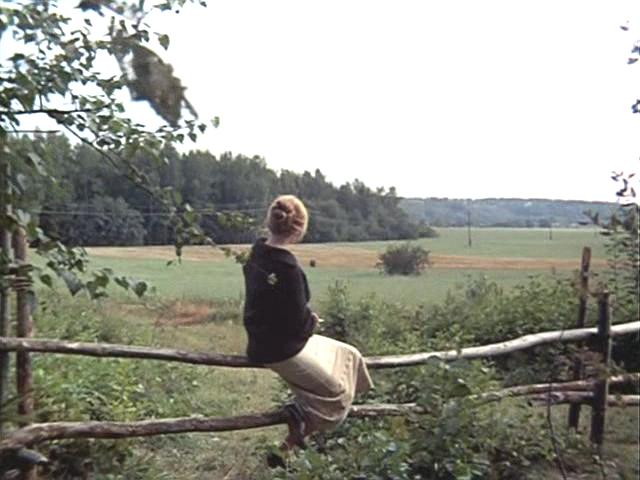
“This book is an account of watching, rememberings, misrememberings, and forgettings; it is not the record of a dissection,” British author Geoff Dyer writes in Zona: A Book About a Film About a Journey to a Room (Pantheon, February 21, $24). Over the course of some two hundred pages, Dyer immerses the viewer in the fantastical world of Andrei Tarkovsky’s 1979 film, Stalker, in which the title character leads two men, Writer and Professor, on a dangerous trip into the Zone, a mysterious area that harbors a room where people’s most inner desires are said to come true. Dyer’s obsessively thorough scene-by-scene examination of the film includes tidbits about the making of the existential work as well as stories about his own personal life while referencing Michelangelo Antonioni and Jean-Luc Godard, Roland Barthes and Timothy Leary, Werner Herzog and Richard Widmark, Leo Tolstoy and T. S. Eliot, Mick Jagger and Jim Jarmusch, Milan Kundera and Don DeLillo, John Berger and Alan Watts, and Robert Bresson and Ingmar Bergman, sometimes extending footnotes across several pages that dwarf the main text. Zona is a wonderful companion piece to the film, a must-read for fans of Tarkovsky and the study of cinema itself.
On March 9, Dyer will be reading from and signing copies of Zona at 192 Books in Chelsea, then will participate in the “Tarkovsky Interruptus” program being held at the New School on March 10, a screening of Stalker that will occasionally be interrupted by commentary from Dyer, Walter Murch, Phillip Lopate, Francine Prose, Michael Benson, and Dana Stevens. Dyer will continue his whirlwind adventure on March 11 at the Museum of the Moving Image when he hosts “Geoff Dyer on Tarkovsky, Cinema, and Life,” a discussion with David Schwartz at 3:00, followed by a screening of Tarkovsky’s Mirror at 6:00. And on March 12 he’ll be at the School of Visual Arts for a lecture and book signing.
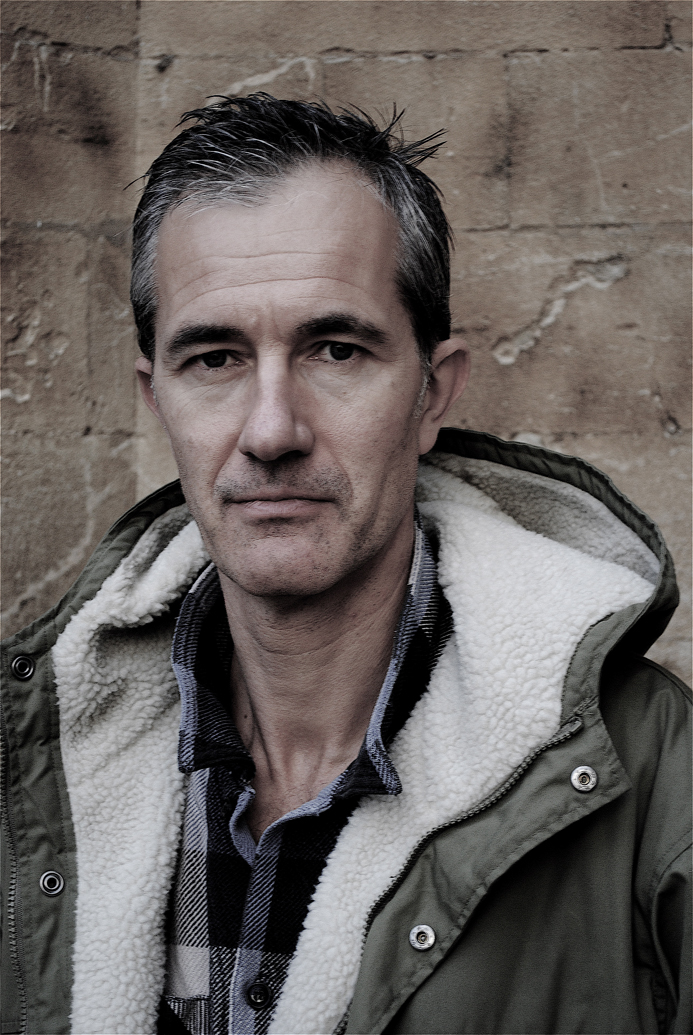
Geoff Dyer will share his Tarkovsky obsession with special appearances all over the city (photo by Marzena Pogorzaly)
twi-ny: In Zona, you essentially play the part of Writer, Professor, and Stalker as you guide readers through the film and certain parts of your life. Which of the three characters do you most closely identify with?
Geoff Dyer: Well, ostensibly it would have to be Writer. He’s my embedded representative. I like his washed-up-ness, his sense of failure, his dissatisfaction with himself and the world. But ultimately it would be Stalker because he’s a believer.
twi-ny: You first saw Stalker in February 1981; how many times have you now seen it on the big screen?
Geoff Dyer: I’ve lost track. More than any film except Where Eagles Dare, which, now that I think of it, I’ve only seen on the big screen once. At this particular moment I’m not in a hurry to see it again but I’m sure I will do so again in the future. It is nothing if not inexhaustible — despite my attempts to exhaust it.
twi-ny: On March 11, you’ll be at the Museum of the Moving Image introducing Tarkovsky’s Mirror, which is mentioned often in Zona. What should a Tarkovsky virgin know about Mirror before experiencing it?
Geoff Dyer: I don’t think you need to know much about it; you just need to relax, to abandon preconceptions and expectations about how a film should proceed, and give yourself to it. It’s the same with Indian classical music; people worry that they don’t know enough to get into it when all you really need is a pair of ears. On reflection, maybe cannabis helps in both these cases. It might also be interesting to think about Terence Malick’s recent Tree of Life. He must have had Mirror in mind when he was making that.
twi-ny: In previous books, you’ve taken unique approaches in examining D. H. Lawrence, jazz, John Berger, and now Andrei Tarkovsky and Stalker. Do you see any similarities among these subjects that drove you to write about them in such detail?
Geoff Dyer: Not really, only my own fan-ness, my love for these things. I see a different continuity with some of the other books — Yoga for People Who Can’t Be Bothered to Do It, The Missing of the Somme, and the second part of Jeff in Venice, Death in Varanasi — and that is more about an ongoing fascination with the idea of the Zone. The one in the film is a sort of invented place but I’ve been drawn to similar places in the real world — places of heightened meaning, of religious significance, places where time has stood its ground, where you have some kind of peak experience — in these books.
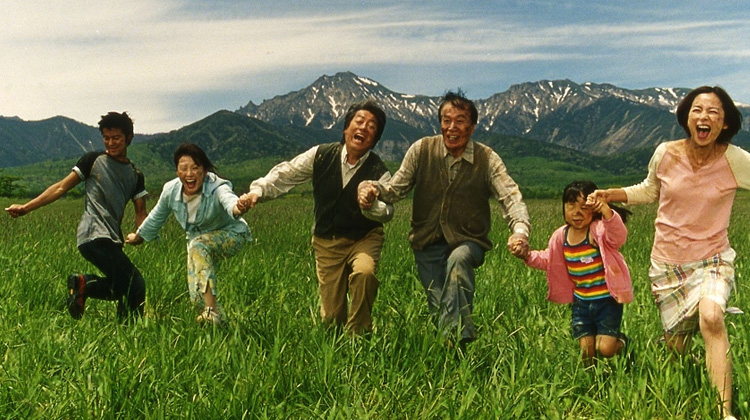
 Japanese genre king Takashi Miike, who has made more than one hundred films in his twenty-two-year career, outdoes himself in The Happiness of the Katakuris, an endlessly inventive tale of the Katakuris, a family that moves to the middle of nowhere to run a country inn. The only problem is that when guests finally arrive, they all end up dead — in bizarre, ridiculous ways — and the father decides to bury them instead of reporting the incidents, in order to protect the inn and the family’s future. Miike (Ichi The Killer, Audition, Thirteen Assassins) masterfully mixes comedy, romance, Claymation, music, murder, and mayhem in this enormously entertaining and highly original movie that is filled with a never-ending bag of surprises. The Happiness of the Katakuris is screening in a 35mm print May 7 at 8:15 as part of the IFC Center series “The Modern School of Film” and will be followed by a discussion with Brooklyn-based choreographer Mark Morris; the series continues May 9 with John M. Stahl’s 1945 melodrama Leave Her to Heaven, with Neil LaBute on hand to talk about it, May 13 with Andrei Tarkovsky’s The Mirror and Bill T. Jones, and May 28 with Vittorio De Sica’s Miracle in Milan and Laurie Anderson.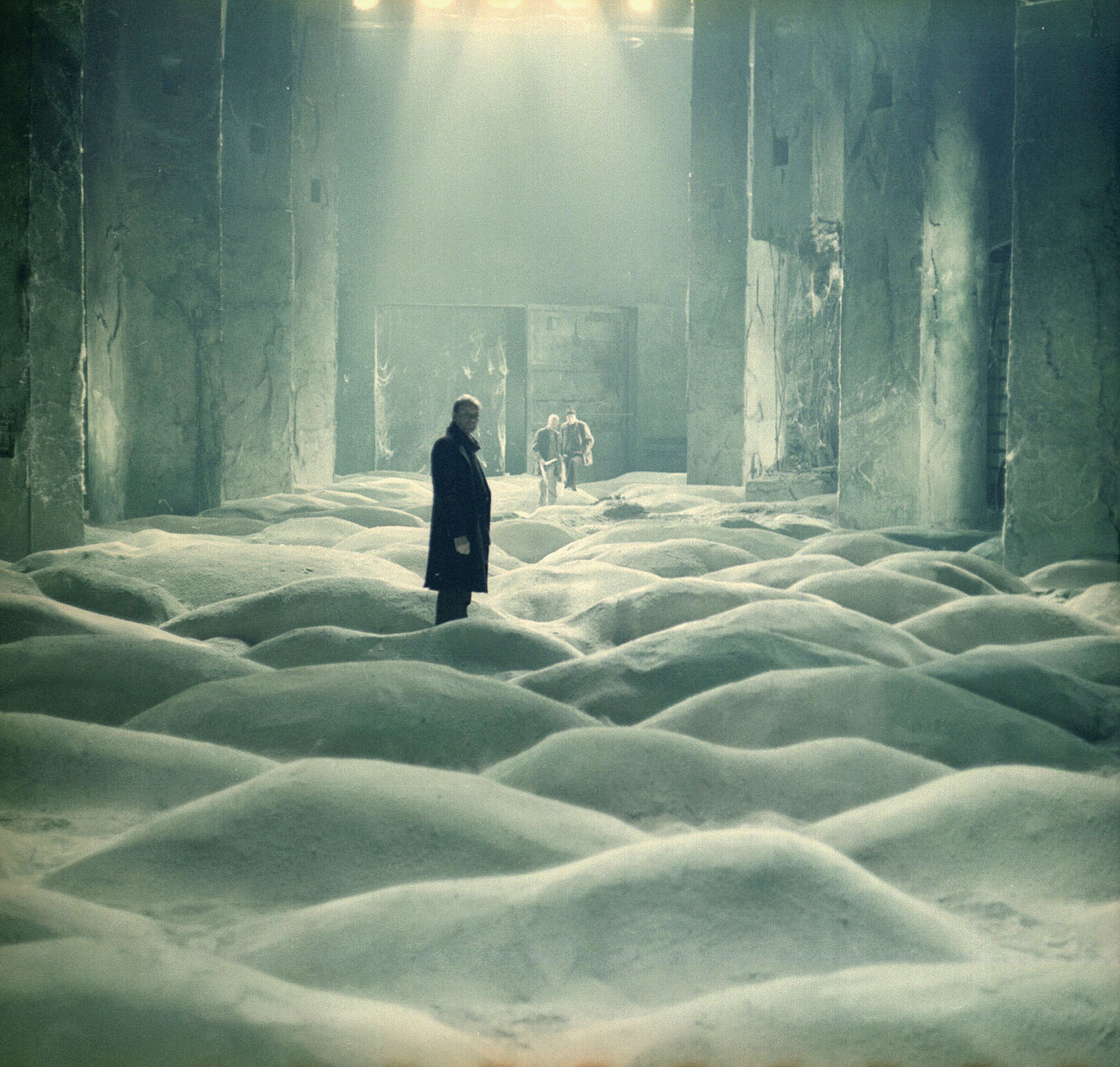
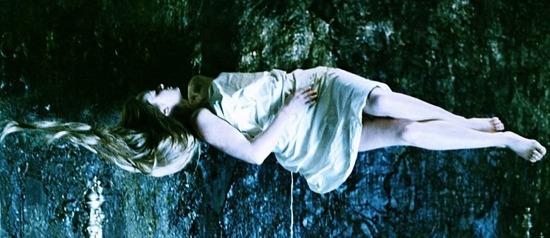
 ”Words can’t really express a person’s emotions. They’re too inert.” So says Andrei Tarkovsky in his dream-filled, surreal classic The Mirror, which features long scenes with little or no dialogue. Tarkovsky turns the mirror on himself and his childhood to tell the fragmented and disjointed story of WWII-era Russia through his own personal experiences with his family. Tarkovsky was obsessed with film as art, and this nonlinear film, which shifts back and forth between color and black-and-white, is his poetic masterpiece; he even includes his father’s (Arseny Tarkovsky) poems read over shots that are crafted as if paintings. Many of the actors (which include his mother, Maria Vishnyakova, and his wife, Larisa Tarkovskaya, in addition to Margarita Terekhova, Ignat Daniltsev, and Anatoli Solonitsyn) play several roles; have fun trying to figure out who is who and what exactly is going on at any one moment. The Mirror is screening for free March 13 at the Mid-Manhattan Library as part of the series “Three Auteurs of World Cinema,” which began with six films by Wong Kar-wai and continues with Tarkovsky’s Stalker and The Sacrifice before presenting eight works by Federico Fellini beginning April 10 with I Vitteloni.