
Sophie (Miranda July) and Jason (Hamish Linklater) worry about what comes next in THE FUTURE
THE FUTURE (Miranda July, 2011)
IFC Center
323 Sixth Ave. at West Third St.
Opens Friday, July 29
212-924-7771
www.ifccenter.com
www.thefuturethefuture.com
eleven heavy things in union square park 2010
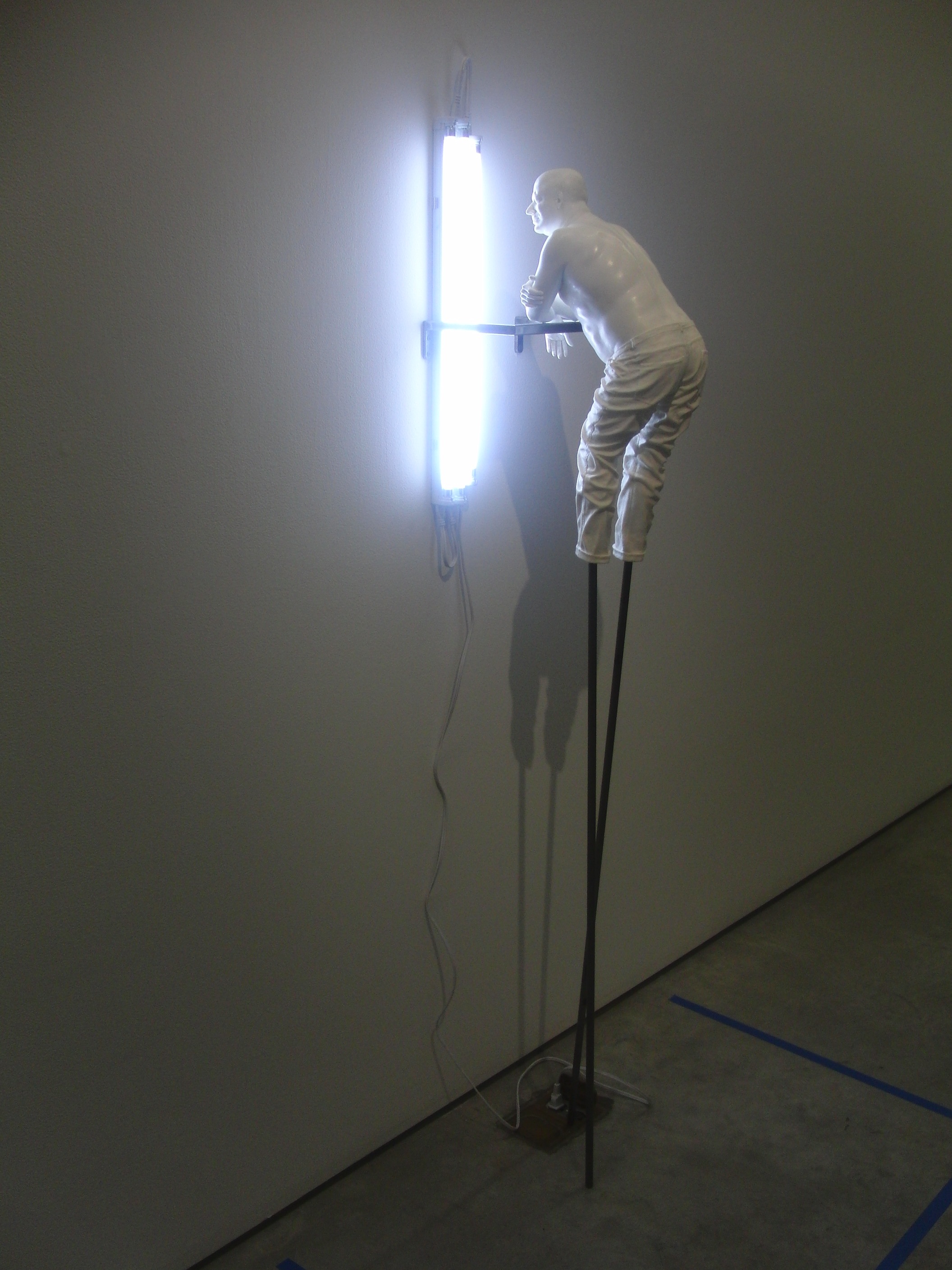
 Multimedia performance artist and indie darling Miranda July scored a major breakthrough with her 2005 cinematic debut, the utterly charming romantic comedy Me and You and Everyone We Know. While her follow-up, The Future, lacks many of the endearing qualities that made her first film such a success, it is still a quirky, beguiling drama that offers a breath of fresh air from the usual summer movie doldrums — er, blockbusters. July stars as Sophie, a children’s dance teacher living with Jason (Hamish Linklater), a work-at-home IT dude. The slackers spend their time sitting on the couch, both on their laptops, having offbeat conversations and pretending they can stop time. But when they are told that the sick cat they want to adopt won’t be well enough to leave the veterinary hospital for another month, they decide that this will be their last thirty days of freedom, thinking that the arrival of the feline will confer upon them the responsibilities of adulthood they have been so good at avoiding up to now. Given this last bastion of hope, they quit their jobs to pursue their dreams: Jason starts going door-to-door selling trees, while Sophie sets out to perform a dance a day and post them on YouTube. No, this oddball, somewhat freakish couple doesn’t exactly dream big. And, of course, their idea of freedom doesn’t turn out to be exactly what they had hoped. The Future veers off in way too many directions, some good, some bad, but it is held together by July’s bright eyes and lanky, comedic body even as she explores the horrors of mainstream suburban living. As with much of her performance art, she challenges the audience to stay with her as she defies standard narrative and turns to the surreal, including a talking moon. The film is nearly stolen by Joe Putterlik, an elderly man whom Jason meets through a Pennysaver ad for a three-dollar used hair dryer; Putterlik, who also is the voice of the moon, was actually discovered by July through a Pennysaver ad, and much of his dialogue is improvised and set in his own apartment as he talks about his real life. Sadly, he died immediately after shooting was concluded. The film is narrated by the ill cat, Paw Paw (voiced by July in a creepy monotone), who dreams of her own freedom, wanting desperately to get out of her cage and be taken in by people who will love her. And after all, isn’t that what we all want? As an added treat, the California-based July, who installed the fun installation “Eleven Heavy Things” in Union Square Park last year and has also written the terrific short-story collection No one belongs here more than you, will be at the IFC Center for the 6:10 and 8:20 screenings on July 29 & 30.



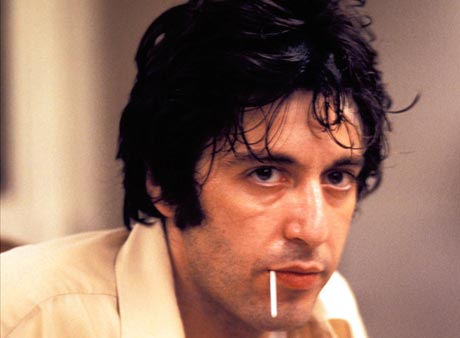
 The Film Society of Lincoln Center’s tribute to the late Sidney Lumet continues tonight with two of the Philadelphia-born New Yorker’s greatest works, a pair of tense, powerful fact-based dramas starring Bronx native Al Pacino that helped define the 1970s, both onscreen and off. First up, at 6:30, is one of the most bizarre bank robberies gone wrong you’ll ever see, Dog Day Afternoon. Pacino stars as Sonny, a confused young man desperate to get money to pay for his boyfriend’s (Chris Sarandon) sex-change operation. But things don’t go quite as planned, and soon Sonny is leading the gathered crowd in chants of “Attica! Attica!” while his partner, Sal (John Cazale), wants a plane to take them to Wyoming and Det. Moretti (Charles Durning) is trying to get them to surrender without hurting anyone, primarily themselves. Dog Day Afternoon is a blistering, funny, biting commentary on mid-’70s New York as well as a fascinating character study of a deeply conflicted man. Following at 9:00 is another gritty, realistic drama, Serpico, with Pacino giving an unforgettable performance as an undercover cop single-handedly trying to end the rampant corruption that has spread like a disease throughout the NYPD. When his fellow officers and supposed friends turn their back on him, he is left on his own, vulnerable but still committed, risking both his career and his life to do what he thinks is right. Pacino is explosive in both films, playing two very different protagonists on different sides of the law yet similar in so many ways. “Prince of the City: Remembering Sidney Lumet” features three other Lumet films today, 1978’s The Wiz (10:30 am), 1968’s The Sea Gull (1:15), and 1988’s Running on Empty (4:00), while tomorrow’s schedule includes 1962’s Long Day’s Journey into Night (12:30), 1990’s Q&A (4:00), and 1981’s Prince of the City (7:15), the latter two followed by Q&As with cast members and real characters depicted in the films.