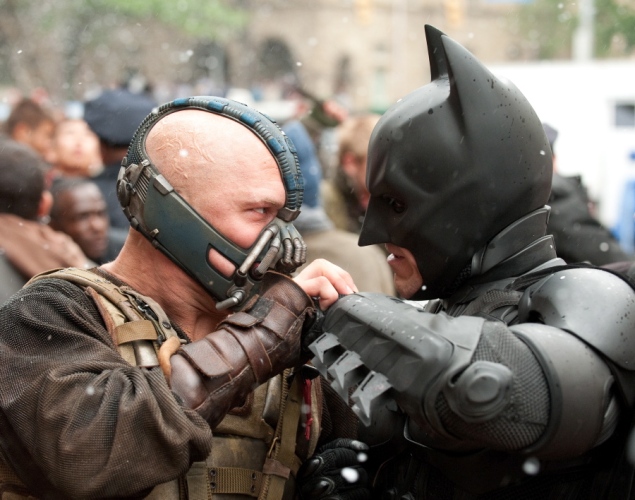
Eli Sasich’s HENRI is one of the highlights of Philip K. Dick film festival
IndieScreen
285 Kent Ave. at South Second St.
December 7-9, $5-$55
347-227-8030
www.thephilipkdickfilmfestival.com
www.indiescreen.us
During his short life, Philip Kindred Dick, who died in 1982 at the age of 53, wrote nearly 50 novels and more than 150 short stories in addition to nonfiction essays and books. The work of the science-fiction master has been turned into such major films as Blade Runner, Minority Report, A Scanner Darkly, The Adjustment Bureau, and Total Recall and has inspired countless others. The Philip K. Dick Film Festival, taking place in Brooklyn, Queens, and Manhattan December 7-9, celebrates Dick’s legacy with three days of features, shorts, animated flicks, and more either based directly on his writing or focusing on such favorite Dick themes as the changing nature of humanity in a world overrun by technology. The festivities get under way on Friday night at IndieScreen with John Alan Simon’s Radio Free Albemuth, which is based on the 1976 novel and includes a character named Philip K. Dick, played by Shea Wigham; Alanis Morissette also appears in the film. The screening will be followed by a Q&A with Simon. Next up is Eli Sasich’s dazzling short, Henri, in which a robot is brought to life as disaster looms; yes, those two actors are indeed Margot Kidder and Keir Dullea. Among Saturday’s special events are the panel discussions “H. P. Lovecraft and Philip K. Dick,” “Intruders Amongst Us — ETs and UFOs,” and “Is Science Fiction the Science of the Future?” in addition to such films as Odokuro, In Aeternum, First Winter, and Ninjas vs Monsters. Sunday’s selections run the gamut from Demonen — Inviting the Demon and Blood for Irina to Transmission and Caterwaul, a charming little examination of a lonely old man (George Murdock from The Twilight Zone, Barney Miller, and myriad other television series; he passed away this past April at the age of eighty-one) who finds an odd companion in a very different kind of lobster. There will also be a shorts program on Friday at the Instituto Cervantes and screenings on Saturday at Singularity and Company in DUMBO, the Producers Club, and the Spectacle Theater. And on Sunday, the Museum of the Moving Image will host the all-star panel “The Outsider in Science Fiction — African American and Latino Perspectives” with Walter Mosley, Samuel R. Delany, Alex Rivera, Lawrence Oliver Cheery, Lola Salvador, and Carlos Molinero, moderated by Warrington Hudlin. There are various options for buying tickets, from paying $5 per short to $10 per feature to $15 per day or $45 for all three days, with prices going up the day of the event.

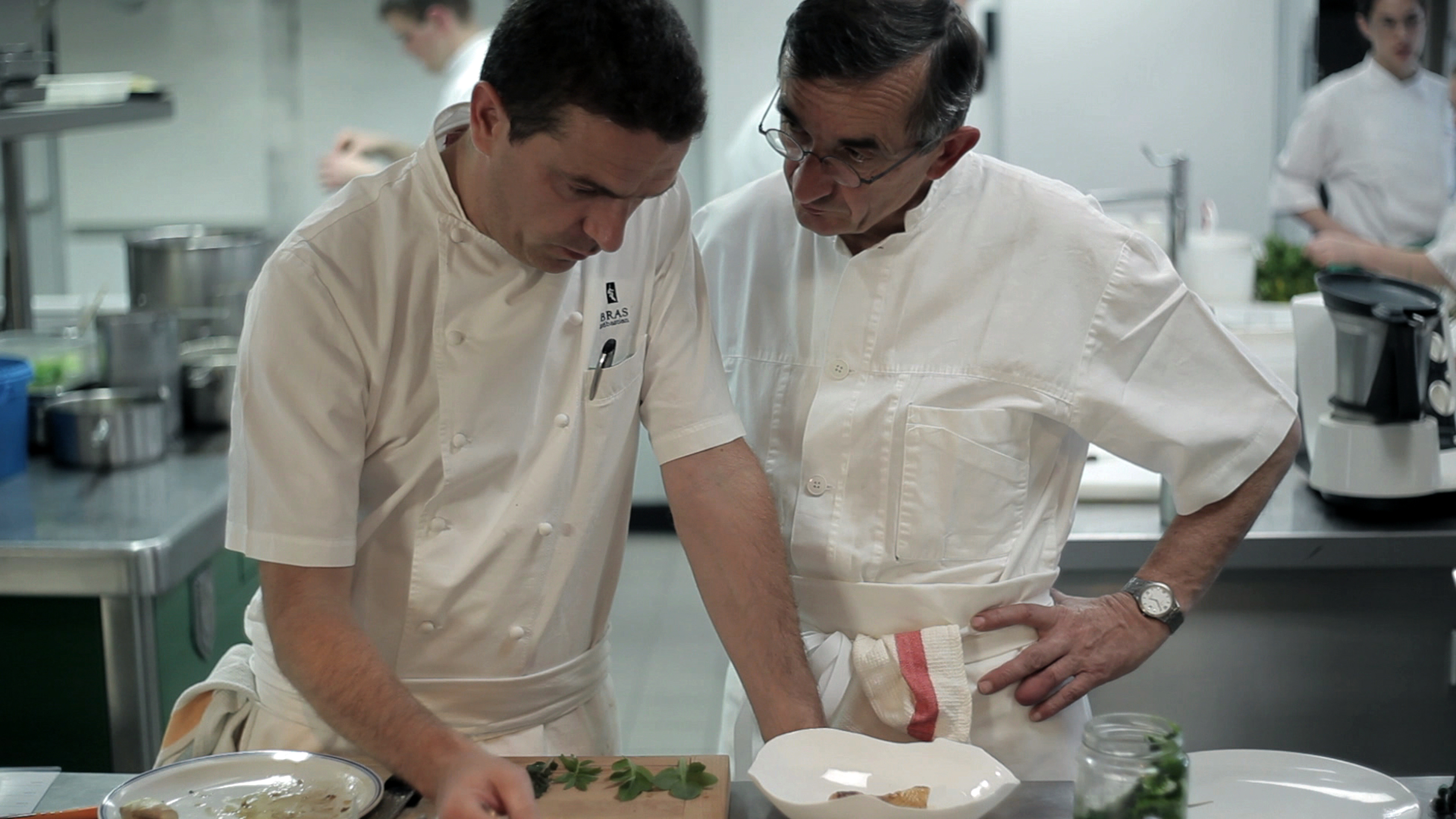
 Culinary documentarian Paul Lacoste details the handing over of a world-renowned restaurant business from father to son in the appetizing if not wholly satiating Step Up to the Plate. In 1999, Lacoste kicked off his “Inventing Cuisine” series with an inside look at gourmet chef Michel Bras, followed by episodes focusing on Pierre Gagnaire, Gérald Passédat, Michel Troisgros, Olivier Roellinger, Michel Guérard, Pascal Barbot, Alain Passard, and Nadia Santini. Ten years later, when he learned that Michel was retiring and his son, Sébastien, would be taking over, Lacoste asked if he could document the transition, resulting in the Bras family welcoming the director into their restaurants and homes, although the results are sometimes surprisingly distant and empty rather than intimate and revealing. Over the course of four seasons, Lacoste follows Michel and his wife, Ginette, and Sébastien and his wife, Véronique, and their two kids from their franchise three-Michelin-star restaurant in the Aubrac region in the south of France to the glorious, stunning Michel Bras Toya Japon situated atop a mountain in Japan. Much of the film focuses on Sébastien creating a new dish, a special request from the director; the deeply intent chef stares at the plate, knowing something is missing but not sure what it is, the camera lingering, a bit too long, on his consternation. When he ultimately brings the dish to his demanding father, Sébastien declares, “Stop looking, taste it! Food is for eating,” to which Michel responds, “But you look at it first, you know.” It is fascinating to watch just how central a role food as both reality and concept plays in this close family’s life, especially as they entertain thoughts of a fourth generation someday grabbing the reins. But while Step Up to the Plate will leave you hungry to eat at their restaurants, it will also leave you hungry for more from the film itself. Step Up to the Plate was originally scheduled to close out FIAF’s “Films for Foodies!” series on October 30 but was canceled because of Hurricane Sandy; it will now be shown December 6 at 7:00, with producer Jaime Mateus-Tique on hand to discuss the film.
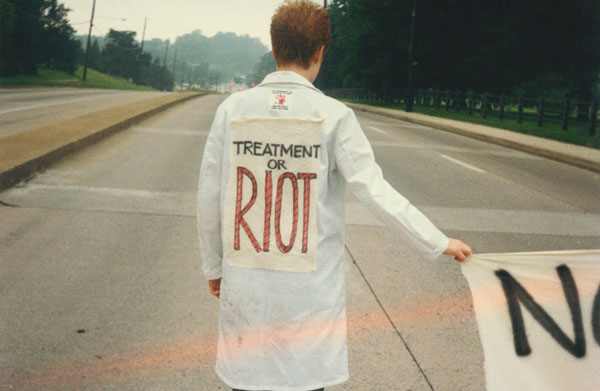
 Contemporary activists stand to learn a lot from the gripping documentary How to Survive a Plague. For his directorial debut, longtime journalist David France, one of the first reporters to cover the AIDS crisis that began in the early 1980s, scoured through more than seven hundred hours of mostly never-before-seen archival footage and home movies of protests, meetings, public actions, and other elements of the concerted effort to get politicians and the pharmaceutical industry to recognize the growing health epidemic and do something as the death toll quickly rose into the millions. Focusing on radical groups ACT UP and TAG (Treatment Action Group), France follows such activist leaders as Peter Staley, Mark Harrington, Larry Kramer, Bob Rafsky, and Dr. Iris Long as they attack the policies of President George H. W. Bush, famously heckle presidential candidate Bill Clinton, and battle to get drug companies to create affordable, effective AIDS medicine, all while continuing to bury loved ones in both public and private ceremonies. France includes new interviews with many key activists who reveal surprising details about the movement, providing a sort of fight-the-power primer about how to get things done. The film also shines a light on lesser-known heroes, several filled with anger and rage, others much calmer, who fought through tremendous adversity to make a difference and ultimately save millions of lives. How to Survive a Plague is being shown on World AIDS Day, December 1, at 7:00 as part of MoMA’s annual series “The Contenders,” consisting of exemplary films they believe will stand the test of time, with France on hand to participate in a postscreening discussion; upcoming entries include Peter Ramsey’s Rise of the Guardians, Ben Lewin’s The Sessions, and Behn Zeitlin’s Beasts of the Southern Wild.