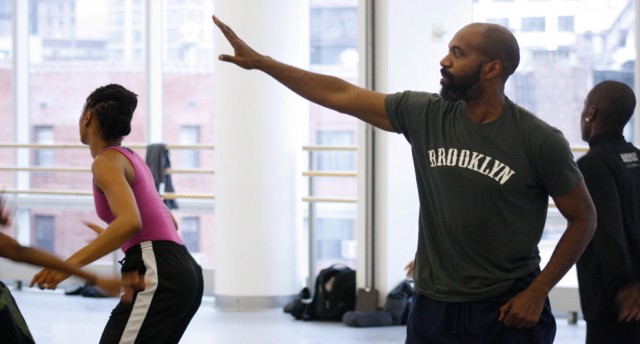
Ronald K. Brown leads rehearsal for FOUR CORNERS, which makes its world premiere next week as Alvin Ailey returns to Lincoln Center for the first time since 2000 (photo by Claudia Schreier)
David H. Koch Theater
20 Lincoln Center Plaza
June 12-16, $25 – $135
212-496-0600
www.alvinailey.org
www.davidhkochtheater.com
Alvin Ailey American Dance Theater always puts a jolt into the holiday season, taking up residence at City Center every December. This month, as an added bonus, they’ll be performing at Lincoln Center for the first time in thirteen years. Led by artistic director Robert Battle, AADT will be at the David H. Koch Theater from June 6 to 12, presenting seven pieces over the course of seven performances. The highlight is the world premiere of Ronald K. Brown’s Four Corners, which was inspired by Carl Hancock Rux’s “Lamentations” and is set to music by Hancock Rux and others. The seven programs also feature Brown’s beautiful Grace as well as Garth Fagan’s From Before, Jiří Kylián’s inventive Petite Mort, Battle’s whirlwind solo work Takademe (performed by either Kirven James Boyd or Jamar Roberts), Ohad Naharin’s dazzling Minus 16, and the company’s signature Revelations. (For reviews of many of these works from the past two years, go here and here.) Battle has just added Ailey II’s Jeroboam Bozeman and Fana Tesfagiorgis and Battleworks veteran Elisa Clark to the troupe, while rehearsal director and guest artist Matthew Rushing will take the stage in both Brown pieces. Revelations, which closes six of the performances, will include either Linda Celeste Sims and Glenn Allen Sims or Alicia Graf Mack and Roberts teaming up for the “Fix Me” pas de deux, and the June 15 matinee will be followed by a Q&A with the dancers.


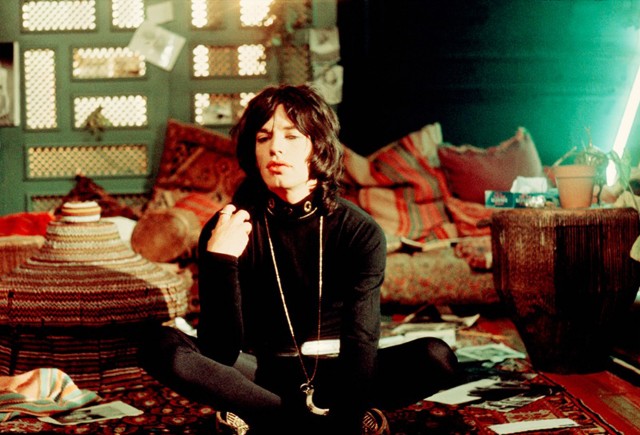
 A British gangster on the run hides out with a psychedelic rock star in this strangely enticing film from Donald (The Demon Seed) Cammell and Nicolas Roeg (making his big-screen directorial debut). James Fox didn’t know what he was getting into when he signed on to play Chas, a mobster who finds sanctuary with mushroom-popping rock-diva has-been Turner, played with panache by Mick Jagger. Throw in Anita Pallenberg, a fab drug trip, and the great “Memo to Turner” scene and you have a film that some consider the real precursor to MTV, some think a work of pure demented genius, and others find to be one of the most pretentious and awful pieces of claptrap ever committed to celluloid. We fall somewhere in the middle of all of that. Performance is screening in a 35mm print June 3 at 8:00 as part of the IFC Center series “Queer/Art/Film” and will be followed by a discussion with artist, writer, documentarian, and activist Gregg Bordowitz. The monthly series, which consists of films selected by gay New York City artists, continues July 22 with Julia Loktev’s Day Night Day Night, chosen by Amadéus Leopold, and August 19 with Stephen Frears’s My Beautiful Laundrette, picked by Chitra Ganesh.