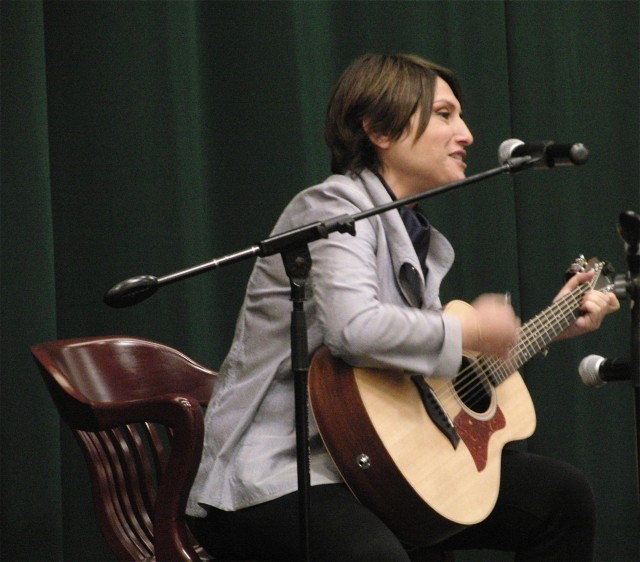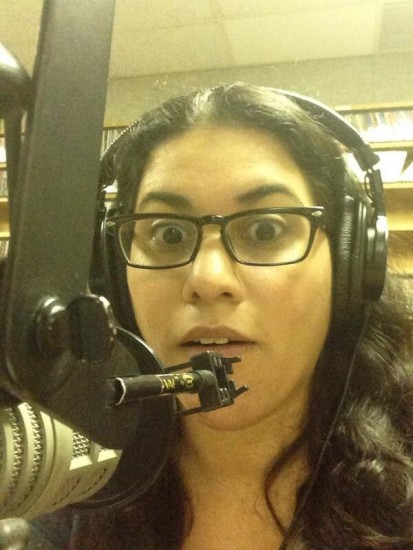
Sara Farizan will be at McNally Jackson on September 10 talking about her debut novel, IF YOU COULD BE MINE, as part of the launch celebration of the Alquonquin Young Readers imprint
McNally Jackson
52 Prince St. between Lafayette & Mulberry Sts.
Tuesday, September 10, free, 7:00
212-274-1160
www.mcnallyjackson.com
www.algonquinyoungreaders.com
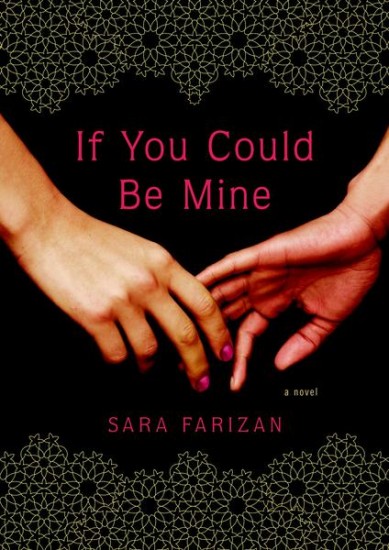
In her debut novel, If You Could Be Mine (Algonquin Young Readers, August 2013, $16.95), Sara Farizan details the dangerous love between two seventeen-year-old Tehran girls who must keep their relationship secret from everyone. The story is narrated by Sahar, who has wanted to marry Nasrin since they were six, but same-sex relationships are punishable by death in Iran. “It’s difficult, hiding my feelings for her. Tehran isn’t exactly safe for two girls in love with each other,” Sahar explains at the beginning of the book. “We are always around each other, so I don’t think anyone will suspect that Nasrin and I are in love. She worries, though, all the time. I tell her no one will know, that I will protect her, but when we kiss I can feel her tense. She keeps thinking about the two boys who were hung years ago in Mashhad.” When Nasrin’s family arranges for her to marry a doctor, Sahar considers taking extreme measures to continue their secret love.
In the book, Farizan, a gay woman born in Massachusetts to Iranian immigrant parents, explores the very serious subjects of homosexuality, gender identity, gender reassignment surgery, and other aspects of LGBTQ life in Iran with tenderness, intelligence, and humor. On September 10, Farizan will be at McNally Jackson with fellow novelists Hollis Seamon (Somebody Up There Hates You) and Amy Herrick (The Time Fetch) celebrating the launch of Algonquin Young Readers, with each of the writers reading from their works, speaking with AYR editor and publisher Elise Howard, and participating in an audience Q&A, followed by a signing. But first, Farizan took part in an exclusive twi-ny talk, discussing the book, her influences, her family’s reaction when she came out to them, and more.
twi-ny: If You Could Be Mine is a deeply intimate story about two very different girls. Would you say there are parts of you in each of them, or do you most closely identify with one of them?
Sara Farizan: I suppose I am more like Sahar but to be honest they are both really nothing like me. They are both a lot braver than I am; I’m a big scaredy cat. I think I know people that have elements of Nasrin’s personality, but I created them pretty much from scratch.
twi-ny: Sahar and Nasrin have to hide their love from their parents. You’ve stated that your own coming out to your family was very difficult. How is your relationship with them now, especially with the publication of the book, which explores some very complex themes that are rarely dealt with in YA novels and are often not discussed between parents and children?
Sara Farizan: My parents have been amazing and I am so lucky to have them in my life. I came out to them about ten years ago and it wasn’t always easy but they have never treated me differently and truly love me unconditionally. My mom is a big champion of the book and loves the idea that it might help other families discuss these issues. Dad still hasn’t read the book because I think he’s a little scared but he Googles me a lot, which I find adorable. I give them a lot of credit and am so proud of the growth they have shown in just ten years.
twi-ny: You’ve traveled to your parents’ home country of Iran several times, including to research the book. How does the gay community over there deal with the apparent contradiction that the government openly supports gender reassignment surgery but outlaws homosexuality?
Sara Farizan: Well, I can’t speak for the whole community because it’s a country of 70 million people, but there are a lot of groups that have to deal with things privately. I think there is a huge distinction between gender identity and sexual orientation and everyone has their own opinion. I imagine it must be frustrating for both groups because the two have a tendency to get blended together.
twi-ny: What books and authors, either YA or adult, served as influences while you were writing If You Could Be Mine?
Sara Farizan: My mentor, Chris Lynch, is amazing and lovely. I read books by Deborah Ellis, Marjane Satrapi, Khaled Hosseini, Julie Ann Peters, Cris Beam, and many others.
twi-ny: How long did the research/writing process take?
Sara Farizan: It took me about two and a half years with all the research and finishing a final draft.
twi-ny: Your undergraduate degree is in film and media studies. Iran has a rich yet complex cinema history, with such directors as Jafar Panahi, Abbas Kiarostami, and Mohsen Makhmalbaf making often controversial films that sometimes get banned and can get them arrested. Did any specific Iranian films play a role in your research?
Sara Farizan: I’ve grown up watching a lot of Iranian films and they have kind of informed me about many issues that I may not have been privy to in my Western bubble. Some favorites include Children of Heaven, Santoori, Leila, No One Knows about Persian Cats, and the documentaries Be Like Others and The Iran Job.
twi-ny: On September 10, you, Amy Herrick, and Hollis Seamon will be featured at a launch party at McNally Jackson for the Algonquin Young Readers imprint. What’s it like to be part of this launch? What are you personal expectations for the event?
Sara Farizan: It is so surreal and I still can’t really believe it. I keep thinking someone is going to call me and say, “Actually we’ve made a mistake.” I love Algonquin Young Readers and I don’t want to ever disappoint them. I hope it will be a special evening and I hope people see how much passion we put into our novels.