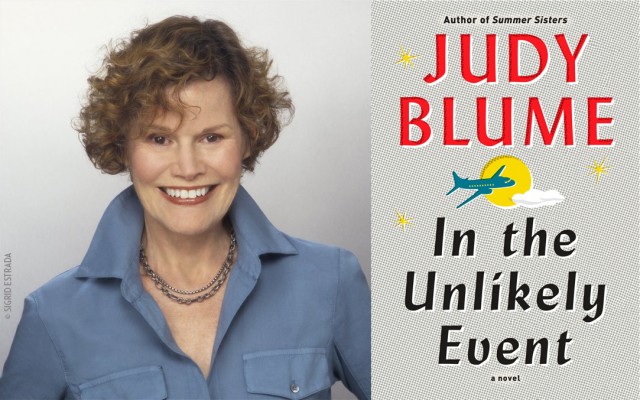
Judy Blume will be at BEA with her new adult novel, IN THE UNLIKELY EVENT
Jacob K. Javits Convention Center
655 West 34th St. (11th Ave. between 34th & 39th Sts.)
BookExpo America: May 27-29, $104-$419
www.bookexpoamerica.com
BookCon: May 30-31, $5-$40
www.thebookcon.com
The ways we are producing, purchasing, and reading books are changing at lightning speed, but when all is said and done, it’s still primarily about the written word. And that is precisely what you can celebrate at two major events this week. BookExpo America, better known as BEA, will be at the Javits Center May 27-29, the annual convention for book-buying professionals, publishing professionals, and book industry professionals and authors. In addition to hundreds of exhibitors, there is the Global Market Forum: China Pavilion, a special Translation Market, Start Up Alley, and Digital Discovery Zone. BEA is followed immediately by BookCon on May 30-31, two days of panels, signings, and celebrity guests that are open to the general public. Below are highlights, some of which require advance registration and ticketing.
BookExpo America
Wednesday, May 27
Opening Day Spotlight: In Conversation with Jonathan Franzen, moderated by Salon.com cofounder Laura Miller, Room 1E12/1E13/1E14, 12:30
Autographing Sessions with T. J. English, Alison Weir, Amy Ewing, Mo Willems, John Quiñones, Karin Slaughter, Carol Alt, Al Roker, Rosemary Wells, Bernadette Peters, more
Thursday, May 28
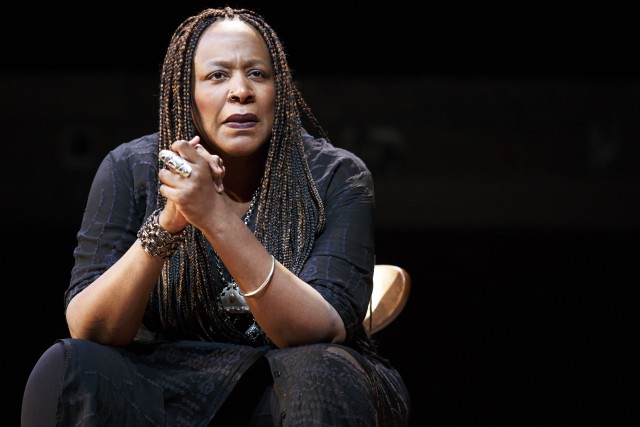
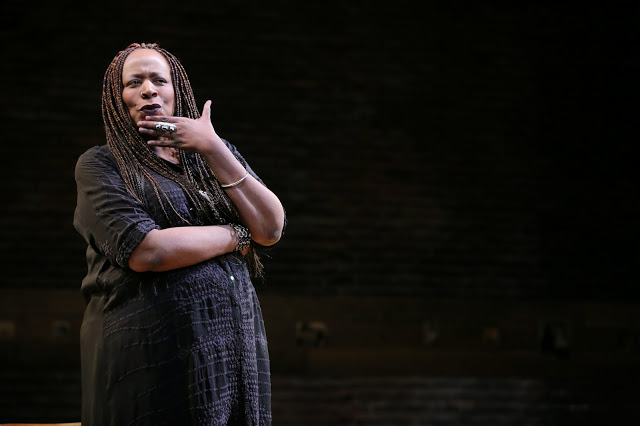
Adult Book & Author Breakfast, with Lee Child, Dyana Nyad, Brandon Stanton, and MC Kunal Nayyar, Special Events Hall, 8:00 am
Autographing Sessions with Anne Ursu, Michelle Zink, Maryrose Wood, Betsy Lewin, Tama Janowitz, Erin Stead, Jon Scieszka, Jesse Eisenberg, Sarah Mlynowski, Claudia Gabel, Gregory Maguire, Carolyn Mackler, Tim Harrington, Ahmet Zappa, Dr. Ruth Westheimer, Judah Freidlander, Mary Higgins Clark, Paul Morrissey, Adam Carolla, Jane O’Connor, more
Friday, May 29
Children’s Book & Author Breakfast, with Oliver Jeffers, Rainbow Rowell, James Patterson, and MC Nathan Lane, Special Events Hall, 8:00 am
Meet BEA Young Adult Editors’ Buzz Authors and Meet BEA Middle Grade Editors’ Buzz Authors, BEA Uptown Stage
Autographing Sessions with Kenneth Oppel, Kelley Armstrong, Stuart Gibbs, Jack Gantos, Hamish McKenzie, Scott Westerfeld, Katherine Applegate, Nathan Lane, Linda Fairstein, Kim Harrison, Oliver Jeffers, Amy Krouse Rosenthal, Lauren Oliver, Rita Williams-Garcia, Gitty Daneshvari, David Baldacci, Patrick Ness, Meg Cabot, more
APA Author Tea, with Judy Blume, Adriana Trigiani, Jack Gantos, and MC Jacqueline Woodson, Room 1E15/1E16, 3:30
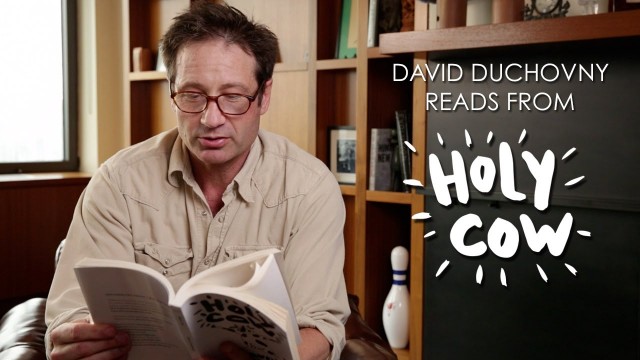
David Duchovny will present his new book, HOLY COW, at BookCon at the Javits Center this week
BookCon
Saturday, May 30
Mindy Kaling in Conversation with BJ Novak, Special Events Hall, 11:00 am
Marvel Presents: Star Wars, with Jordan White, Charles Soule, and Alex Maleev, Room 1A21, 12:30
Mixed Me: A Discussion with Taye Diggs and Shane Evans, Room 1A10, 1:00
Holy Cow, meet David Duchovny, Macmillan Meeting Room 3139 on the show floor, 2:00
Nick Offerman’s Gumption Revival!, Special Events Hall, 2:30
Aziz Ansari / Modern Romance, Special Events Hall, 4:15
Paper Towns Film Panel, with John Green, Justice Smith, Kathleen Heaney, Michael H. Weber, Nat Wolff, and Ryan Lott, Special Events Hall, 6:00
Autographing Sessions with Paige McKenzie, Sarah Dessen & Gayle Forman, Mac Barnett & Jory John, Meg Cabot, David Baldacci, Marissa Meyer, Nick Offerman & John Hodgman, Lauren Oliver, Tavi Gevinson, Brad Meltzer, Patrick Ness, Calvin L. Reed, more
Sunday, May 31
First in Line Red Carpet Event & Author Breakfast, with E. Lockhart, James Dashner, Jennifer Niven, and Nicola Yoon, Penguin Random House Meeting Room 3205 on the show floor, 10:00 am
We Need Diverse Books Presents Luminaries of Children’s Literature, with Aisha Saeed, David Levithan, I. W. Gregorio, Jacqueline Woodson, Libba Bray, Meg Medina, and Soman Chainani, Room 1A10, 11:15
Jodi Picoult and Samantha van Leer – Off the Page, Room 1A23, 1:00
John Leguizamo: Ghetto Klown, Downtown Stage, 2:00
Judy Blume in Conversation with Jennifer Weiner, Special Events Hall, 2:30
A Conversation with Brandon Stanton, Creator of Humans of New York, Room 1A21, 3:30
Goosebumps Movie Panel with R.L. Stine, Dylan Minnette, and Ryan Lee, Special Events Hall, 4:15
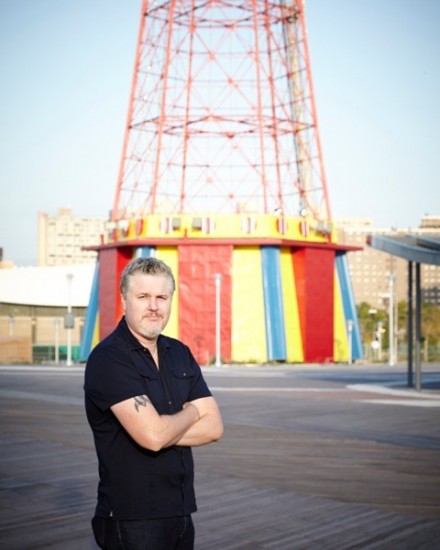
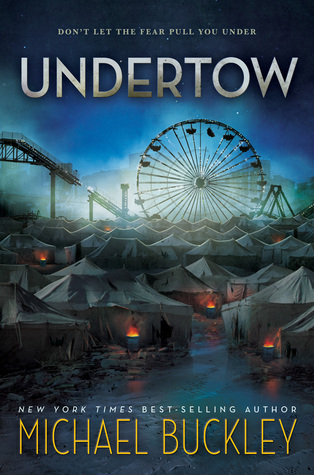
Autographing Sessions with Charlaine Harris, Matthew Van Fleet, Jacqueline Woodson & Libba Bray, Meg Cabot, R.L. Stine, Judy Blume, Scott Westerfeld, David Levithan, E. Lockhart, Mingmei Yip, Candace Bushnell, Brandon Stanton, Jodi Picoult & Samantha van Leer, James Dashner, Michael Buckley, more

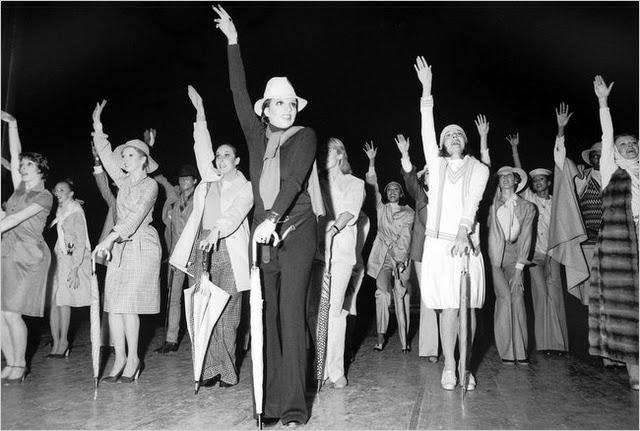
 The French Institute Alliance Française’s CinéSalon series “Haute Couture on Film,” part of the larger “Fashion at FIAF” festival, comes to a fitting close with Deborah Riley Draper’s fab 2012 doc, Versailles ’73: American Runway Revolution. In June 1919, Germany and the Allies signed a peace treaty at the palace of Versailles in France, where Louis XIV and his family lived until they had to flee in 1789. Nearly two hundred years later, the historic Château de Versailles was in disrepair, and American fashion doyenne Eleanor Lambert decided to do something about it, creating a high-society fundraiser featuring presentations by five French designers and five American designers. Deborah Riley Draper captures all of the backstage intrigue and surprising results in her debut full-length film, speaking with many of those who were on hand for what turned out to be an eye-opening, game-changing haute couture competition. “There are moments in history that change the course of history,” says Versailles ’73 model Alva Chinn. “That was a moment in history that changed the course of fashion history.” Among those sharing their perspectives on the Battle of Versailles, which pitted Yves Saint Laurent, Christian Dior, Hubert de Givenchy, Pierre Cardin, and Emanuel Ungaro against Anne Klein, Stephen Burrows, Bill Blass, Oscar de la Renta, and Halston, are Met Costume Institute curator-in-charge Harold Koda, Chambre Syndicale de la Haute Couture president Didier Grumbach, American actor and Halston assistant Dennis Christopher (Breaking Away), Château de Versailles chief curator Beatrix Saule, public relations executive and former Lambert assistant John Tiffany, Versailles ’73 patron Simone Levitt, former Halston assistant and Bill Blass executive Tom Fallon, photographer Charles Tracy, designer Burrows, and, most fabulously, participating models China Machado, Barbara Jackson, Charleen Dash, Pat Cleveland, Karen Bjornsen, Norma Jean Darden, Nancy North, Marisa Berenson, Bethann Hardison, Carla LaMonte, and Billie Blair, who are utterly delightful as they detail the fascinating goings-on.