Extensive Wim Wenders retrospective at the IFC Center will feature numerous appearances by the eclectic auteur
IFC Center
323 Sixth Ave. at West Third St.
August 28 – September 24
212-924-7771
www.ifccenter.com
www.wim-wenders.com
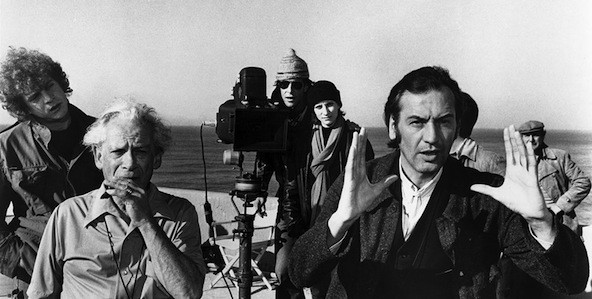
One of the most eclectic, iconoclastic auteurs in the history of cinema, German author, director, and photographer Wim Wenders has built an impressive film resume over the last forty-five years, from music and dance documentaries to road movies and postapocalyptic tales, from mysteries and fantasies to gripping emotional dramas and a Hawthorne adaptation. The IFC Center is celebrating his career with a wide-ranging four-week series featuring dozens of his full-length and short films, from 1972’s The Goalie’s Anxiety at the Penalty Kick to a sneak preview of his newest work, Every Thing Will Be Fine, including the New York City premiere of Palermo Shooting and the world premiere of the 4K restoration of The State of Things. Wenders will be at the IFC Center for Q&As following select screenings of The American Friend, Buena Vista Social Club, Kings of the Road, Pina, Tokyo-Ga, Paris, Texas, and other films; in addition, Wenders, who just turned seventy, will sign copies of his latest photography book, Wim Wenders: Written in the West, Revisited, after the Q&A following the 7:20 screening of Palermo Shooting on September 2, and he will participate in the special discussion “Liquid Space: A Conversation on 3D” on September 6.





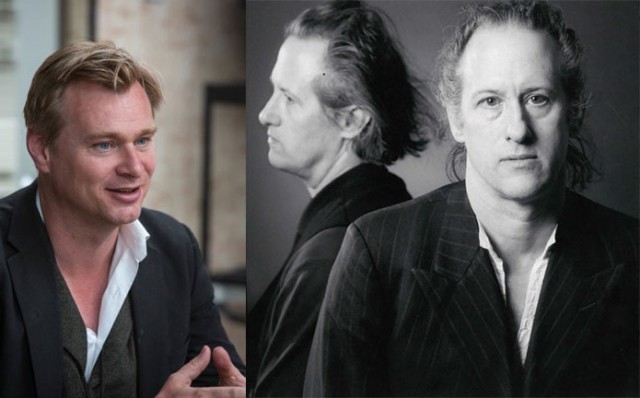
 In such films as Memento, Inception, and Interstellar, British-American writer-director Christopher Nolan has shown a flair for unusual storytelling devices and complex narratives. “I decided to structure my story in such a way as to emphasize the audience’s incomplete understanding of each new scene as it is first presented,” he said about his debut feature, 1998’s Following, and a similar aesthetic can be applied to the works of the Quay Brothers. Pennsylvania-born, England-based twins Stephen and Timothy Quay have been making complex narratives for three dozen years, short films and feature-length tales that push the boundaries of storytelling conventions. In hypnotic films such as In Absentia, The Comb (From the Museums of Sleep), and their universally acclaimed masterpiece, Street of Crocodiles, they use fragile dolls and puppets, psychologically tantalizing Expressionistic imagery, and experimental music to draw viewers into their Gothic, industrial, dreamlike fantasy world. In fall 2009, their mind-blowing sets were on display in the exhibit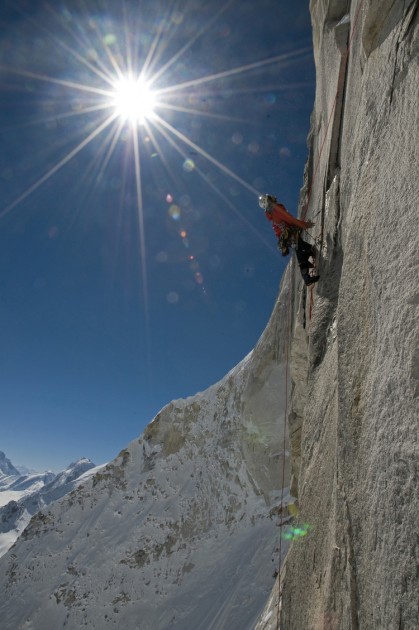
 “This climb has seen more attempts and more failures than any route in the Himalaya,” Into Thin Air author Jon Krakauer says near the beginning of Meru, which follows two recent tries to make it to the Shark’s Fin summit atop Mount Meru in India. “It’s the headwaters of the Ganges River, one of the most sacred rivers on earth, the center of the universe. It’s this weird nexus that is the point where heaven and earth and hell all come together.” In 2008, Conrad Anker, Jimmy Chin, and Renan Ozturk sought to be the first climbers ever to reach the top of the mountain, which features a 1,500-foot nearly sheer blade of granite at its apex. Scaling Mount Meru is more than just an extreme sport; it’s a passion and an obsession, and a supremely dangerous one at that. The film documents the two climbs as well as an extreme skiing photo shoot, and each time the men set out on a journey, they know that there is a chance that they might not make it back to their loved ones. Ozturk faces even more daunting odds; he attempts a second climb after a serious head injury with aftereffects that could kill him. But the trio is determined to go where no one has gone before, even as the stakes increase and their prospects for success dim considerably. “Meru is not just hard; it’s hard in this really complicated way,” Krakauer adds. “You can’t just be a good ice climber. You can’t just be good at altitude. You can’t just be a good rock climber. . . . It’s defeated so many good climbers and maybe will defeat everybody for all time. That, to a certain kind of mind-set, is an irresistible appeal.” In addition to carrying two hundred pounds of gear on their back, Chin, who is also a professional photographer, and Ozturk have small cameras, deatiling the treacherous trip up the twenty-one-thousand-foot-high mountain. The film is filled with gorgeous shots of the mountain and the surrounding area, but it is a beauty fraught with danger. Codirectors Chin and his wife, E. Chai Vasarhelyi (Youssou N’Dour: I Bring What I Love, Touba), include commentary by the three alpinists, some of their relatives, Krakauer, and big mountain snowboarding legend Jeremy Jones, which emphasizes the tremendous peril involved in the climb. “I often ask myself: Where do you draw the line between following your heart and your responsibility to others?” Chin explains in his director’s statement, and the film does an excellent job of examining that critical point, especially as potential death surrounds them. Winner of the U.S. Documentary Audience Award at the 2015 Sundance Film Festival, Meru is a tense, tantalizing look at humanity’s never-ending desire to go beyond all limits to bond with, and conquer, nature and its elements, no matter the risks. Meru opens August 14 at the Angelika, with Chin and Vasarhelyi participating in Q&As following the 5:00 and 7:20 shows on Friday and Chin by himself on August 19 at 7:20.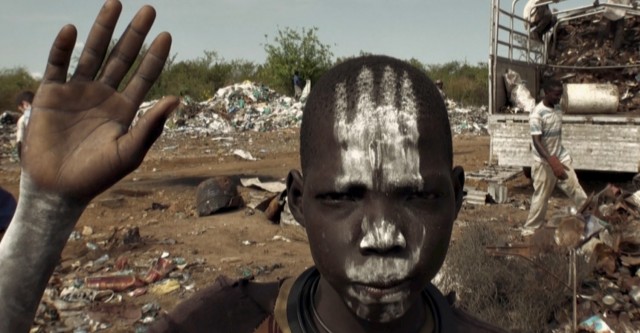
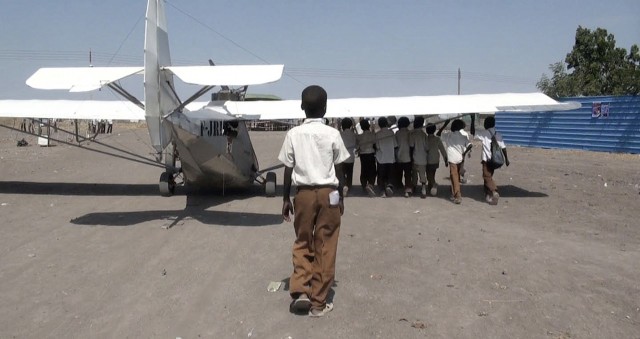
 As Hubert Sauper’s We Come as Friends opens, a naked young African boy is walking down a deserted road, carrying an empty plastic water bottle. He smiles into the camera as he heads toward the blazing hot sun. The scene recalls Jamie Uys’s The Gods Must Be Crazy, a 1980 comedy in which the arrival of an empty Coke bottle, dropped from the sky, has a profound effect on a South African tribe living in solitude in the Kalahari Desert. But We Come as Friends is no fictional farce as a filmmaker, not a Coke bottle, drops from the sky to let Africans reveal how world powers are still employing old methods of colonialism to exploit, and essentially steal, valuable resources from African nations in the twenty-first century. “Did you know that the moon belongs to the white man?” a man asks early on. In the 2014 documentary