Filmmaker Alex Sichel and her onscreen alter ego, actress Lili Taylor, face mortality head-on in A WOMAN LIKE ME
A WOMAN LIKE ME (Alex Sichel & Elizabeth Giamatti, 2015)
Village East Cinemas
181-189 Second Ave. at 12th St.
Opens Friday, October 9
212-529-6799
www.awomanlikemefilm.com
www.villageeastcinema.com
 When filmmaker Alex Sichel was diagnosed with metastatic breast cancer a few years ago, she turned to her stock in trade: making movies. But Sichel, the writer-director of the indie gem All Over Me and an episode of HBO’s If These Walls Could Talk 2 starring Michelle Williams and Chloë Sevigny, decided to share her situation in an unusual way, combining documentary with fiction in the intimate, moving A Woman Like Me. In the film, which she codirected with Elizabeth Giamatti, Sichel shows herself going through chemotherapy, meeting with holistic healers, and dealing with family issues with her husband, Erich Hahn, who is not exactly thrilled with many of his wife’s choices and constantly being on camera himself; their seven-year-old daughter, Anastasia, with whom they have chosen not to share the details of Sichel’s illness; and Sichel’s parents and sisters, who have their own opinions about how she should be facing her cancer, which doctors say is terminal. As the film opens, Sichel’s voice floats over a black screen, talking about the Buddhist meditation on death. “The point is, we’re all going to die, and it sounds so obvious, but that’s the point that I don’t accept,” she says. “Somehow I’m going to be the exception. It’s crazy.”
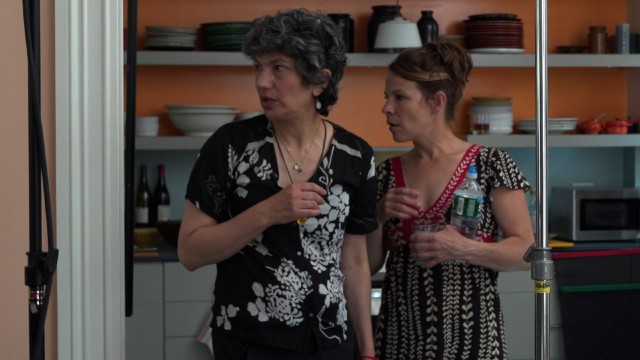
Alongside the documentary part of A Woman Like Me, Sichel is also making a fictionalized account of what she’s going through, with Lili Taylor as Anna Seashell, Jonathan Cake as her husband, Walter, and Maeve McGrath as their young daughter, Zoe. “The only way you even have a chance of living longer with the disease is if you face your fear of death, and the movie is a way of trying to do that,” Sichel says in voiceover as Taylor walks over to a window, puts her hands on the glass, and looks out as, ultimately, Sichel watches the scene unfold on her director’s monitor. It’s a powerful moment, as is a scene in which Sichel and Taylor go over the script together. Sichel is bold and blunt throughout A Woman Like Me, especially when her situation worsens, but she’s able to temper her fears by having her fictional self face death in a much more positive light. Despite its serious subject matter, A Woman Like Me is a celebration of life that avoids mundane sentimentality and self-indulgence, instead intelligently and honestly depicting how one brave woman and her family come to grips with mortality. “How do you make a movie about cancer,” Sichel says into the camera after undergoing a medical test. She and Giamatti have certainly found one unusual, and successful, way. Winner of the SXSW Special Jury Prize for Directing, A Woman Like Me opens October 9 at Village East, with panel discussions taking place after the 7:00 shows on October 9, 10, 11, and 13 and the 4:30 screenings on October 10 and 11.