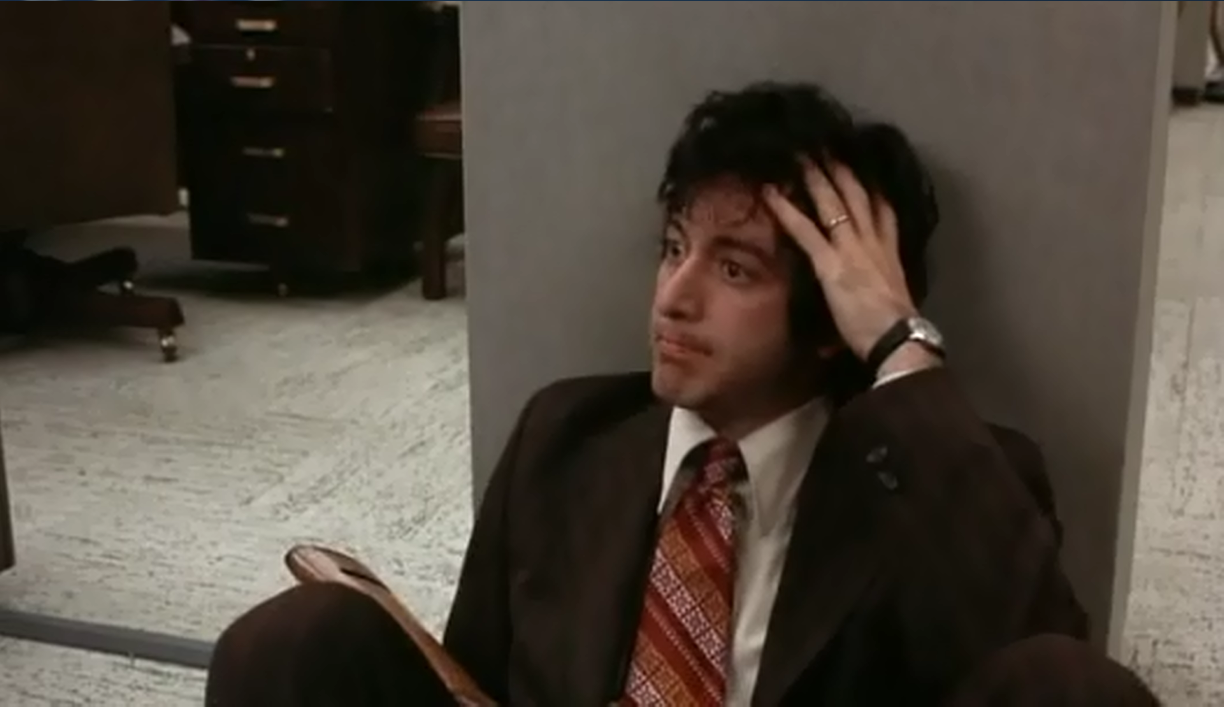
Al Pacino is wondering what amazing line he will utter next in classic film
Quad Cinema
34 West 13th St. between Fifth & Sixth Aves.
March 14-30
212-255-2243
quadcinema.com
“In a sense this is a homecoming for me,” stage and screen legend Al Pacino says of the extensive Quad series “Pacino’s Way,” running March 14-30 and consisting of more than thirty films starring and/or directed by the East Harlem–born, Bronx-raised Oscar, Tony, and Grammy winner. The seventy-seven-year-old Method actor will be at the Quad for the New York City premiere of the double feature Wilde Salomé and Salomé, both directed by the longtime Greenwich Village resident and based on the Oscar Wilde play. Pacino is one of the most quotable actors in the history of cinema, delivering memorable lines, as only he can, in films both great and, well, not so great. “The more naturalistic, photogenic qualities of film complement the language-driven essence of classical theater,” he notes. Below are some of his best movie quotes, followed by when the films they’re from will play at the Quad, but you’re gonna have to figure out which movie is which yourselves.
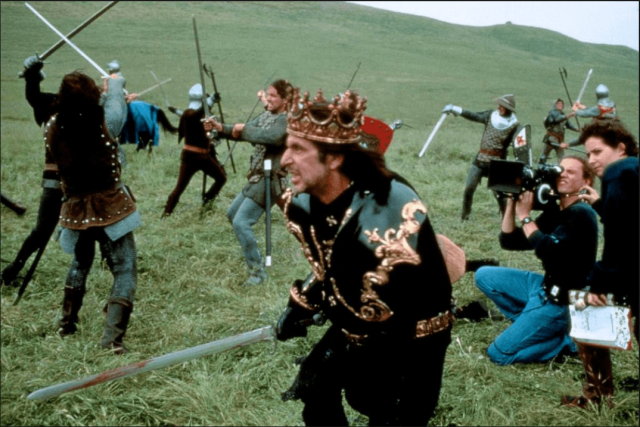
Al Pacino is looking for his next William Shakespeare quote
“I want to kill myself sometimes when I think that I’m the only person in the world and that part of me that feels that way is trapped inside this body, that only bumps into other bodies, without ever connecting to the only other person in the world trapped inside of them. We have to connect. We just have to.”
Wednesday, March 14, 1:45, and Wednesday, March 21, 4:25
“Are you listening to me, son? I’m giving you pearls here.”
Wednesday, March 14, 4:05, and Monday, March 19, 7:40
“You think you’re big time, you gonna fuckin’ die big time. You ready? Here comes the pain.”
Wednesday, March 14, 9:00, and Thursday, March 22, 6:00
“Four seconds is a lifetime!”
Thursday, March 15, 8.45, and Sunday, March 25, 4:10
“You’re out of order. You’re out of order. The whole trial is out of order.”
Friday, March 16, 5:10, and Tuesday, March 20, 6:40
“I’m a germ. You should split.”
Friday, March 16, 3:00, and Saturday, March 24, 3:25
“I always tell the truth. Even when I lie.”
Friday, March 16, 7:30, and Sunday, March 25, 1:00
“Max, you should be more careful where you drop your drawers. Some scorpion will put a lip-lock on your big ass.”
Saturday, March 17, 1:00, and Thursday, March 22, 3:50
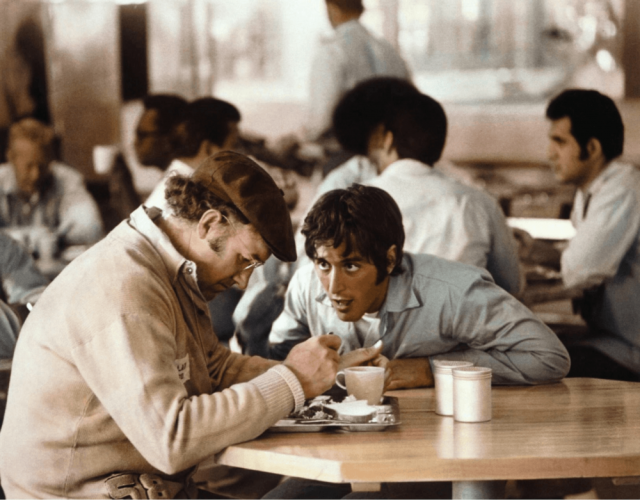
Al Pacino isn’t scared of having plenty to say to Gene Hackman in indie drama
“The reality is, we do not wash our own laundry!”
Saturday, March 17, 5:30, and Wednesday, March 28, 4:00
“It’s not personal. It’s strictly business.”
Saturday, March 17, 8:00, and Monday, March 26, 7:00
“Wait a minute! Wait. I’m having a thought. Oh, yes. Oh, yes. I’m gonna have a thought. It’s coming . . . It’s gone.”
Sunday, March 18, 1:00, and Sunday, March 25, 11:00 am
“I’m Donald Duck.”
Sunday, March 18, 3:05, and Thursday, March 22, 8:45
“There are many things my father taught me here in this room. He taught me: Keep your friends close, but your enemies closer.”
Sunday, March 18, 6:20, and Tuesday, March 27, 7:00
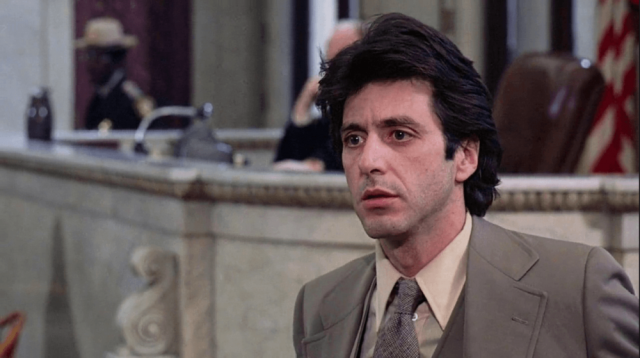
No need to worry; Al Pacino is only temporarily speechless in courtroom fave
“I subscribe to the law of contrary public opinion: If everyone thinks one thing, then I say bet the other way.”
Tuesday, March 20, 2:30, Friday, March 23, 7:00, and Thursday, March 29, 4:30
“Look at me. Underestimated from day one. You’d never think I was master of the universe, now would you?”
Tuesday, March 20, 9:00, and Friday, March 23, 1:45
“What’s she gonna do, shoot me? We’re in a restaurant!”
Wednesday, March 21, 2:05, and Thursday, March 29, 6:30
“Wyoming, that’s not a country.”
Wednesday, March 21, 6:45, and Friday, March 30, 3:30
“A wise guy’s always right; even when he’s wrong, he’s right.”
Friday, March 23, 4:30, Saturday, March 24, 5:40, and Wednesday, March 28, 1:30
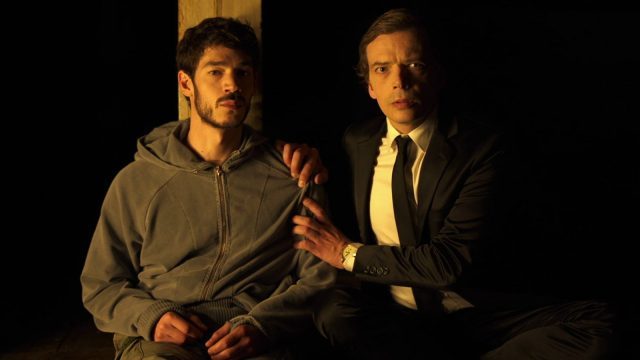
 Six characters are in search of an exit from modern life in Eugène Green’s delightfully surreal and very strange Waiting for the Barbarians, which is screening at the Film Society of Lincoln Center’s “Rendez-Vous with French Cinema” festival on March 13 and 16. American expat Green’s previous two films,

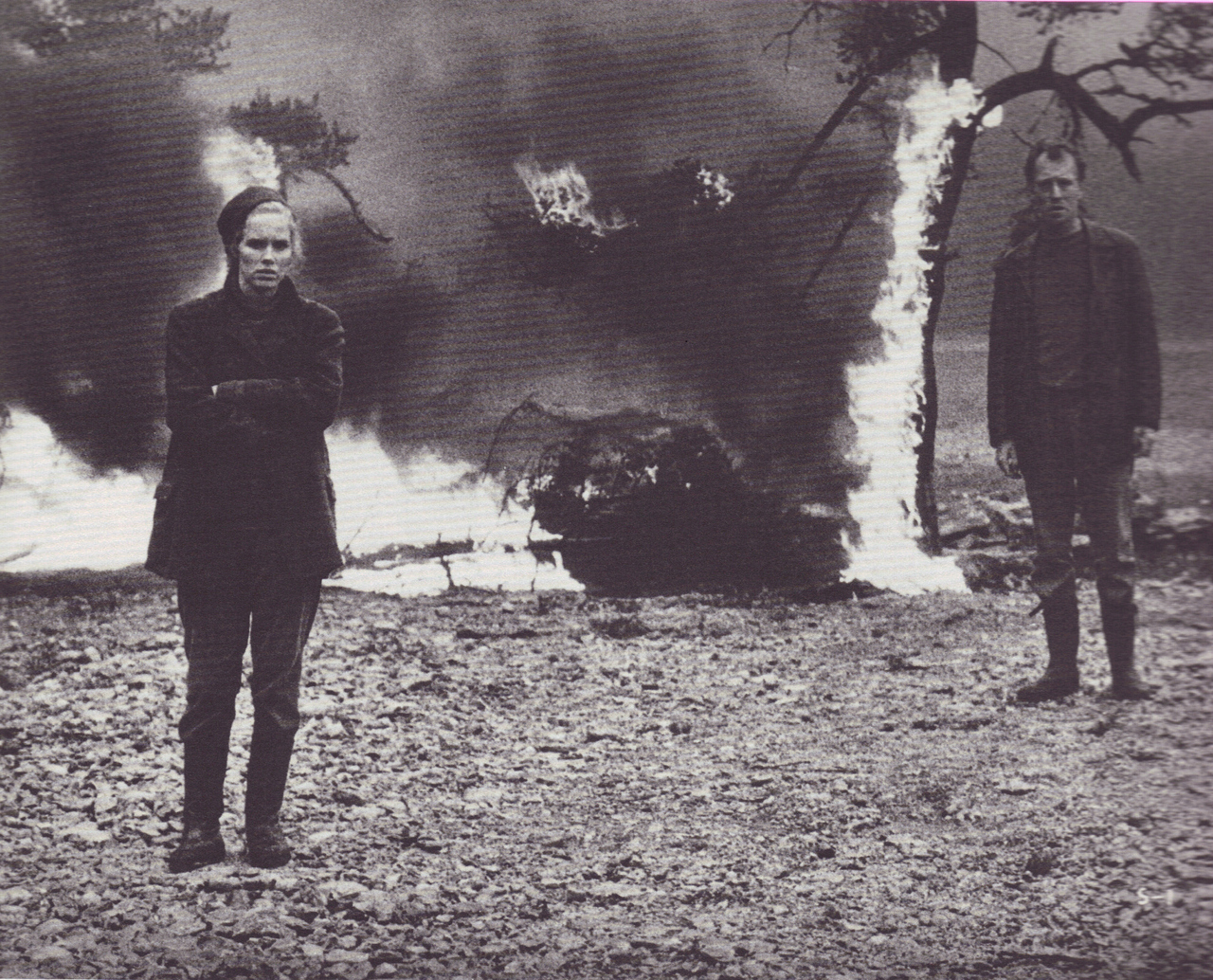
 Longtime Ingmar Bergman muse Liv Ullmann will bet at Film Forum on March 2 for a Q&A following the 6:15 screening of Shame, part of a five-week retrospective celebrating the hundredth anniversary of the Swedish director’s birth. Shame is a brilliant examination of the physical and psychological impact of war, as seen through the eyes of a happily married couple innocently caught in the middle of the brutality. Jan (Max von Sydow) and Eva Rosenberg (Liv Ullmann) have isolated themselves from society, living without a television and with a broken radio, maintaining a modest farm on a relatively desolate island a ferry ride from the mainland. As the film opens, they are a somewhat ordinary husband and wife, brushing their teeth, making coffee, and discussing having a child. But soon they are thrust into a horrific battle between two unnamed sides, fighting for reasons that are never given. As Jan and Eva struggle to survive, they are forced to make decisions that threaten to destroy everything they have built together. Shot in stark black-and-white by master cinematographer Sven Nykvist, Shame is a powerful, emotional antiwar statement that makes its point through intense visual scenes rather than narrative rhetoric. Jan and Eva huddle in corners or nearly get lost in crowds, then are seen traversing a smoky, postapocalyptic landscape riddled with dead bodies. Made during the Vietnam War, Shame is Bergman’s most violent, action-filled film; bullets can be heard over the opening credits, announcing from the very beginning that this is going to be something different from a director best known for searing personal dramas. However, at its core, Shame is just that, a gripping, intense tale of a man and a woman who try to preserve their love in impossible times. Ullmann and von Sydow both give superb, complex performances, creating believable characters who will break your heart. Shame is also being shown February 28, March 1, March 2 at 2:00 and 10:15, and March 3.