Multiple locations
Saturday, April 17
www.recordstoreday.com
It’s time to break out that turntable again, as Record Store Day is back. Today record stores all over the country will be offering great deals on vinyl; among the participating metropolitan area locations are Earwax, Halcyon, Sound Fix, Bleecker Street Records, Fat Beats, Other Music, Bleecker Bobs, Kim’s, J&R, Record Runner, and rebel rebel. More than a hundred artists will be issuing special limited-edition spinning black circles for the occasion, including Bruce Springsteen, Beach House, Elvis Costello, the Beastie Boys, Julian Casablancas, R.E.M., Muse, Ani DiFranco, the Black Keys, Tom Waits, Charlotte Gainsbourg, the Apples in Stereo, Wilco, Deerhoof, the Rolling Stones, Japandroids, Gorillaz, Hole, Gogol Bordello, Jeff Beck, Neko Case, Phoenix, Sonic Youth, the Yeah Yeah Yeahs, the Hold Steady, and LCD Soundsystem. Emerging from the grave to participate in the event are the Doors, John Lennon, the Ramones, the Sex Pistols, Joy Division, Joe Strummer & the Mescaleros, Fela Kuti, and Elvis Presley. In addition, several acts are creating split singles, with Peter Gabriel teaming up with Bon Iver (covering each other), Let’s Wrestle with Love Language, Menomena with Helio Sequence, Jakob Dylan with Courtyard Hounds, the Budos Band with Sharon Jones & the Dap-Kings, Roky Erickson with Okkervil River, Surfer Blood with Holiday Shores, and Gabriel again with Stephen Merritt. And the Flaming Lips are joining Stardeath and White Dwarfs to cover Pink Floyd’s DARK SIDE OF THE MOON. Good luck!

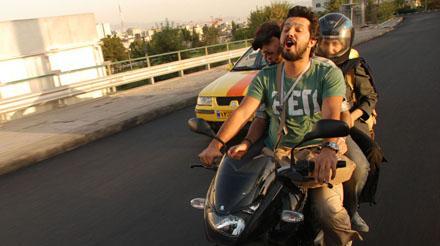
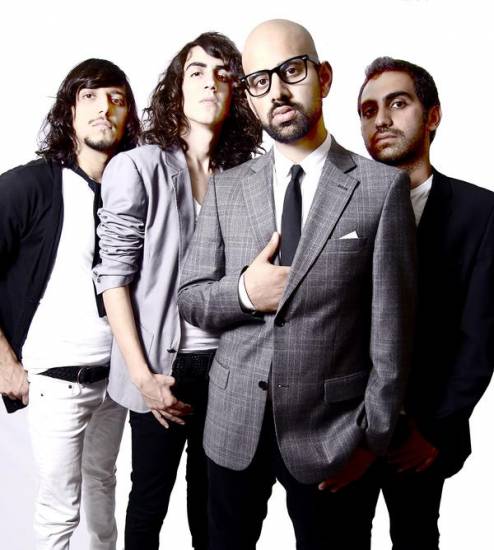
 Iranian writer-director Bahman Ghobadi (A TIME FOR DRUNKEN HORSES) goes underground in NO ONE KNOWS ABOUT PERSIAN CATS, following the plight of Negar (Negar Shaghaghi) and Ashkan (Ashkan Koshanejad) as they attempt to put together an indie band for a gig in London. Inspired by their dedication—and always out to make a buck himself—fast-talking wheeler-dealer Nadar (Hamed Behdad) takes them to get illegal passports, then introduces them to a series of bands who play in secretive underground spaces where the government and the police don’t bother them, even though it is against the law to play Western-style music. Their quest for musicians leads them to such real groups as Take It Easy Hospital and the Yellow Dogs, who regularly risk their freedom and safety by playing to excited young fans desperate to hear live, modern music. Ghobadi throws in just about every genre imaginable, from heavy metal and punk to classic rock and jazz in a stirring musical journey, turning each song into a video depicting everyday life in Tehran. The film does lapse into overheated and unnecessary heavy-handed melodrama in its final scenes, but it’s still a compelling story of the intrinsic power of music and the desperate need to make connections.