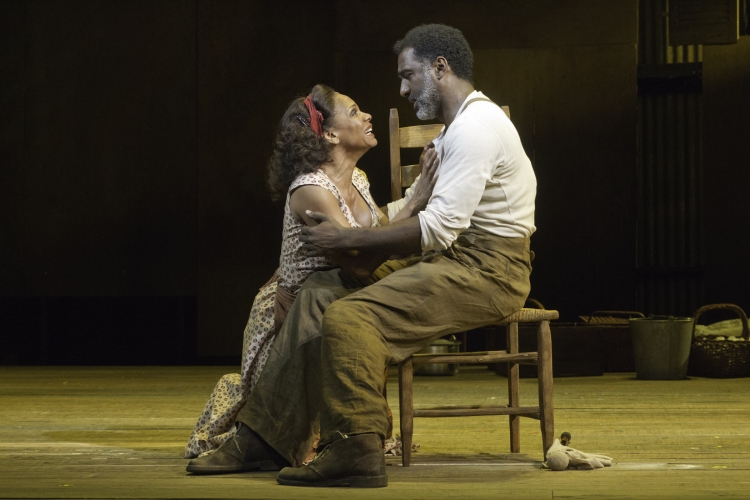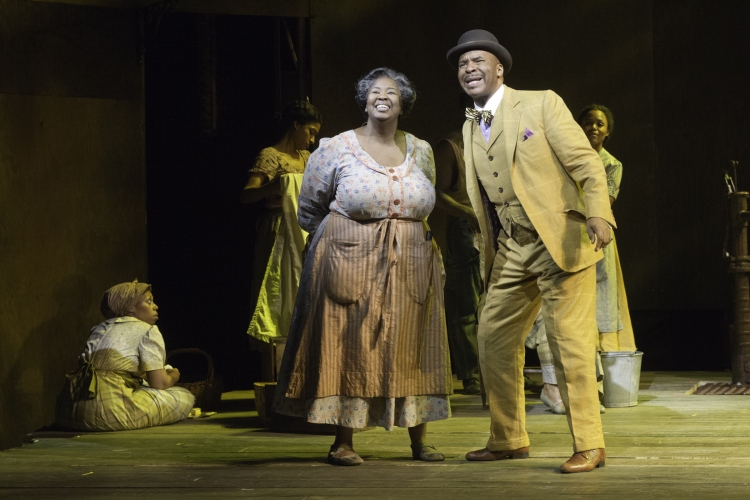
Chris Johnson and Hank Willis Thomas, with Kamal Sinclair and Bayeté Ross Smith, stills from “Question Bridge: Black Males,” multichannel video installation, 2012 (courtesy of the artists and Jack Shainman Gallery, New York)
Brooklyn Museum
200 Eastern Parkway at Washington St.
Saturday, February 4, free, 5:00 – 11:00 (some events require free tickets distributed in advance at the Visitor Center)
212-864-5400
www.brooklynmuseum.org
The Brooklyn Museum turns its attention to Black History Month for its February First Saturdays program, focusing on the exhibition “Question Bridge: Black Males,” in which Hank Willis Thomas, Chris Johnson, Bayeté Ross Smith, and Kamal Sinclair traveled around the country interviewing 150 black men in a dozen locations and editing the results into a multiscreen video installation. On Saturday night there will be an Action Station where visitors can add their own questions on the topic of identity, a discussion with the creative team, pop-up dances by Renegade Performance Group inspired by the exhibit, an interactive workshop led by “Question Bridge” education director Samara Gaev, and a dance party with DJ Stormin’ Norman featuring songs by black men. In addition, there will be live music by Game Rebellion, curator Shantrelle P. Lewis will discuss her Museum of Contemporary African Diaspora Arts exhibit “Dandy Lion: A Re(de)fined Black Masculine Identity,” hands-on art will help attendees create a mixed-media piece based on Kehinda Wiley’s work, museum guides will lead a tour about defying gender stereotypes, Daniel Bernard Roumain will play parts of his “Symphony for the Dance Floor” with Lord Jamar, Carla Peterson will discuss her book Black Gotham: A Family History of African Americans in Nineteenth-Century New York City, and the Brooklyn Circus will host a fashion runway show. And the galleries will be open late, giving visitors plenty of opportunity to check out “HIDE/SEEK: Difference and Desire in American Portraiture,” “Rachel Kneebone: Regarding Rodin,” “Raw/Cooked: Shura Chernozatonskaya,” “Newspaper Fiction: The New York Journalism of Djuna Barnes, 1913–1919,” “Work of Art: Kymia Nawabi,” and “19th-Century Modern.”
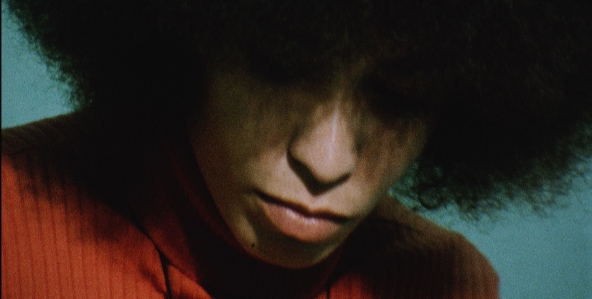
 From 1967 to 1975, a group of more than two dozen Swedish journalists came to America to document the civil rights movement. More than thirty years later, director and cinematographer Göran Hugo Olsson discovered hours and hours of unused 16mm footage — the material was turned into a program shown only once in Sweden and seen nowhere else — and developed it into The Black Power Mixtape 1967-1975, a remarkable visual and aural collage that focuses on the Black Panthers and the Black Power movement, a critical part of American history that has been swept under the rug. Olsson and Hanna Lejonqvist have seamlessly edited together startlingly intimate footage of such seminal figures as Eldridge Cleaver, Bobby Seale, Huey P. Newton, Dr. Martin Luther King, Jr., and Stokely Carmichael, including a wonderfully personal scene in which Carmichael interviews his mother on her couch. But the star of the film is the controversial political activist Angela Davis, who allowed the journalists remarkable access, particularly in a jailhouse interview shot in color. (Most of the footage is in black and white.) Davis also adds contemporary audio commentary, sharing poignant insight about that tumultuous period, along with Abiodun Oyewole of the Last Poets, singer Erykah Badu, professor, poet, and playwright Sonia Sanchez, Roots drummer Ahmir Questlove Thompson (who also composed the film’s score with Om’Mas Keith), and rapper Talib Kweli, who discusses specific scenes in the film with a thoughtful grace and intelligence. The Black Power Mixtape 1967-1975 is an extraordinary look back at a crucial moment in time that has long been misunderstood, if not completely forgotten. The Black Power Mixtape 1967-1975 is screening on February 3 as part of the Bronx Museum of the Arts’ free First Fridays program honoring Black History Month and will be followed by a Q&A with coproducer Joslyn Barnes. There will also be performances by GIF, Latasha N. Nevada Diggs, Mahogany L. Browne, and M.C. K~Swift, and the galleries will remain open until 10:00, giving visitors plenty of time to check out the exhibition “Urban Archives: Emilio Sanchez in the Bronx” and the Acconci Studio long-term installation “Lobby-for-the-Time-Being.”
 Experimental filmmaker Bill Morrison’s production company is called Hypnotic Pictures, and for good reason; the Chicago-born, New York-based auteur makes mesmerizing, visually arresting works using archival found footage and eclectic soundtracks that are a treat for the eyes and ears. In conjunction with the upcoming theatrical release of his 2011 film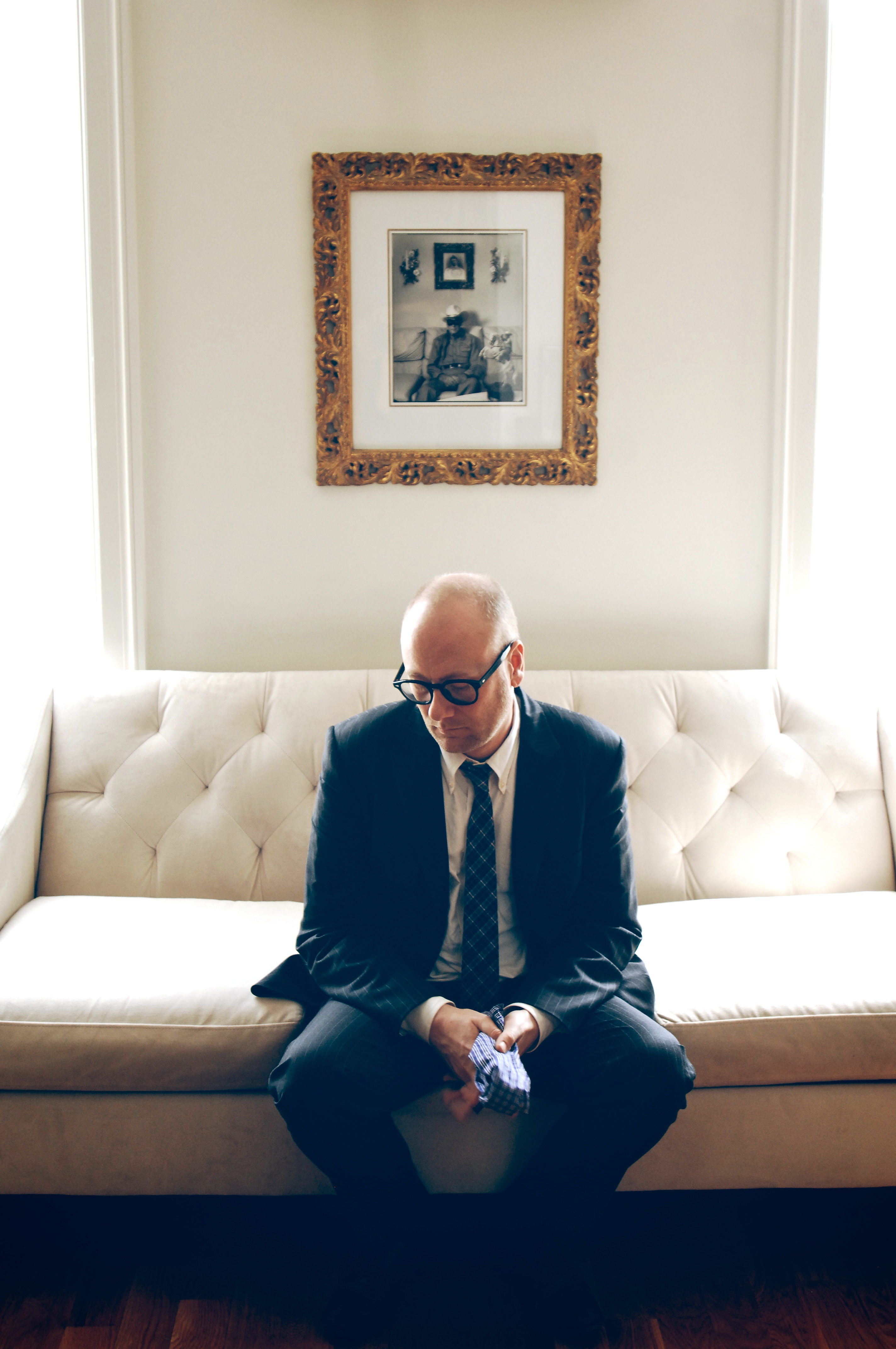
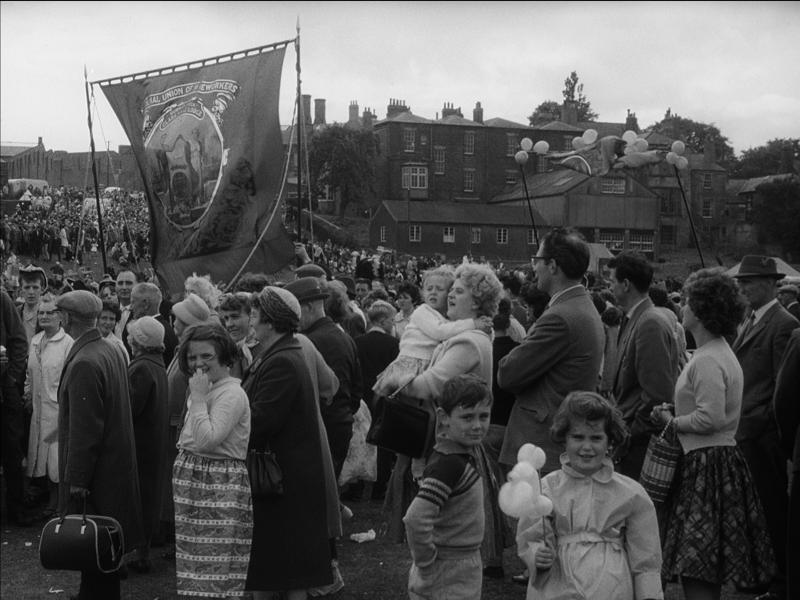
 Avant-garde filmmaker Bill Morrison (Decasia), who uses found footage and often delves into the cinematic process itself in his fascinating work, collaborates with Icelandic musician and composer Jóhann Jóhannsson in the elegiac The Miners’ Hymns, a tribute to the now-gone collieries, or coal mines, of Northeast England. The fifty-two-minute documentary opens with new aerial shots of the locations where the Durham coal mines were, since replaced by luxury housing and megastores. The film shows the birth and death dates of several collieries going back to the nineteenth century, then seamlessly blends into archival black-and-white footage of the miners at work underground, the community coming together for a local fair, and a union rally during a strike that includes a confrontation with the police. There is no text and no narration in The Miners’ Hymn; instead, Morrison’s savvy editing of the found footage, consisting of both moving pictures and still photographs primarily acquired through the British Film Institute and the BBC, brings the old-fashioned town and its old-fashioned ways to vibrant life even though they roll across the screen in slow motion. Jóhannsson’s score punctuates the proceedings with an occasional brassy flare when not sounding more funereal. Despite the lack of text and narration, Morrison’s point of view is clear and all too obvious, paying homage to something that has been lost, and he is never quite able to make an emotional or personal connection with the viewer. However, The Miners’ Hymns contains remarkable footage that still manages to tell an important story, even if it is one-sided and lacking at least a little more historical context. Prior to its theatrical release on February 8 at Film Forum, The Miners’ Hymns is being shown on the big screen in the World Financial Center on January 31 as part of WNYC host John Schaefer’s annual free New Sounds Live Silent Film Series, featuring a live score performed by the Wordless Music Orchestra. The series continues February 1 with Morrison’s latest work, The Great Flood, followed on February 2 with Spark of Being and February 3 with the amazing Decasia, with Michael Gordon’s memorable score performed live by the Oberlin Contemporary Music Ensemble.