NEW YORK DOLL follows a potential reunion of seminal New York City glam band
NEW YORK’S DOCUMENTARY FESTIVAL: NEW YORK DOLL (Greg Whiteley, 2005)
IFC Center
323 Sixth Ave. at West Third St.
Saturday, November 10, $16.50, 11:59 pm
212-924-7771
www.onepotatoproductions.com
www.docnyc.net
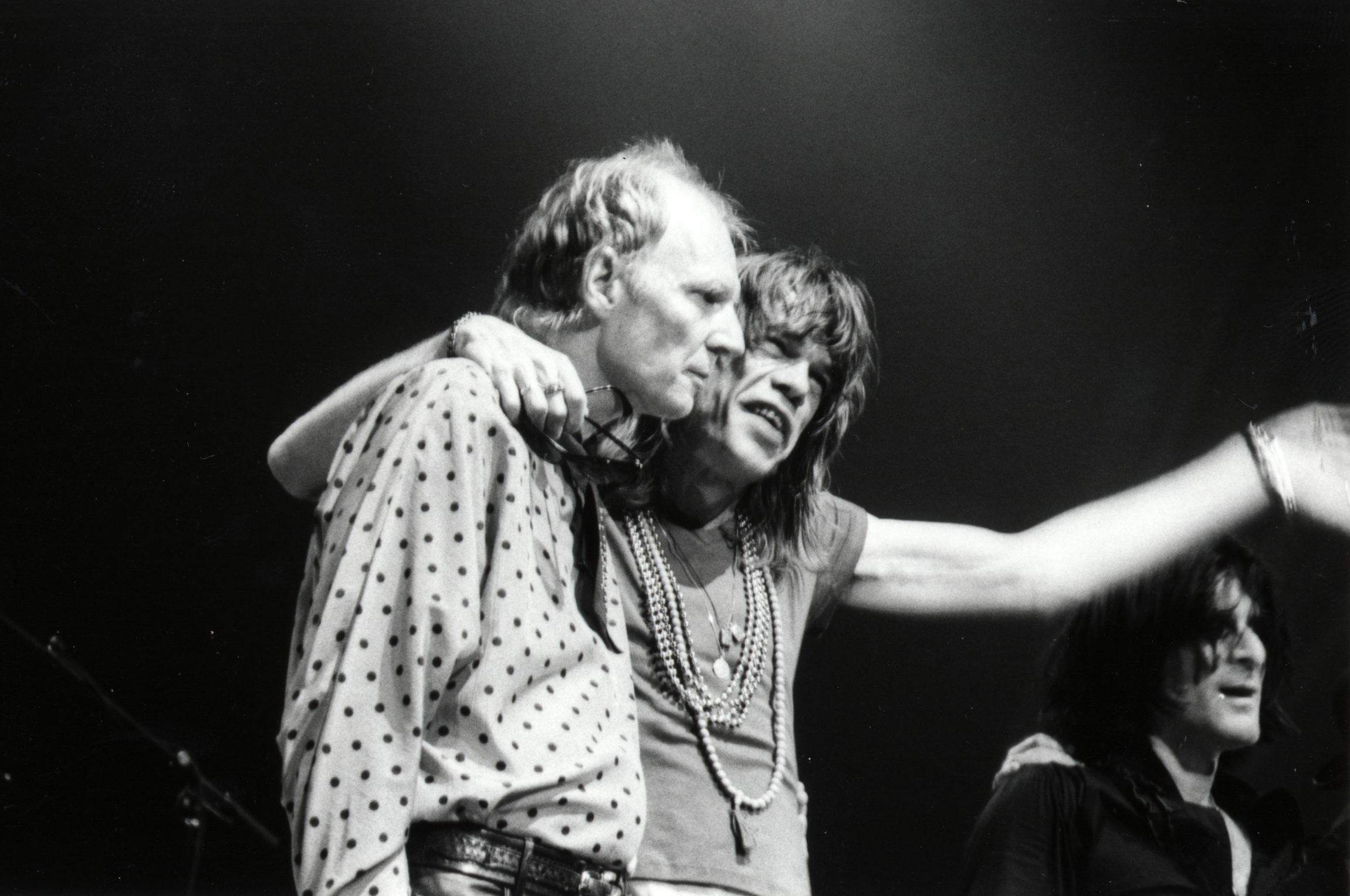
 New York Doll is an unforgettable documentary about Arthur “Killer” Kane, a man who went to the heights of ecstasy as a member of the New York Dolls in the early 1970s, hit the depths of depression in the late 1980s, and rediscovered himself in the 1990s as a Mormon librarian. As bassist for the New York Dolls, Kane, dressed wildly in heavy makeup and women’s clothes, anchored the glam rock idols, which also included David Johansen, Sylvain Sylvain, Johnny Thunders, and Jerry Nolan. The band dissolved after only two studio albums, and while the rest of the band remained in the music business (Thunders and Nolan died in the early ’90s), Kane’s drug- and alcohol-addled life spiraled downward. As Johansen started showing up in mediocre Hollywood movies (Married to the Mob, Scrooged, Car 54, Where Are You?) and his alter ego, Buster Poindexter, could be heard singing “Hot, Hot, Hot” at every bar mitzvah and wedding in town, Kane languished in obscurity until, in 1989, after a ridiculous suicide attempt, he became a Mormon. Fellow Mormon Greg Whiteley follows Kane around with a handheld camera as the former underground rock star goes about his daily life, working in a Mormon Family History Center library in California, taking the bus to work, hanging out with old ladies, paying “rent” on his pawned basses, and living a simple existence — until he gets a call from British pop star Morrissey, who wants the Dolls to reunite for the 2004 Meltdown festival in London. Kane is a soft-spoken, earnest, gentle man who seems a little bit off yet genuine, but this is what he’s been waiting for — although he is also afraid of failure yet again. Whiteley intersperses classic Dolls songs (“Looking for a Kiss,” “Lonely Planet Boy,” “Private World,” “Puss ‘n’ Boots,” “Trash,” and Johnny Thunders’s “You Can’t Put Your Arms Round a Memory”) with talking heads who share their love of the band (including Sir Bob Geldof, Chrissie Hynde, Mick Jones from the Clash, Blondie’s Clem Burke, and especially Morrissey, who is always seen in extreme close-up and is oh-so-serious), although we wish the film included more music, of a higher quality. Yet the remarkable story and ridiculously bizarre ending, which has a This Is Spinal Tap quality to it throughout — except it’s very real — rises above it all to create one of the best rockumentaries we’ve ever seen.
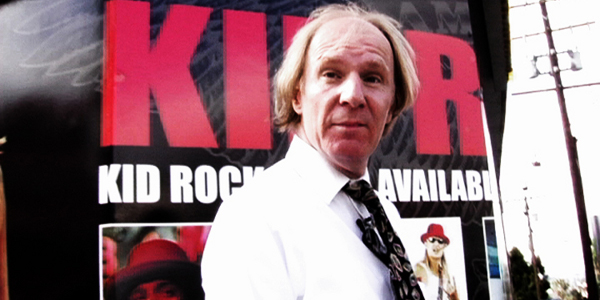
Arthur “Killer” Kane recalls his days as a New York Doll in outstanding documentary
New York Doll is screening November 10 at midnight at the IFC Center as part of DOC NYC, a weeklong celebration of nonfiction film at IFC and the SVA Theatre comprising more than seventy documentaries, along with panel discussions and master classes. Among the other music films are Artifact, about Jared Leto’s band, Thirty Seconds to Mars, and their battle with their record label; Drew DeNicola & Olivia Mori’s Big Star: Nothing Can Hurt Me, with Big Star member Jody Stephens on hand to talk about the highly influential band with the film’s directors and producer as well as record producer John Fry; Beth Toni Kruvant’s David Bromberg Unsung Treasure, with the director and legendary musician on hand; and Andy Grieve and Lauren Lazin’s Can’t Stand Losing You, a look at the life and career of Police drummer Andy Summers, with Summers, Grieve, and producer Norman Golightly participating in a discussion.
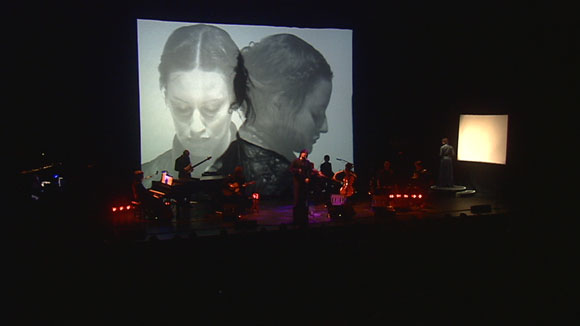
 In 2004, musician and composer Antony Hegarty and film and video pioneer Charles Atlas premiered their multimedia collaboration, Turning, at the Whitney Biennial. The performance featured