Pianos
158 Ludlow St.
Tuesday, January 8 (10:00), 15 (8:00), 29 (8:00), $8
212-505-3733
www.pianosnyc.com
www.writertheband.com
Like Jeff the Brotherhood, in which brothers Jake and Jamin Orrall use drums and guitar to take off on sonic adventures that can go just about anywhere, Writer, consisting of siblings James and Andy Ralph, also has a knack for the anything-goes attitude. The California-born-and-raised duo recently moved to Brooklyn and released their debut album, Brotherface (3 Syllables, October 2012), twenty-eight minutes of outrageous psychedelic garage rock that is beautifully loud and raucous. Drummer James and lead singer and guitarist Andy, who sport the same “Brothers Ralph” tattoo, reference sounds from throughout rock history as they sit down for a “Family Dinner” (“Banging on the door / The cops are here now / The neighbors complained / Someone give them cops some cake”), consider heading south in “Barefoot Art” (“I was thinking about Mexico / and the dirty green lake at Campo / The fish were biting my legs and the sun my face / I just don’t want to go home”), and dive into the sea for “Miss Mermaid” (“Have you seen her underwater / Lungs are filling / Will she save me / Or just watch as I go down”). They slow things down considerably on “North Park Fairies,” which features the disc’s most unusual harmonies. The album concludes with a call for everyone to join them: “Oh yeah / Oh yeah / Oh yeah,” they repeat throughout “Dry Hands,” adding, “If you change your mind / we’ll be hanging out all night / blowing kisses to the planes / sharing bottles of champagne.” Writer, who recently toured with Os Mutantes, will be hanging out this month at Pianos, where they will be playing a three-show Tuesday-night residency beginning January 8 at 10:00 with Census, Cruisin’ USA, and DJ David McDaniel and continuing January 15 at 8:00 with the Spookfish, Shilpa Ray, Man Made Sun, and Cannibal Animal Machine and January 29 at 8:00 with Travis Trevisan, Phantasm, Man Made Sun, and Beats in the Attic.
 The magnificent Quay Brothers survey exhibition at MoMA,
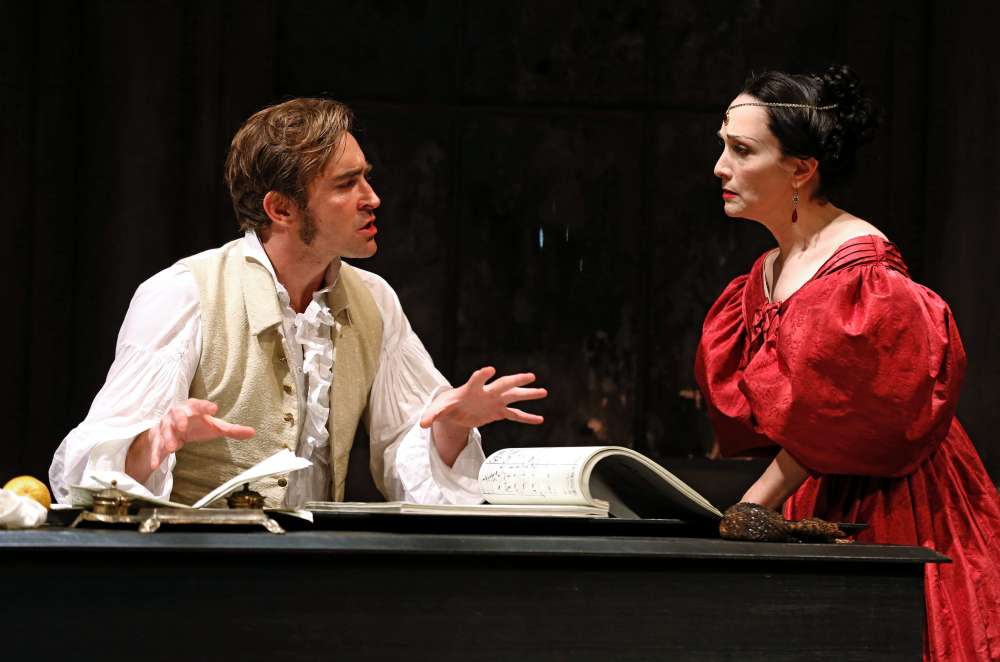
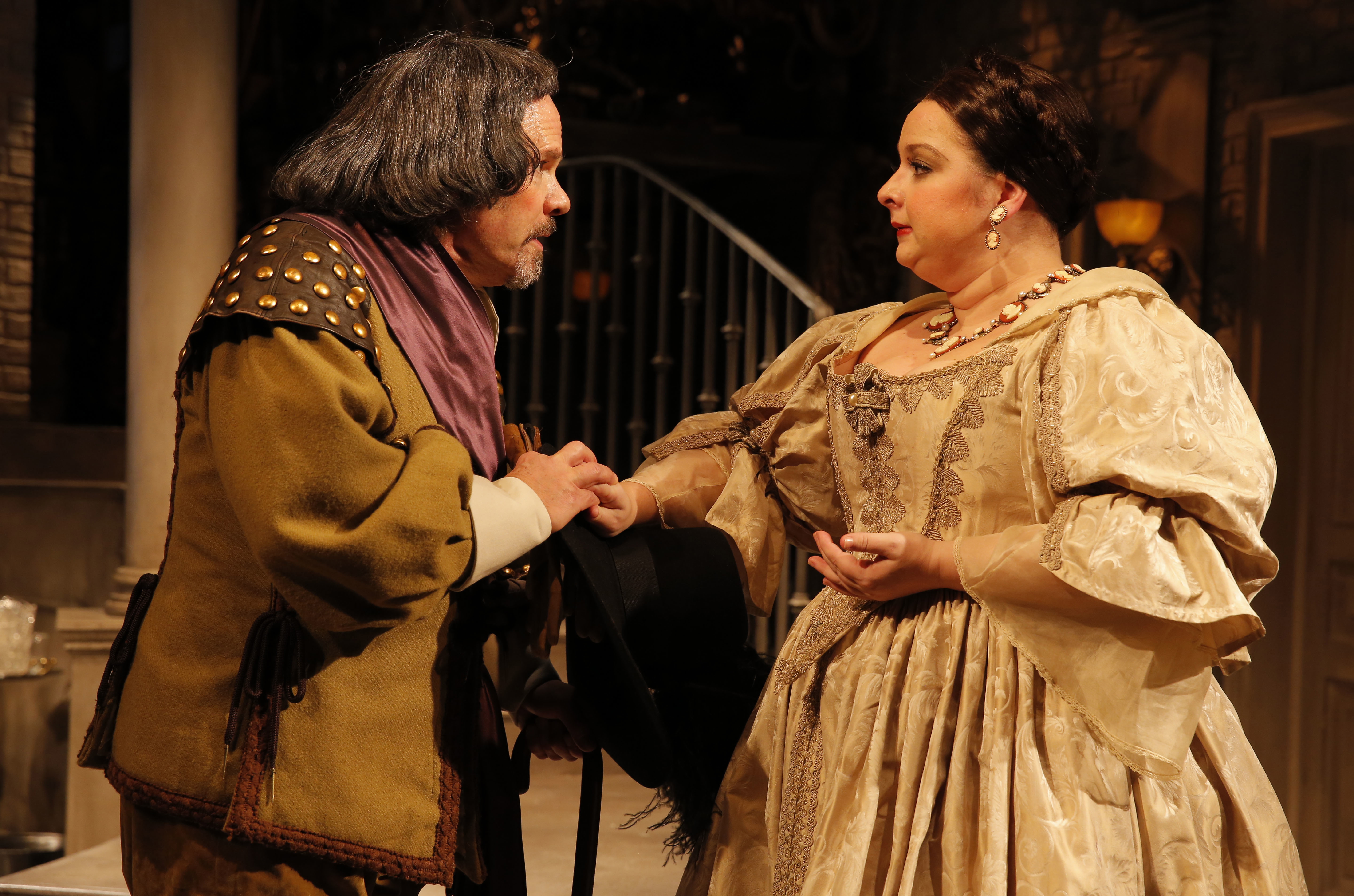
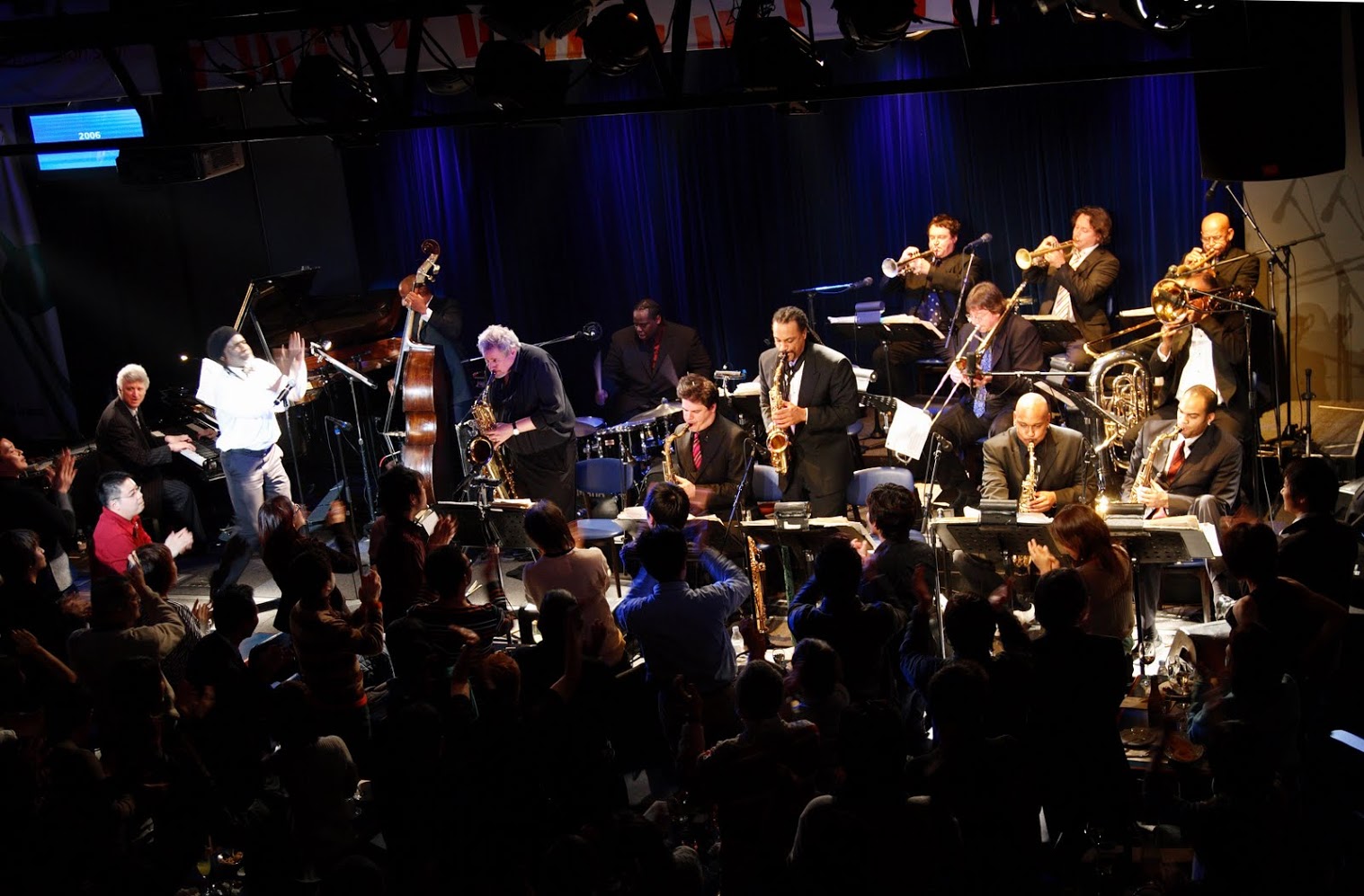
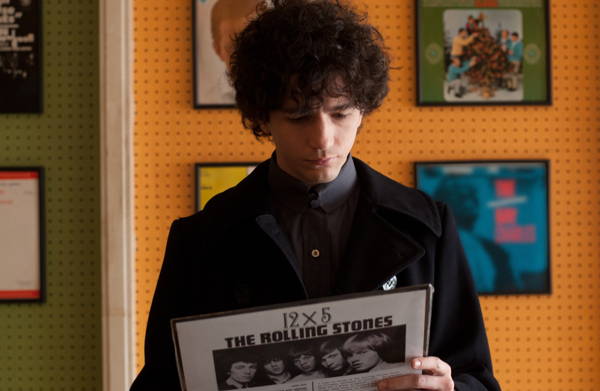
 Inspired by his brief stint as a suburban New Jersey garage-band drummer with rock-and-roll dreams, Sopranos creator David Chase makes his feature-film debt with the musical coming-of-age drama Not Fade Away. Written and directed by Chase, the film focuses on Douglas (John Magaro), a suburban New Jersey high school kid obsessed with music and The Twilight Zone. It’s the early 1960s, and Douglas soon becomes transformed when he first hears the Beatles and the Stones — while also noticing how girls go for musicians, particularly Grace (Bella Heathcote), whom he has an intense crush on but who only seems to date guys in bands. When his friends Eugene (Jack Huston) and Wells (Will Brill) ask him to join their group, Douglas jumps at the chance, but it’s not until he gets the opportunity to sing lead one night that he really begins to think that music — and Grace — could be his life. Not Fade Away has all the trappings of being just another clichéd sex, drugs, and rock-and-roll movie, but Chase and musical supervisor (and executive producer) Steven “Silvio” Van Zandt circumvent genre expectations and limitations by, first and foremost, nailing the music. Van Zandt spent three months teaching the main actors how to sing, play their instruments, and, essentially, be a band, making the film feel real as the unnamed group goes from British Invasion covers to writing their own song. Even Douglas’s fights with his conservative middle-class father (James Gandolfini) and his battle with Eugene over the direction of the band are handled with an intelligence and sensitivity not usually seen in these kinds of films. Not Fade Away does make a few wrong turns along the way, but it always gets right back on track, leading to an open-ended conclusion that celebrates the power, the glory, and, ultimately, the mystery of rock and roll.