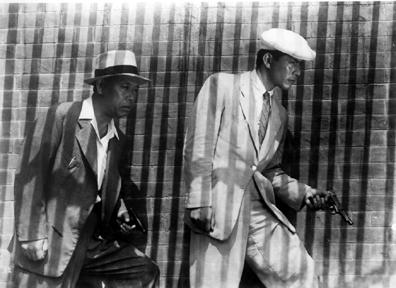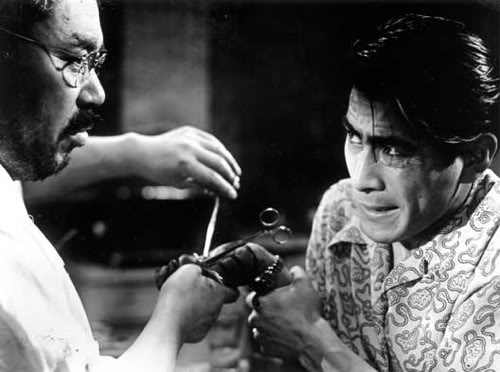
Takashi Shimura and Toshiro Mifune star in Kurosawa noir DRUNKEN ANGEL
DRUNKEN ANGEL (Akira Kurosawa, 1948)
Film Forum
209 West Houston St.
Saturday, January 23, 1:30, 3:30, 5:40, 7:50, 9:50
212-727-8110
www.filmforum.org
 The first film that Kurosawa had total control over, DRUNKEN ANGEL tells the story of a young Yakuza member, Matsunaga (Toshiro Mifune), who shows up late one night at the office of the neighborhood doctor, Sanada (Takashi Shimura), to have a bullet removed from his hand. Sanada, an expert on tuberculosis, immediately diagnoses Matsunaga with the disease, but the gangster is too proud to admit there is anything wrong with him. Sanada sees a lot of himself in the young man, remembering a time when his life was full of choices — he could have been a gangster or a successful big-city doctor. When Okada (Reisaburo Yamamoto) returns from prison, searching for Sanada’s nurse, Miyo (Chieko Nakakita), the film turns into a classic noir, with marvelous touches of German expressionism thrown in. We deducted a quarter star for the terrible incidental music that lapses into melodramatic mush. The screening is part of Film Forum’s Kurosawa Festival, which runs through February 18.
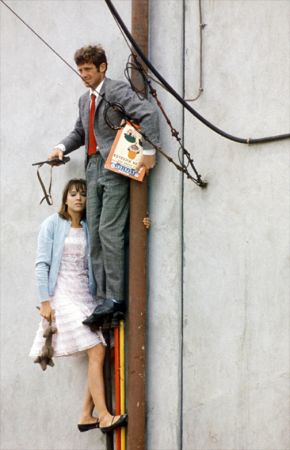
 Art, American consumerism, the Vietnam and Algerian wars, Hollywood, and the cinema itself get skewered in Jean-Luc Godard’s fab feaux gangster flick / road comedy / romance epic / musical PIERROT LE FOU. Based on Lionel White’s novel OBSESSION, the film follows the chaotic exploits of Ferdinand Griffon (Jean-Paul Belmondo) and Marianne Renoir (Anna Karina, Godard’s then-wife), former lovers who meet up again quite by accident. The bored Ferdinand immediately decides to leave his wife and family for the flirtatious, unpredictable Marianne, who insists on calling him Pierrot despite his protestations. Soon Ferdinand is caught in the middle of a freewheeling journey involving gun running, stolen cars, dead bodies, and half-truths, all the while not quite sure how much he can trust Marianne. Filmed in reverse-scene order without much of a script, the mostly improvised PIERROT LE FOU was shot in stunning color by Raoul Coutard. Many of Godard’s recurring themes and style appear in the movie, including jump cuts, confusing dialogue, written protests on walls, and characters speaking directly at the audience, which is more or less along for the same ride as Ferdinand. And as with many Godard films, the ending is a doozy. The screening is part of the IFC Center’s twelve-film series of classic French crime thrillers, which continues on weekend nights at 11:00 through April 4; the upcoming lineup includes Henri-Georges Clouzot’s QUAI DES ORFEVRES and Jules Dassin’s RIFIFI, and that’s just January. Keep watching this space for more select reviews.
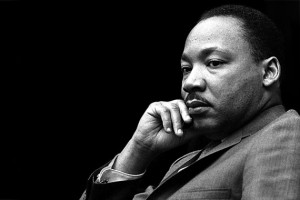
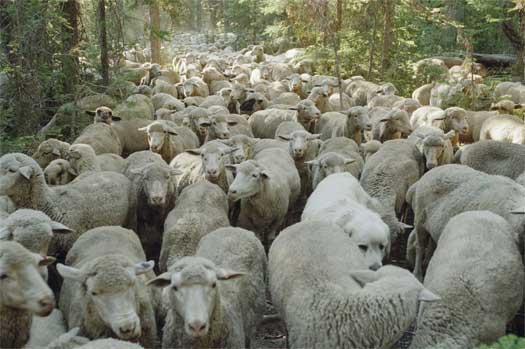
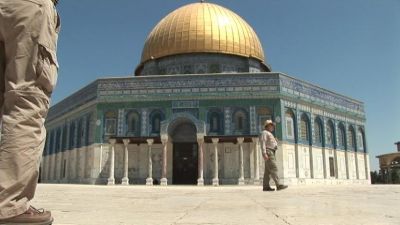
 In WAITING FOR ARMAGEDDON, which made its world premiere as the closing-night selection of last year’s New York Jewish Film Festival, directors Kate Davis, David Heilbroner, and Franco Sacchi talk to Christian Evangelicals about their Zionism — they believe in the defense and protection of Israel not for political or humanistic reasons but because that is where they believe Jesus will return and lead them into the next world. The seventy-four-minute film is divided into four parts — Rapture, Tribulation, Armageddon, and the Millennium — as families such as the New England Baggs and the Edwards clan of Oklahoma and religious and community leaders including Dr. Robert L. Dean Jr. of the West Houston Bible Church, Dr. David Hunt of the Berean Call Ministry, Phillip Goodman of Prophecy Watch Television, and Dr. Thomas Ice of Liberty University detail the importance of Israel and the Jews to the coming Apocalypse. There is also footage of Jerry Falwell and John Hagee, evangelists who have had a significant impact on the political system of the United States, especially during the administration of George W. Bush. The film is at its best when it follows Dr. H. Wayne House, professor of biblical studies and apologetics at Faith Seminary in Washington State, as he leads one of his Christian Study Tours of the Holy Land, reading from his Bible as he takes the group to such sites as the Dome of the Rock and explains its importance in prophecy. Much of the rest of the film lacks proper perspective and balance — while the directors do talk to several experts who do not believe in biblical prophecy and Armageddon, it feels like they were added just to make the documentary seem more balanced. It might have been better had Davis, Heilbroner, and Sacchi simply let the Evangelicals share their stories without any so-called experts and let viewers decide for themselves. Still, WAITING FOR ARMAGEDDON examines a very complicated topic that deserves far more investigation in the media.
 “Life is not easy for everyone,” Olga Bowman says about midway through Andrew Jacobs’s spectacular cinéma vérité documentary, FOUR SEASONS LODGE. “But life can be beautiful even when it’s not so easy.” For twenty-five summers, a group of Holocaust survivors, mostly Polish Jews, would meet at the Four Seasons Lodge in the Catskills, where they would talk, dance, argue, eat, hug, discuss their latest aches and pains, and primarily revel in life despite the horrific things they suffered through and witnessed at such concentration camps as Auschwitz and Bergen-Belsen. Jacobs discovered this heartwarming community while researching a series of articles for the New York Times; when he heard that the lodge was being sold and that the 2006 season might be the group’s last, he decided to make a movie about it. Seeking advice from the legendary Albert Maysles, Jacobs actually landed the master documentarian as his chief cameraman, giving FOUR SEASONS LODGE the feel of such classic Maysles brothers’ works as SALESMAN and GREY GARDENS.