Angela Davis speaks out about the Black Power movement in compelling documentary
THE BLACK POWER MIXTAPE 1967-1975 (Göran Hugo Olsson, 2011)
IFC Center, 323 Sixth Ave. at Third St., 212-924-7771
Lincoln Plaza Cinemas, 1886 Broadway at 63rd St., 212-757-2280
Opens Friday, September 9
www.blackpowermixtape.com
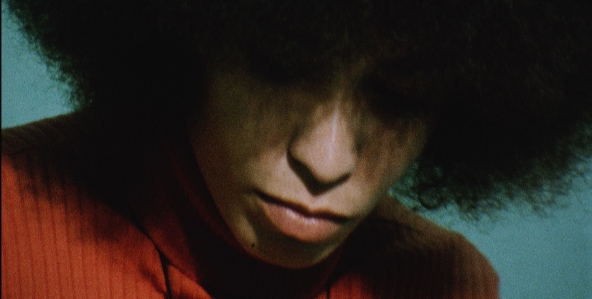
 From 1967 to 1975, a group of more than two dozen Swedish journalists came to America to document the civil rights movement. More than thirty years later, director and cinematographer Göran Hugo Olsson discovered hours and hours of unused 16mm footage — the material was turned into a program shown only once in Sweden and seen nowhere else — and developed it into The Black Power Mixtape 1967-1975, a remarkable visual and aural collage that focuses on the Black Panthers and the Black Power movement, a critical part of American history that has been swept under the rug. Olsson and Hanna Lejonqvist have seamlessly edited together startlingly intimate footage of such seminal figures as Eldridge Cleaver, Bobby Seale, Huey P. Newton, Dr. Martin Luther King, Jr., and Stokely Carmichael, including a wonderfully personal scene in which Carmichael interviews his mother on her couch. But the star of the film is the controversial political activist Angela Davis, who allowed the journalists remarkable access, particularly in a jailhouse interview shot in color. (Most of the footage is in black and white.) Davis also adds contemporary audio commentary, sharing poignant insight about that tumultuous period, along with Abiodun Oyewole of the Last Poets, singer Erykah Badu, professor, poet, and playwright Sonia Sanchez, Roots drummer Ahmir Questlove Thompson (who also composed the film’s score with Om’Mas Keith), and rapper Talib Kweli, who discusses specific scenes in the film with a thoughtful grace and intelligence. The Black Power Mixtape 1967-1975 is an extraordinary look back at a crucial moment in time that has long been misunderstood, if not completely forgotten. The filmmakers will be at the IFC Center for the 8:15 and 10:20 shows on Friday and Saturday night to talk about the work. In conjunction with the film’s opening, Third Streaming at 10 Greene St. is hosting an art exhibition through October 15 featuring film stills and additional footage from The Black Power Mixtape 1967-1975. And for more on the Black Power movement, the Maysles Institute in Harlem will be holding the third annual Black Panther Party Film Festival from September 30 through October 8; this year’s theme is “Remembering Our Political Prisoners,” celebrating the forty-fifth anniversary of the founding of the party.
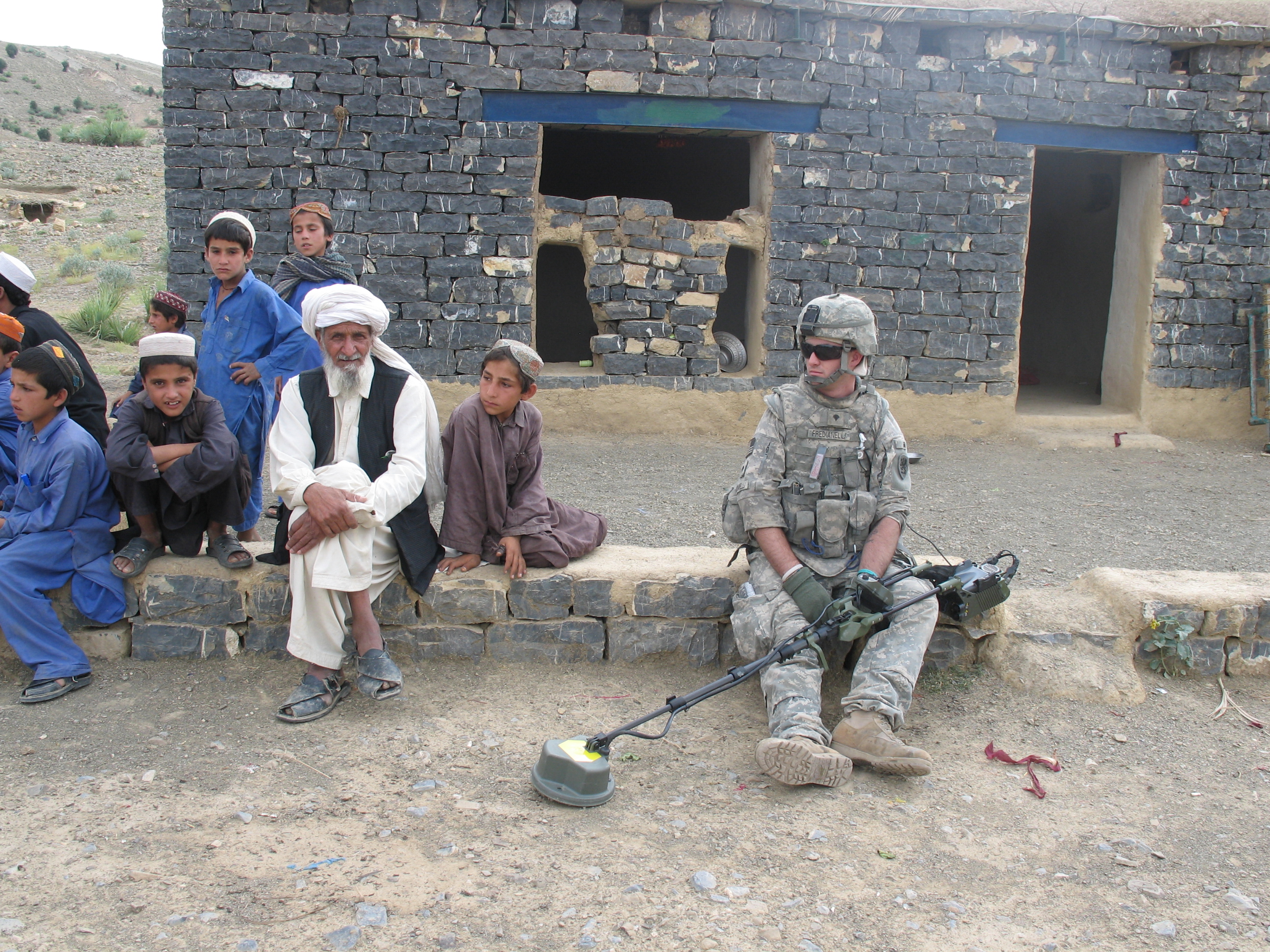
 Returning to her small hometown of Hancock in Northern Michigan, documentarian Heather Courtney (Letters from the Other Side) wanted to make a film about the Upper Peninsula area and its residents, and she came up with quite a story. For several years, Courtney followed a group of young men who had enlisted in the National Guard because they either didn’t have enough money for college or didn’t know what else to do with their lives; she then traveled with them as they got called up and sent to fight the war in Afghanistan. Dominic Fredianelli, Cole Smith, and Matt “Bodi” Beaudoin never fully considered what they were getting into when they signed up; they clearly did not join up merely for patriotic reasons, so it doesn’t take long before they start questioning what America is doing over there. The three men, along with their families back home, allowed Courtney remarkable access, holding nothing back as they share their bittersweet emotions, their politics, their fears, and their overwhelming confusion. The men’s National Guard unit is assigned to an IED sweeper team that goes out in heavily protected vehicles, searching for and detonating hidden improvised explosive devices, but even carefully monitored explosions take their toll on the soldiers, not to mention the surprise bombs that nearly blow them to pieces. Courtney, who served as producer, director, cinematographer, and coeditor, does not add any voice-over narration or accumulate facts and statistics; instead, she lets the story tell itself, avoiding propaganda and grand statements. At first it is hard to have much sympathy for Dom, Cole, and Bodi, who should have thought a lot more about their decision to join the National Guard, but as they and their families get more deeply involved in the war, Where Soldiers Come From grows ever-more poignant and frightening.
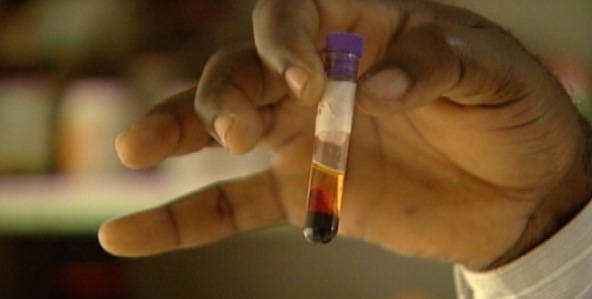
 You don’t have to be black to be moved by Why Us? Left Behind and Dying. But as narrator, cowriter, and production associate Tamira Noble points out early on, the film is meant as a wake-up call to African Americans to do something about the continuing HIV/AIDS crisis specifically affecting blacks in the United States and Africa. “There’s a choice facing us in black America right now,” director Claudia Pryor Malis says in the film’s production notes. “Turn away from this new stigma or face it, unpack it, and remove its sting — passive self-destruction or active self-love.” Pryor Malis teamed with twenty students from Westinghouse High School in Pittsburgh, all between the ages of fourteen and seventeen, to make the film, which served as a class project for them. Over the course of a year and a half, the students met with researchers, activists, doctors, community leaders, virologists, straight and gay people with HIV, and men, women, and teenagers who still do not use protection when having sex. Noble reveals fascinating and frightening statistics about the disproportionate number of HIV-positive blacks in the United States and Africa and discusses the many reasons for the disparity, including shame, secrecy, homophobia, religious belief, genetic variation, and just plain carelessness. Noble, who was a high school senior when the project started, naturally grew into her unexpected role as narrator and cowriter, and she does an outstanding job anchoring the film, serving as a kind of surrogate for the viewer. Why Us? is an important look at a critical situation that must be dealt with — and fast. Why Us? is screening on September 9 at 5:55 at the Maysles Institute as part of the