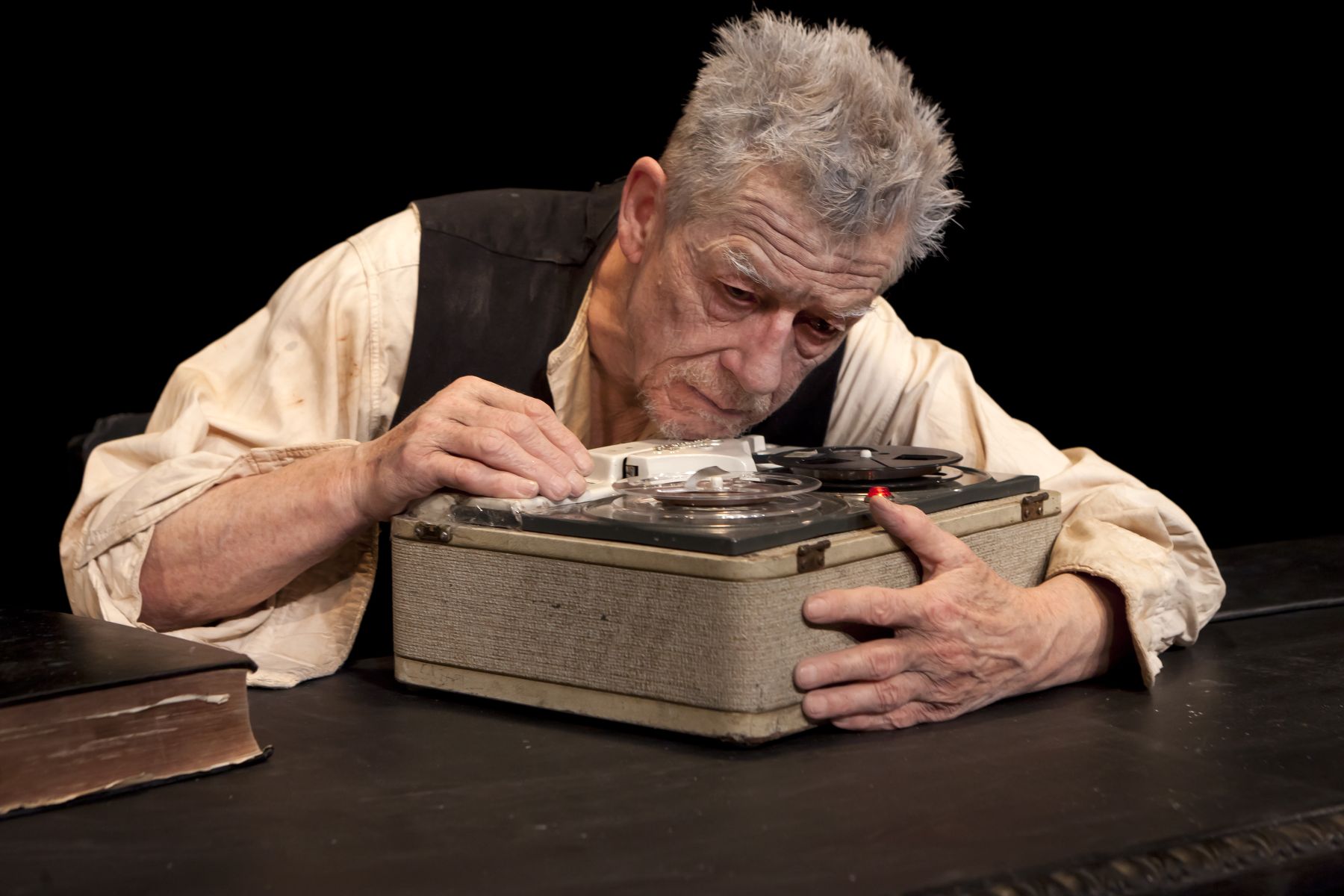
John Hurt listens to his past in KRAPP’S LAST TAPE, running at BAM through December 18 (photo by Richard Termine)
NEXT WAVE FESTIVAL
Brooklyn Academy of Music
BAM Harvey Theater
651 Fulton St. between Ashland & Rockwell Pl.
Through December 18, $25-$90
718-636-4100
www.bam.org
Originally written in 1958 for British actor Patrick Magee, Samuel Beckett’s autobiographical Krapp’s Last Tape is a haunting examination of time, memory, and the futility of language. Performed over the years by the likes of Magee, Harold Pinter, Brian Dennehy, and Michael Gambon, the fifty-five-minute one-act is perhaps most closely identified today with John Hurt, who first appeared in the play at Dublin’s Gate Theatre in 1999, starred in Atom Egoyan’s 2001 film version, and is now giving a bravura command performance at BAM through December 18. Making his New York stage debut, Hurt (Midnight Express, 10 Rillington Place) plays a failed writer named Krapp who, when first seen, is sitting at a table in silence, an old lamp dangling overhead. He says nothing for several minutes and then eventually gets up, walks around in squeaky white shoes, consumes two bananas, slips on a peel he dropped on the floor, and carefully approaches the darkness on either side of him, deciding not to venture out of the lighted area, as if something unknown and dangerous awaits outside his very private, solitary comfort zone. It is a critical moment in the play, establishing the precipice of life and death that Krapp is balancing on while also reminding the audience that this is a staged production. As he does every year on his birthday, Krapp listens to reel-to-reel recordings of messages he left on previous birthdays and makes a new one; in this case, the sixty-nine-year-old shabbily dressed man is looking for the tape he made on his thirty-ninth, which, according to his dusty old ledger, can be found in “box five, spool three.” Krapp takes delight in drawing out the word spool like he is a child. As he listens to his old self discuss the past, present, and future as he saw it thirty years before, he starts and stops the tape, remembering some moments that elicit strong emotions while clearly having no memory of others, the fractured narrative tantalizing and teasing the audience. “Thirty-nine today,” the recorded Krapp says. “Sound as a bell.” But alas, the sixty-nine-year-old Krapp is not sound as a bell, with little but death to look forward to.
Director Michael Colgan and lighting designer James McConnell have placed Krapp in a masterfully minimalist black-and-white world, surrounded by darkness, the only colors the yellow of the bananas and the green in Krapp’s description of a former love’s coat. Hurt, now seventy-one, is a less angry, more fragile and perhaps desperate Krapp than he portrayed in previous versions, cupping his ear tighter as he leans his head to hear the tape, shuffling to the back — through a minefield of his past, the boxes of tapes strewn across the floor — to steal a drink, staring straight ahead, wondering what happened to the ambitious youth he once was. (He even resembles Beckett himself this time around.) Krapp’s Last Tape is an extraordinarily complex work that delves deep into the human psyche, a challenge for both the actor and the audience, a play that will stay with you for a long time, eliciting thoughts of where you’ve been, who you are, and what awaits you in the future. Hurt will participate in a post-show artist talk on December 15; in addition, BAMcinématek will be highlighting four of the British actor’s best films in “John Hurt Quartet,” including The Elephant Man (David Lynch, 1980) on December 12, Scandal (Michael Caton-Jones, 1989) on December 13 (followed by a Q&A with Hurt), Love and Death on Long Island (Richard Kwietniowski, 1997) on December 14, and Nineteen Eighty-Four (Michael Radford, 1984) on December 15.
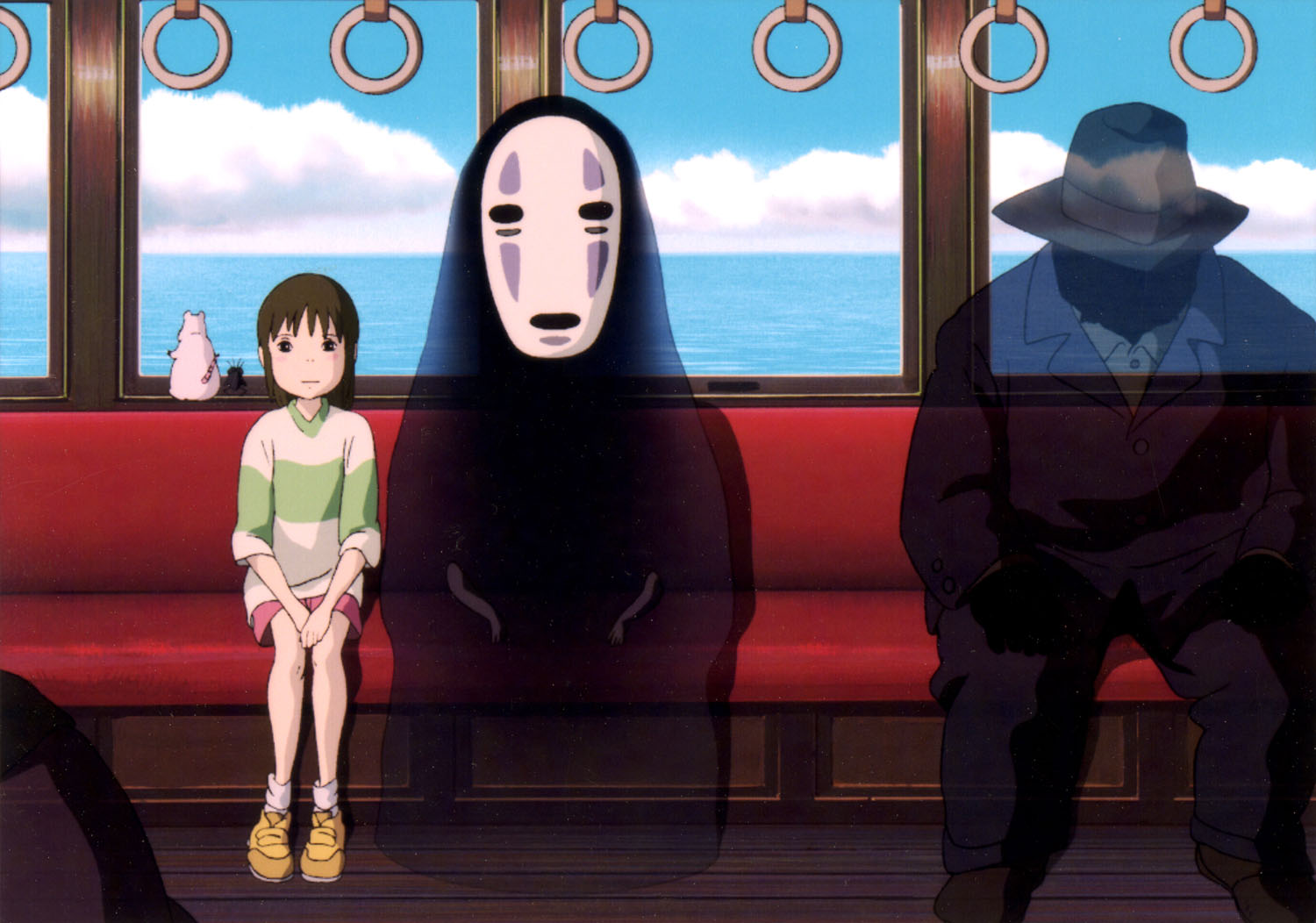
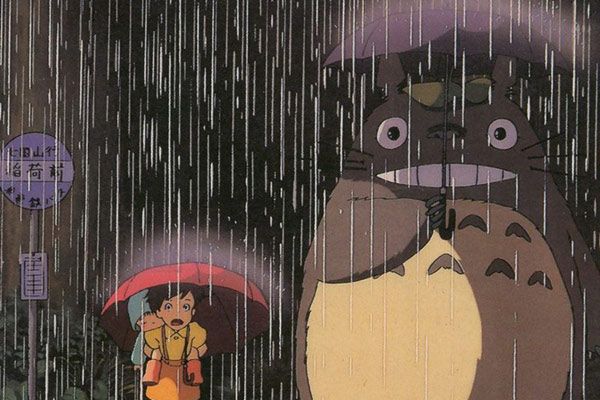
 Prepare to have your spirits lifted up and away in this sensational animated feature from Japanese master Hayao Miyazaki. Ten-year-old Chihiro is unhappy about moving to a new home despite her parents’ best efforts to convince her otherwise. When her father takes a wrong turn on the road, the family ends up in an oddly deserted village that Chihiro soon finds out is a lot more than it seems. Chihiro’s adventures through this dreamlike, surreal, magical place filled with bizarre characters and evil beings are unforgettable, with nuances and references from such diverse works as The Wizard Of Oz and The Seventh Seal. The sheer visual beauty of the animation is staggering; many of the backgrounds are reminiscent of Impressionism. Joe Hisaishi’s maudlin music is way overpraised, as usual, but this Japanese box-office champ deservedly won the Golden Bear at the Berlin International Film Festival and was named Best Asian Film at the Hong Kong Film Awards. As with the best animated films, you don’t have to be a kid to fall in love with Spirited Away, which is screening in a new 35mm print December 17 to January 11 as part of the series “Castles in the Sky: Miyazaki, Takahata & the Masters of Studio Ghibli,” a dual presentation of the IFC Center and GKIDS’ New York International Children’s Film Festival. The dubbed version, featuring the voices of Daveigh Chase (Chihiro), Jason Marsden (Haku), Susan Egan (Lin), Michael Chiklis (Chihiro’s father), Lauren Holly (Chihiro’s mother), Suzanne Pleshette (Yubaba and Zeniba), John Ratzenberger (assistant manager), David Ogden Stiers (Kamaji), and Tara Strong (baby Boh), will be shown at all morning and afternoon screenings; the original Japanese version with English subtitles will be shown 6:00 and later.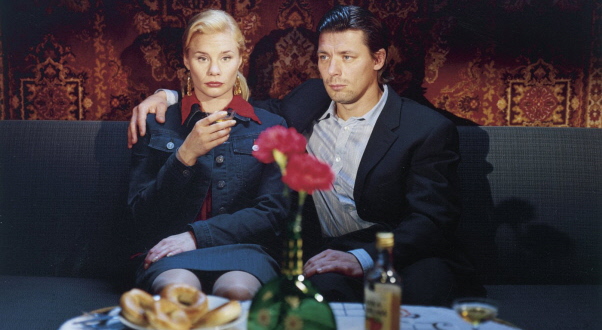
 The final installment in his self-described Loser Trilogy (following Drifting Clouds and