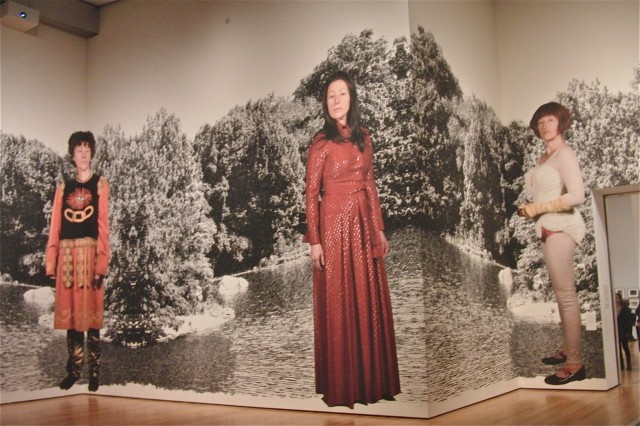
Giant Cindy Shermans watch over entrance to stunning MoMA retrospective (photo by twi-ny/mdr)
Museum of Modern Art
11 West 53rd St. between Fifth & Sixth Aves.
“Cindy Sherman” through June 11, Joan and Preston Robert Tisch Exhibition Gallery, sixth floor
“Sanja Iveković: Sweet Violence” through March 26, Donald B. and Catherine C. Marron Atrium and Special Exhibition Galleries, third floor
Wednesday – Monday, $25 (includes same-day film screenings)
212-708-9400
www.moma.org
MoMA is currently home to two solo shows by women who take very different approaches to explorations of gender, identity, sexual freedom, empowerment, and representation. “Cindy Sherman” is an appropriate title for the revelatory career survey of American artist Cindy Sherman, who has been photographing herself in ever-evolving series for thirty-five years. Sherman’s oeuvre is not a celebration of herself but an examination of how women are depicted and treated in society. Working alone, Sherman, who is most often associated with the Pictures Generation, dresses up in an endless array of costumes and makeup, becoming a sexy chanteuse, an elderly aristocrat, a centerfold model, a fashion icon, a clown, a Renaissance virgin, a tattooed punk rebel, and a murder victim. Each photograph, most of which were taken in her studio, is untitled, allowing viewers to experience it for themselves, bringing their own biases to it without being prodded. Her “Untitled Film Stills” are not based on actual movies, allowing the viewer to create their own story around the carefully choreographed pictures. In such series as “Centerfolds,” “Fashion,” “Fairy Tales and Disasters,” and “History Portraits,” she re-creates herself in ways that make the story about who she portrays, not who she is. “Time and time again, writers have asked, Who is the real Cindy Sherman?” exhibition organizer Eva Respini writes in the show’s catalog. “It is Sherman’s very anonymity that distinguishes her work. Rather than explorations of inner psychology, her pictures are about the projection of personas and stereotypes that are deepseated in our shared cultural imagination.” In representing the fascinating work of one of contemporary art’s most important figures, “Cindy Sherman” is a spectacular success. (On March 26, such artists as George Condo, Kalup Linzy, Elizabeth Peyton, and Collier Schorr will participate in the panel discussion “Cindy Sherman: Circle of Influence,” moderated by Respini. In addition, Sherman has curated the film series “Carte Blanche,” which runs April 2-10 and includes such films as Barbara Kopple’s Harlan County USA, Tobe Hooper’s The Texas Chain Saw Massacre, Bong Joon-ho’s The Host, David Lynch’s Inland Empire, John Cassavetes’s Shadows, John Waters’s Desperate Living, and Sherman’s own Doll Clothes and Office Killer.)

Sanja Iveković’s “Lady Rosa of Luxembourg” rises high in MoMA’s Marron Atrium (photo by twi-ny/mdr)
As “Cindy Sherman” settles in to MoMA, continuing through June 11, “Sanja Iveković: Sweet Violence” prepares to move out, ending March 26. The first museum retrospective of the Croatian multimedia artist and activist born five years before Sherman, the show consists of photography, sculpture, drawing, video, and collage that tackle such issues as politics, female identity, and gender roles in war-torn East Central Europe. Like Sherman, Iveković, who is part of the Nova Umjetnička Praksa (New Art Practice) generation, often puts herself in her work, but she is much more direct and far less subtle. In “Tragedy of a Venus,” Iveković pairs older, existing pictures of herself with shots of Marilyn Monroe, while in “Double Life” she is seen alongside magazine advertisements for beauty products. In the short video “Personal Cuts,” Iveković films herself using scissors to slice off parts of a dark stocking that covers her face, intercut with historical footage of the post-Tito history of the former Yugoslavia. And in “Practice Makes a Master,” Iveković wears a white sheet over her head as the continually falls to the ground as if having been executed, while Monroe sings a song from Bus Stop. Other series include “Paper Women,” in which Iveković rips, scratches, and tears actual magazine ads with female models; “Sweet Violence,” in which she places bars on a television monitor showing a Zagreb economic propaganda program; and “Women’s House (Sunglasses),” large-scale prints of fashion models on which details of beaten and abused women are superimposed. The show’s centerpiece is “Lady Rosa of Luxembourg,” Iveković’s public art project that involved the re-creation of a war monument in which she made the statue of Nike into a pregnant woman and replaced the names of the fallen soldiers with such words as “Kitsch,” “Madonna,” “Virgin,” “Resistance,” “Justice,” and “Whore.” Seen together, “Cindy Sherman” and “Sanja Iveković: Sweet Violence” offer two very different perspectives on very similar themes, from two women artists from two very different cultures.
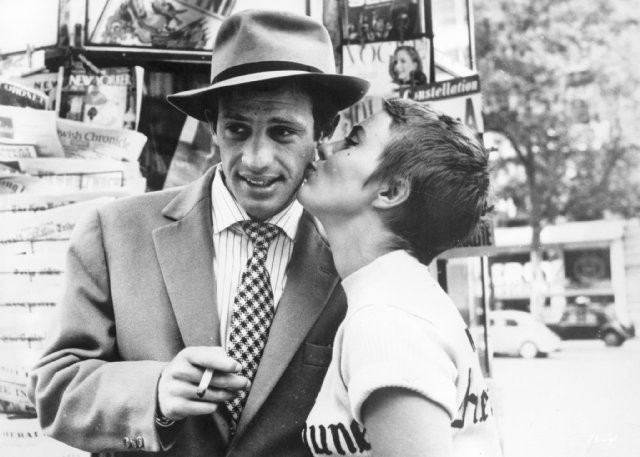
 The fiftieth-anniversary restoration of Jean-Luc Godard’s Nouvelle Vague classic, Breathless, which came out in 2010, will leave audiences, well, breathless. Godard’s first feature-length film, buoyed by an original treatment by François Truffaut and with Claude Chabrol serving as technical adviser, is as much about the cinema itself as it is about would-be small-time gangster Michel Poiccard (an iconic Jean-Paul Belmondo), an ultra-cool dude wandering from girl to girl in Paris, looking for extra helpings of sex and money and having trouble getting either. Along the way he steals a car and shoots a cop as if shooing away a fly before teaming up with Patricia Franchini (Jean Seberg) and heading out on the run. Godard references William Faulkner and Dashiell Hammett, Humphrey Bogart and Sam Fuller as Michel and Patricia make faces at each other, discuss death, and are chased by the police. Anarchy prevails, both in Belmondo’s character and the film as a whole, which can go off in any direction at any time. Godard himself shows up as the man who identifies Michel, and there are also cameos by New Wave directors Jean-Pierre Melville and Jacques Rivette. The beautiful restoration, supervised by the film’s director of photography, Raoul Coutard, also includes a new translation and subtitles that breathe new life into one of cinema’s greatest treasures. Breathless is screening March 22 at 1:15 as part of the Film Society of Lincoln Center’s “15 for 15: Celebrating Rialto Pictures” series, consisting of fifteen films reissued and restored over the last fifteen years by the art-house distributor founded by Film Forum programmer extraordinaire Bruce Goldstein. The series includes such other seminal works as Melville’s Army of Shadows and Léon Morin, Priest, Robert Hamer’s It Always Rains on Sunday, Federico Fellini’s Nights of Cabiria, Claude Berri’s The Two of Us, and Mel Brooks’s The Producers.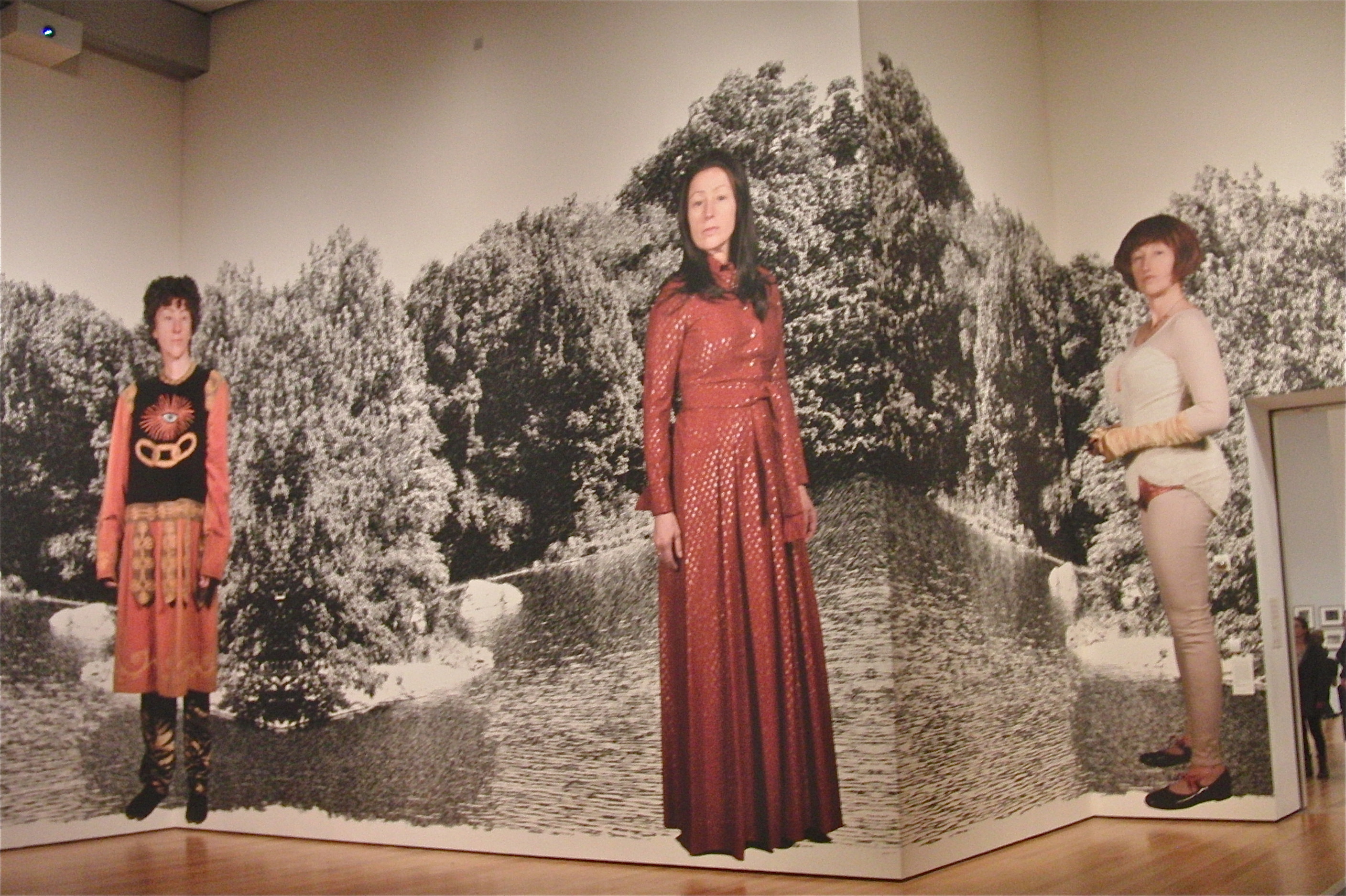

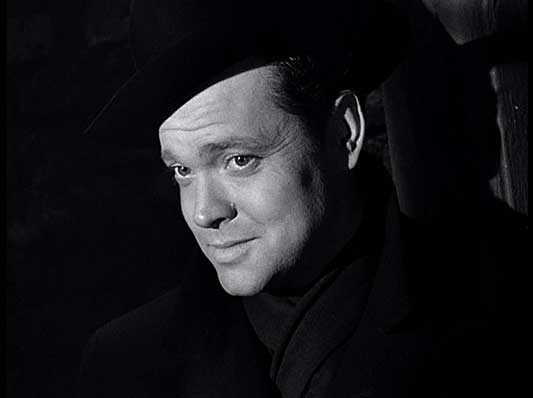
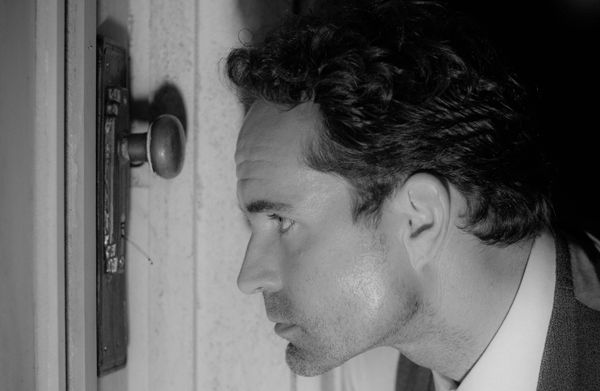
 Inspired by Homer’s Odyssey, Gaston Bachelard’s The Poetics of Space, and the Bowery Boys’ Spooks Run Wild, Canadian experimental filmmaker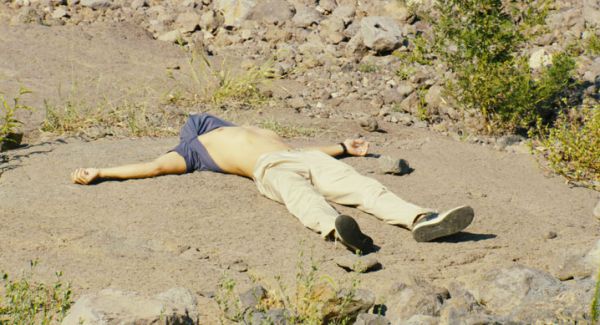
 South Korean auteur Hong Sang-soo’s most recent film about a South Korean auteur, Like You Know It All, is another intriguing examination of art and sex in contemporary society, following Night and Day (2008), Woman on the Beach (2006), Tale of Cinema (2005), and Woman Is the Future of Man (2004). Hong, who has served as a juror at several film festivals and whose work has screened at fests all over the world, sets his latest self-reflexive story at the real Jecheon International Music and Film Festival, where director Ku will be part of the jury. But it turns out that Ku is a self-absorbed, insensitive, and subtly obnoxious filmmaker who cares only about himself, walking away from fans and colleagues in the middle of a conversation or in the midst of signing an autograph, interested only in listening to people praise his own talent, which has been relegated to art-house films that few people see and even fewer understand. After leaving the festival to teach a class at a school on Jeju Island, he visits with a famous painter and former mentor who has unknowingly married Ku’s first love, setting the stage for the creepy Ku to perform yet more selfish acts. Kim Tae-woo is outstanding in the lead role, playing the self-obsessed director with an unerring casualness that makes him more absurdly ridiculous than conniving and mean-spirited. With a little bit of Federico Fellini’s 8 1/2 here and a touch of Woody Allen’s Stardust Memories there, Hong once again reveals the soft underbelly of ego within the film industry, but he also needs to edit himself more, as the bittersweet, slyly ironic Like You Know It All, made for a mere $100,000, is yet another of his films to clock in at more than two hours (though it feels longer). Like You Know It All is screening as Woman on the Beach is screening March 18 as part of the Museum of the Moving Image’s retrospective of Hong’s work, which also includes Night and Day, Woman on the Beach, Oki’s Movie, and The Day a Pig Fell into the Well.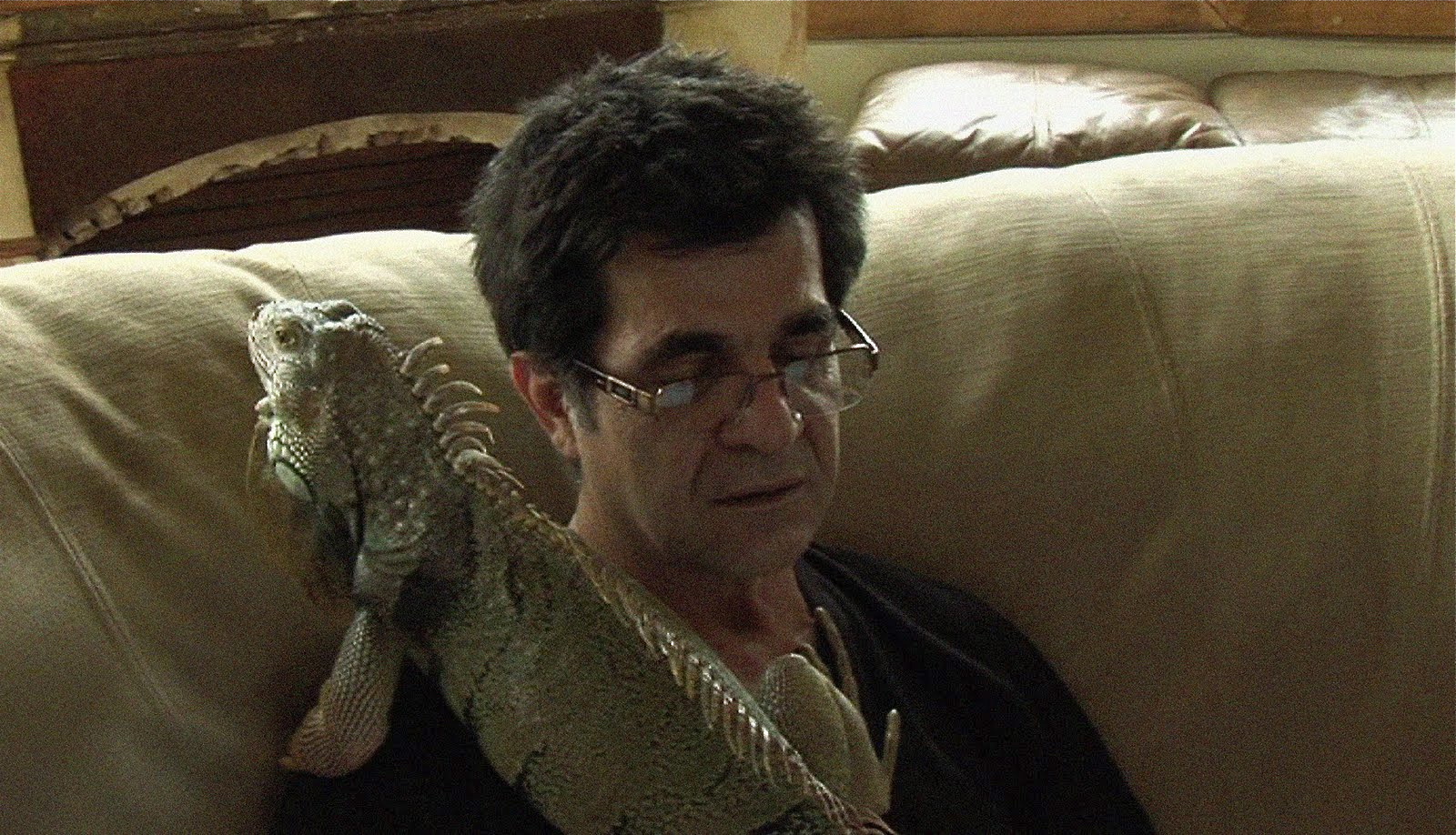
 “You call this a film?” Jafar Panahi asks rhetorically about halfway through the revealing documentary This Is Not a Film. After several arrests beginning in July 2009 for supporting the opposition party, the highly influential and respected Iranian filmmaker (Crimson Gold, Offside) was convicted in December 2010 for “assembly and colluding with the intention to commit crimes against the country’s national security and propaganda against the Islamic Republic.” Although facing a six-year prison sentence and twenty-year ban on making or writing any kind of movie, Panahi is a born storyteller, so he can’t stop himself, no matter the risks. Under house arrest, Panahi has his friend, fellow director Mojtaba Mirtahmasb (Lady of the Roses), film him with a handheld DV camera over ten days as Panahi plans out his next movie, speaks with his lawyer, lets his pet iguana climb over him, and is asked to watch a neighbor’s dog, taking viewers “behind the scenes of Iranian filmmakers not making films.” Panahi even pulls out his iPhone to take additional video, photographing New Year’s fireworks that sound suspiciously like a military attack. Panahi is calm throughout, never panicking (although he clearly does not want to take care of the barking dog) and not complaining about his situation, which becomes especially poignant as he watches news reports on the earthquake and tsunami disaster in Japan. “But you can’t make a film now anyhow, can you?” Mirtahmasb — who will later be arrested and imprisoned as well — asks at one point. “So what I can’t make a film?” Panahi responds. “That means I ask you to take a film of me? Do you think it will turn into some major work of art?” This Is Not a Film, which was smuggled out of Iran in a USB drive hidden in a birthday cake so it could be shown at Cannes, is indeed a major work of art, an important document of government repression of free speech as well as a fascinating examination of one man’s intense dedication to his art and the creative process. (After playing for two weeks at Film Forum, This Is Not a Film has moved to Cinema Village, where it opens March 16.)