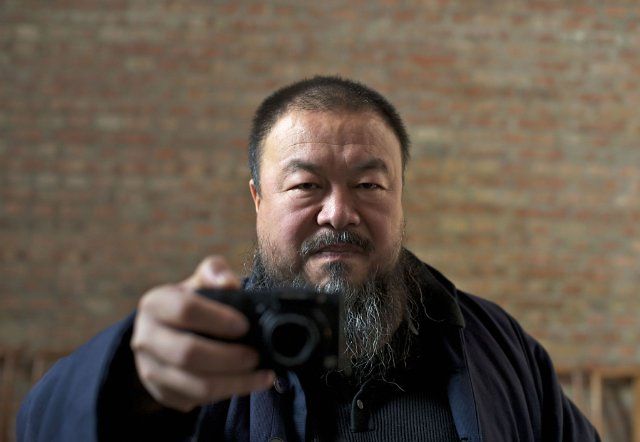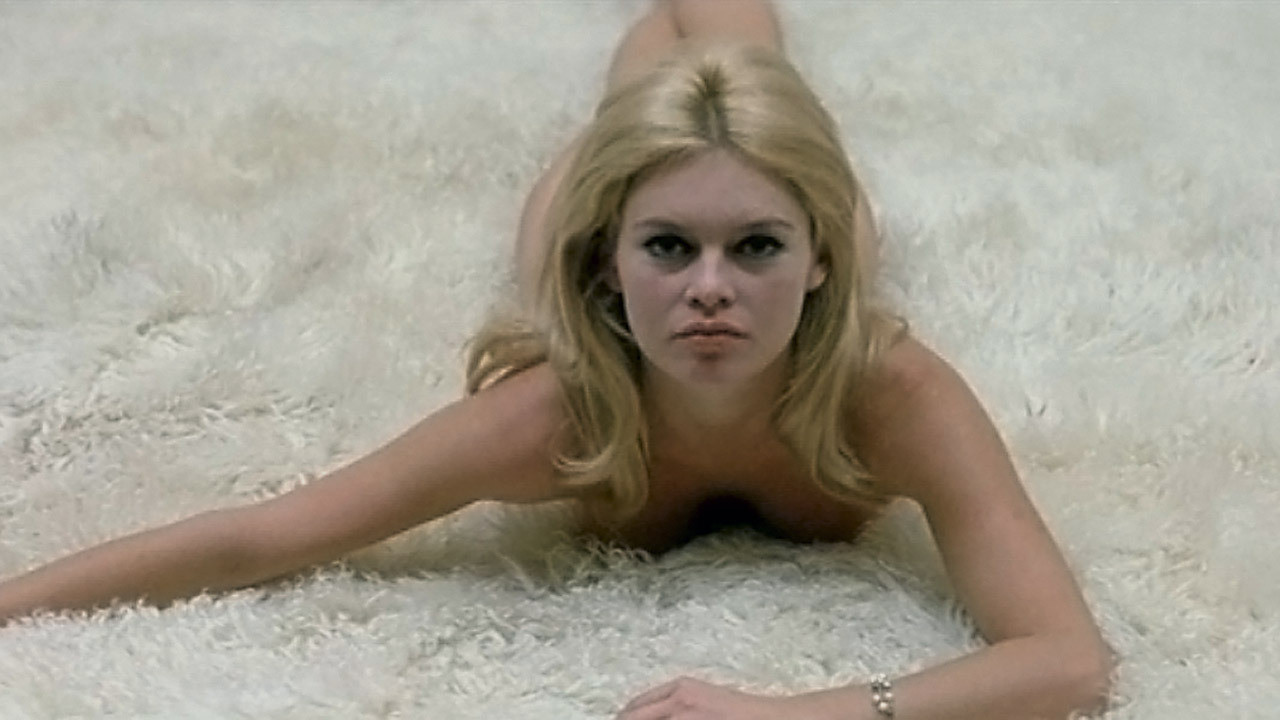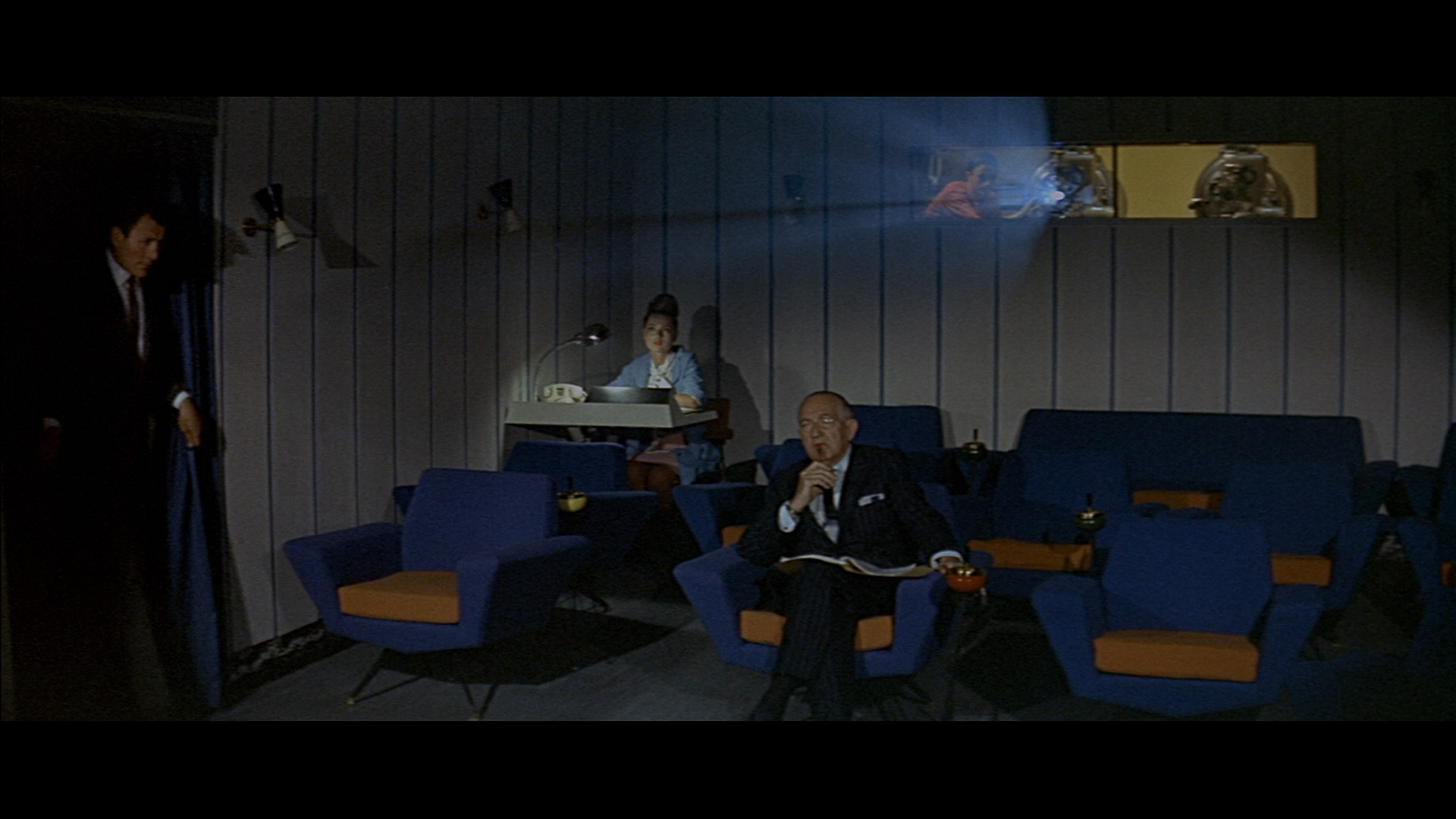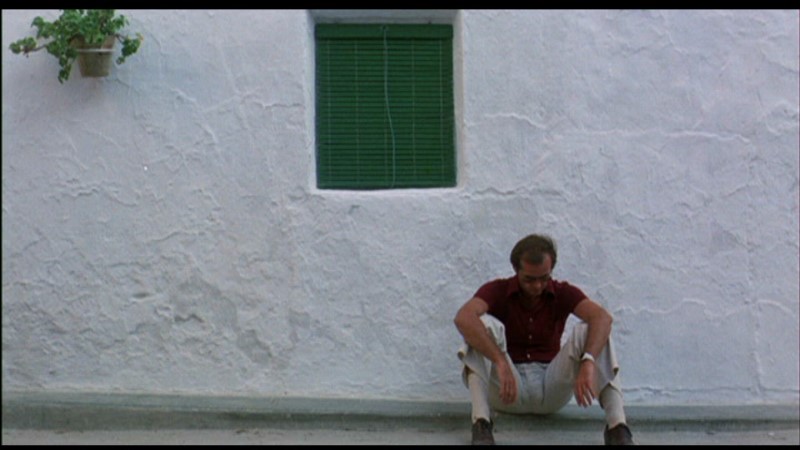
Locke (Jack Nicholson) reevaluates his life in Michelangelo Antonioni’s existential suspense thriller THE PASSENGER
THE PASSENGER (Michelangelo Antonioni, 1975)
IFC Center
323 Sixth Ave. at West Third St.
Saturday, December 15, 9:30, and Tuesday, December 18, 9:00
Series runs December 14-20
212-924-7771
www.ifccenter.com
 Nominated for the Palme d’Or in Cannes in 1975, Michelangelo Antonioni’s existential suspense thriller is a fascinating character study of a lost, lonely man. Jack Nicholson stars as Locke, a successful, well-respected journalist who is researching a story on the guerrilla movement in Chad. Life isn’t as fun and exciting as it used to be for him, as witnessed by his utter helplessness after his car gets stuck in the sand. Upon returning to his hotel room, he discovers that his neighbor, Robertson (Chuck Mulvehill), is dead — and he decides to switch places with him, to stop being Locke and instead live a completely different existence. Even when he finds out that Robertson was involved in international espionage and gun running, Locke continues the deception, traveling dangerously through England, Germany, and Spain with a free-spirited young architecture student (Maria Schneider) while his wife (Jenny Runacre) and business associate (Ian Hendry) — and the police — try to find him. The Passenger is marvelously slow-paced, never in a hurry to make no point about just what the point of it all is. Nicholson glides through the film with an unease that is as unnerving as it is intoxicating as he struggles to find his way in life, a cinematic representative of something that is within us all. The Passengeris screening December 15 and 18 as part of the IFC Center series “Road Movies: Directed and Selected by Walter Salles,” in conjunction with the December 21 theatrical release of Salles’s adaptation of Jack Kerouac’s On the Road. The series also includes such films as Salles’s Central Station and The Motorcycle Diaries, Edgar G. Ulmer’s Detour, and John Ford’s The Searchers.
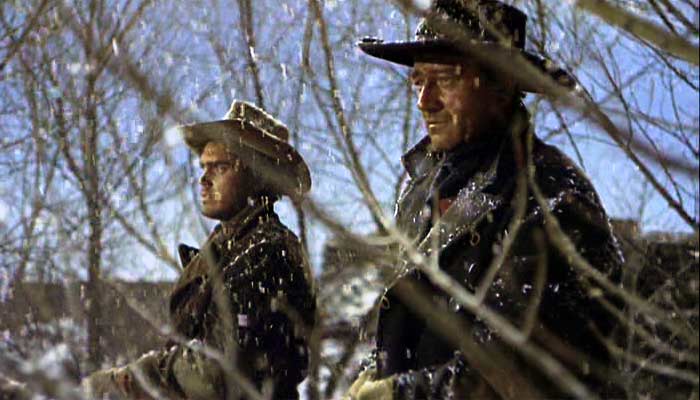
 That’ll be the day when someone tries to claim there’s a better Western than John Ford’s ethnocentric look at the dying of the Old West and the birth of the modern era. Essentially about a gunfighter’s attempt to find and kill his young niece, who has been kidnapped and, ostensibly, ruined by Indians, The Searchers is laden with iconic imagery, inside messages, and not-so-subtle metaphors. Hence, it is no accident that John Wayne’s son, Patrick, plays an ambitious yet inept officer named Greenhill. The elder Wayne stars as Ethan Edwards, a tough-as-nails Confederate veteran seeking revenge for the murder of his brother’s family; he’s also out to save Debbie (Natalie Wood) from the Comanches, led by a chief known as Scar (Henry Brandon), by ending her life, because in his world view, it’s better to be dead than red. Joining him on his trek is Debbie’s adopted brother, Martin Pawley (Jeffrey Hunter), who wants to save her from Edwards. The magnificent film balances its serious center with a large dose of humor, particularly in the relationships between Ethan and Martin and Ethan with his Indian companion, Look (Beulah Archuletta). And keep your eye on that blanket in front of the house. The Searchers is screening December 15 and 17 as part of the IFC Center series “Road Movies: Directed and Selected by Walter Salles,” in conjunction with the December 21 theatrical release of Salles’s adaptation of Jack Kerouac’s On the Road. The series also includes such films as Salles’s Central Station and The Motorcycle Diaries, Edgar G. Ulmer’s Detour, and Michelangelo Antonioni’s The Passenger.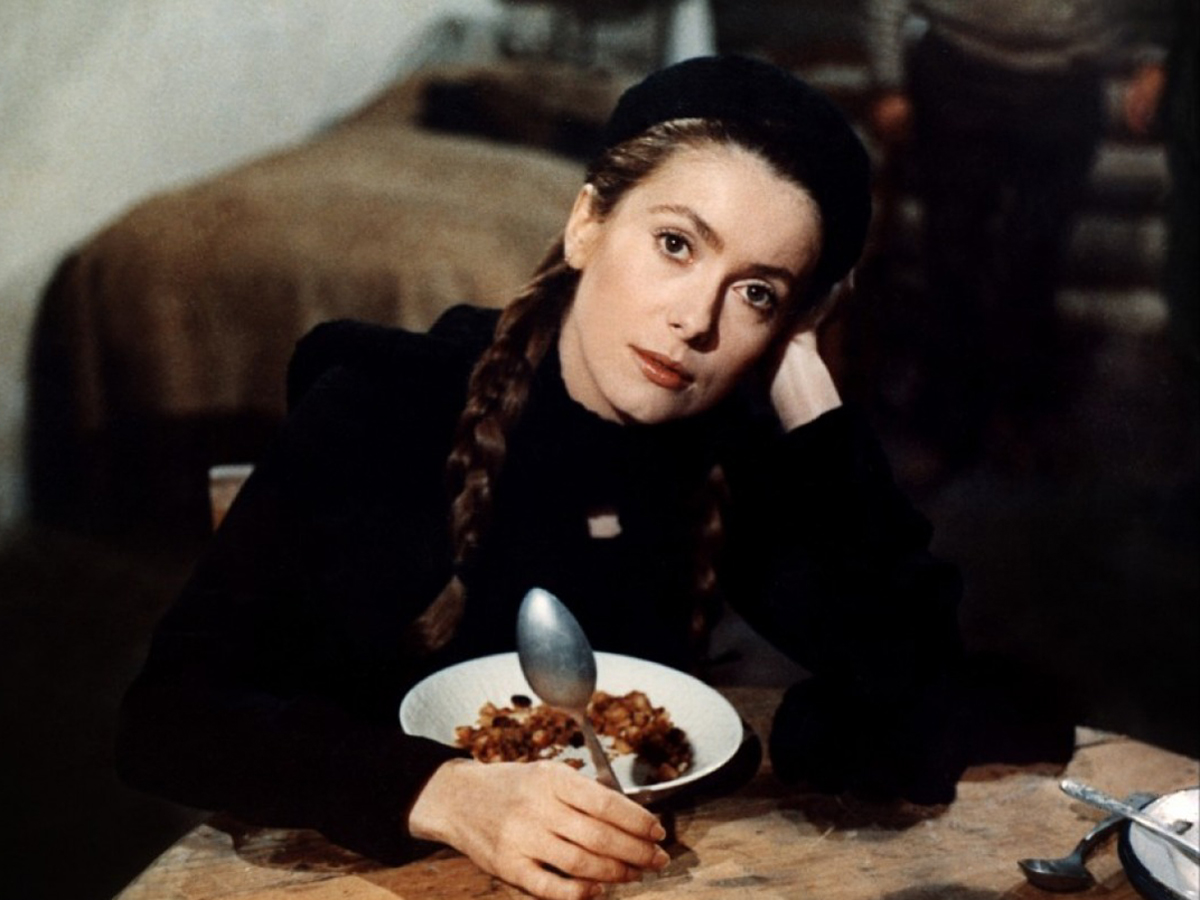
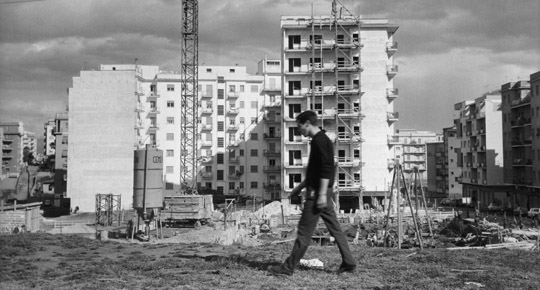
 After collaborating on a number of works by such auteurs as Mauro Bolognini and Federico Fellini, poet and novelist Pier Paolo Pasolini made his directorial debut in 1961 with the gritty, not-quite-neo-realist Accattone (“scrounger” or “beggar”). Somewhat related to his books Ragazzi di vita and Una vita violenta, the film is set in the Roman borgate, where brash young Vittorio “Accattone” Cataldi (Franco Citti) survives by taking crazy bets — like swimming across a river known for swallowing up people’s lives — and working as a pimp. After a group of local men beat up his main money maker (Silvana Corsini), he meets the more naive Stella (Franca Pasut), whom he starts dating with an eye toward perhaps converting into a prostitute as well. Meanwhile, he tries to establish a relationship with his son, but his estranged wife and her family want nothing to do with him. Filmed in black-and-white by master cinematographer Tonino Delli Colli, Accattone is highlighted by a series of memorable shots, from Accattone’s gorgeous dive from a bridge to a close-up of his face covered in sand, many of which were inspired by Baroque art and set to music by Bach. Written with Sergio Citti and featuring a production assistant named Bernardo Bertolucci, the story delves into the dire poverty in the slums of Rome, made all the more real by Pasolini’s use of both professional and nonprofessional actors. Accattone is screening December 14 and 27 as part of MoMA’s “Pier Paolo Pasolini” series, a full career retrospective that runs December 13 to January 5 and includes such special events as “Recital: An Evening Dedicated to Pier Paolo Pasolini the Poet” at MoMA on December 14 and the Sunday Sessions program “Pier Paolo Pasolini: Intellettuale” at MoMA PS1 on December 16 with Paul Chan, Ninetto Davoli, Emi Fontana, Barbara Hammer, Alfredo Jaar, Lovett/Codagnone, and Fabio Mauri. In addition, there will be a number of other Pasolini celebrations around the city, including the December 13 seminar “Pasolini’s Languages” at the