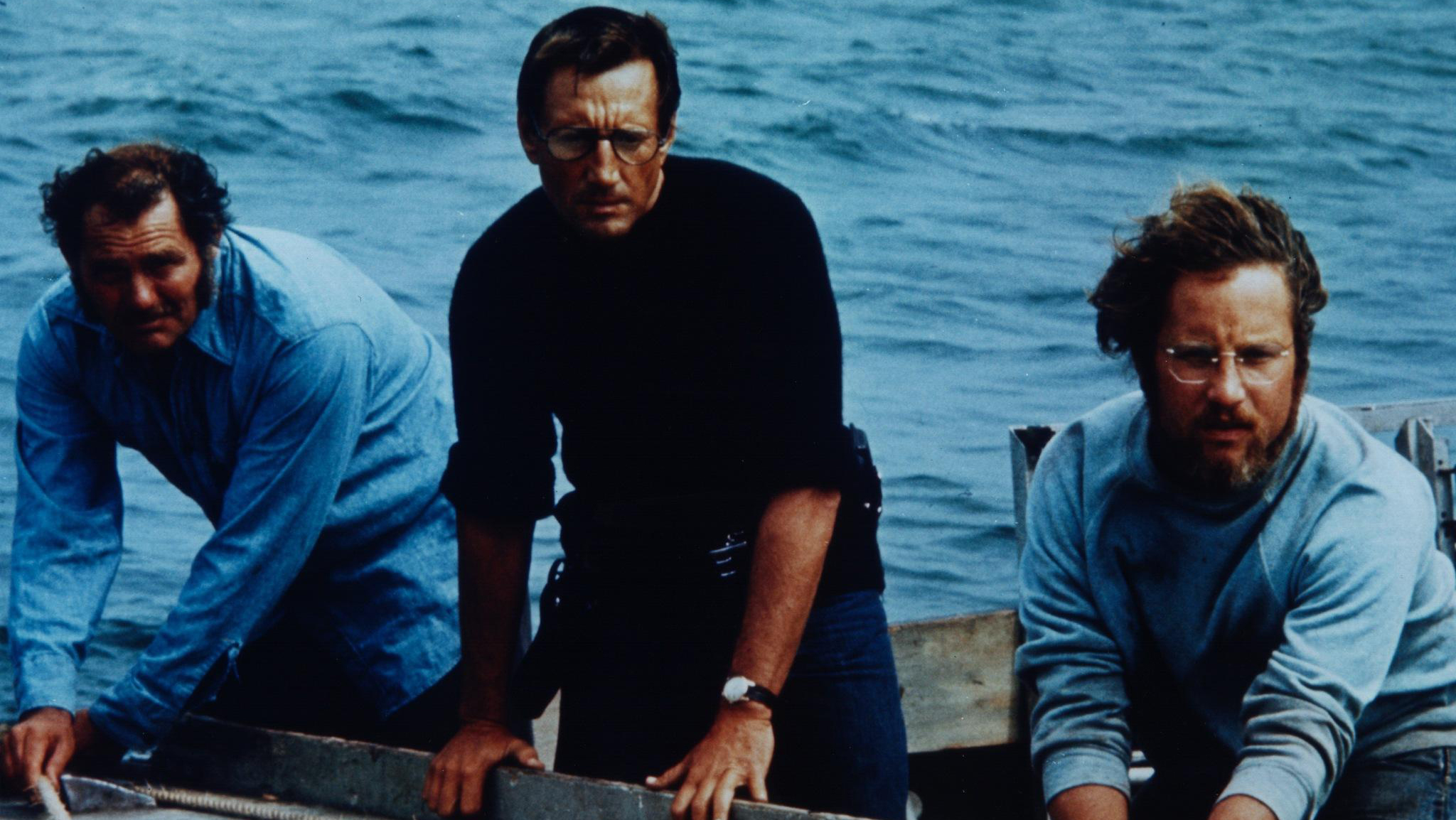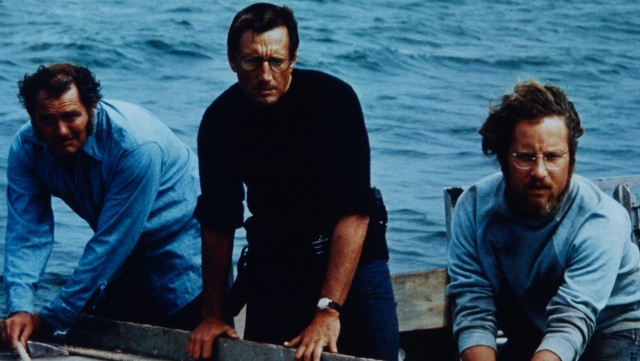
JAWS will make people on board the Intrepid wary of the water on June 28
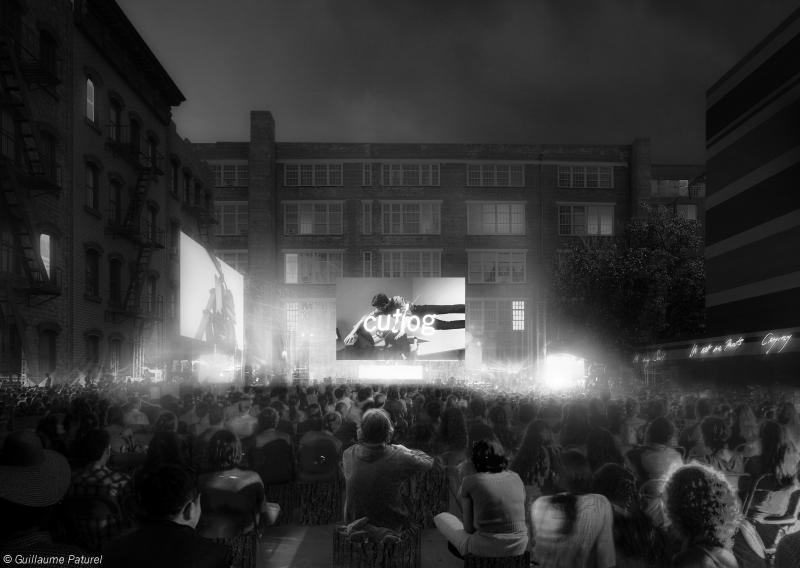
Relaxing on a beautiful night outdoors watching a free movie has become quite a city tradition, and you can find all kinds of films being shown in parks and plazas all over town, from Central Park, Bryant Park, and Riverside Park to the USS Intrepid, Socrates Sculpture Park, and the Queens Museum. Film screenings begin at dusk, although some series have live music before that, so be sure to get there early. Keep watching this space as we add more festivals as they’re announced.
Friday, May 24
Intrepid Summer Movie Series: Top Gun (Tony Scott, 1986), Pier 86
Thursday, June 6
Films in Tompkins: Romeo+Juliet (Baz Luhrmann, 1996), with Sweet Street Symphony, Tompkins Square Park
Friday, June 7
Films on the Green: Mississippi Mermaid (François Truffaut, 1969), Cedar Hill, Central Park
Tuesday, June 11
Family Guy, Hudson River Park, Pier 63 Lawn
Thursday, June 13
Films in Tompkins: O Brother Where Art Thou (Joel Coen, 2000), with the Dapper Dans, Tompkins Square Park
Friday, June 14
Films on the Green: L’Art d’aimer (The Art of Love) (Emmanuel Mouret, 2011), Washington Square Park
Sunday, June 16
SummerStage — This Is _ Hip-Hop: Soul Food Junkies (Byron Hurt, 2012) and live music by Dead Prez, Herbert Von King Park
SummerStage: Rio 2096: A Story of Love and Fury (Luiz Bolognesi, 2013) and live music by Preta Gil and DJ Just Marcelo, Rumsey Playfield, Central Park
Monday, June 17
Bryant Park Summer Film Festival: Tootsie (Sydney Pollack, 1982), Bryant Park Lawn
Thursday, June 20
Films in Tompkins: Rushmore (Wes Anderson, 1998), wtih Batala NYC, Tompkins Square Park
Friday, June 21
Intrepid Summer Movie Series: National Treasure (Jon Turteltaub, 2004), Pier 86
Films on the Green: French Cancan (Jean Renoir, 1955), Washington Square Park
Saturday, June 22
SummerStage — Make a Joyful Noise: A Tribute to Mahalia Jackson, featuring a screening of Mahalia Jackson: The Power and the Glory (Jeff Scheftel, 1997) and live appearances by Joshua “the Prince of Kosher Gospel” Nelson and Della Reese, Rumsey Playfield, Central Park
Monday, June 24
Bryant Park Summer Film Festival: Invasion of the Body Snatchers (Don Siegel, 1956), Bryant Park Lawn
Thursday, June 27
Canceled: Films in Tompkins: Reservoir Dogs (Quentin Tarantino, 1992), with Amour Obscur and free slices of Two Boots “Mr. Pink” pizza, Tompkins Square Park
Friday, June 28
Intrepid Summer Movie Series: Jaws (Steven Spielberg, 1975), Pier 86
Films on the Green: Angèle et Tony (Angel and Tony) (Alix Delaporte, 2010), Tompkins Square Park
Monday, July 1
Bryant Park Summer Film Festival: Frenzy (Alfred Hitchcock, 1972), Bryant Park Lawn
Flicks on the Beach: Little Fugitive (Ray Ashley, Morris Engel & Ruth Orkin, 1955), Beach and West Tenth St., Coney Island
Williamsburg Summer Nights, Movies in the Park: Life of Pi (Ang Lee, 2012), East River State Park
Wednesday, July 3
Outdoor Cinema: Our Nixon (Penny Lane, 2013), Socrates Sculpture Park
Friday, July 5
Films on the Green: L’Arancoeur (Heartbreaker) (Pascal Chaumeil, 2010), Tompkins Square Park
Saturday, July 6
Front/Row Cinema: Breaking Away (Peter Yates, 1979), South Street Seaport, Front & Fulton Sts.
Monday, July 8
Bryant Park Summer Film Festival: Willy Wonka & the Chocolate Factory (Mel Stuart, 1971), Bryant Park Lawn
Flicks on the Beach: Bending Steel (Dave Carroll, 2013), Beach and West Tenth St., Coney Island
Tuesday, July 9
Red Hook Flicks: Stand by Me (Rob Reiner, 1986), Valentino Pier
Wednesday, July 10
Maysles Cinema’s Summer of Music — the Historic Harlem Parks Film Festival: I Want My Name Back (Roger Paradiso, 2012), with DJ Tedsmooth’s Old School Jam at 5:30, a live performance of “Rapper’s Delight” by MCs Wonder Mike, Master Gee, and Grandmaster Caz and special guests Melle Mell, Dana Dana, DJ Wiz, Grandmaster Dee, Keith LeBlanc, Vernon Reid, and Doug Winbish at 7:30, film screening at 8:30, moved to Mount Morris Ascension Presbyterian Church, 16-20 Mount Morris Park West, southwest corner of 122nd St.
RiverFlicks for Grown-Ups: Silver Linings Playbook (David O. Russell, 2012), Hudson River Park, Pier 63 Lawn
Outdoor Cinema: A Screaming Man (Mahamat-Saleh Haroun, 2010), Socrates Sculpture Park
Front/Row Cinema: Ice Age (Chris Wedge & Carlos Saldanha, 2002), South Street Seaport, Front & Fulton Sts.
SummerScreen: Can’t Hardly Wait (Harry Elfont & Deborah Kaplan, 1998), McCarren Park
Summer on the Hudson — Movies Under the Stars: Song & Dance — Gold Diggers of 1933 (Mervyn LeRoy, 1933), Pier 1, Riverside Park South
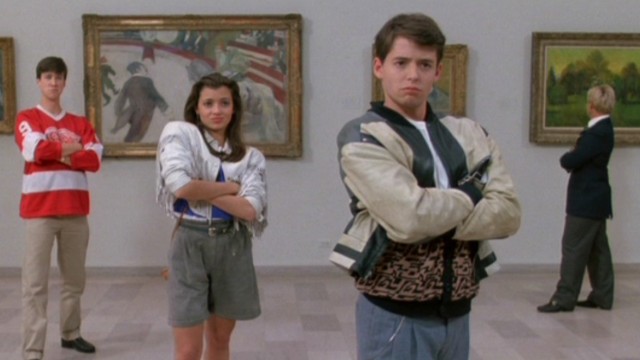
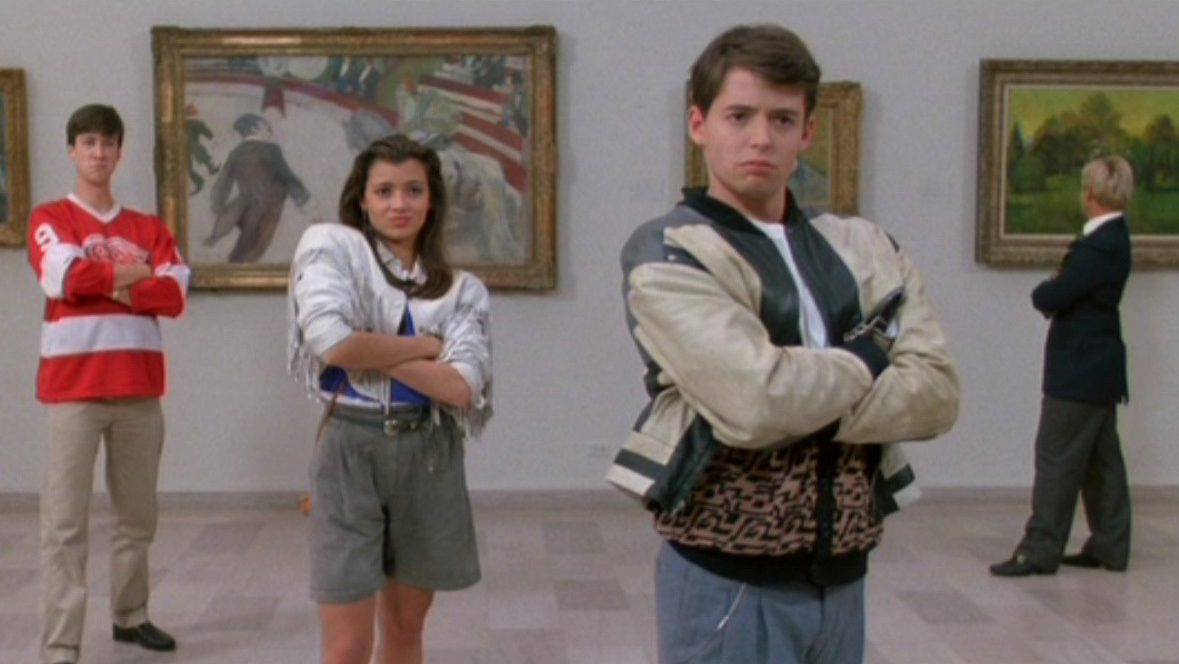
The call of “Bueller . . . Bueller . . . Bueller . . .” will be heard throughout Brooklyn Bridge Park on July 11
Thursday, July 11
Movies with a View: Ferris Bueller’s Day Off (John Hughes, 1986), preceded by Creep (Sharif Anthony), with music by DJ Still Life, Brooklyn Bridge Park
Films in Tompkins: Easy Rider (Dennis Hopper, 1969), with Main Street Quintet, Tompkins Square Park
Friday, July 12
RiverFlicks for Kids: The Pirates! Band of Misfits (Peter Lord & Jeff Newitt, 2012), Hudson River Park, Pier 46
Films on the Green: Marius et Jeannette (Robert Guédiguian, 1997), Pier 1, Riverside Park
Saturday, July 13
SummerStage — This Is _ Hip-Hop: Screening of From Mambo to Hip Hop: A South Bronx Tale (Henry Chalfant, 2006) and live music by the Ghetto Brothers, Crotona Park, 7:00
Front/Row Cinema: Heaven Can Wait (Warren Beatty, 1978), South Street Seaport, Front & Fulton Sts.
Monday, July 15
Flicks on the Beach: The Hunger Games (Gary Ross, 2012), Beach and West Tenth St., Coney Island
Bryant Park Summer Film Festival: Hush…Hush, Sweet Charlotte (Robert Aldrich, 1964), Bryant Park Lawn
Williamsburg Summer Nights, Movies in the Park: The Artist (Michel Hazanavicius, 2011), East River State Park
Tuesday, July 16
Red Hook Flicks: Kung Fu Panda (Mark Osborne, 2008), Valentino Pier
Wednesday, July 17
RiverFlicks for Grown-Ups: Looper (Rian Johnson, 2012), Hudson River Park, Pier 63 Lawn
Outdoor Cinema: Alamar (Pedro González-Rubio, 2009), Socrates Sculpture Park
SummerScreen: Pee Wee’s Big Adventure (Tim Burton, 1985), McCarren Park
Summer on the Hudson — Movies Under the Stars: Song & Dance — Duck Soup (Leo McCarey, 1933), Pier 1, Riverside Park South
Front/Row Cinema: Ghostbusters (Ivan Reitman, 1984), South Street Seaport, Front & Fulton Sts.
Thursday, July 18
Maysles Cinema’s Summer of Music — the Historic Harlem Parks Film Festival: I Remember Harlem: Toward Freedom (1940-1965) and I Remember Harlem: Toward a New Day (1940-1965) (William Miles, 1980), with a Harlem World DJ set by DJ Blade, St. Nicholas Park, 7:30
Movies with a View: Enter the Dragon (Robert Clouse, 1973), preceded by Catnip: Egress to Oblivion (Jason Willis), with music by DJ Hahn Solo, Brooklyn Bridge Park
Films in Tompkins: Drive (Nicolas Winding Ref, 2011), with Brendan O’Hara, Tompkins Square Park
Friday, July 19
RiverFlicks for Kids: ParaNorman (Chris Butler & Sam Fell, 2012), Hudson River Park, Pier 46
Films on the Green: Nous ne vieillirons pas ensemble (We Won’t Grow Old Together) (Maurice Pialat, 1972), Pier 1, Riverside Park
Saturday, July 20
Front/Row Cinema: Butch Cassidy & the Sundance Kid (George Roy Hill, 1969), South Street Seaport, Front & Fulton Sts.
Sunday, July 21
SummerStage — This Is _ Hip-Hop: Twenty-Fifth Anniversary Screening of I’m Gonna Git You Sucka (Keenen Ivory Wayans, 1988) and live music by DJ D-Nice, Queensbridge Park
Monday, July 22
Flicks on the Beach: Wreck-It Ralph (Rich Moore, 2012), Beach and West Tenth St., Coney Island
Bryant Park Summer Film Festival: The African Queen (John Huston, 1951), Bryant Park Lawn
Williamsburg Summer Nights, Movies in the Park: Up (Bob Peterson & Pete Docter, 2009), East River State Park
Tuesday, July 23
Red Hook Flicks: Shaft (John Singleton, 2000), Valentino Pier
Wednesday, July 24
RiverFlicks for Grown-Ups: Argo (Ben Affleck, 2012), Hudson River Park, Pier 63 Lawn
Outdoor Cinema: In Another Country (Hong Sang-soo, 2012), Socrates Sculpture Park
SummerScreen: The Craft (Andrew Fleming, 1996), McCarren Park
Summer on the Hudson — Movies Under the Stars: Song & Dance — The 5,000 Fingers of Dr. T (Roy Rowland, 1953), Pier 1, Riverside Park South
Front/Row Cinema: Finding Nemo (Andrew Stanton & Lee Unkrich, 2003), South Street Seaport, Front & Fulton Sts.
Thursday, July 25
Movies with a View: Willy Wonka and the Chocolate Factory (Mel Stuart, 1971), preceded by Irish Folk Furniture (Tony Donoghue), with music by DJ Ayres, Brooklyn Bridge Park
Maysles Cinema’s Summer of Music — the Historic Harlem Parks Film Festival: Shape of a Broken Heart (Andrew Dosumnu, 2012) and Jazz on a Summer’s Day (Bert Stern, 1960), with DJ Blade and live drumming, the Jackie Robinson Park Bandshell, 7:30
Films in Tompkins: The Big Lebowski (Joel Coen, 1998), with Jake Pinto and the Yeahtones and free slices of Two Boots “the Dude” pizza, Tompkins Square Park
Friday, July 26
RiverFlicks for Kids: Who Framed Roger Rabbit (Robert Zemeckis, 1988), Hudson River Park, Pier 46
Intrepid Summer Movie Series: Star Trek: The Motion Picture (Robert Wise, 1979), Pier 86
Films on the Green: U (Grégoire Solotareff & Serge Elissalde, 2006), Transmitter Park
Saturday, July 27
Front/Row Cinema: Working Girl (Mike Nichols, 1988), South Street Seaport, Front & Fulton Sts.
Monday, July 29
Flicks on the Beach: Men in Black 3 (Barry Sonenfeld, 2012), Beach and West Tenth St., Coney Island
Bryant Park Summer Film Festival: A Foreign Affair (Billy Wilder, 1948), Bryant Park Lawn
Williamsburg Summer Nights, Movies in the Park: Skyfall (Sam Mendes, 2012), East River State Park
Tuesday, July 30
Red Hook Flicks: Strictly Ballroom (Baz Luhrmann, 1992), Valentino Pier
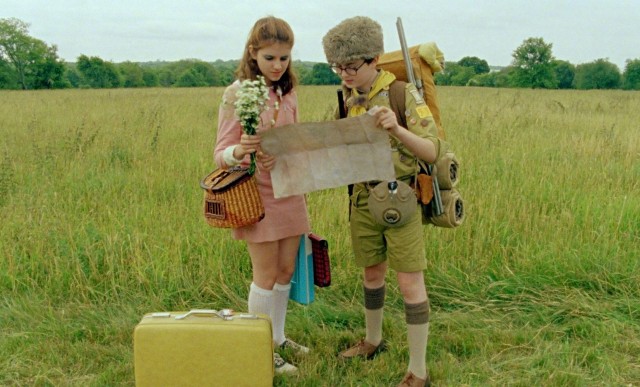
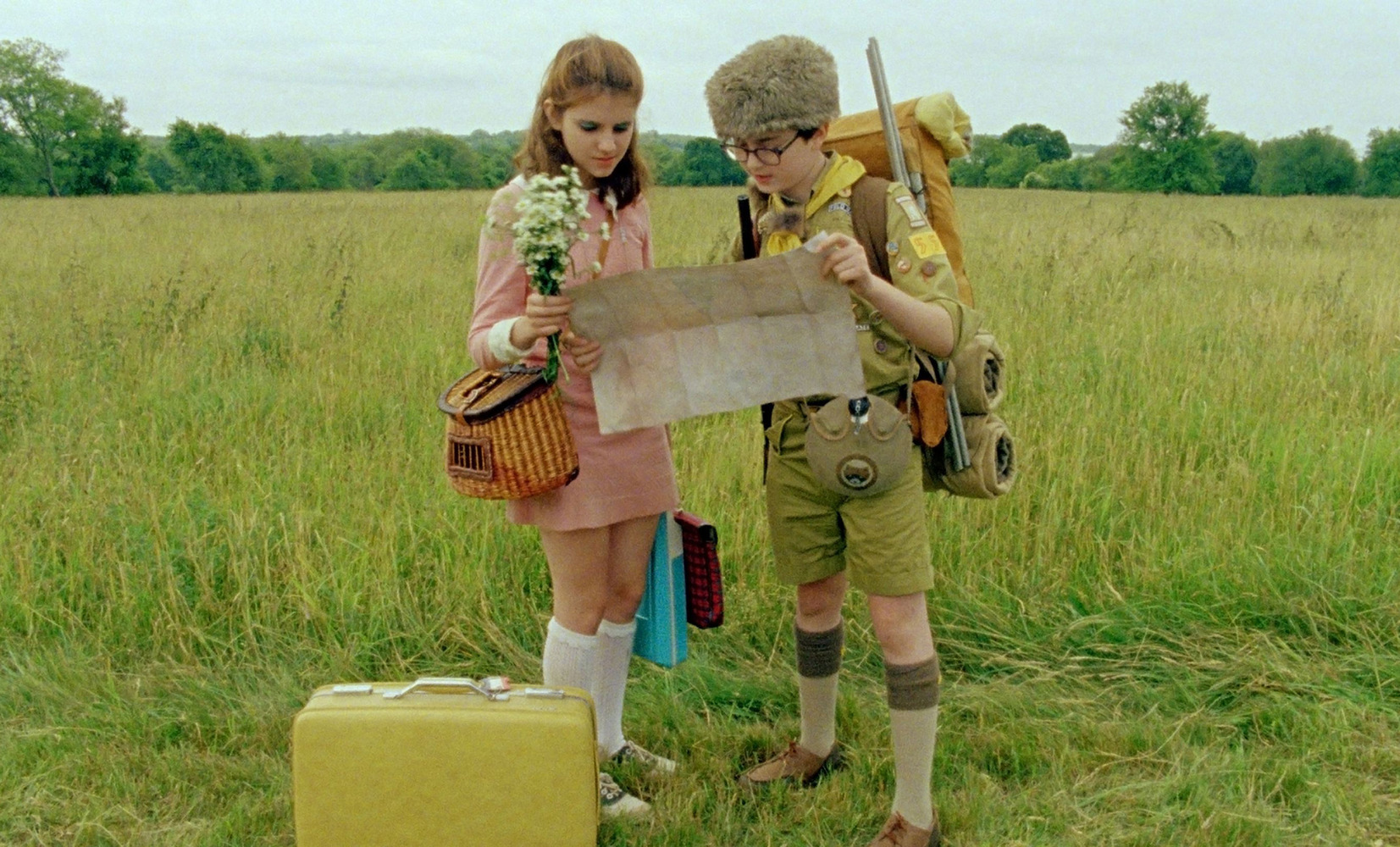
Movie fans can find the underrated MOONRISE KINGDOM in Hudson River Park on July 31
Wednesday, July 31
RiverFlicks for Grown-Ups: Moonrise Kingdom (Wes Anderson, 2012), Hudson River Park, Pier 63 Lawn
Outdoor Cinema: Domestic (Adrian Sitaru, 2013), Socrates Sculpture Park
SummerScreen: The Goonies (Richard Donner, 1985), McCarren Park
Summer on the Hudson — Movies Under the Stars: Song & Dance — Fiddler on the Roof (Norman Jewison, 1971), Pier 1, Riverside Park South
Front/Row Cinema: Star Trek (J. J. Abrams, 2009), South Street Seaport, Front & Fulton Sts.
Thursday, August 1
Movies with a View: 8 Mile (Curtis Hanson, 2002), preceded by Until the Quiet Comes (Kahlil Joseph), with music by DJ Who Am I, Brooklyn Bridge Park
Films in Tompkins: The Rocky Horror Picture Show (Jim Sharman, 1975), with Jason Trachtenburg and the Pendulum Swings, Tompkins Square Park
Friday, August 2
RiverFlicks for Kids: Madagascar 3: Europe’s Most Wanted (Eric Darnell, Tom McGrath & Conrad Vernon, 2012), Hudson River Park, Pier 46
Intrepid Summer Movie Series: Harry Potter and the Sorcerer’s Stone (Chris Columbus, 2001), Pier 86
Films on the Green: Conte d’été (A Summer’s Tale) (Eric Rohmer, 1996), Transmitter Park
Saturday, August 3
Front/Row Cinema: The Muppets (James Bobin, 2011), South Street Seaport, Front & Fulton Sts.
Monday, August 5
Flicks on the Beach: The Avengers (Joss Whedon, 2012), Beach and West Tenth St., Coney Island
Bryant Park Summer Film Festival: Norma Rae (Martin Ritt, 1979), Bryant Park Lawn
Tuesday, August 6
Red Hook Flicks: Akeelah and the Bee (Doug Atchison, 2006), Valentino Pier
Wednesday, August 7
RiverFlicks for Grown-Ups: The Avengers (Joss Wheedon, 2012), Hudson River Park, Pier 63 Lawn
Outdoor Cinema: Sugar (Anna Boden & Ryan Fleck, 2008), Socrates Sculpture Park
SummerScreen: Speed (Jan de Bont, 1994), McCarren Park
Summer on the Hudson — Movies Under the Stars: Song & Dance — Little Shop of Horrors (Frank Oz, 1986), Pier 1, Riverside Park South
Front/Row Cinema: Young Frankenstein (Mel Brooks, 1974), South Street Seaport, Front & Fulton Sts.
Thursday, August 8
Movies with a View: Roman Holiday (William Wyler, 1953), preceded by How She Slept at Night (Lilli Carré), with music by DJ $mall ¢hange, Brooklyn Bridge Park
Friday, August 9
RiverFlicks for Kids: Rise of the Guardians (Peter Ramsey, 2012), Hudson River Park, Pier 46
Saturday, August 10
Front/Row Cinema: Hugo (Martin Scorsese, 2011), South Street Seaport, Front & Fulton Sts.
Sunday, August 11
SummerStage: screening of 1981 BBC documentary Hotter than July and live music by DJ Spinna, Mika, Gloria Ryann, Asa Lovechild, Darien, Mike Hammond, Chris Robb, Vivian Sessoms, and Jesse Fischer & Soul Cycle performing “A Soul Train Tribute to Stevie Wonder,” Marcus Garvey Park
Monday, August 12
Flicks on the Beach: Fame (Alan Parker, 1980), Beach and West Tenth St., Coney Island
Bryant Park Summer Film Festival: The Women (George Cukor, 1939), Bryant Park Lawn
Tuesday, August 13
Red Hook Flicks: The Thing (John Carpenter, 1982), Valentino Pier
Wednesday, August 14
RiverFlicks for Grown-Ups: Pitch Perfect (Jason Moore, 2012), Hudson River Park, Pier 63 Lawn
Outdoor Cinema: The Gleaners & I (Agnès Varda, 2000), Socrates Sculpture Park
SummerScreen: Audience Pick, McCarren Park
Summer on the Hudson — Movies Under the Stars: Song & Dance — Pitch Perfect (Jason Moore, 2012), Pier 1, Riverside Park South
Front/Row Cinema: The Amazing Spider-Man (Marc Webb, 2012), South Street Seaport, Front & Fulton Sts.
Thursday, August 15
Movies with a View: Rocky (John G. Avildsen, 1976), preceded by Marcel, King of Tervuren (Tom Schroeder), with music by DJ Emch, Brooklyn Bridge Park
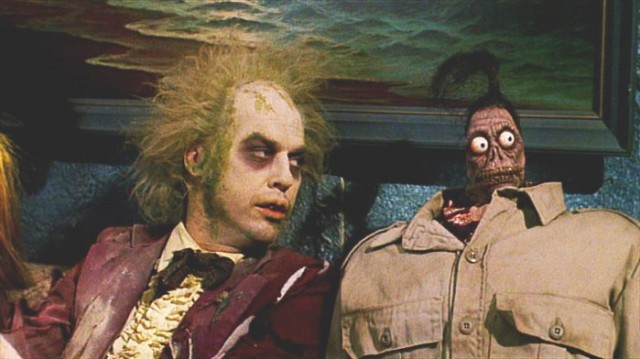
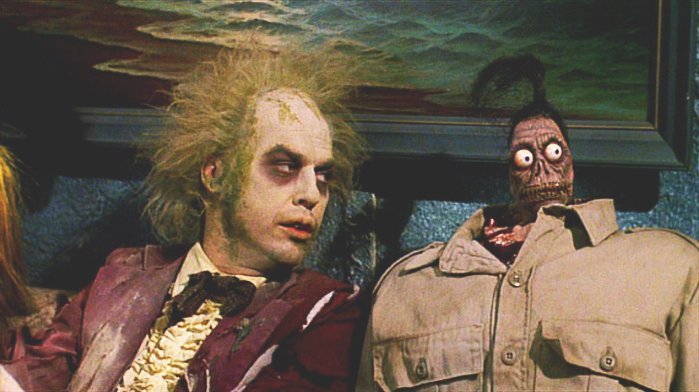
Cries of “Beetelgeuse! Beetelgeuse! Beetelgeuse!” will echo through Hudson River Park on August 16
Friday, August 16
RiverFlicks for Kids: Beetlejuice (Tim Burton, 1988), Hudson River Park, Pier 46
Saturday, August 17
Front/Row Cinema: Chicago (Rob Marshall, 2002), South Street Seaport, Front & Fulton Sts.
Monday, August 19
Bryant Park Summer Film Festival: E.T. the Extra-Terrestrial (Steven Spielberg, 1982), Bryant Park Lawn
Flicks on the Beach: 42 (Brian Helgeland, 2013), Beach and West Tenth St., Coney Island
Tuesday, August 20
Red Hook Flicks: Caddyshack (Harold Ramis, 1980), Valentino Pier
Wednesday, August 21
RiverFlicks for Grown-Ups: The Hunger Games (Gary Ross, 2012), Hudson River Park, Pier 63 Lawn
Outdoor Cinema: The Edge of Heaven (Fatih Akin, 2007), Socrates Sculpture Park
Front/Row Cinema: Back to the Future (Robert Zemeckis, 1985), South Street Seaport, Front & Fulton Sts.
Thursday, August 22
Central Park Conservancy Film Festival: West Side Story (Robert Wise & Jerome Robbins, 1961), Sheep Meadow and the 72nd St. Cross Dr., DJ at 6:30, film at 8:00
Movies with a View: Vertigo (Alfred Hitchcock, 1958), preceded by My Favorite Picture of You (Dan Lindsay & T. J. Martin), with music by DJ Geko Jones, Brooklyn Bridge Park
Friday, August 23
RiverFlicks for Kids: The Adventures of Tintin (Steven Spielberg, 2011), Hudson River Park, Pier 46
Central Park Conservancy Film Festival: Hook (Steven Spielberg, 1991), Sheep Meadow and the 72nd St. Cross Dr., DJ at 6:30, film at 8:00
Intrepid Summer Movie Series: The Karate Kid (John G. Avildsen, 1984), Pier 86
Saturday, August 24
Central Park Conservancy Film Festival: Silver Linings Playbook (David O. Russell, 2012), Sheep Meadow and the 72nd St. Cross Dr., DJ at 6:30, film at 8:00
Front/Row Cinema: Gigi (Vincente Minnelli, 1958), South Street Seaport, Front & Fulton Sts.
Sunday, August 25
Central Park Conservancy Film Festival: The Shining (Stanley Kubrick, 1980), Sheep Meadow and the 72nd St. Cross Dr., DJ at 6:30, film at 8:00
Monday, August 26
Central Park Conservancy Film Festival: Raiders of the Lost Ark (Steven Spielberg, 1981), Sheep Meadow and the 72nd St. Cross Dr., DJ at 6:30, film at 8:00
SummerStage — This Is _ Hip-Hop: Thirtieth Anniversary Screening of Wild Style (Charlie Ahearn, 1983), live music by DJ D-Nice, East River Park
Tuesday, August 27
Red Hook Flicks — Red Hook Choice: Don’t Tell Mom the Babysitter’s Dead (Stephen Herek, 1991), Valentino Pier
Wednesday, August 28
Front/Row Cinema: The Aviator (Martin Scorsese, 2004), South Street Seaport, Front & Fulton Sts.
Thursday, August 29
Movies with a View: Public vote between Fear and Loathing in Las Vegas (Terry Gilliam, 1998), Good Will Hunting (Gus Van Sant, 1997), Lost in Translation (Sofia Coppola, 2003), and any rained-out films, Brooklyn Bridge Park
Saturday, August 31
Front/Row Cinema: Close Encounters of the Third Kind (Steven Spielberg, 1977), South Street Seaport, Front & Fulton Sts.
Wednesday, September 4
Front/Row Cinema: Life of Pi (Ang Lee, 2012), South Street Seaport, Front & Fulton Sts.
Thursday, September 5
Films on the Green: Les Roseaux Sauvages (Wild Reeds) (André Téchiné, 1994), Columbia University Low Library steps
Saturday, September 7
Front/Row Cinema: Up (Bob Peterson & Pete Docter, 2009), South Street Seaport, Front & Fulton Sts.
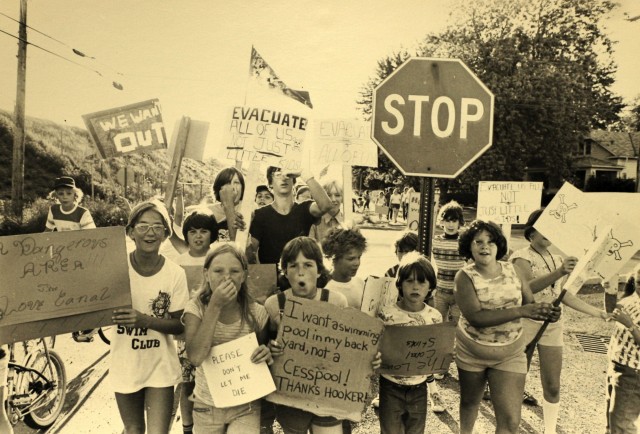
 A lot of documentaries wear their hearts on their sleeves, pushing a specific agenda, but as far as agenda go, A Fierce Green Fire: The Battle for a Living Planet has a pretty good one. Directed by Mark Kitchell (Berkeley in the Sixties), the film serves not only as a history of the environmental movement around the world but also demonstrates how one person can indeed make a difference. But the hundred-minute documentary does itself no favors by using several narrators who are certain to infuriate conservative Republicans and naysayers, ensuring that the film is most likely going to preach only to the converted and not spread its vital message to a more mainstream audience. A Fierce Green Fire is divided into five thematic sections, narrated by Robert Redford, Ashley Judd, Van Jones, Isabel Allende, and Meryl Streep, respectively. Using archival footage and new interviews, Kitchell examines David Brower and the Sierra Club’s fight to prevent a dam project in the Grand Canyon; Lois Gibbs’s struggle to prove the alarming health problems at Love Canal; Paul Watson, Sea Shepherd, and Greenpeace’s mission to save the whales; Chico Mendes’s bravery trying to protect the Amazon rainforest; and the continuing controversy over climate change as seen through the work of such activist organizations as Paul Hawken’s Blessed Unrest. Inspired by Philip Shabecoff’s 1993 book, the film features such talking heads as Whole Earth Catalog publisher Stewart Brand, Earth Day organizer Doug Scott, NRDC founder John Adams, former Sierra Club leader Carl Pope, environmental justice advocate Robert Bullard, Greenpeace cofounder Rex Weyler, WWF conservation biologist Thomas Lovejoy, and legendary naturalist Bill McKibben in addition to Gibbs, Hawken, and Watson. While it’s fascinating to learn that the environmental movement really took off once NASA broadcast images of the earth taken from space, revealing the beautiful fragility of the planet, much of the documentary is told in a fairly stagnant manner, more like an expanded news report than a theatrical film. Still, it shares some intriguing insights and, in celebrating a group of individuals from around the world who fought the power (and sometimes even won), goes a long way in showing that every little step matters. A Fierce Green Fire: is screening May 12 & 19 at 8:00 as part of the ongoing Symphony Space series Thalia Docs.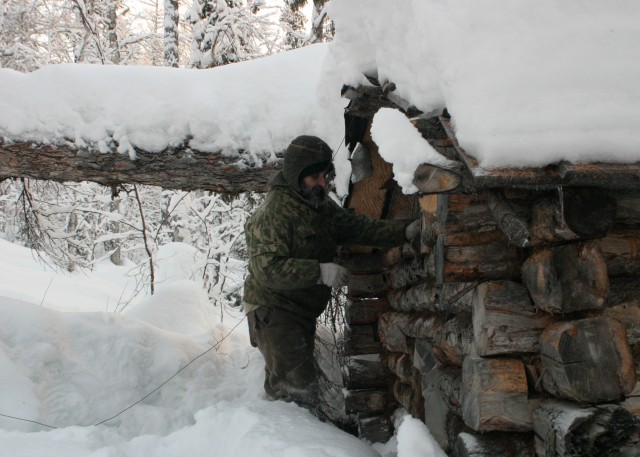
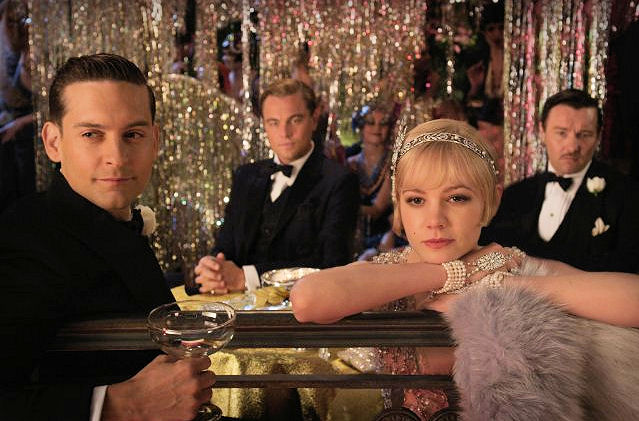
 Baz Luhrmann’s sumptuous version of The Great Gatsby is a dazzling reimagining of F. Scott Fitzgerald’s 1925 novel of old and new money and the American dream. The Australian director and his wife, costume and production designer extraordinaire Catherine Martin, have turned the classic tale into a lush spectacle without losing focus on the main story of life and love during the Roaring Twenties. Leonardo DiCaprio, who played the male lead in Lurhmann’s contemporary take on Romeo + Juliet, is superb as Jay Gatsby, the mystery man previously portrayed by Warner Baxter in 1926, Alan Ladd in 1949, Robert Redford in 1974, and Toby Stephens in 2000, adding a compelling level of vulnerability to the character. Gatsby has built a magnificent palace for himself on Long Island, hosting wild parties that he doesn’t care about; all he truly wants is Daisy (Carey Mulligan), a former love who has married successful businessman Tom Buchanan (Joel Edgerton) and lives in a mansion right across the bay. The villainous Tom is having an affair with the lower-class Myrtle Wilson (Isla Fisher), whose unaware husband, George (Jason Clarke), runs a gas station and garage in the Valley of Ashes. Although a loner, Gatsby befriends his neighbor, Nick Carraway (Tobey Maguire), a young, innocent bond trader who rents a modest home at the base of Gatsby’s enormous estate and whose cousin just happens to be Daisy. As Carraway is sucked into this glamorous, debauched society, which also includes wild and elegant golf champion Jordan Baker (Elizabeth Debicki), he is forced to reexamine his own hopes and dreams as he tries to find his place in the world.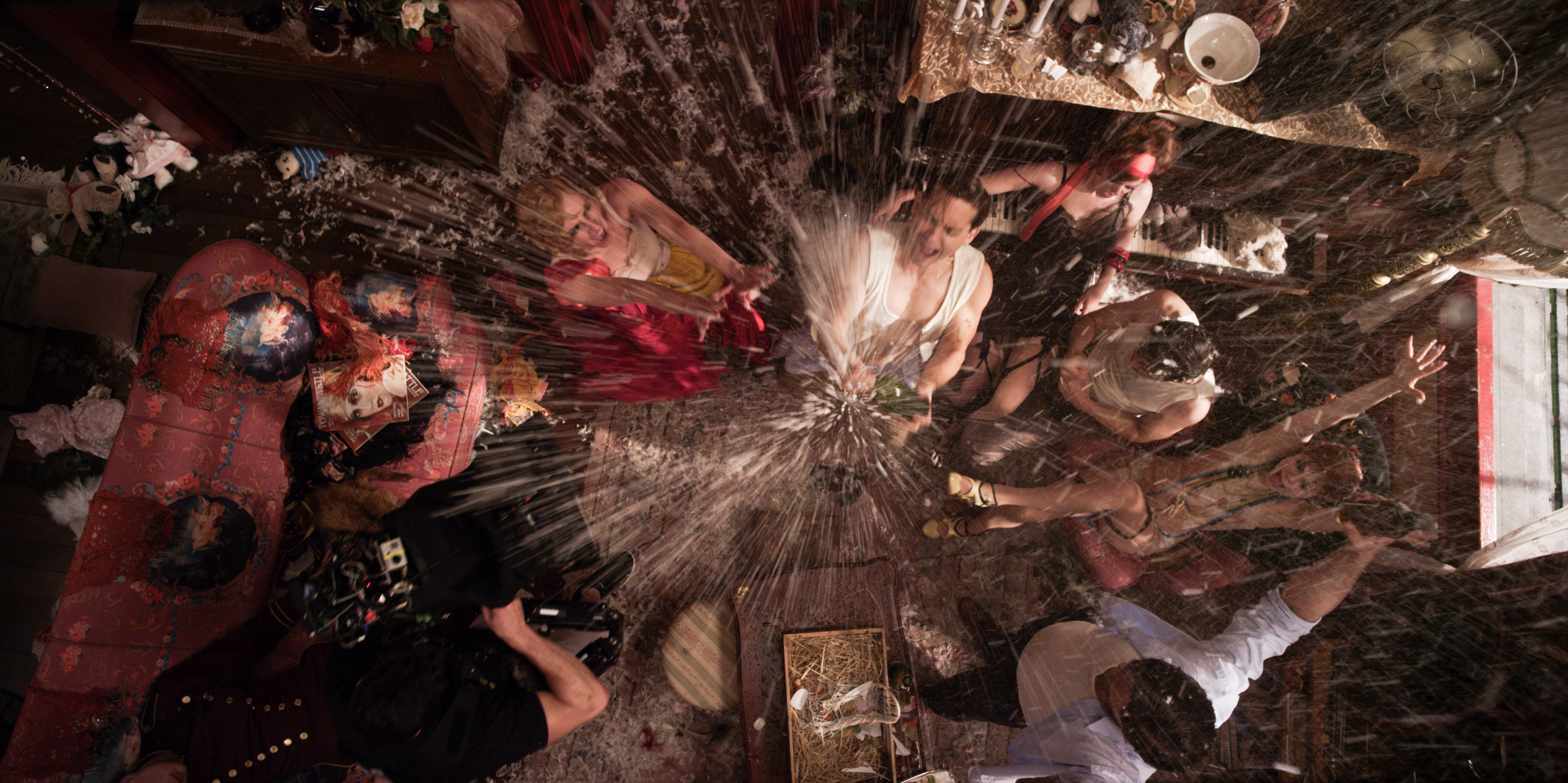
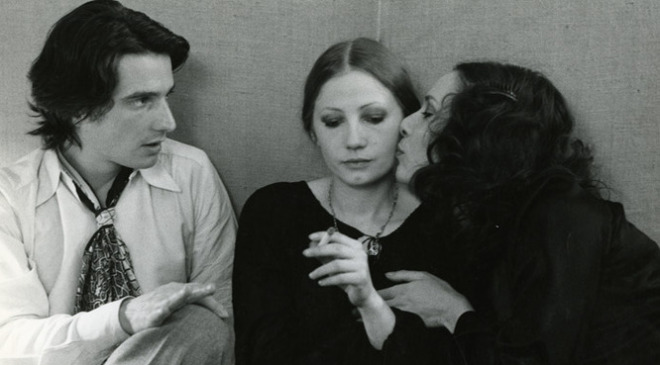
 Jean-Pierre Léaud gives a bravura performance in Jean Eustache’s New Wave classic about love and sex in Paris following the May 1968 cultural revolution. Léaud stars as Alexandre, a jobless, dour flaneur who rambles on endlessly about politics, cinema, music, literature, sex, women’s lib, and lemonade while living with current lover Marie (Bernadette Lafont), obsessing over former lover Gilberte (Isabelle Weingarten), and starting an affair with new lover Veronika (Françoise Lebrun), a quiet nurse with a rather open sexual nature. The film’s three-and-a-half-hour length will actually fly by as you become immersed in the complex characters, the fascinating dialogue, and the excellent acting. Much of the film consists of long takes in which Alexandre shares his warped view of life and art in small, enclosed spaces, the static camera focusing either on him or his companion. Someone at BAM has a wicked sense of humor, as The Mother and the Whore is screening on Mother’s Day at 2:30 & 7:00 as part of the BAMcinématek series “Booed at Cannes,” consisting of films that did not exactly thrill the Cannes glitterati but have gone on to gain their own unique reputations, including Maurice Pialat’s Under the Sun of Satan, Michelangelo Antonioni’s L’eclisse, David Lynch’s Wild at Heart, and David Cronenberg’s Crash.