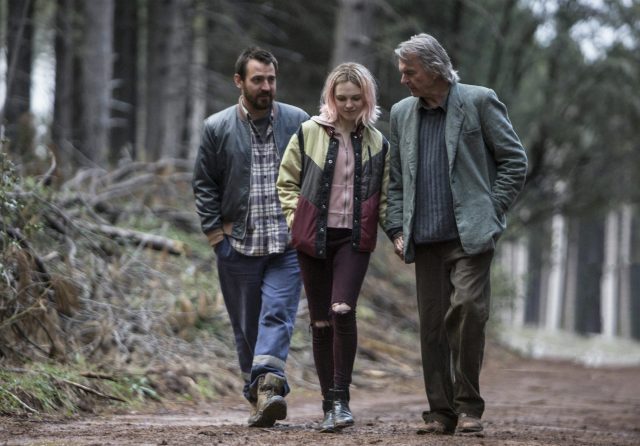
Three generations of Finches (Ewen Leslie, Odessa Young, and Sam Neill) find themselves in the calm before the storm in THE DAUGHTER
THE DAUGHTER (Simon Stone, 2015)
Cinema Village
22 East 12th St. between University Pl. & Fifth Ave.
Through Thursday, February 2
212-529-6799
www.cinemavillage.com
www.kinolorber.com
 The Daughter is a taut Australian melodrama from actor, director, and writer Simon Stone, his feature directorial debut, inspired by his 2014 stage adaptation of Henrik Ibsen’s The Wild Duck for Sydney’s Belvoir St Theatre company. The film builds slowly, teasing out the tension, until it gets so wrapped up in itself that the stream of revelations unfolding near the end feels overwrought and anticlimactic, as viewers will have figured out many of the twists much earlier. Still, it’s a compelling tale, well acted by a solid cast, although one overblown character nearly brings it all tumbling down. Ne’er-do-well prodigal son Christian (Paul Schneider) has returned home for the first time in fifteen years, for the wedding of his father, Henry (Geoffrey Rush), to his much younger housekeeper, Anna (Anna Torv). The wealthy local mill owner in a rural New South Wales town, Henry has just announced that his factory is closing. Christian, an alcoholic who is having problems with his girlfriend, Grace (Ivy Mak), and has never gotten over his mother’s death, reconnects with his childhood friend, Oliver (Ewen Leslie), a millworker who is married to Charlotte (Miranda Otto); they have a lovely daughter, teenager Hedvig (Odessa Young), a smart girl who is very close to her grandfather, Walter (Sam Neill), who takes care of a forest on his property as well as a home-made sanctuary for injured animals. Long-held secrets begin to emerge, spinning both families into severe crises as the past refuses to stay hidden.
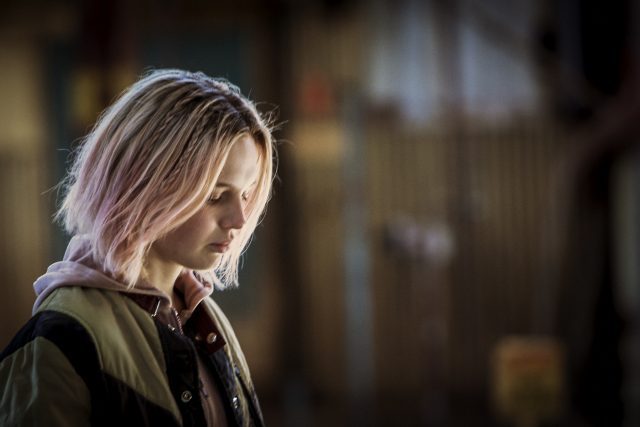
Odessa Young is outstanding as fourteen-year-old girl whose life is about to be turned upside down in debut feature by Simon Stone
Nominated for ten Australian Oscars and winner of three — Young for Best Lead Actress, Otto for Best Supporting Actress, and Stone for Best Adapted Screenplay — The Daughter can’t break free of its major flaw, though it tries — Christian might be the driving force behind the narrative, but the character, and Schneider’s performance, is too over-the-top in what is otherwise an intriguing and involving story with subtle touches. (For instance, Henry’s wood mill cuts down trees while Walter and Hedvig seek solace in a tree-laden forest.) Rush (Quills, Shine) is staunch as Henry, whose misdeeds trigger everything. Stone regular Leslie (Richard III, Stone’s The Wild Duck) and Otto (Lord of the Rings, The Last Days of Chez Nous) are terrific as a couple very much in love, but rising star Young steals the film as the blossoming fourteen-year-old Hedvig, whether acting with a fine Neill, nursing a wild duck shot down by Henry, or exploring her sexuality with her classmate Adam (Wilson Moore). She is definitely one to watch, as is Stone, who, at least for much of the film, expertly captures an uneasy atmosphere in which love grows ever-more-complicated minute by minute.
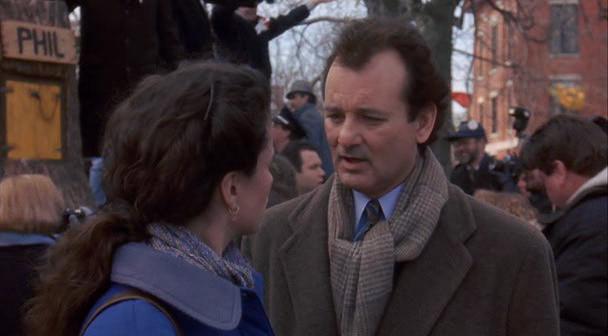
 If this post looks familiar, well, perhaps you read it last year, and before that, and maybe even before that. “Well, what if there is no tomorrow?” asks weatherman Phil Connors in Groundhog Day. “There wasn’t one today.” Bill Murray gives one of his most nuanced performances in the 1993 comedy, ably directed by his Stripes cohort, SCTV alum Harold Ramis. Murray stars as cynical, smarmy, mean-spirited meteorologist Phil Connors, who has been sent by his local TV station to Punxsutawney, Pennsylvania, to cover the annual Groundhog Day festivities and report on whether Punxsutawney Phil sees his shadow. He is joined by segment producer Rita (a radiant Andie MacDowell) and cameraman Larry (the always funny Chris Elliott), who find him to be a pompous ass. But just like Punxsutawney Phil comes out of his hole every February 2, Phil Connors is soon getting out of bed reexperiencing the same exact day, given the chance over and over to change, for better or worse. Besides being downright hysterical, Groundhog Day has a lot of heart, making it the kind of movie you can watch, well, over and over again, still pulling each time for Connors (who, not coincidentally, has the same name as the famous groundhog) to do the right thing and become a worthwhile human being. It seems that Murray does some of his best work when paired with a small, furry creature, like when he desperately tried to catch and kill a too-smart gopher in Caddyshack. And be on the lookout for Michael Shannon in his film debut, as the wet-behind-the-ears groom at a wedding celebration. The annual repeat Valentine screening of Groundhog Day at Nitehawk Cinema takes place on Groundhog Day itself at 9:30, with a Sweet Vermouth on the Rocks with a Twist drink special; it’s also National Tater Tot Day, so you can enjoy free tots if you bring a toy to donate to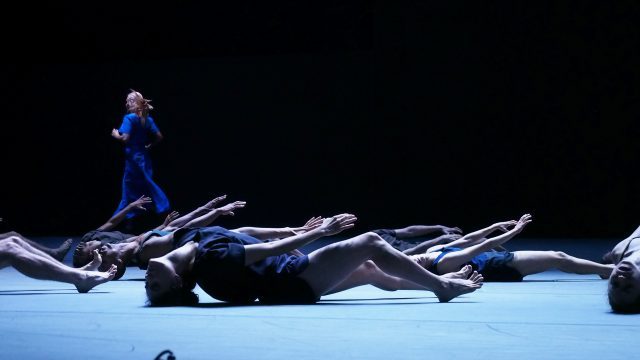
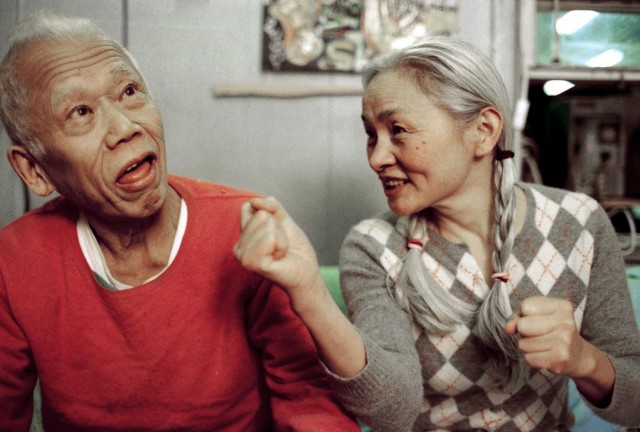
 Zachary Heinzerling’s Emmy-winning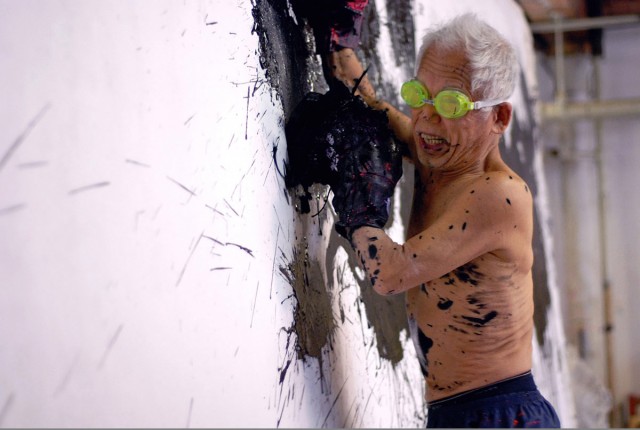
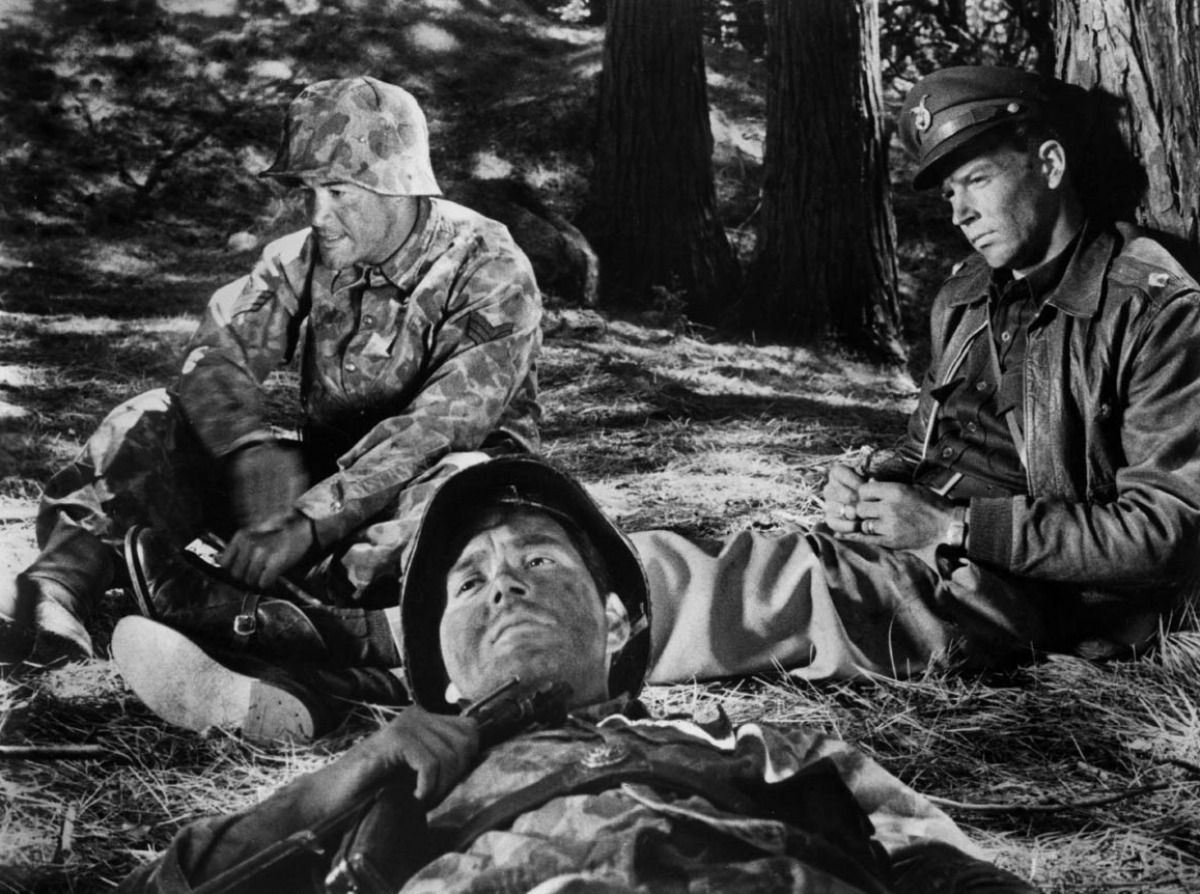
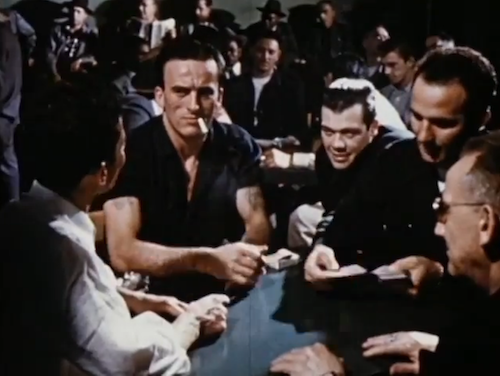
 IFC Center is celebrating the January 27 theatrical release of Alex Infascelli’s documentary S Is for Stanley, about longtime Stanley Kubrick aide Emilio D’Alessandro, with a two-week festival that includes every one of the Bronx-born ex-pat’s feature works, nearly all of which are being projected in DCP, along with a pair in 35mm. Kubrick’s 1953 seldom-seen psychological war drama, Fear and Desire, will be shown on January 30, along with the auteur’s half-hour industrial short The Seafarers. His first full-length film, made when he was twenty-four, Fear and Desire is a curious tale about four soldiers (Steve Coit, Kenneth Harp, Paul Mazursky, and Frank Silvera) trapped six miles behind enemy lines. When they are spotted by a local woman (Virginia Leith), they decide to capture her and tie her up, but leaving Sidney (Mazursky) behind to keep an eye on her turns out to be a bad idea. Meanwhile, they discover a nearby house that has been occupied by the enemy and argue over whether to attack or retreat. Written by Howard Sackler, who was a high school classmate of Kubrick’s in the Bronx and would later win the Pulitzer Prize for The Great White Hope, and directed, edited, and photographed by the man who would go on to make such war epics as Paths of Glory, Full Metal Jacket, and Dr. Strangelove, or How I Learned to Stop Worrying and Love the Bomb, Fear and Desire features stilted dialogue, much of which is spoken off-camera and feels like it was dubbed in later. Many of the cuts are jumpy and much of the framing amateurish. Kubrick was ultimately disappointed with the film and wanted it pulled from circulation; instead it was preserved by Eastman House in 1989 and restored twenty years later, which is good news for film lovers, as it is fascinating to watch Kubrick learning as the film continues. His exploration of the psyche of the American soldier is the heart and soul of this compelling black-and-white war drama that is worth seeing for more than just historical reasons. “There is a war in this forest. Not a war that has been fought, nor one that will be, but any war,” narrator David Allen explains at the beginning of the film. “And the enemies who struggle here do not exist unless we call them into being. This forest then, and all that happens now, is outside history. Only the unchanging shapes of fear and doubt and death are from our world. These soldiers that you see keep our language and our time but have no other country but the mind.”