this week in dance

TWI-NY TALK: DONNA UCHIZONO — LIVE IDEAS: THE WORLDS OF OLIVER SACKS

(photo by Mia}

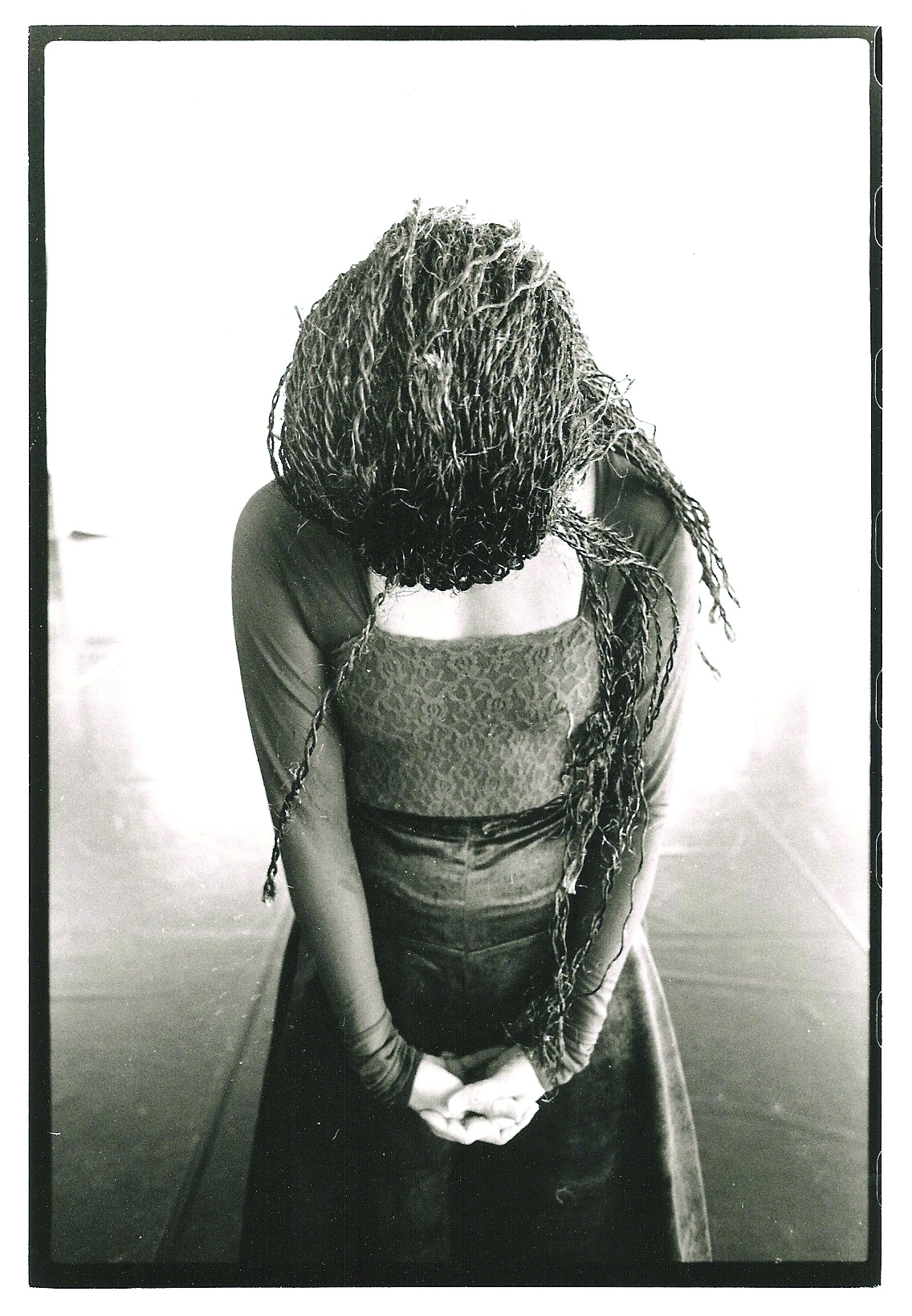
Donna Uchizono will present two works during NYLA festival celebrating Oliver Sacks (photo by Mia}

LIVE IDEAS: THE WORLDS OF OLIVER SACKS — RE: AWAKENINGS (DANCE)
New York Live Arts
219 West 19th St.
Thursday, April 18, 8:00, and Saturday, April 20, 4:00, $40
Festival runs April 17-21
212-691-6500
www.newyorklivearts.org
www.ladonnadance.org

In the preface to the 1990 edition of his bestseller Awakenings, Dr. Oliver Sacks wrote, “It is now 21 years since my patients’ awakenings, and 17 years since this book was first published; yet, it seems to me, the subject is inexhaustible — medically, humanly, theoretically, dramatically. It is this which demands new additions and editions, and which keeps the subject for me — and, I trust, my readers — evergreen and alive.” In celebration of Sacks’s upcoming eightieth birthday (on July 9) and the thirtieth anniversary of the publication of Awakenings, New York Live Arts is hosting its first Live Ideas festival, “The Worlds of Oliver Sacks,” five days of special programs that medically, humanly, theoretically, and dramatically examine and explore the good doctor’s inexhaustible contributions to the field of science and the arts. The festival includes the world premiere of Bill Morrison’s short film Re: Awakenings; a series of talks delving into Sacks’s work with people who have Tourette’s, Parkinson’s, and hearing loss; an evening of music and dance with the Orchestra of St. Luke’s, choreographer Aletta Collins, dancer Daniel Hay-Gordon, and conductor Tobias Picker; back-to-back presentations of Harold Pinter’s A Kind of Alaska, the first with spoken words, the second in American Sign Language; and such panel discussions as “Disembodiedness: Body Image & Proprioception,” “Musicophilia & Music Therapy,” “Neurologists & Philosophers Consider Sacks at 80,” and “Minding the Dancing Body,” the latter bringing together NYLA executive artistic director Bill T. Jones, Miguel Gutierrez, Colin McGinn, Alva Noë, and Gwen Welliver.

Sacks himself will participate in an Opening Keynote Conversation with Jones and will introduce a screening of the 1974 British television documentary Awakenings, followed by a Q&A. “Live Ideas” also features a pair of works by New York-based choreographer Donna Uchizono, performed by Levi Gonzalez, Hristoula Harakas, and Rebecca Serrell Cyr: a “Sacksian version” of Uchizono’s 1999 State of Heads and the newly commissioned Out of Frame. Earlier this week Uchizono discussed her involvement in this inaugural festival while preparing for the April 18 and 20 shows.

twi-ny: How did you get involved in “Live Ideas: The Worlds of Oliver Sacks” in the first place, and how familiar were you with his work prior to becoming part of the festival?

Donna Uchizono: I received a phone call from [NYLA artistic director] Carla Peterson asking me if I would be interested in creating a work about Awakenings based on Oliver Sacks’s work. I was, of course, completely honored and intrigued while simultaneously humbled by the offer. My father had his PhD in psychology and was interested in the workings of the brain. My father had a great love for books and had a huge library. Oliver Sacks’s books were among the many books my father owned. He gave me a copy of The Man Who Mistook His Wife for a Hat to read quite a long time ago. I had also seen the film Awakenings so was somewhat familiar with the horrible loneliness and “silent scream” of sleeping sickness. Heartbreaking. It’s quite a different challenge being commissioned to create a work about a specific topic other than a concept that is driven by oneself. The new work is turning out to be much more representational than work that I normally create, which I think is quite natural given the subject and the context in which it will be performed.

twi-ny: You’ll be presenting State of Heads, which premiered at Dance Theater Workshop in 1999. Why did you choose this to be part of your Sacks presentation?

Donna Uchizono: Coming out of a much larger discussion, the reasons for State of Heads being in the program are many and beyond the scope of this writing. But when the suggestion to move away from a program that included a play, music, and dance on one evening, to that of separate evenings of dance, music, and theater, State of Heads was discussed as a piece that may be included in the evening of dance because of its movement vocabulary. As I wrote in the choreographer’s notes, State of Heads explores the feeling of waiting and the passage of time in the state of hiatus where familiar time and scale are pushed. Using the separation of the head from the body as a point of departure, in an exploration of disjointedness and the sense of a will apart from the mind driving the movement, surprisingly created a world of endearingly odd characters. State of Heads reveals endearment in the awkward where the ordinary become extraordinary. The accounts of the patients that Oliver Sacks writes about in his book Awakenings are remarkable, where most definitely the ordinary become extraordinary and where profound “humanness” is found in the most unlikely places and time.
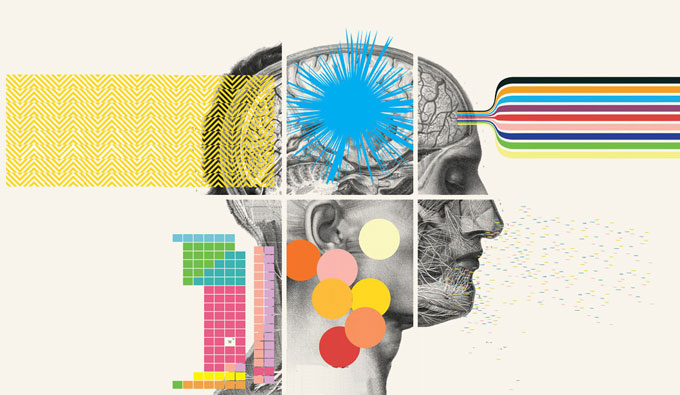
Live Ideas festival runs April 17-21 at New York Live Arts

Live Ideas festival runs April 17-21 at New York Live Arts

twi-ny: You’re also debuting Out of Frame, incorporating text from Dr. Sacks’s work. What was it like transforming his scientific studies into dance?

Donna Uchizono: I rarely use text in my work, but Oliver Sacks is not only a neurologist of note, he is also a well-known writer, thus it seemed natural to use his words. It was Oliver Sacks’s words that conjured up the images and movement for Out of Frame. I made a conscious decision not to view Bill Morrison’s film that incorporates actual archival footage or revisit the film Awakenings while creating the new work. I did not want to imitate but rather to create the movement vocabulary and images from Sacks’s writings. I was deeply moved by Dr. Sacks’s humane understanding of the plight of his patients. It was the idea of compassion and the need for tenderness towards the individuals that drives the work, rather than his scientific studies. The short solo seems to float between three states — the physical torque of the disease, the human beneath the dress, and the dreamlike temporary state of L-DOPA.

twi-ny: This year marks the twenty-fifth anniversary of your choreographic debut. What are some of the key differences in being a New York City dancer-choreographer in 1988 as opposed to today?

Donna Uchizono: I feel quite lucky to be part of a generation that started to show their work during the late 1980s and early ’90s. At that time it seemed as if anything was possible. We could design spaces, design programs, and find places to create. We were not yet aware of the looming financial shutdown that was about to happen. We looked around at other choreographers and there seemed to be a possible linear path moving from individual and emerging choreographer to having a small dance company. By the mid-’90s the financial wall had crumbled. I think it is much harder to make work now. Well, it is for me anyway. Young choreographers today seem to be much more aware that there is no obvious financial path. What remains the same is the need to make work.

twi-ny: You’ve had a long relationship with Dance Theater Workshop, which recently morphed into New York Live Arts. What do you think of the new venue?

Donna Uchizono: I have had a long relationship with with the wonderful and dedicated Carla Peterson, who continues to champion experimental artists. I am quite thrilled and honored to be in this Live Ideas festival, and the staff at NYLA have treated me with openness and generosity.
SUMMATION DANCE: PATHOLOGICAL PARENTHETICAL PAGEANTRY / SHIFT

Summation Dance will perform two new works this week at BAM

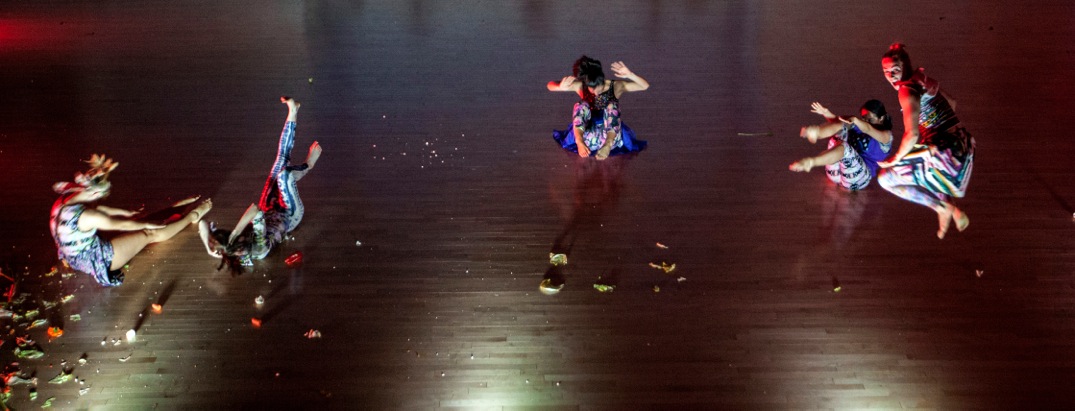
Summation Dance will perform two new works this week at BAM

BAM Fisher, Fishman Space
321 Ashland Pl.
April 11-13, $25, 8:00
718-636-4100
www.bam.org
www.summationdance.org

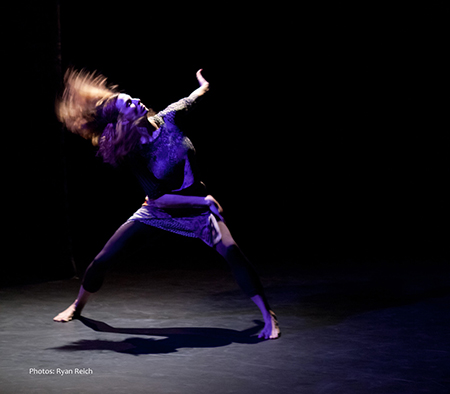
In such previous works as Deep End, which takes place in a metaphorical fishbowl, Erode, Heat, and No Man’s Landing, the relatively new Summation Dance troupe has brought an impressive, expressive group dynamic to its unique visual language, concentrating primarily on athletic movement and action, with the dancers, usually free of fancy costumes and exotic props, spending a significant amount of time on the floor. Cofounded in 2010 by NYU grads Sumi Clements and Taryn Vander Hoop, the all-female company is preparing for its third New York City season at BAM, performing two new pieces: Pathological Parenthetical Pageantry plays with the audience’s expectations, set to Gramatik’s “Good Evening Mr. Hitchcock” and LCD Soundsystem’s “Dance Yrself Clean,” while Shift explores planes of existence and alternate realities, with original music by Kyle Olson. Both choreographed by artistic director Clements, the works will run April 11-13 at the Fishman Space in the new BAM Fisher, with dancers Kelsey Berry, Angela Curotto, Allie Lochary, Julie McMillan, Kristin Schwab, and Megan Thornburg in addition to Clements and Vander Hoop.

FIRST SATURDAY — “WORKT BY HAND”: HIDDEN LABOR AND HISTORICAL QUILTS

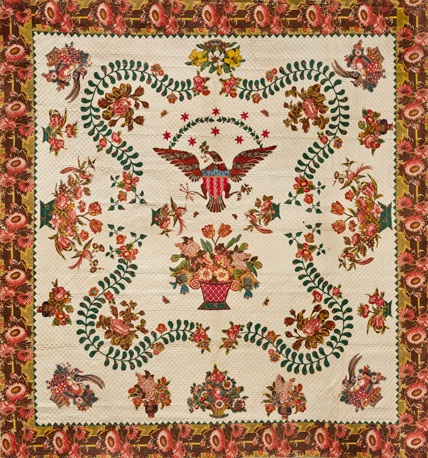
Elizabeth Welsh, “Medallion Quilt,” cotton, circa 1830 (Brooklyn Museum, Gift of the Roebling Society)

Elizabeth Welsh, “Medallion Quilt,” cotton, circa 1830 (Brooklyn Museum, Gift of the Roebling Society)

Brooklyn Museum
200 Eastern Parkway at Washington St.
Saturday, April 6, free, 5:00 – 11:00 (some events require free tickets distributed in advance at the Visitor Center)
212-864-5400
www.brooklynmuseum.org

The Brooklyn Museum celebrates the recent opening of “‘Workt by Hand’: Hidden Labor and Historical Quilts,” which examines the craft and culture behind approximately three dozen masterpieces from the collection, at the April free First Saturday program. There will be live performances by Jessy Carolina & the Hot Mess, Adia Whitaker and Ase Dance Theater Collective, Jesse Elliott (These United States) and friends, and Brooklyn Ballet, which will present Quilt with violinist Gil Morgenstern. Elizabeth A. Sackler Center for Feminist Art curator Catherine Morris will give a talk on “‘Workt by Hand,’” Robyn Love will share her knitting project “SpinCycle,” there will be a screening of Barbara Hammer and Gina Carducci’s Generations, followed by a Q&A with Carducci, a felt collage workshop, a book club discussion with Bernice McFadden about her latest novel, Gathering of Waters, and a zine-making cookbook workshop with Brooklyn Zine Fest and Malaka Gharib and Claire O’Neil of The Runcible Spoon. In addition, the galleries will remain open late so visitors can check out “LaToya Ruby Frazier: A Haunted Capital,” “Käthe Kollwitz: Prints from the ‘War’ and ‘Death’ Portfolios,” “Fine Lines: American Drawings from the Brooklyn Museum,” “Gravity and Grace: Monumental Works by El Anatsui,” “Raw/Cooked: Marela Zacarias,” “Aesthetic Ambitions: Edward Lycett and Brooklyn’s Faience Manufacturing Company,” and more.

WENDY OSSERMAN DANCE COMPANY: APPETITE

APPETITE

Wendy Osserman’s APPETITE will feed hungry dance fans at Theater for the New City April 4-7

Theater for the New City
155 First Ave. at Tenth St.
April 4-7, $10-$15
212-254-1109
www.wendyossermandance.org
www.theaterforthenewcity.net

New York City–raised dancer, choreographer, and teacher Wendy Osserman is following up last year’s politically infused Compromised with a new evening-length piece, Appetite. Running April 4-7 at Theater for the New City, Appetite examines the acquisitiveness of the body and mind through music and movement, exploring different ways of experiencing pleasure and conflict. The seventy-five-minute work will be performed by Osserman, Lauren Ferguson, and Emily Vetsch, with Briana Bartenieff, Hallie Hayne, Liliana Kelson, and Laurie Bennett, the dancers ranging in age from eleven to seventy. The score is by Skip La Plante, who builds homemade instruments out of trash and junk, with lighting design by Alex Bartenieff and costumes by longtime company dancer Cori Kresge.

HEARD•NY: NICK CAVE

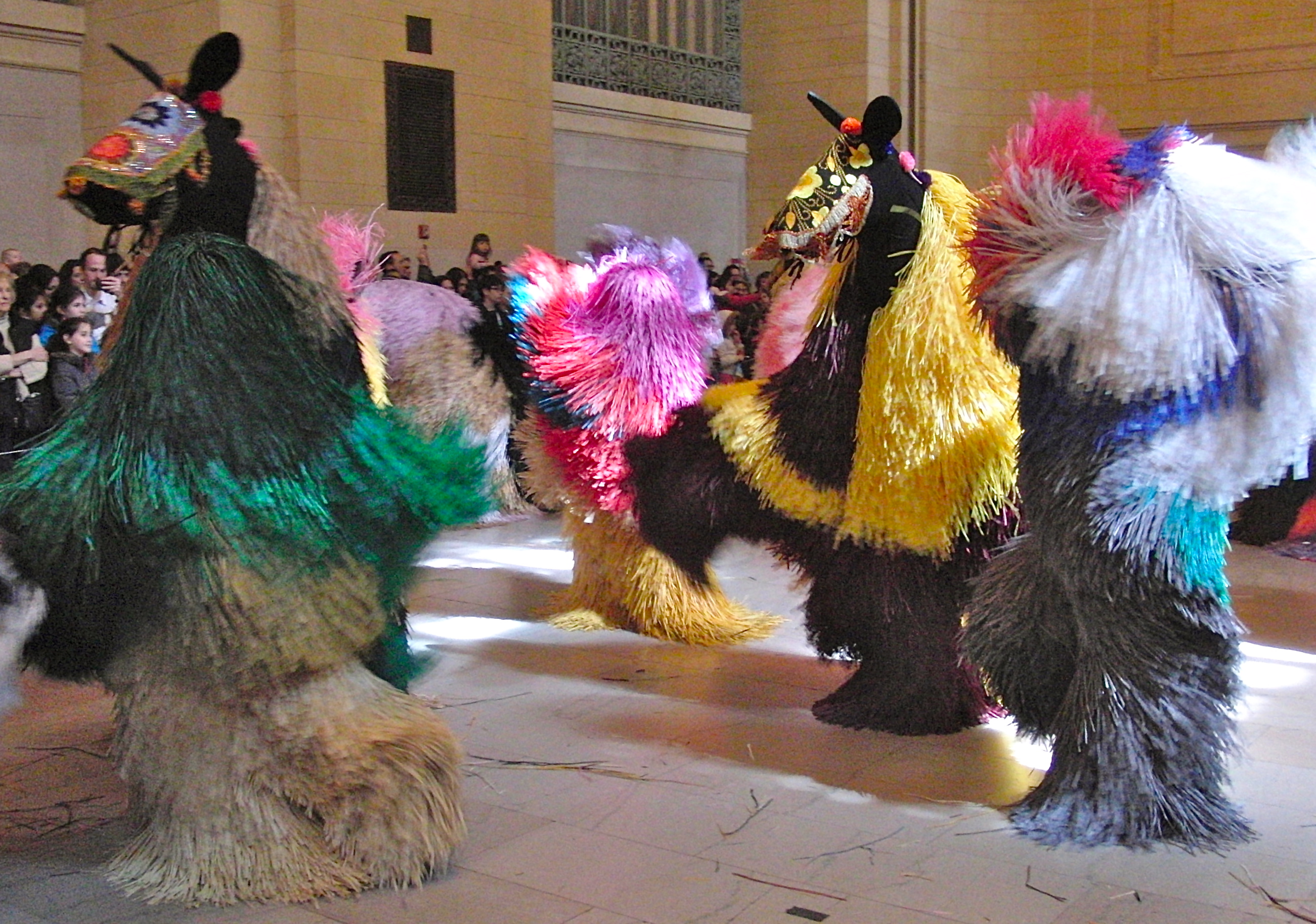
Nick Cave’s “Heard•NY” transforms Vanderbilt Hall into a performance petting zoo (photo by twi-ny/mdr)

Nick Cave’s “Heard•NY” transforms Vanderbilt Hall into a performance petting zoo (photo by twi-ny/mdr)

Grand Central Terminal, Vanderbilt Hall
89 East 42nd St. between Lexington and Vanderbilt
Daily crossings at 11:00 and 2:00, tours at 3:30 through March 31
www.creativetime.org
heard•ny rehearsal slideshow
heard•ny performance slideshow

Artist Nick Cave has transformed Grand Central Terminal’s Vanderbilt Hall into a unique and wonderful petting zoo like none other. The Missouri-based Cave, who makes colorful, life-size Soundsuits out of found and recycled materials, has created a menagerie of exotic horses for “Heard•NY,” which continues as part of GCT’s centennial celebration through March 31. On each roped-in side of Vanderbilt Hall, Cave has placed fifteen horses on saw horses. Each day at 11:00 and 2:00, the saw horses are removed and student dancers from the Ailey School march into the area and get inside the horse suits, two dancers per animal. They then parade around the periphery of the rectangle, allowing onlookers to take photographs and to pet them, before commencing a dance choreographed by Cave and William Gill, set to music played by a harpist and a percussionist. The horses stomp their hooves, proudly lift their heads, kick out, and form trios, then meet at the center, where the dancer in the back of the animal separates from the front, forming a collection of multicolored cheerleaders, evoking psychedelic Cousin Itts, who spin around, fall to the ground, and then get back inside their respective horses and eventually return the Soundsuits to their saw horse, although they no longer look like costumes but living and breathing horses taking a break until the next performance. It’s a great deal of fun, a playful riff not only on the perpetually busy and crowded Grand Central Terminal — where so many people are always in a rush, never stopping to enjoy the wonders around them — but also the concept of zoos themselves, where animals are put on display for the enjoyment of humans. Show up about a half hour before showtime to get a good spot, because it fills up quickly and often reaches capacity; one of the four sides of each corral is reserved for children so kids don’t have to compete with adults for a better view. Each performance, which is free, takes about twenty to twenty-five minutes and is an absolute charmer not to be missed.

SANBASO, DIVINE DANCE

Solomon R. Guggenheim Museum
1071 Fifth Ave. at 89th St.
March 28-29, $30-$50
212-423-3587
www.guggenheim.org

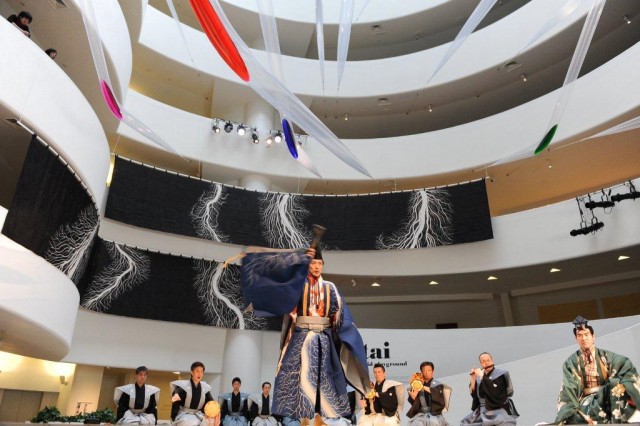
In conjunction with the major Guggenheim exhibition “Gutai: Splendid Playground,” which continues through May 8, the museum is teaming up with Japan Society to present the North American premiere of Sanbaso, divine dance, taking place in the rotunda of the Frank Lloyd Wright building March 28 at 2:00 and 8:00 and March 29 at 8:00. The ancient celebratory ritual dance will feature Kyogen actor Mansai Nomura (Onmyoji, Ran) as the title character, joined by five noh musicians and three noh chanters, with the set and costumes designed by Japanese artist Hiroshi Sugimoto based on his recent “Lightning Fields” series of photographs. “It is believed that the roots of Sanbaso lie in the myth of Amaterasu-omikami, the goddess of the sun, who hid in the heavenly rock cave Ama-no-Iwato,” Sugimoto explained in a statement. “This performance expresses how the gods descend to earth and is regarded as the most important performance piece among all the Shinto rituals. . . . The audience of this performance will witness the gods’ presence even in these jaded modern times.” This special program, a tribute to Gutai avant-garde artist Shiraga Kazuo’s Ultramodern Sanbasō, which opened the seminal “Gutai Art on Stage” presentation in 1957, is sold out, but there will be a standby line, with each person allowed to buy one ticket if any become available. In addition, on March 26, Japan Society will host a screening of Yuko Nakamura’s 2012 documentary Memories of Origin — Hiroshi Sugimoto, which follows Sugimoto around the world and includes appearances by architect Tadao Ando, artist Lee Ufan, critic and curator Akira Asada, and actor Mansai Nomura; Sugimoto will introduce the film and participate in a Q&A afterward.

Striking production of SANBASO, DIVINE DANCE lights up the Guggenheim (photo by Enid Alvarez; © 2013 Solomon R. Guggenheim Foundation, New York)

Striking production of SANBASO, DIVINE DANCE lights up the Guggenheim (photo by Enid Alvarez; © 2013 Solomon R. Guggenheim Foundation, New York)

Update: Slow and steady, performed with split-second timing, Sanbaso, divine dance is a striking piece, a highly stylized, precisely choreographed combination of music, vocalization, movement, architecture, and design, beautifully tailored to its surroundings in the Guggenheim rotunda. The mesmerizing performance begins with a noh music medley featuring drums and flute, a traditional sonic introduction that sets the mood for what follows. After the trio of musicians departs, the full cast enters, with Kazunori Takano as Senzai, Haruo Tsukizaki as Koken, and kyogen star Mansai Nomura as the title character, along with a slightly larger group of musicians and vocalists. They all proceed slowly down the spiral from the Guggenheim’s second floor, emerging from behind one of Hiroshi Sugimoto’s lightning-themed curtains and winding their way to the bare stage, which stands about three feet off the ground. As the musicians play — the earlier trio of Rokurobyoe Fujita on fue (flute), Atsushi Ueda on ko-tsuzumi (small hand drum), and Keinosuke Okura on o-tsuzumi (large hand drum) is joined by Yotaro Uzawa on ko-tsuzumi (lead hand drum), Kensaku Araki on waki-tsuzumi (second small hand drum), and a ji-utai (chorus) of Ren Naito, Hiroharu Fukata, and Shuichi Nakamura — a ritual takes place in which the senzai is presented with gold hand chimes, known as suzu, from a box held by the koken. Soon Sanbaso approaches the koken and is given a small, dark mask of an old man’s face that he puts on, then starts taking loud steps and shaking the chimes in unison with the drummers. Flashing his lightning-patterned blue robe designed by Sugimoto, he stops, jerks his head, then lifts and brings down a heavy foot, creating an echo that reverberates throughout the Guggenheim. Nomura is also wearing a tall, dark hat — similar to the one he wore in the two fantastical Onymoji films — that reflects light and the late Motonaga Sadamasa’s water tubes, which arc across the museum, in such a way that it looks like bolts of lightning are streaking down it. At times, Nomura’s foot stomps are like thunder, matching Rie Ono’s lighting that makes the bolts on Sugimoto’s curtains come alive, as if a storm has suddenly arrived. Having honored the gods, Sanbaso returns the mask and chimes to the koken, and the company prepares for the finale, after which they go back up the winding Guggenheim ramp and disappear behind the lightning curtains. It’s nearly impossible to take your eyes off Nomura, who inhabits his role like it’s part of his soul. He even adds a final flourish as he accepts the accolades of the delighted audience, which on Thursday night included Sugimoto as well as Cai Guo-Qiang, whose stunning “I Want to Believe” exhibition filled the Guggenheim five years ago.

NICK CAVE: HEARD•NY

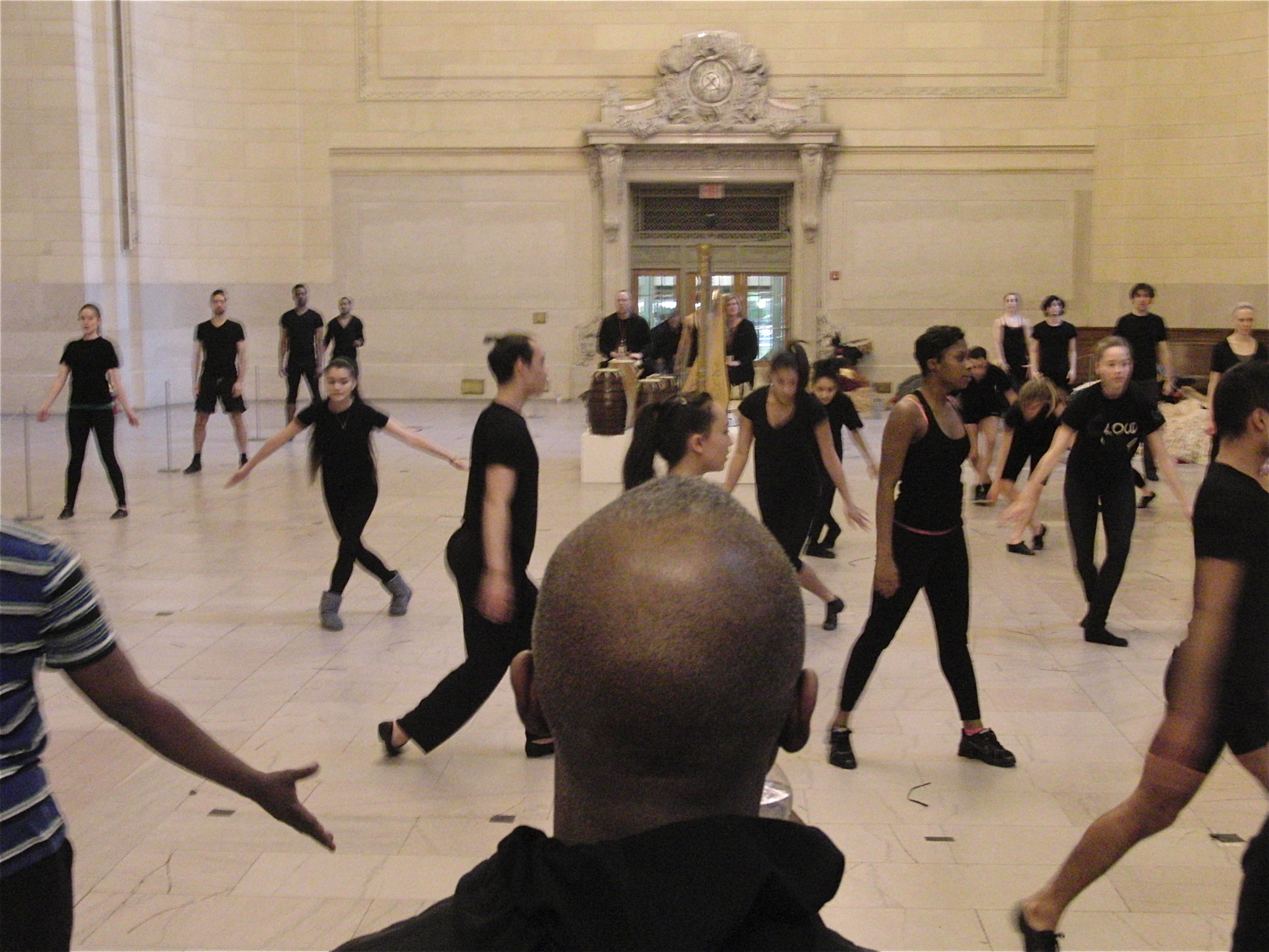
Artist Nick Cave watches a rehearsal of “Heard•NY” (sans horse costumes) in Vanderbilt Hall (photo by twi-ny/mdr)

Artist Nick Cave watches a rehearsal of “Heard•NY” (sans horse costumes) in Vanderbilt Hall (photo by twi-ny/mdr)

Grand Central Terminal, Vanderbilt Hall
89 East 42nd St.between Lexington and Vanderbilt
March 25-31, free
Daily crossings at 11:00 and 2:00, daily tours at 3:30
www.creativetime.org
heard•ny rehearsal slideshow

Grand Central Terminal is famous for its cattle-like crowds — hence the overused cliché “It’s like Grand Central Station in here!” — but it’s about to take in a whole new kind of herd this week. Starting on Monday, March 25, and continuing through Sunday March 31, Nick Cave’s “Heard•NY” will add to all the hustle and bustle. The Missouri-born multidisciplinary artist, whose dual exhibits “Ever-After” at Jack Shainman and “For Now” at Mary Boone ran in Chelsea in the fall of 2011, is installing thirty of his life-size horse Soundsuits in Vanderbilt Hall, where they will be on view all week. But every day at 11:00 am and 2:00 pm, student dancers from the Ailey School will get inside the colorful suits and perform what are being called “Crossings,” making their through the world’s most famous train terminal in intricate movements developed by Cave and Chicago-based choreographer William Gill, with live music by harpists Shelley Burgon and Mary Lattimore and percussionists Robert Levin and Junior Wedderburn. (There will also be daily guided tours of the installation at 3:30.) The performances harken back to the days when horse-drawn carts were prevalent in the city, prior to the coming of the railways and automobiles. A collaboration between Creative Time and MTA Arts for Transit as part of Grand Central Terminal’s ongoing centennial celebration, “Heard•NY” continues Cave’s exploration of human and animal ritual behavior and social and cultural identity, using found and recycled materials to create sculpture, video, and combinations of the two. The artist will discuss his latest work in relation to masquerade, performance, and dreaming in public at a special presentation, “A Conversation with Nick Cave,” in the Metropolitan Museum of Art’s Bonnie J. Sacerdote Lecture Hall on March 29 at 6:00 (free with museum admission), with Cave, Creative Time curator Nato Thompson, and Met curator Alisa LaGamma. “A herd of horses has been unleashed in Grand Central Terminal,” Thompson poetically explains in a statement. “Grazing in Vanderbilt Hall, they move at a pace perhaps too slow for the needs of a commuter, seeming to ask us to slow down. To take a second. To look. . . . In the frantic pace of our contemporary age, in the monumental machine that is Grand Central Terminal, we are temporarily placed outside ourselves by crossing paths with Cave’s creations. We can observe these horses in the same way that we look upon our fellow travelers in the Main Concourse, sensing the texture of time and the dizzying visual seduction that is the pleasure and bewilderment of our contemporary moment.” People are always rushing through train stations, which primarily serve as weigh stations at the beginning, middle, or end of a journey, but “Heard•NY” should make everyone stop for a few minutes, take a deep breath, and enjoy the surrounding fun, taking advantage of where they are rather than hurrying to get where they are going. (Coincidentally, madman Australian musician Nick Cave is also in New York City this week, playing the Beacon Theatre March 28-30 with his longtime band, the Bad Seeds.)