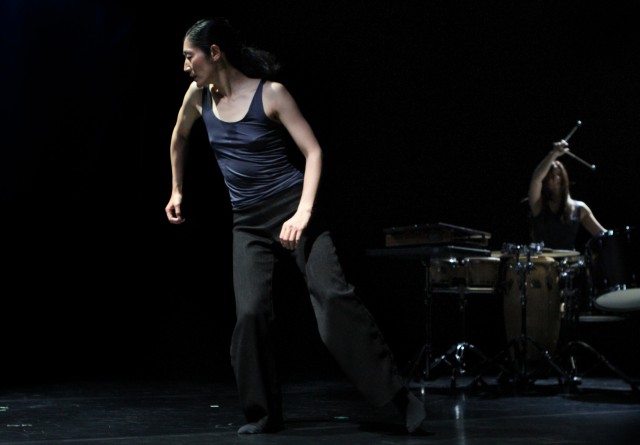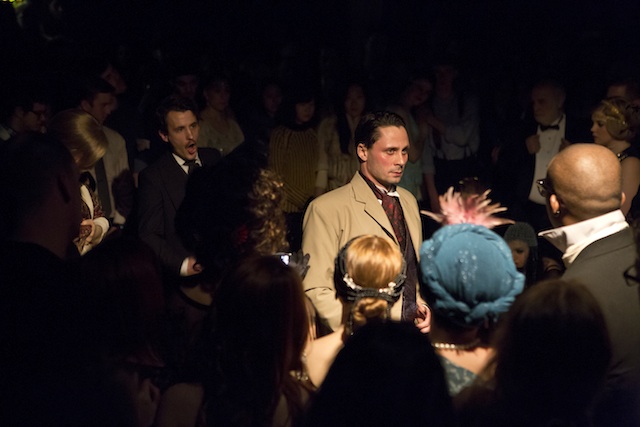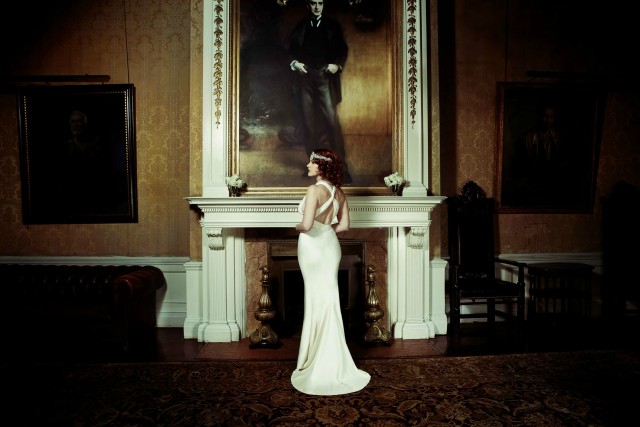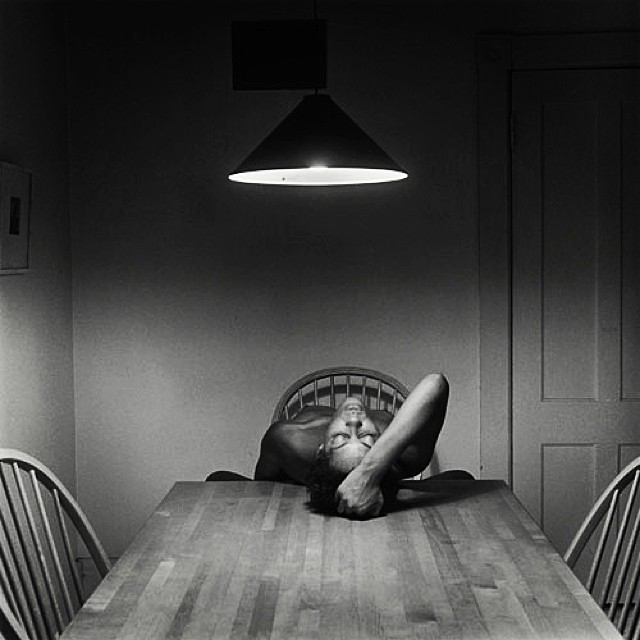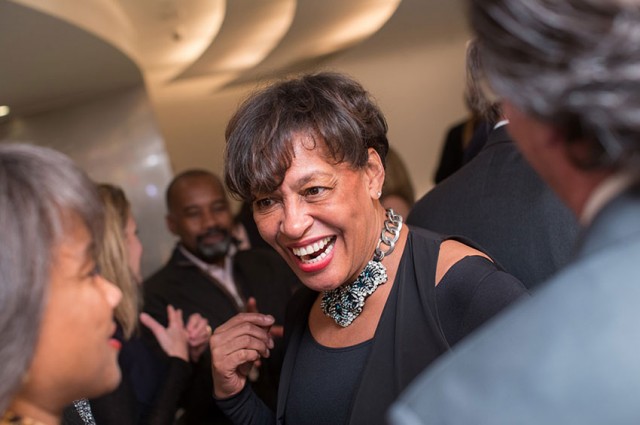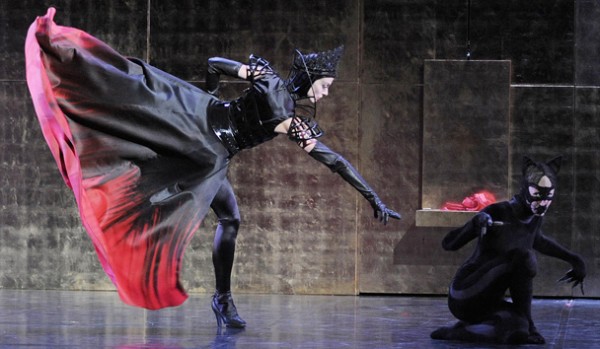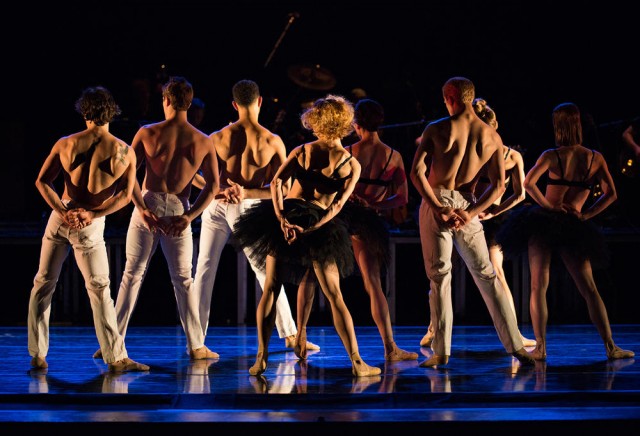
Competitive siblings John Wilkes and Edwin are at center of complex drama in THE BROTHERS BOOTH (photo by Jeremy Daniel)
The Players Club
16 Gramercy Park South
Saturday, May 3, June 7, July 12, general admission $75, VIP $125, 8:00
www.brothersbooth.blogspot.com
A palimpsest of nineteenth-century theater history, 1920s cabaret, and the storied Players Club, Speakeasy Dollhouse: The Brothers Booth is the second of creator Cynthia von Buhler’s Speakeasy Dollhouse immersive theater pieces. Long fascinated by her family’s bootlegger past and the layers of stories in New York City, von Buhler crafts participatory theatrical evenings unlike any other, in which the actors and the audience inhabit the same set — the dollhouse — with everyone as the dolls. The set in The Brothers Booth is the Players Club on Gramercy Park, the exclusive private organization for thespians founded by Edwin Booth, a superstar of the nineteenth-century stage, son of the preeminent Shakespearean actor Junius Brutus Booth — and brother to the less talented but far more notorious John Wilkes Booth, who assassinated Abraham Lincoln. (A statue of Edwin Booth resides in the center of Gramercy Park, across the street from the Players Club.) Von Buhler’s show, directed by Wes Grantom (Eager to Lose), invites ticket holders to dress up — going in costume is highly encouraged and pretty much essential to enjoying oneself — and join a 1920s Prohibition-era party in progress at the club, complete with ukulele players, magicians, singers, and a fabulous emcee, modern burlesque star Tansy.

Speakeasy Dollhouse creator Cynthia von Buhler in the Sargent Room at the Players Club, beneath John Singer Sargent’s portrait of Edwin Booth (photo by Maxine Nienow 2014)
But the party is haunted by the spirits of the brothers Booth (with Ryan Wesen as John and an excellent Eric Gravez as Edwin) and various characters in their lives, who reenact mysterious scenes from different decades in assorted rooms on multiple floors, recalling Sleep No More, involving sibling rivalry, the fight over John Wilkes Booth’s corpse, a traveling circus, a burned tattooed man (Dan Olson), and the murder of the president. There’s a battle over a coffin, a medium (Chrissy Basham) holding a séance, a sword fight, a puppet show, a spirit photographer, and a telling excerpt from Julius Caesar, all taking place over and over again as guests get drinks at various bars (credit cards only), ogle one another’s costumes, mingle with the various performers dressed as taxi dancers and gigolos, and snap photos to post on social media. (VIPs also get to watch Mark Twain [Lord Kat] play cards with Robert Todd Lincoln and hang out in the burlesque performers’ dressing room.) The layering of stories is murkier in this installment; unlike Speakeasy Dollhouse: The Bloody Beginning (which continues April 26 and May 10, 17, and 31 on the Lower East Side), it’s hard to tell who is who and when is when. Most of the guests are there to show off their 1920s garb and to drink, and the scenes are repetitive and often unclear. Still, the evening is theatrically ambitious, absolutely singular, and not to be missed by fans of New York City history willing to take a walk on the strange side, into the Players Club and into the dollhouse.


In Ballet 422, Jody Lee Lipes takes viewers behind the scenes as twenty-five-year-old New York City Ballet dancer Justin Peck choreographs the 422nd original piece for the prestigious company, Paz de la Jolla. One of fifty dancers in the Corps de Ballet, which the film calls “the lowest rank” of the NYCB, Peck was named by company head Peter Martins to be the New York Choreographic Institute’s first active choreographer-in-residence for the 2011-12 season, and he is the only current NYCB dancer to choreograph for the company. Documentarian and cinematographer Lipes (NY Export: Opus Jazz, Tiny Furniture) focuses on the fascinating collaboration that goes into creating a ballet. “As a former soloist with New York City Ballet, I had long dreamed about pulling back the veil on the making of a new ballet,” producer Ellen Bar explains on the film’s 

“Tanny’s body created inspiration for choreographers,” one of the interviewees says in Nancy Buirski’s documentary Afternoon of a Faun: Tanaquil Le Clercq. “They could do things that they hadn’t seen before.” The American Masters presentation examines the life and career of prima ballerina Tanaquil Le Clercq, affectionately known as Tanny, who took the dance world by storm in the 1940s and ’50s before tragically being struck down by polio in 1956 at the age of twenty-seven. Le Clercq served as muse to both Jerome Robbins, who made Afternoon of a Faun for her, and George Balanchine, who created such seminal works as Western Symphony, La Valse, and Symphony in C for Le Clercq — and married Tanny in 1952. In the documentary, Buirski (